RTLS and RFID Are Often Mixed Up—But They’re Not the Same Thing
In hospital tracking projects, one of the first things people get confused about is RTLS and RFID.
They sound similar. They even overlap in use cases. But they’re not exactly the same system.
RFID is usually about identifying and recording movement. RTLS (Real-Time Location System) goes one step further—it tries to continuously estimate where something is.
In real hospital environments, the difference is less about theory and more about how much detail you actually need.
RFID: Knowing Where Something Has Been
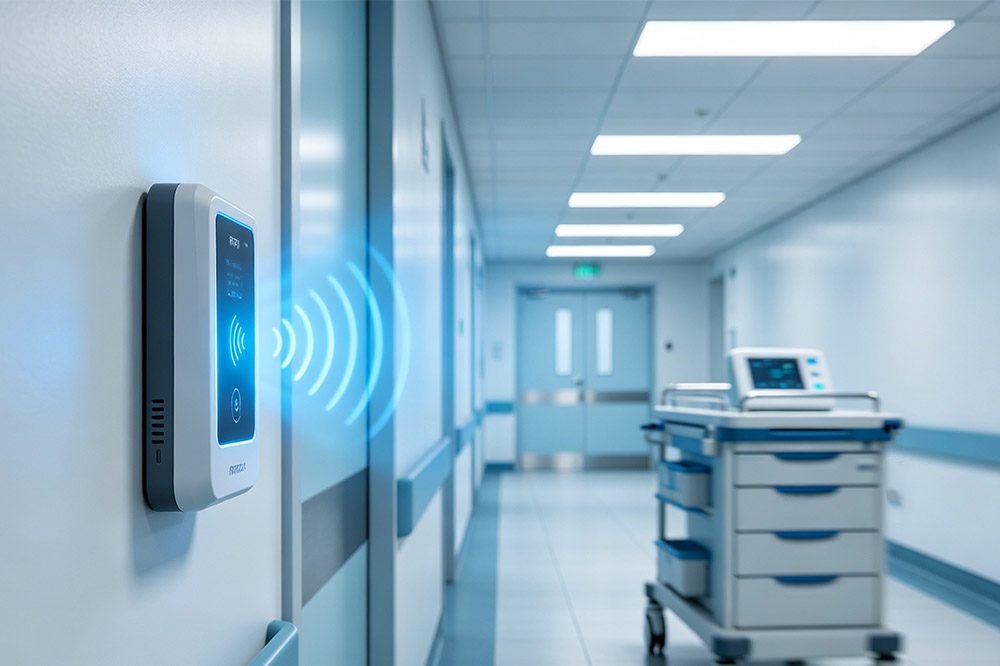
RFID works in a simple way: when equipment passes a reader, the system records that event.
So instead of constant tracking, you get “checkpoints.”
For example:
Equipment entered ICU at 10:32
Left storage room at 14:10
Passed corridor reader at 14:12
It doesn’t always show exact live position—but it gives you a clear movement history.
In most hospitals, that level of visibility is already enough.
RTLS: Trying to Show Where Things Are Right Now
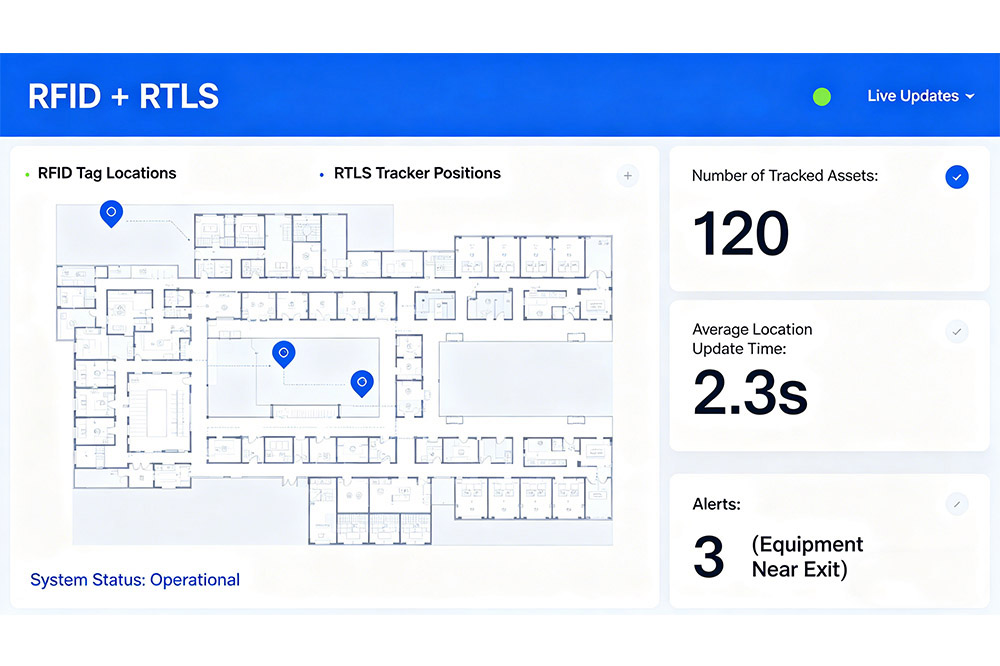
RTLS systems go further by trying to continuously locate assets in real time.
Instead of “it passed here,” RTLS tries to answer:
Where is it right now?
Which room is it in?
How long has it been there?
To do that, RTLS often uses additional technologies like:
Wi-Fi positioning
Bluetooth beacons
Infrared or ultrasonic systems
It’s more detailed—but also more complex.
Where Hospitals Actually Notice the Difference
In practice, most hospitals don’t start with RTLS. They start with RFID.
Why? Because RFID solves the majority of problems already:
Equipment search time
Missing asset confusion
Basic utilization tracking
RTLS becomes useful in more specialized environments, like:
High-intensity emergency departments
Large hospital campuses
Critical care units with rapid equipment movement
But for many hospitals, full real-time positioning is more than they actually need.
The Trade-Off: Accuracy vs Complexity
This is where things get practical.
RTLS gives more precise location data. RFID is simpler and easier to scale.
But that extra precision comes with trade-offs:
Higher infrastructure cost
More complex installation
More system maintenance
More data to manage
In real projects, this often becomes the deciding factor.
Not “which is better,” but “how much detail do we actually need?”
Where RFID Usually Fits Better in Hospitals
From what I’ve seen, RFID tends to work best in these situations:
Tracking equipment movement between departments
Managing shared hospital assets
Monitoring usage patterns
Controlling inventory flow
It gives enough visibility without overwhelming the system with constant positioning data.
That’s why most hospitals start with RFID before even considering RTLS.
How RFID and RTLS Can Work Together
It’s not always an either-or choice.
In some setups, both systems are used together:
RFID handles movement history
RTLS provides live location for critical assets
For example:
RFID shows that a ventilator was moved from ICU
RTLS shows exactly which room it is currently in
This hybrid approach is usually reserved for larger or more complex hospitals.
Where Smart Infrastructure Comes In
Once tracking becomes more structured, storage starts to matter more.
Because knowing where equipment is doesn’t help much if it’s constantly moving without control.
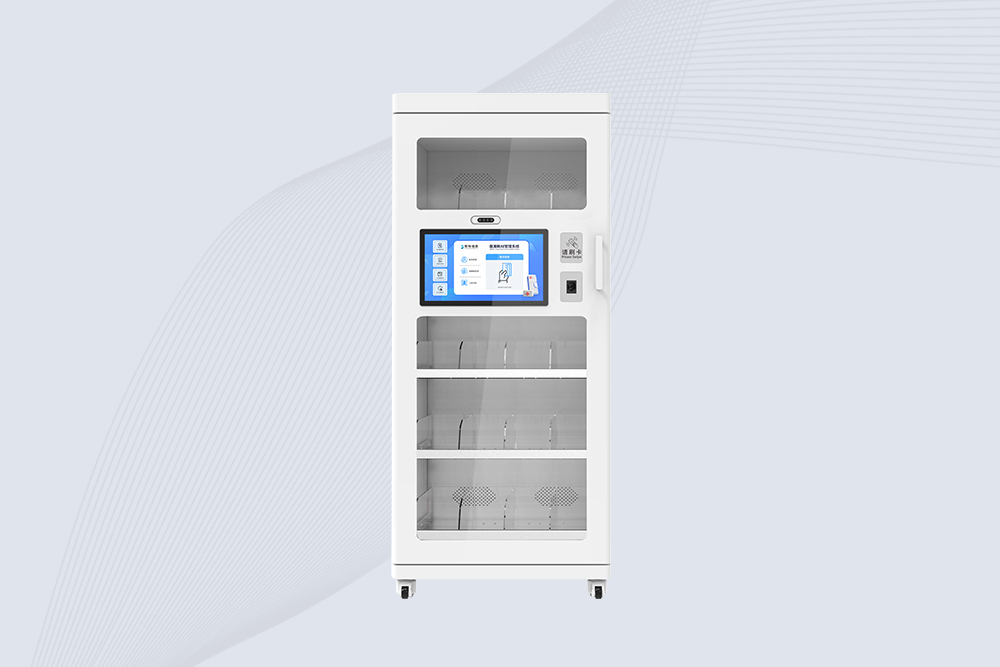
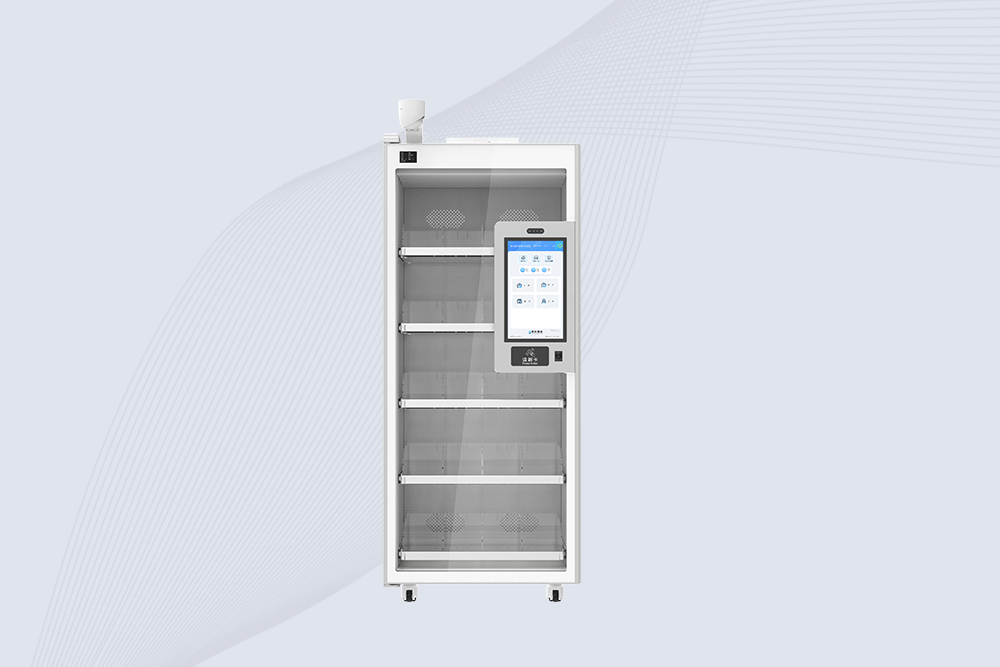
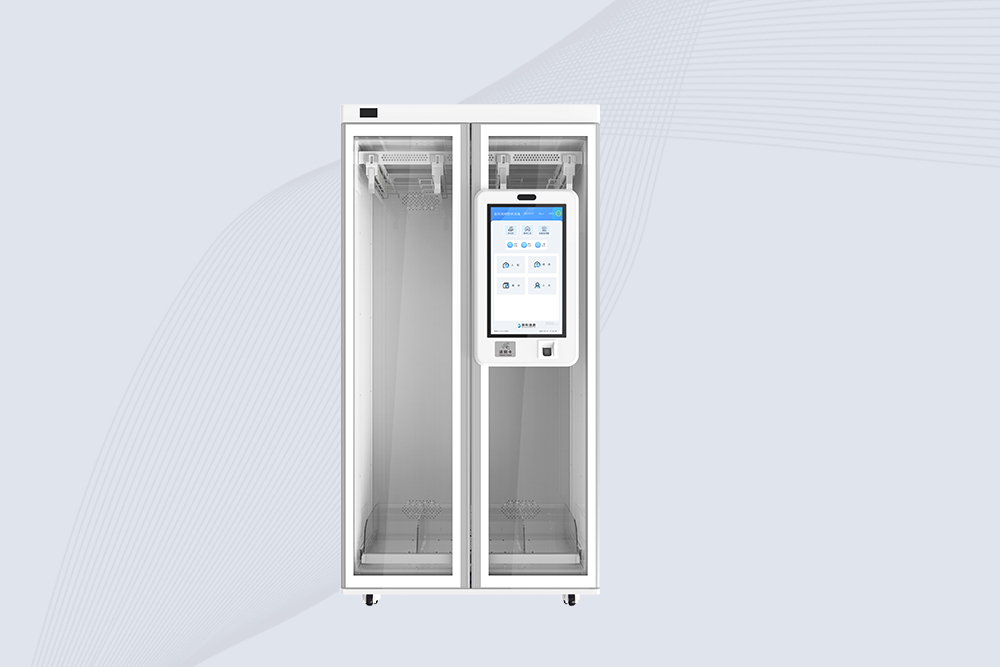
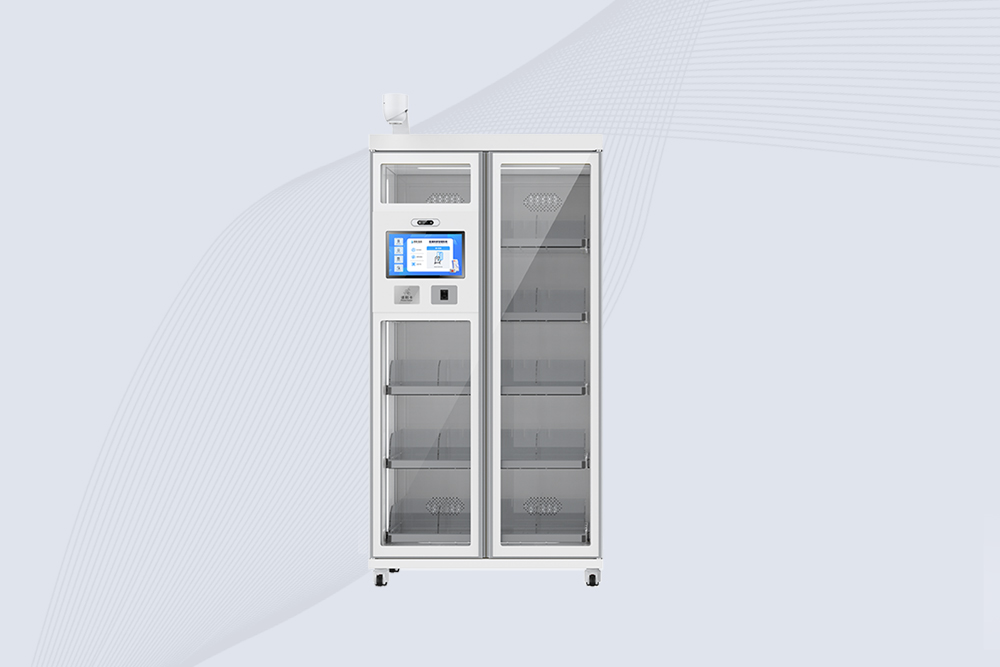
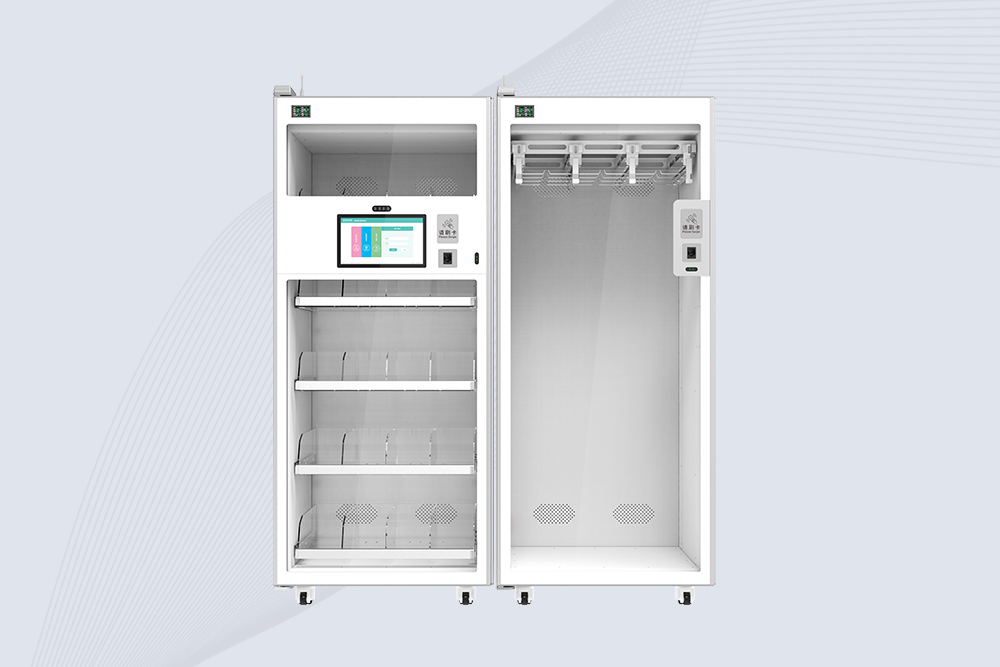
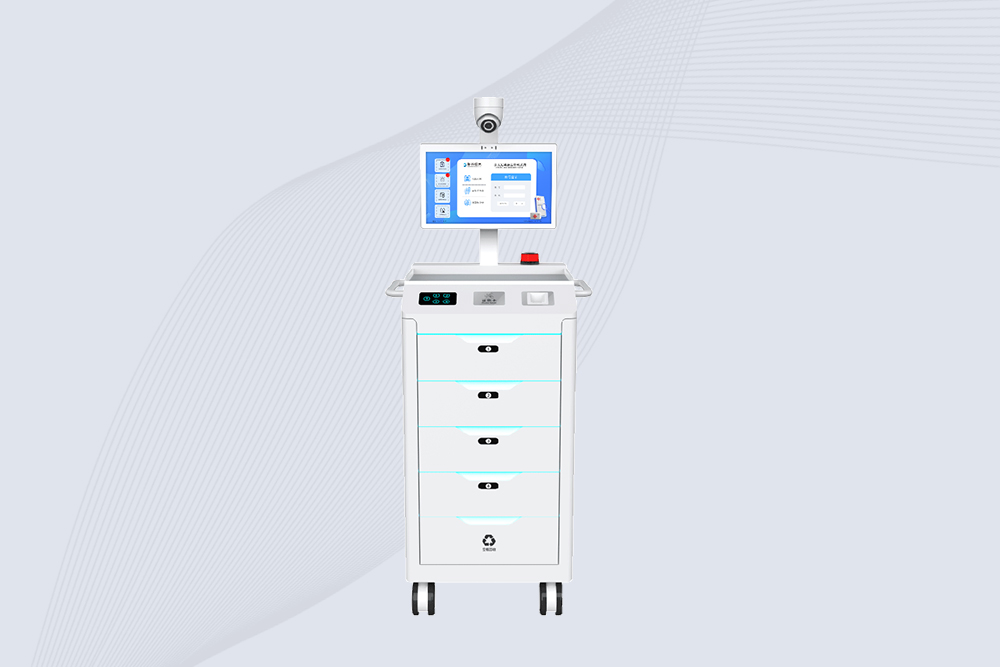
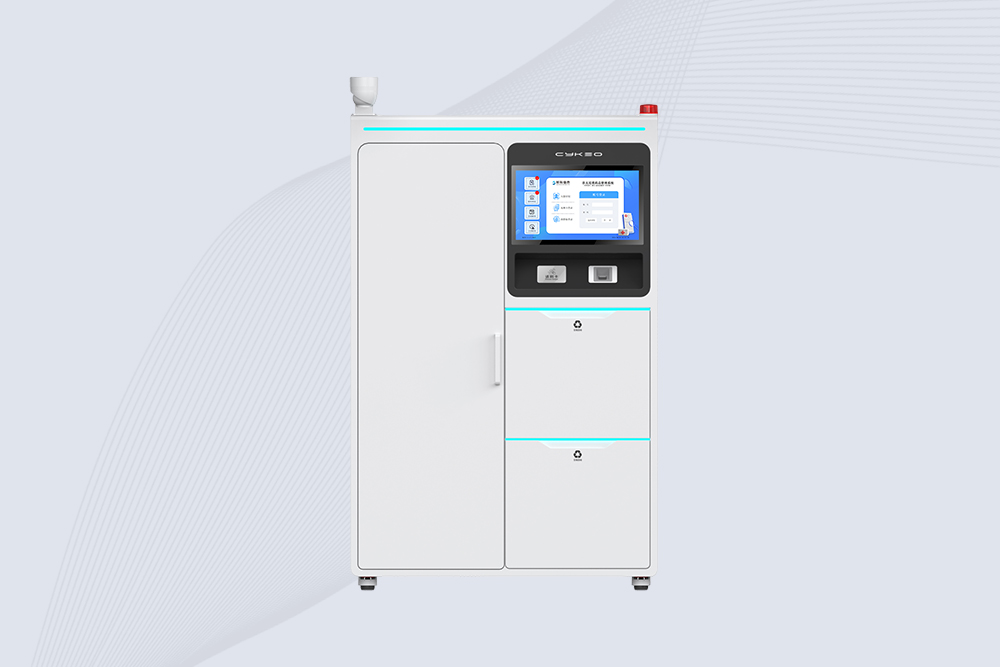
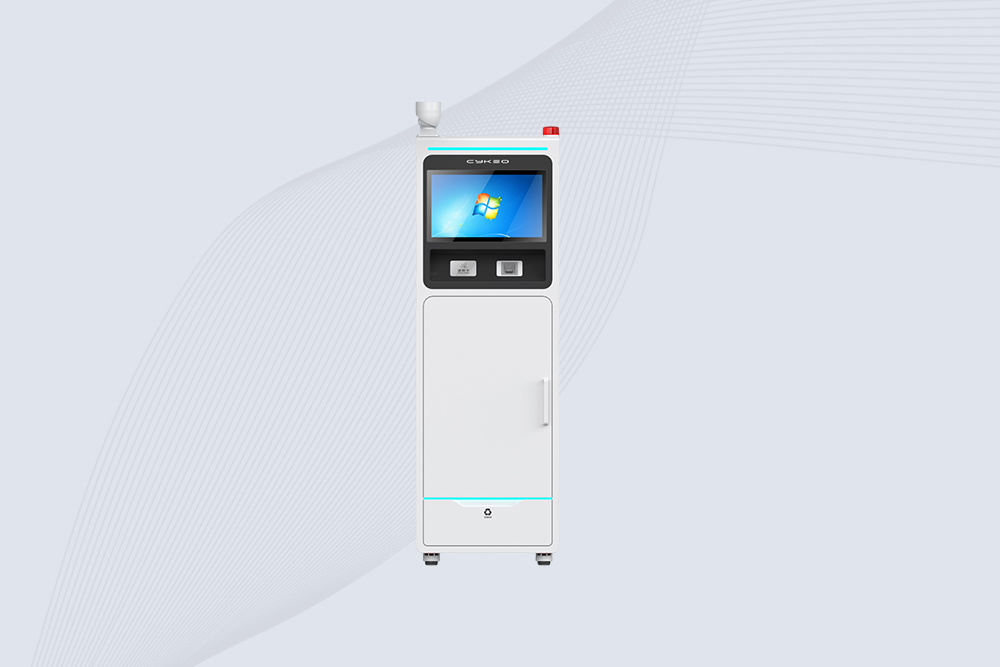
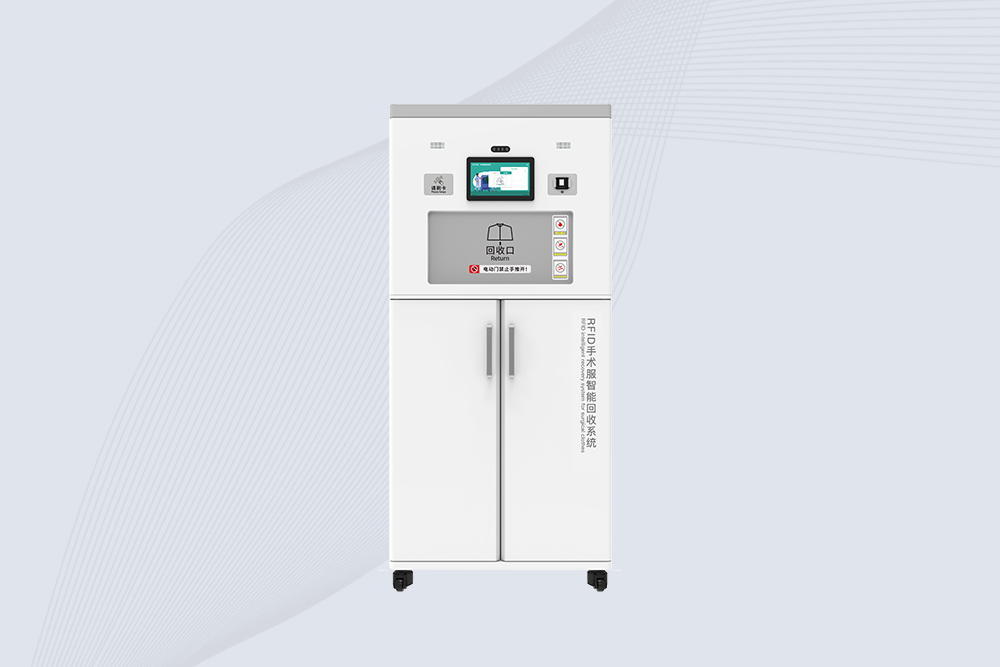
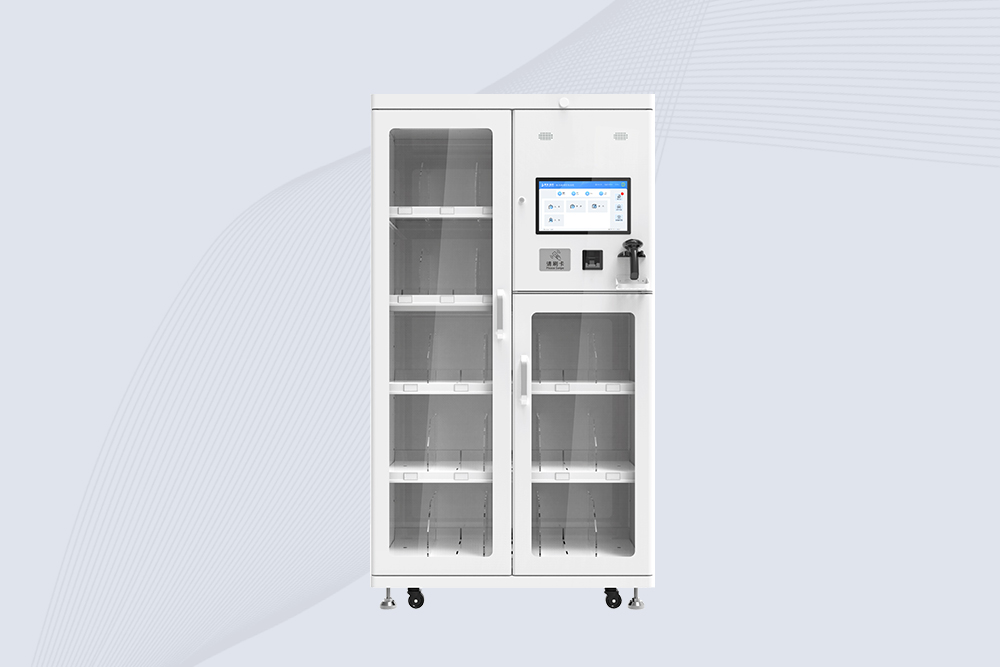
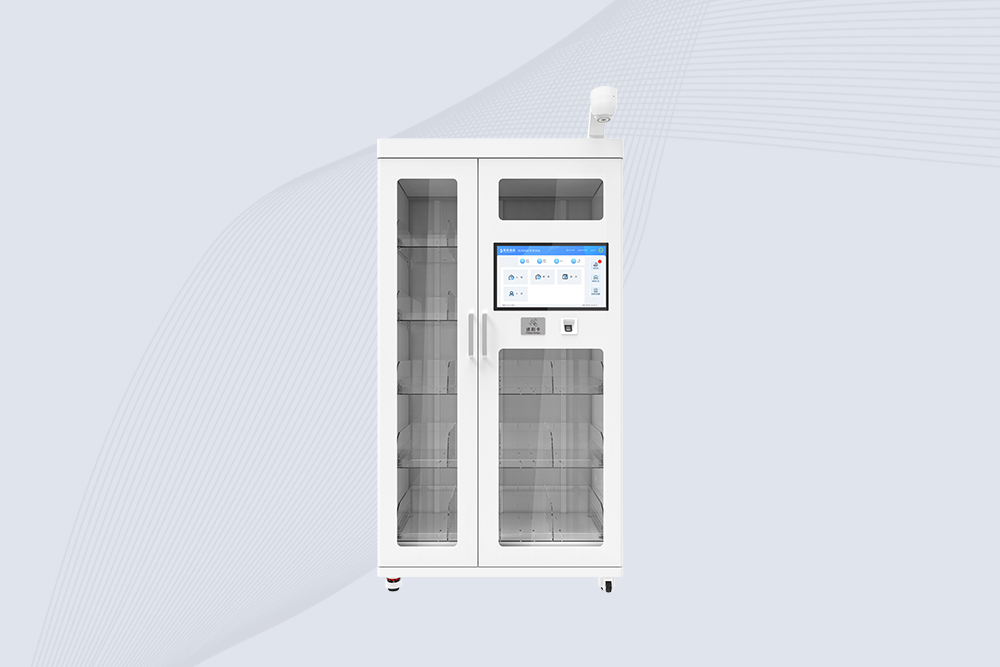
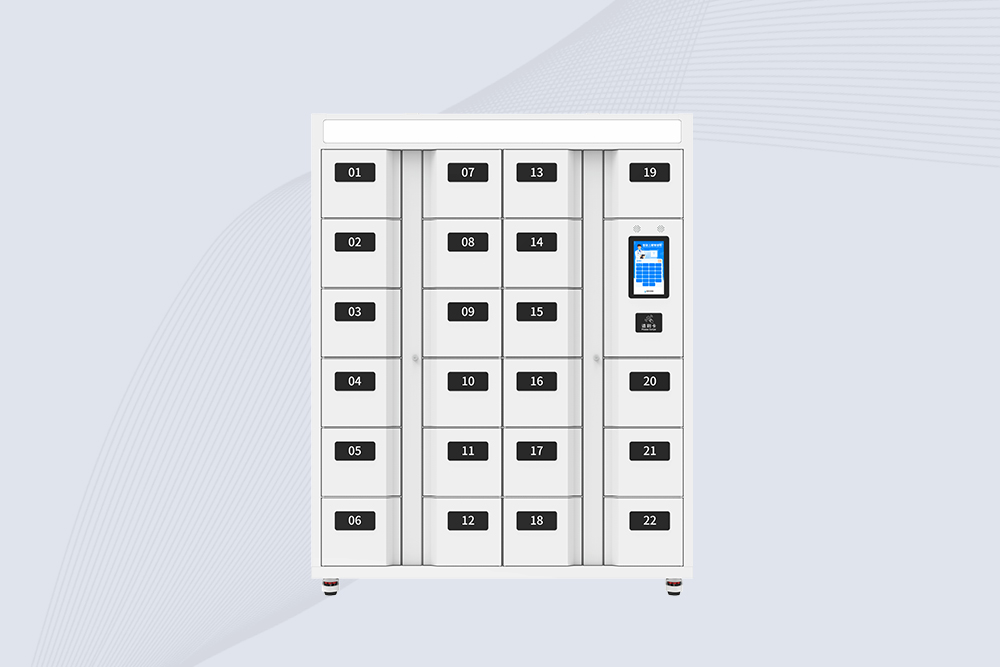
That’s where systems like an RFID medical cabinet system fit in.
Cykeo’s smart medical cabinet RFID features 21.5″ touchscreen & 99.9% accuracy for OR instrument tracking. Modular shelves for 500+ items. HIPAA compliant. Request demo.
Cykeo’s UHF RFID hospital asset cabinet features dual-door security, antibacterial coating & 99.9% accuracy for OR implants. ISO 13485 compliant. Tracks 2000+ items.
Cykeo medical RFID medicine cabinet features ≤5cm drug tracking, real-time HIS sync, military security, and USP-compliant climate control for Schedule II drugs.
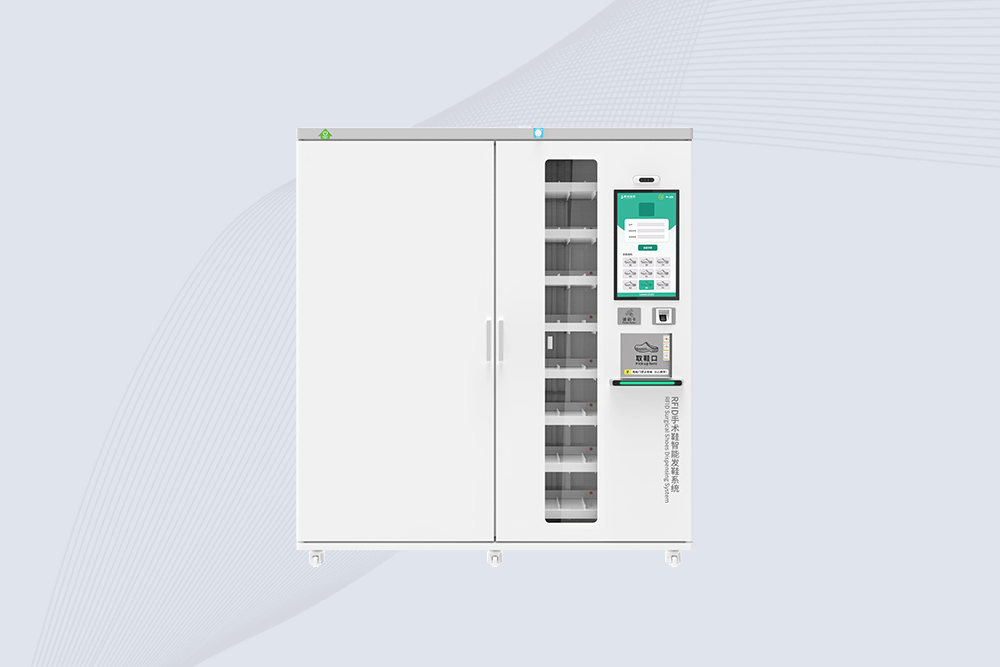
Cykeo RFID operating room cabinet features ≤55s shoe delivery, UHF RFID inventory control, ISO 13485 certification, and biometric access for OR workflow optimization.
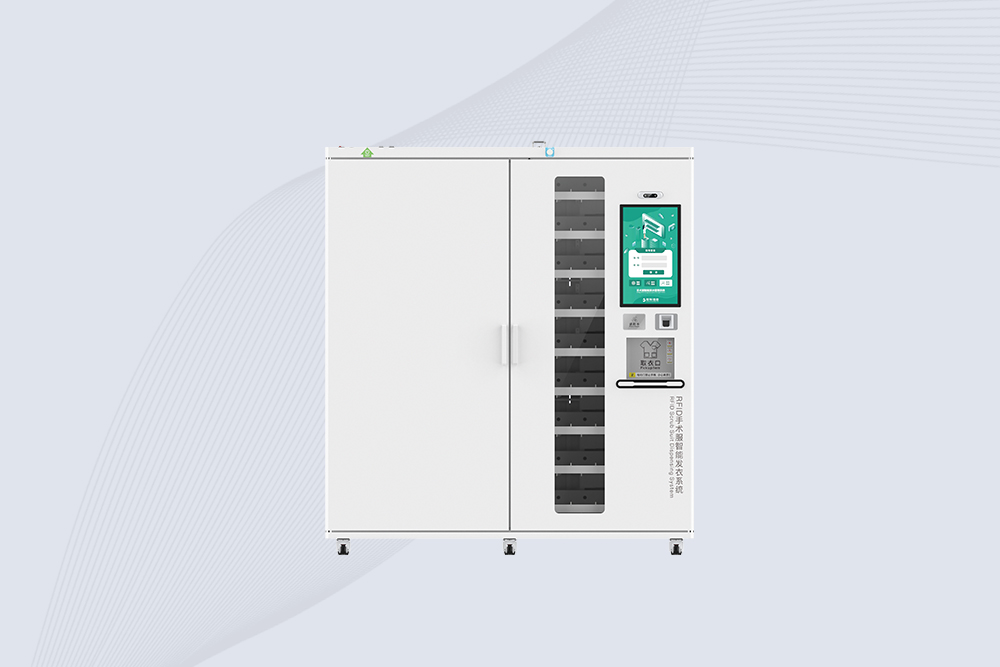
Cykeo operating room RFID cabinet features 108-gown capacity, UHF RFID tracking, real-time SPD integration, and biometric access for sterile OR management.
Cykeo’s low-value consumables cabinet offers 5-tier storage, HIPAA encryption, FDA compliance, and SAP integration for hospitals/clinics. Reduces stockouts by 70%.
Cykeo’s RFID high-value consumables cabinet offers 500-implant capacity, FDA compliance, real-time Epic sync, and theft prevention for ORs/surgery centers.
Cykeo CYKEO-G2224 rfid linen management cabinet features modular lockers, 10.1″ Android screen, and 200+/sec scanning for hospitals/hotels. SAP/Oracle integration.
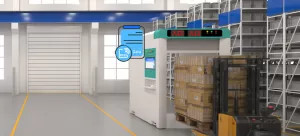
RFID tunnel machine, a cutting-edge technology in modern logistics, is transforming the way warehouses are managed. It is more than just a simple tool; it’s a vital solution to improving warehouse efficiency. By leveraging RFID (Radio Frequency Id...
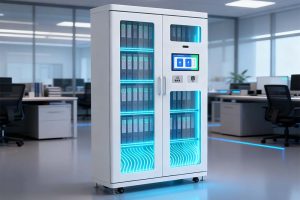
RFID file cabinet lets you track files automatically, locate them instantly, and secure access with real audit trails. A practical, honest look at why it’s replacing traditional file cabinets in modern offices.
Wondering how to check RFID card frequency? Learn simple methods to identify LF, HF, and UHF RFID cards, understand common frequencies, and choose the right reader for your application.
 Cykeo RFID IoT Solution Products R&D Manufacturer