As the global healthcare industry continues to evolve rapidly, hospitals are under increasing pressure to enhance operational efficiency, ensure patient safety, and optimize the use of medical resources. Traditional hospital management models struggle to keep pace with the growing complexity of medical environments and the demands of managing vast numbers of assets and personnel. RFID technology offers a smart, data-driven solution to these challenges with its contactless identification and real-time tracking capabilities, making it one of the most promising innovations in modern healthcare.
What Is RFID Technology in Hospitals?
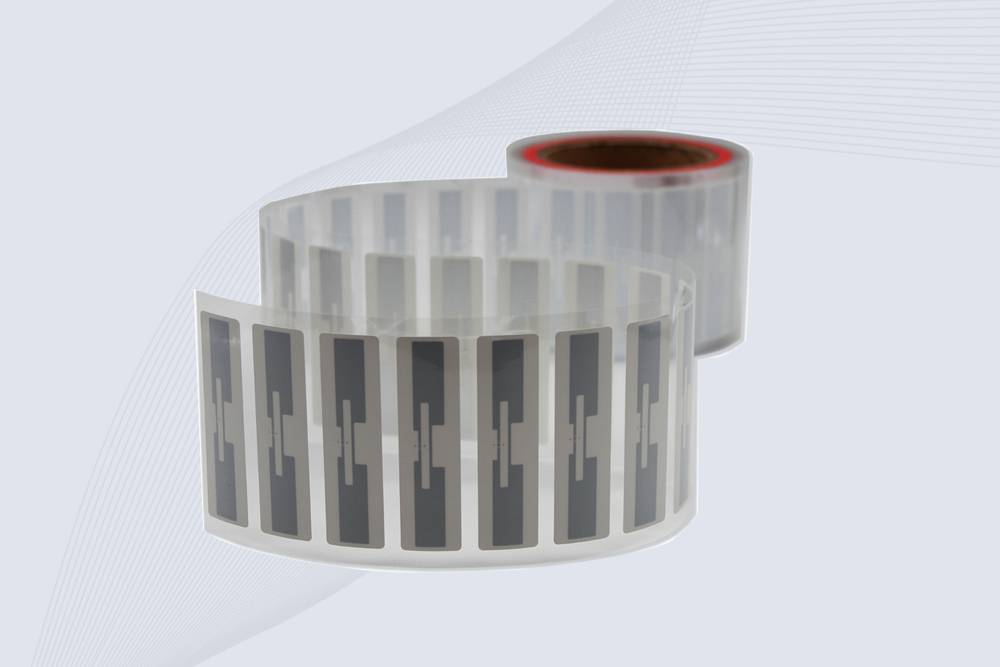
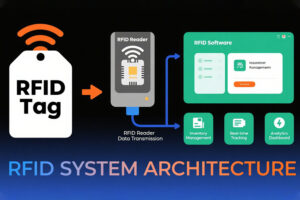
In a hospital setting, RFID (Radio Frequency Identification) integrates deeply into daily operations and resource management. Hospitals attach or embed RFID tags into key items—such as medical equipment, pharmaceuticals, consumables, patient wristbands, and staff ID badges. These tags work together with RFID readers and backend software to identify, locate, and monitor various assets in real time.
RFID tags are waterproof, resistant to contamination, and reusable. They perform reliably in complex environments like sterilization rooms and humid operating theaters, ensuring accurate data collection and transmission without disruption.
Why Do Hospitals Need RFID Technology?
Hospital performance directly impacts patient satisfaction and institutional reputation. In traditional systems, hospitals often face problems like lost or underused equipment, time-consuming inventory counts, patient misidentification, and inadequate tracking of surgical tool sterilization.
As patient care demands increase and hospital collaboration grows more complex, administrators must adopt more efficient and precise management tools. RFID technology directly addresses these challenges, offering significant improvements in safety, asset visibility, and cost control—while strengthening hospitals’ competitiveness in the healthcare market.
Key Applications and Advantages of RFID in Hospitals
Patient Safety Management
By equipping patients with RFID-enabled wristbands, hospitals can accurately confirm patient identities during diagnosis, surgery, and medication administration. Healthcare staff simply scan the wristband to access real-time patient data, greatly reducing the risk of human error. The system also tracks patient movements within the facility, preventing wandering or accidental exits—especially useful for elderly or psychiatric patients.
Intelligent Medical Equipment Tracking
Hospitals attach RFID tags to vital devices such as monitors and ventilators to monitor their usage, location, and maintenance cycles. The system automatically logs how long each device is used, when it needs servicing, and where it is stored—boosting equipment utilization and cutting operational costs.
Precise Management of Drugs and Supplies
By tagging medicines and medical consumables with RFID, hospitals can monitor inventory levels, expiration dates, and storage conditions in real time. The system sends alerts for low stock or expiring items, reducing waste and ensuring timely replenishment for uninterrupted patient care.
Surgical Instrument Sterilization and Tracking
Embedding RFID tags into surgical tools allows hospitals to trace each instrument through every stage: cleaning, sterilization, packaging, usage, and return. This traceability ensures proper sterilization protocols, minimizes infection risks, and improves surgical safety and accountability.
How Can Hospitals Choose the Right RFID Solution?
To select a suitable RFID solution, hospitals should evaluate the following:
Tag performance and compatibility: Choose tags that match the application. Surgical instruments require tags that withstand high-temperature sterilization, while patient wristbands must be soft, hypoallergenic, and safe for long-term wear.
Reader capabilities: Ensure that RFID readers offer sufficient coverage, read speed, and stability for various hospital zones—from ICUs to storage areas.
System integration: The management software should seamlessly integrate with existing systems like HIS (Hospital Information System), LIS (Laboratory Information System), and EMR platforms to provide unified data access and operation.
Proven Benefits and Real-World Results
Hospitals that implement RFID solutions report dramatic improvements. Patient misidentification rates have dropped by 95%, while idle time for medical equipment has decreased by 60%. These systems save millions annually in asset maintenance and inventory management costs. By digitizing surgical instrument tracking, hospitals have also significantly lowered infection rates.
These real-world successes demonstrate how RFID is transforming hospital management across the board—from patient safety to operational excellence.
The Future of Smart Healthcare Begins with RFID
RFID is emerging as a cornerstone of intelligent hospital operations. It empowers institutions to safeguard patients, streamline resource allocation, improve data accuracy, and deliver higher-quality services. Hospitals that embrace RFID today will gain a decisive edge in tomorrow’s healthcare landscape.
By selecting a robust, scalable RFID solution tailored to real hospital needs, healthcare providers can lead the next wave of smart medical transformation.
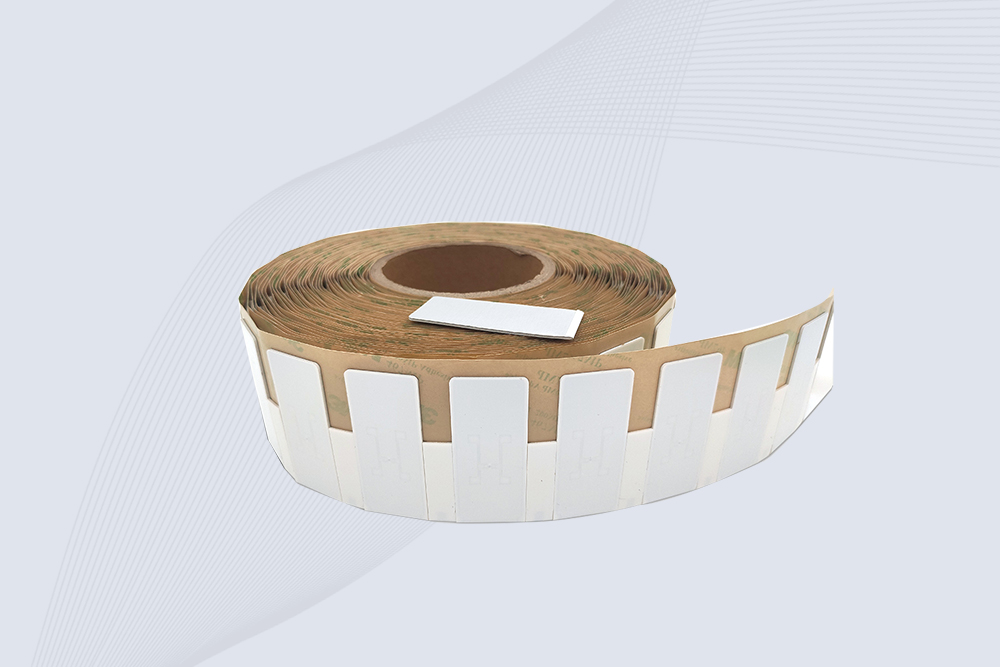
CYKEO Passive RFID Tags are made for wet and high-humidity environments where standard labels do not last. This rfid passive tag is often used around liquids, chemicals and temperature changes, providing stable reading distance and long data life for industrial tracking.
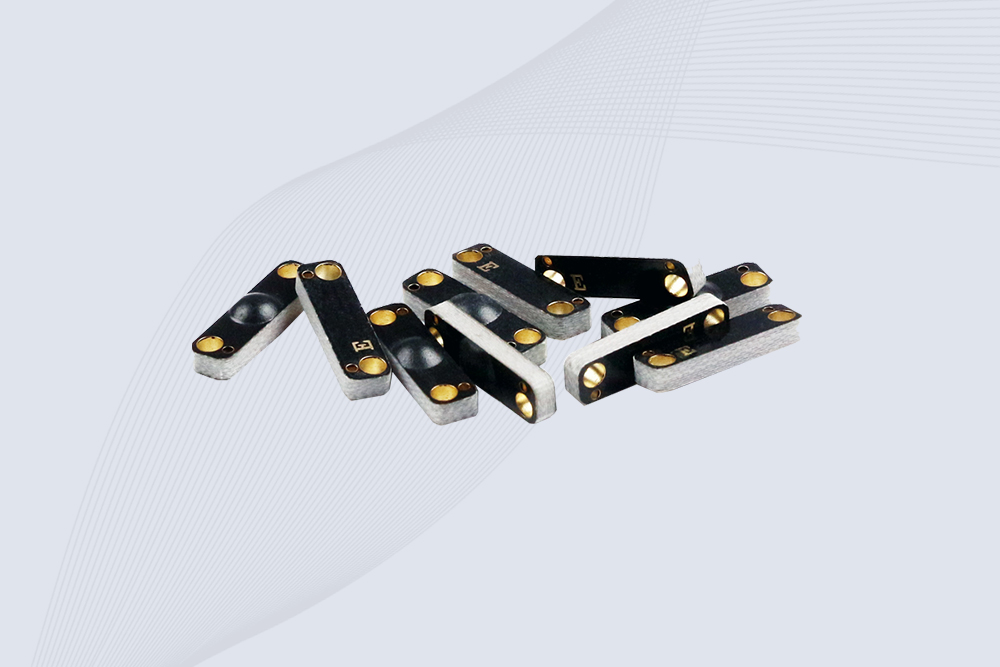
CYKEO CK-BQ1504 Metal RFID Tags is a compact anti-metal UHF RFID solution built for direct mounting on metal surfaces. With stable 8-meter read range, Ucode-8 chip, and long data retention, this rfid metal tag fits tools, containers, automotive parts, and industrial asset tracking.
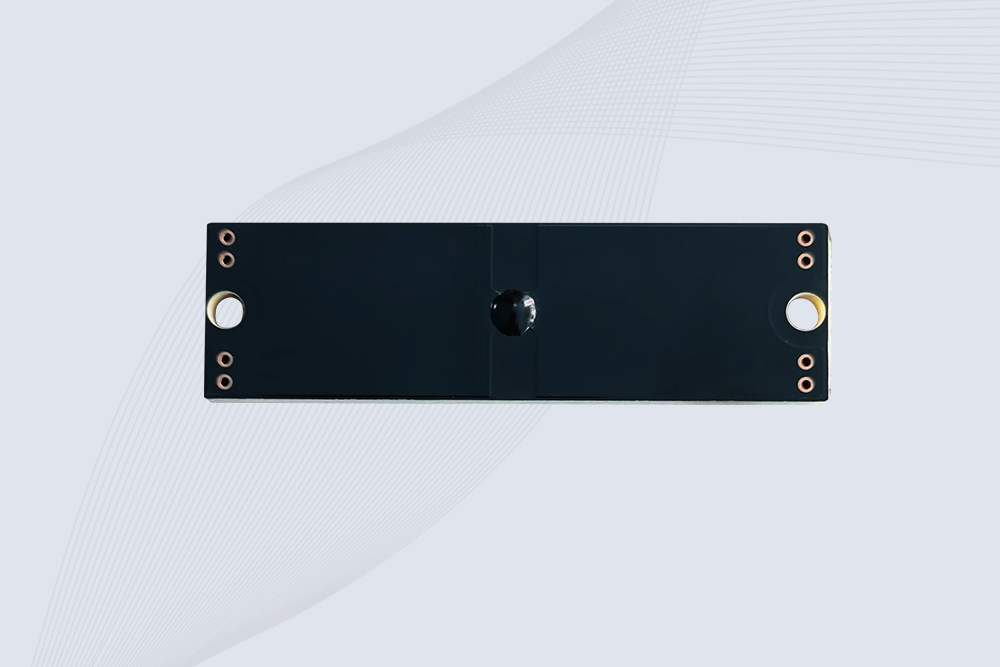
CYKEO CK-BQ7020 On-Metal RFID Tags are designed for reliable tracking on steel and metal surfaces. Built with an FR4 epoxy body and industrial-grade chips, these On-Metal RFID Tags deliver stable performance, long data life, and chemical resistance, making them a dependable RFID anti-metal tag for harsh environments.
The CYKEO CK-BQ6025 Anti-Metal RFID Tag is built for metal surfaces where standard tags fail. Designed for long-range performance, harsh environments, and stable data retention, this Anti-Metal RFID Tag is ideal for industrial assets, containers, and equipment tracking using on metal RFID tags.
Improve inventory accuracy and speed with RFID stocktake solutions. The CK-DP13A RFID Inventory Tracking Station reads hundreds of items in seconds and integrates with ERP/WMS systems. Flexible setup with RFID readers and antennas makes it ideal f...
how IoT and RFID are transforming parking management. Find available parking spots in real-time, reserve spaces via mobile app, and reduce traffic congestion with smart parking systems.
Understand the differences between UHF and HF handheld RFID readers. Compare range, applications, costs, and choose the right technology for logistics, healthcare, or retail.
Discover what an RFID inventory system is, how it automates tracking, its benefits over barcodes, and real-world applications. Optimize your operations with Cykeo.
 Cykeo RFID IoT Solution Products R&D Manufacturer