 Cykeo RFID IoT Solution Products R&D Manufacturer
How Is RFID Read? Step-by-Step Guide to the Reading Process
39Wondering "how is RFID read"? Discover the step-by-step process from energizing tags to decoding data. Learn about anti-collision and memory banks with CYKEO.
MoreAll RFID Product
If you’ve ever waited behind a slow-moving car queue at a gated parking lot, you already know why RFID readers are changing the game for boom barriers.
They take the “manual check” out of the equation — allowing vehicles to pass seamlessly by just being recognized automatically.
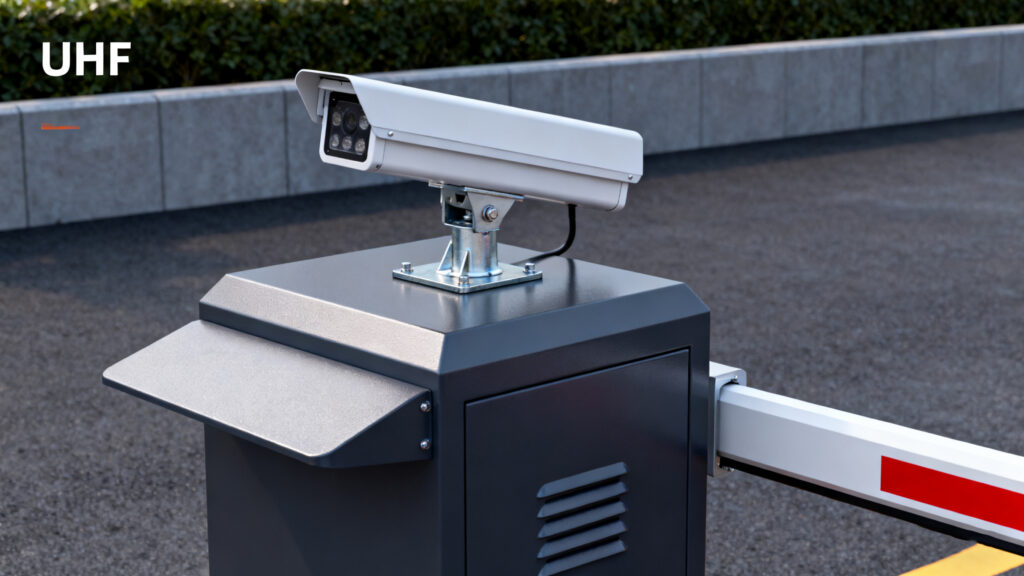
But here’s the thing: installing an RFID reader isn’t just about slapping a tag on a windshield. The real difference comes down to how well the reader, antenna, and gate controller are integrated and tuned for your environment.
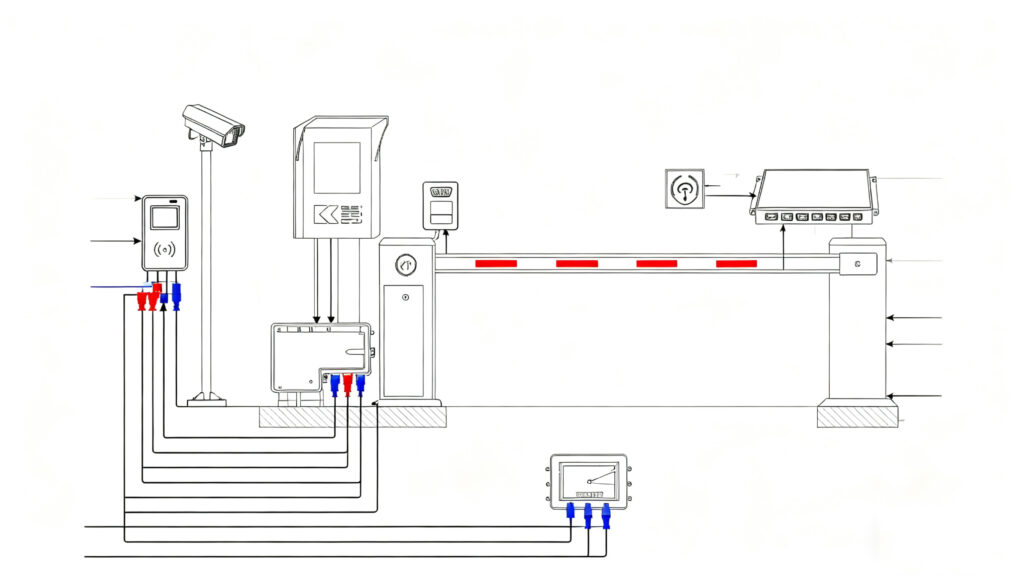
An RFID reader for boom barriers communicates wirelessly with vehicle-mounted tags. When a tagged car approaches the gate, the reader detects the tag’s unique ID, verifies it in the access database, and triggers the boom gate to open.
In a typical system setup:
For long-range applications, UHF readers (around 860–960 MHz) are commonly used. They can detect tags from 5–15 meters, making them ideal for high-traffic areas like factories or residential estates where vehicles shouldn’t stop completely.
A manufacturing plant in Malaysia replaced manual guard checks with dual-lane RFID boom barriers. Each employee vehicle got a windshield UHF tag.
Result? The morning rush hour queue disappeared. The system logged every entry in real-time and flagged unknown tags immediately — improving both efficiency and security.
In an office tower’s basement car park, RFID readers were installed alongside license plate recognition. The combo helped prevent tag cloning — if the plate and RFID tag didn’t match, access was denied automatically.
A high-end housing estate used mid-range RFID readers for residents and a QR code scanner for visitors. Residents drove through effortlessly, while visitors were handled by the guard post.
Residents loved it because it felt like “hands-free entry,” not a security hassle.
Here are a few things to think about before buying or installing one:
Q1: What’s the difference between active and passive RFID for boom barriers?
Passive tags don’t have a battery — they’re cheaper and maintenance-free, but with shorter range. Active tags transmit signals themselves, offering longer range but at higher cost.
Q2: Can RFID readers work in the rain?
Yes, industrial-grade readers are built with waterproof housings (often IP66+). Just ensure the antenna connectors are sealed properly.
Q3: Can one reader control multiple lanes?
Possible, but risky. Long-range readers can misread tags from adjacent lanes. It’s safer to assign one reader per lane unless you’re using directional antennas and fine-tuned zones.
Q4: How do I stop tag cloning?
Use encrypted tags or combine RFID with another verification layer like ANPR or PIN-based entry for critical zones.
People who deploy these systems often share a similar experience — the technology itself isn’t the problem, it’s the alignment:
An RFID reader for boom barriers isn’t just another gadget — it’s the bridge between convenience and control. When tuned right, it feels invisible; drivers don’t even realize it’s there. But when poorly configured, it becomes the most frustrating part of the parking experience.
If you’re planning a deployment — whether it’s for a residential complex, logistics center, or office tower — take time to match your reader type, tag design, and environment. The difference between “just working” and “working flawlessly” often comes down to those small but critical details.

Cykeo’s CYKEO-T1D industrial RFID ceiling reader features 500 tags/sec scanning, IP54 protection, and -20℃~60℃ operation for retail/warehouse security. Supports ISO18000-6C and GB/T29768 protocols.
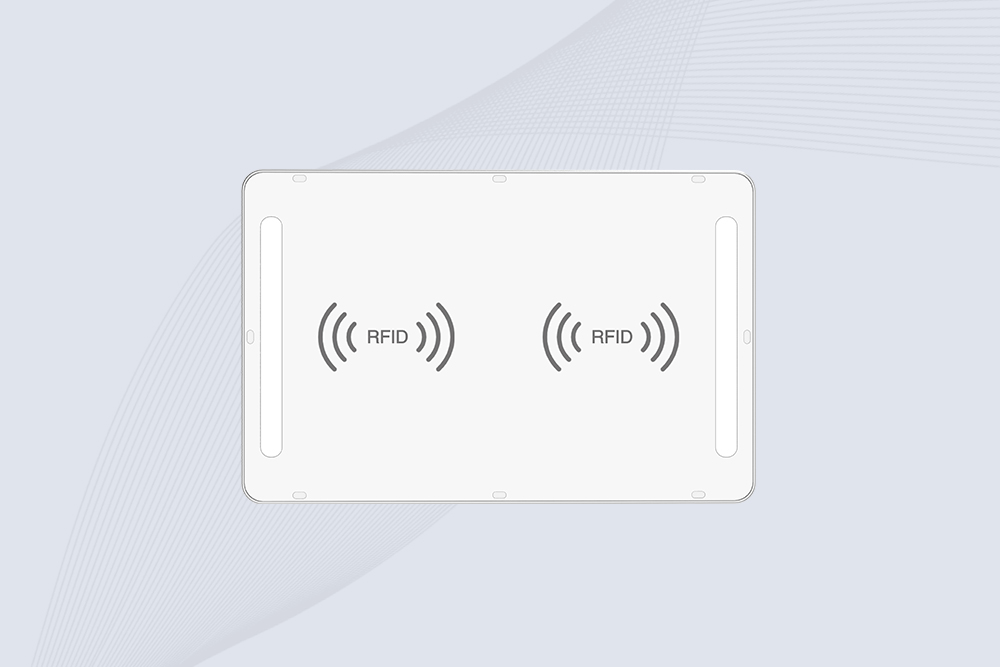
Cykeo’s ceiling-mounted RFID reader enables hands-free 5m inventory tracking with 500 tags/min speed. Features dual alerts, ERP integration, and IP54 rating for warehouse security.
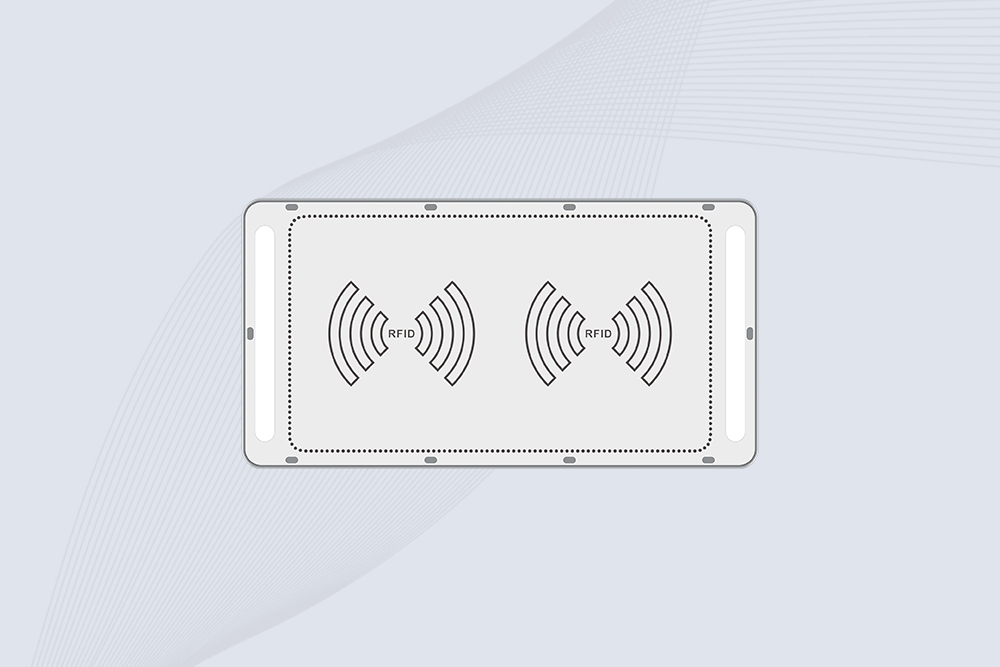
Cykeo CK-T1E RFID gate system features 120° coverage, AI motion filtering, and 5m detection for retail/warehouse security. IP67 rugged design with ERP integration.
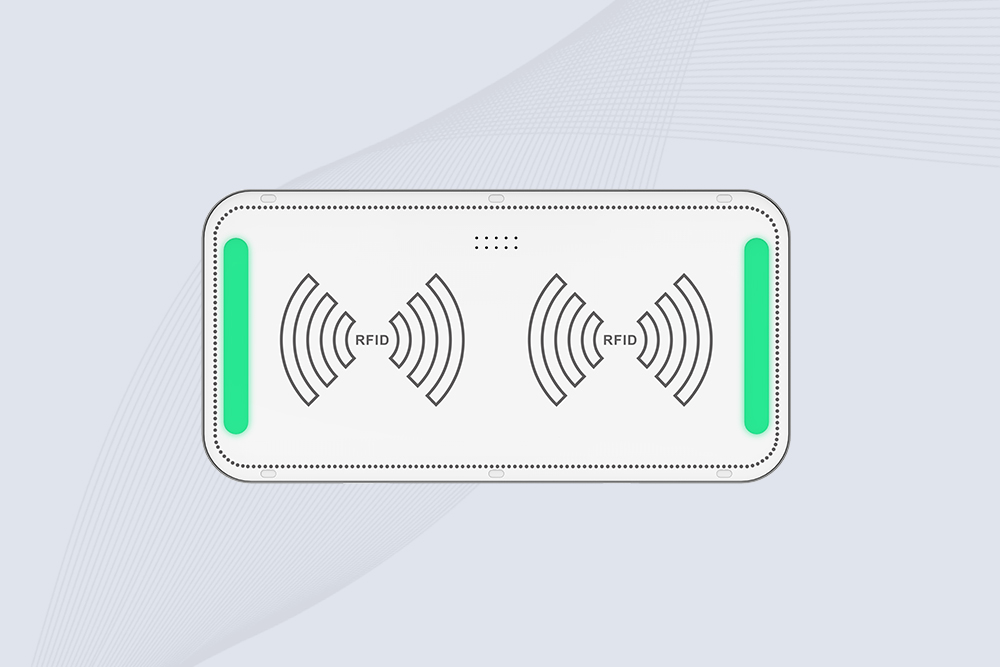
Cykeo CYKEO-T1A industrial ceiling RFID system offers 10-20m read range, 500+ tags/sec speed, and IP65 protection for smart warehousing. Supports multi-protocol integration and real-time inventory alerts.
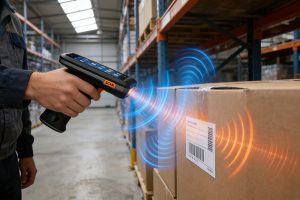
Wondering "how is RFID read"? Discover the step-by-step process from energizing tags to decoding data. Learn about anti-collision and memory banks with CYKEO.
More
A practical guide to RFID USB readers, focusing on real application scenarios, tag writing workflows, and how developers use USB RFID readers for testing, encoding, and system integration.
More
Wondering how many things can you hack with an RFID reader? The real answer: door badges, passports, credit cards, and more. We break down the risks and the reality.
More
Can phone read RFID card like hotel keys or access cards? We explain the compatibility, limitations, and professional solutions from CYKEO.
More