 Cykeo RFID IoT Solution Products R&D Manufacturer
How to Pair a UHF RFID Reader with Metal-Tag-Friendly Antennas
694Struggling with RFID reads on metal? Learn how to pair UHF readers with anti-metal antennas, fix signal issues, and test your setup in 4 practical steps.
MoreAll RFID Product
If you work in logistics, retail, or asset management long enough, this question eventually shows up:
Should we keep using barcode scanners, or switch to RFID readers?
On paper, RFID always looks like the obvious upgrade. Faster, automated, no line-of-sight required. But in reality, it’s not always that simple. I’ve seen companies spend money on RFID systems that were completely unnecessary—and others that saved huge amounts of labor after switching.
So the real question isn’t “Which technology is better?”
It’s “Which one actually fits the way your operation runs?”
Let’s walk through the differences from a practical point of view.

Barcode systems have been around for decades, and there’s a reason they’re still everywhere—from grocery stores to warehouses.
They’re simple.
A label gets printed.
A scanner reads it.
The system matches the code in a database.
That’s it.
But here’s the catch people often forget: barcode scanning is fundamentally a manual process.
Someone has to:
In small operations this is perfectly fine. In fact, it’s often the most practical solution. If a shop only scans a few hundred items per day, installing an RFID system would probably be overkill.
In other words, barcode technology isn’t outdated—it’s just designed for human-driven workflows.
RFID systems don’t rely on light or visual codes. Instead, they use radio signals to communicate with electronic tags attached to items.
That difference changes everything.
A typical RFID system includes three parts:
Inside the reader is the core component responsible for communication with tags, usually referred to as an RFID module.
Solutions built around Cykeo RFID modules are often used when manufacturers want to integrate RFID capability directly into their own hardware—things like smart cabinets, industrial kiosks, or automated sorting machines.
Instead of scanning items one by one, an RFID reader can detect multiple tags at the same time, sometimes dozens or even hundreds depending on the system design.
That’s where RFID starts to change operational efficiency.
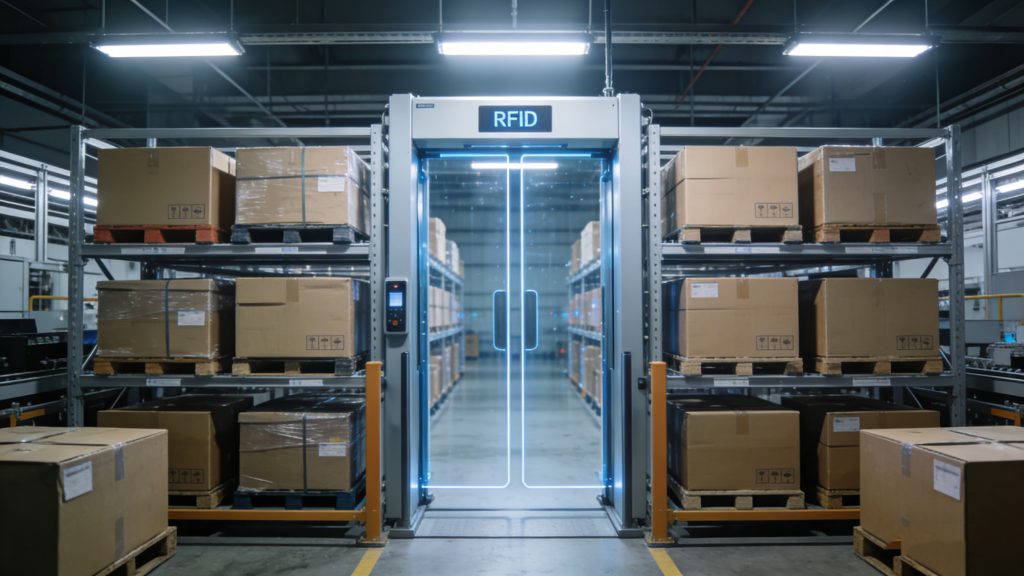
If you’ve ever worked in a warehouse, you already know the pain point with barcodes.
The label has to face the scanner.
If the label is covered by shrink wrap, facing the wrong direction, or scratched, the worker has to reposition the item.
RFID doesn’t have that limitation.
Tags can be detected:
This is one of the main reasons large distribution centers move toward RFID.
It removes a lot of the small manual steps that slow people down.
Barcode scanning works one item at a time.
There’s nothing wrong with that until volume increases.
Imagine counting inventory in a warehouse with 20,000 items.
With barcode scanners, workers physically scan each item. That takes time.
RFID systems, on the other hand, can read many tags in a single pass. Workers can walk through aisles with a reader or let items pass through a gate automatically.
In projects where embedded RFID modules are integrated into equipment, the entire process can run automatically without employees scanning anything at all.
That’s where RFID stops being a convenience and starts becoming a productivity tool.

People often focus on “faster scanning,” but the real advantage of RFID is automation.
Once RFID readers are integrated into systems, many processes happen automatically.
For example:
In these situations, RFID modules act as the RF communication core inside the equipment. They allow manufacturers to build identification capability directly into their machines.
Once installed, the system quietly runs in the background.
No scanning. No manual input.
Just data.
Let’s be honest—RFID systems are more expensive at the beginning.
Barcode systems usually require:
RFID systems require additional components:
However, cost comparisons can be misleading.
In environments with high labor costs or large inventory volumes, the time saved by automation can offset the investment fairly quickly.
I’ve seen warehouses reduce inventory counting time from days to hours after implementing RFID-based tracking.
But again—it depends on scale.
Despite all the advantages of RFID, there are many situations where barcode systems are still the smarter choice.
For example:
In these cases, the simplicity of barcode scanning is actually a benefit.
Not every problem needs a high-tech solution.
RFID tends to shine when operations become more complex or automated.
Typical examples include:
In these environments, RFID readers built with embedded modules allow equipment to automatically identify tagged items as they move through the system.
Once everything is configured properly, the system runs continuously with very little human involvement.
That’s the real advantage.

There’s a tendency to treat RFID as the “next generation” replacement for barcodes.
But in reality, many companies use both technologies together.
Barcodes handle simple manual processes.
RFID handles automated tracking and high-volume identification.
And that combination often works surprisingly well.
Before switching technologies, it’s worth stepping back and asking one simple question:
Where is the real bottleneck in your operation?
If scanning items manually is slowing everything down, RFID may be the answer.
If not, barcode scanners might still be doing the job perfectly fine.
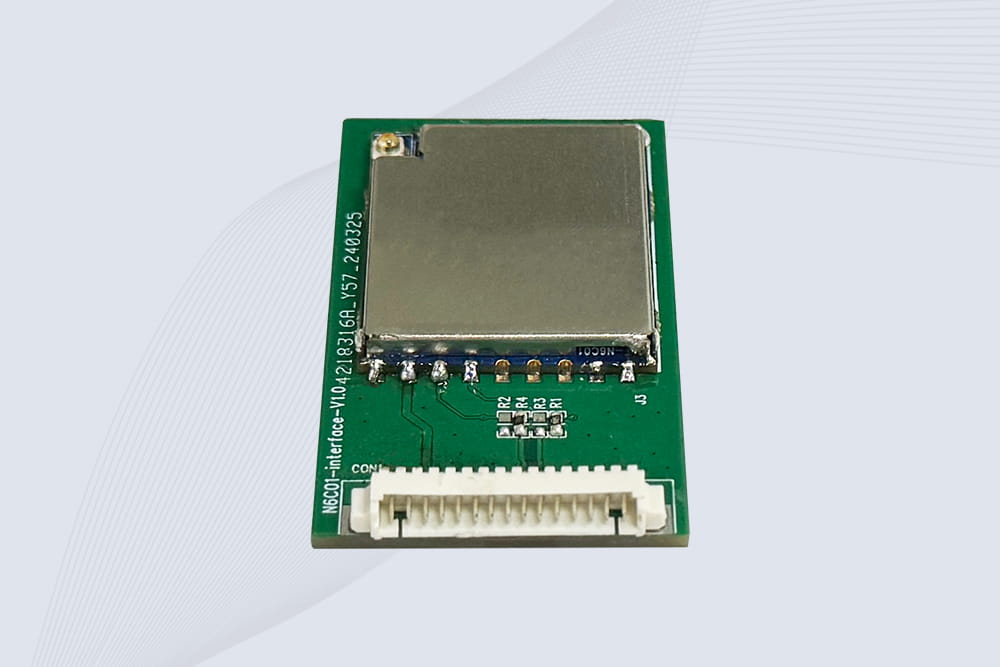
CYKEO Embedded RFID Modules are designed for compact industrial and IoT devices that require stable UHF performance. These UHF RFID Modules support global protocols, flexible power control, and reliable multi-tag reading for smart cabinets, production lines, and asset tracking systems.
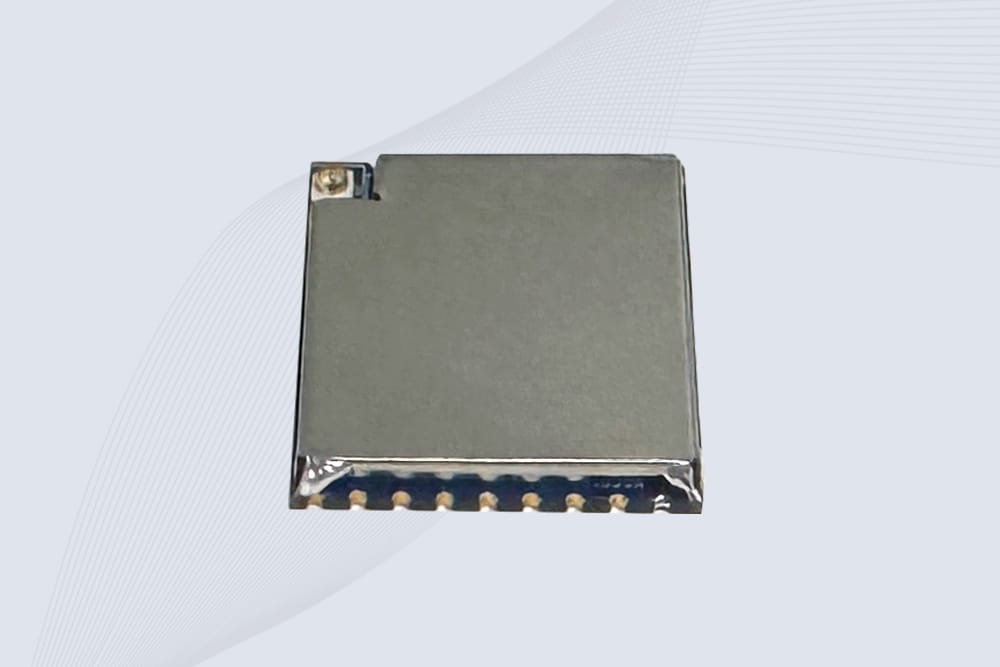
CYKEO Embedded RFID Module is built for compact IoT and industrial devices that need stable UHF performance. This UHF module supports global protocols, low power operation, and reliable multi-tag reading for smart lockers, production lines, and always-on RFID systems.
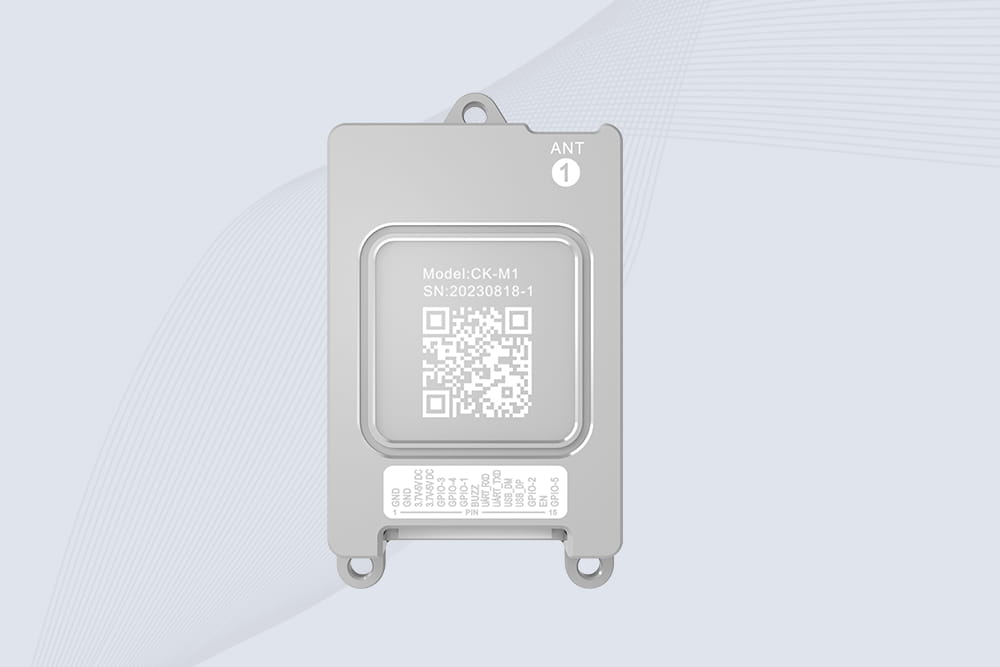
CYKEO CYKEO-M1 drone rfid module is a compact UHF RFID reader module designed for drones and UAV platforms. It supports long-range aerial scanning, fast multi-tag reading, and stable performance in wind, vibration, and outdoor environments.
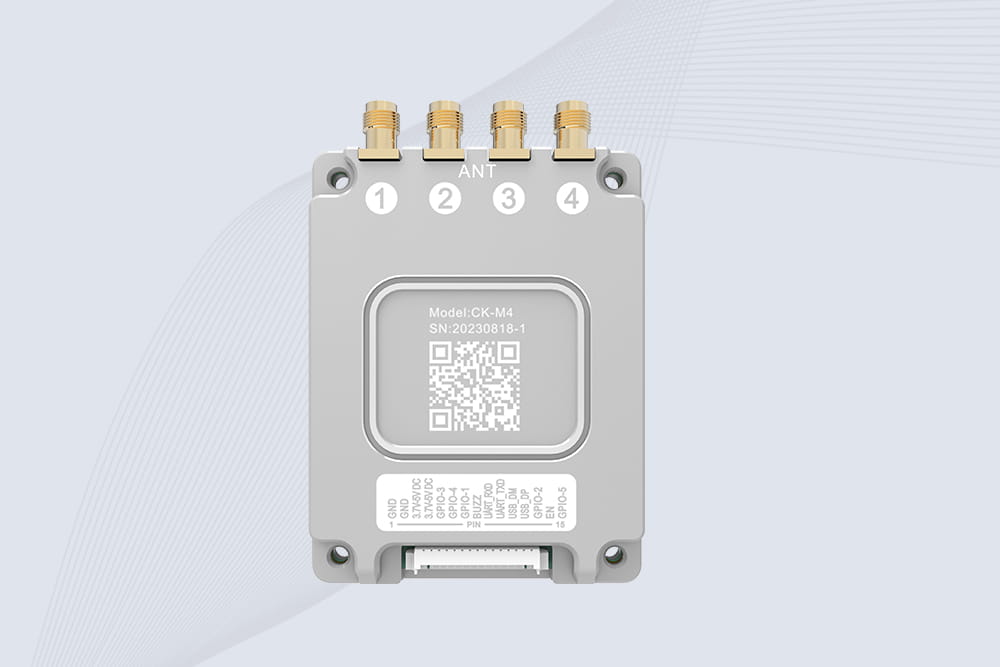
CYKEO CYKEO-M4 RC522 RFID Module is an industrial-grade UHF RFID reader with 4 ports, supporting ISO, EPC, and GB protocols. High-speed, accurate reading for IoT, automation, and warehouse applications.

Struggling with RFID reads on metal? Learn how to pair UHF readers with anti-metal antennas, fix signal issues, and test your setup in 4 practical steps.
More
Struggling with rfid reader distance measurement in real projects? Learn field-tested range methods, common mistakes, and CYKEO setup tips that improve reading accuracy.
More
Discover what RFID wireless theft really means. From card skimming to retail loss prevention, learn real-world risks, how criminals exploit RFID, and the best defenses to secure your data and assets.
More
Discover how RFID smart linen cabinets like Cykeo CK-G2224 help hospitals automate linen tracking, reduce waste, improve infection control, and save staff time.
More