 Cykeo RFID IoT Solution Products R&D Manufacturer








What Are the Practical Benefits of RFID in Supply Chain Management?
371Discover how RFID in supply chain management boosts visibility, reduces errors, and cuts costs. Practical implementation guide with Cykeo solutions.
MoreAll RFID Product
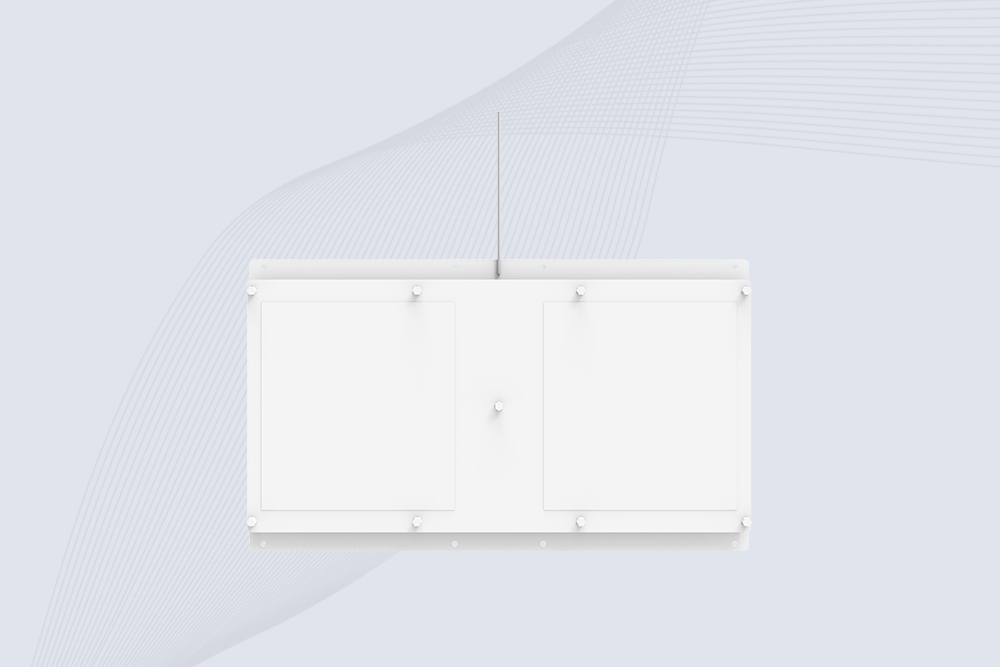
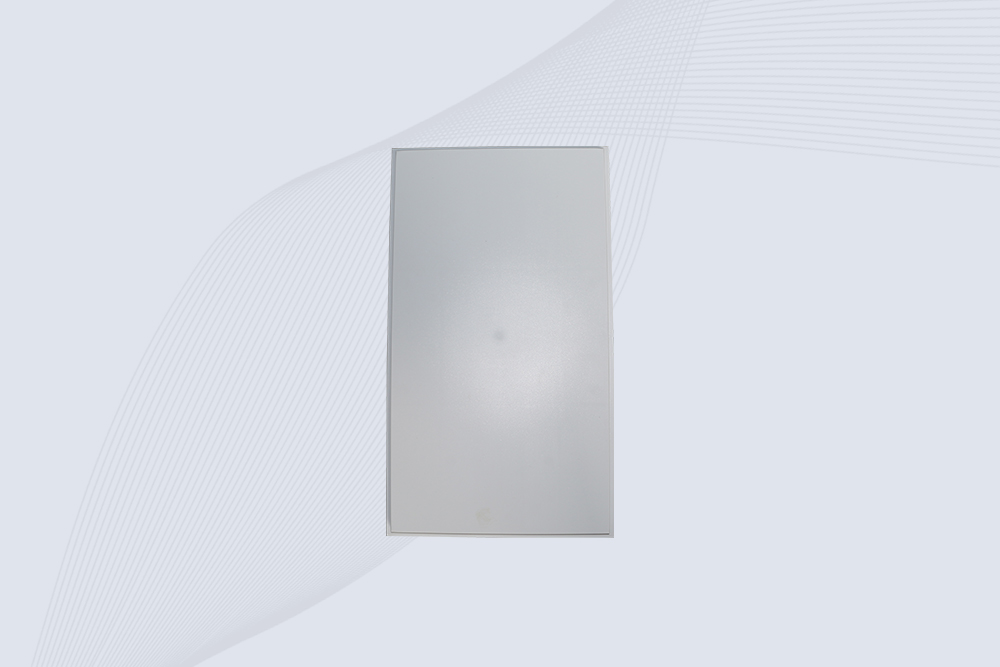
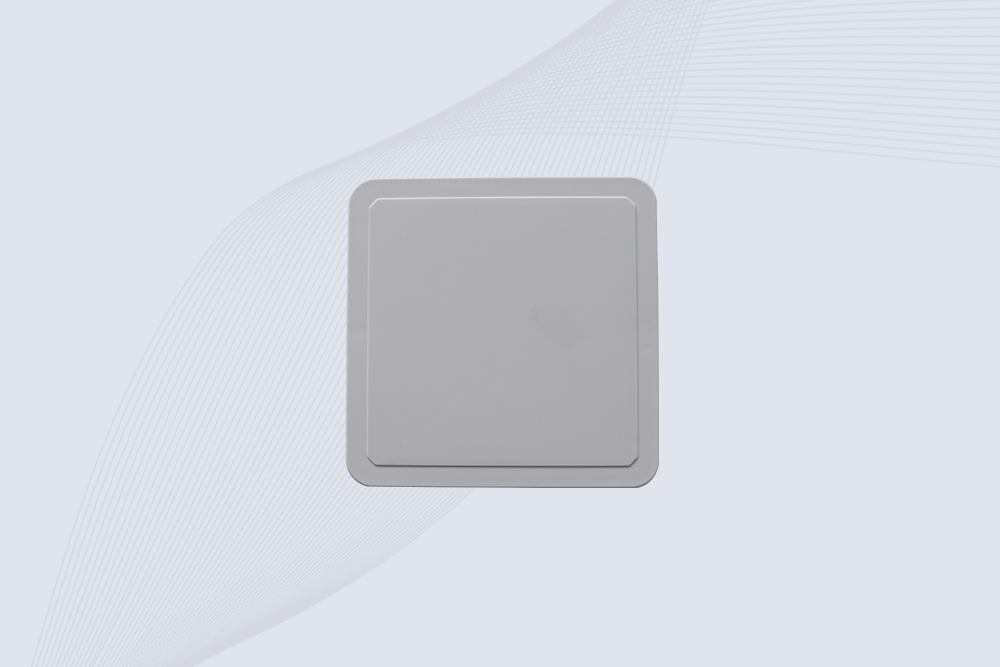
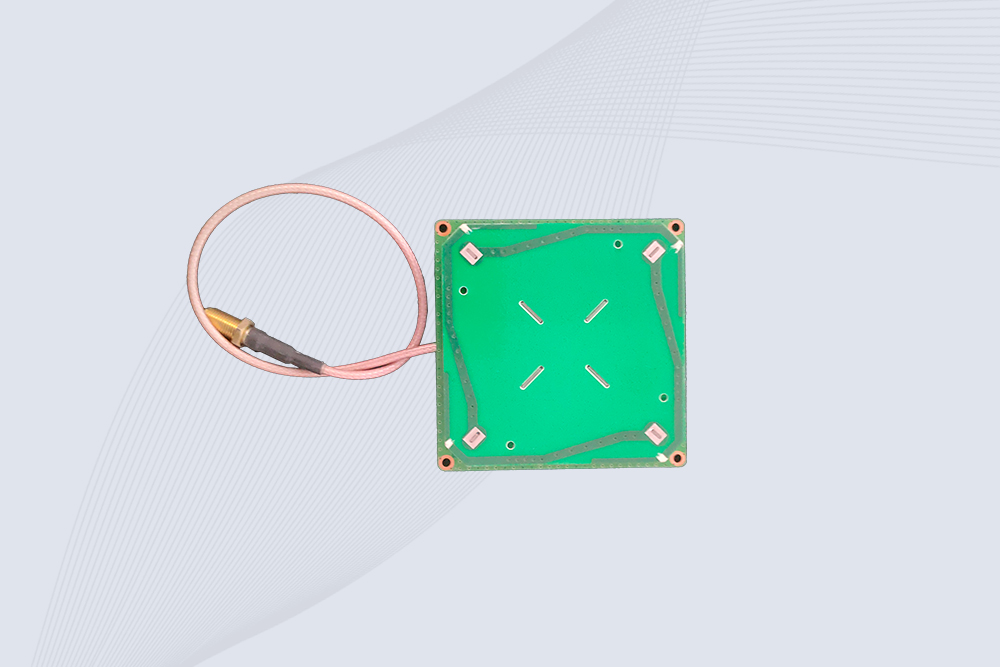
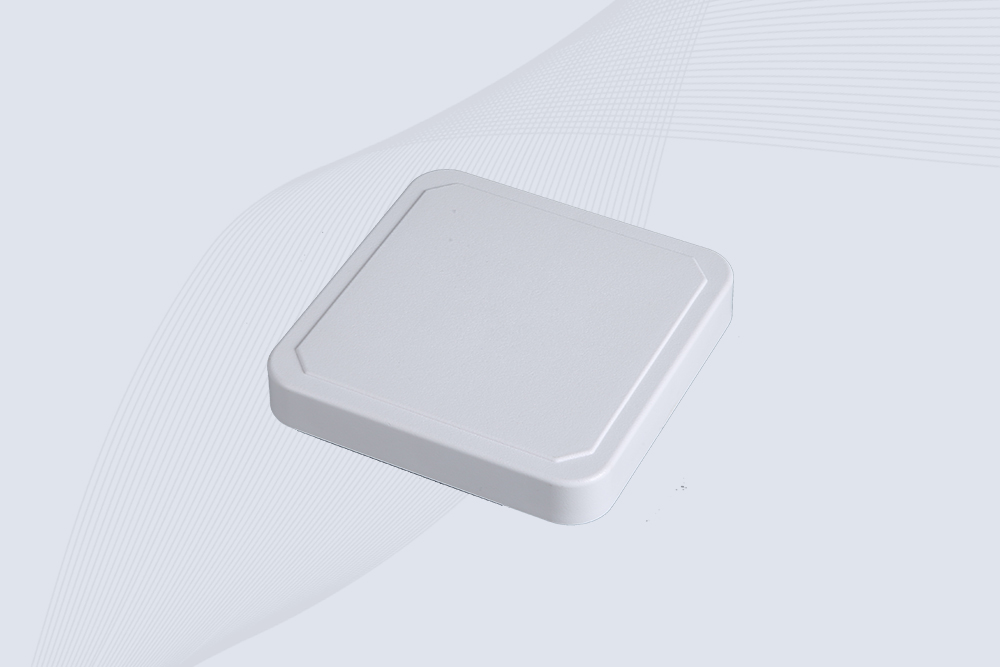
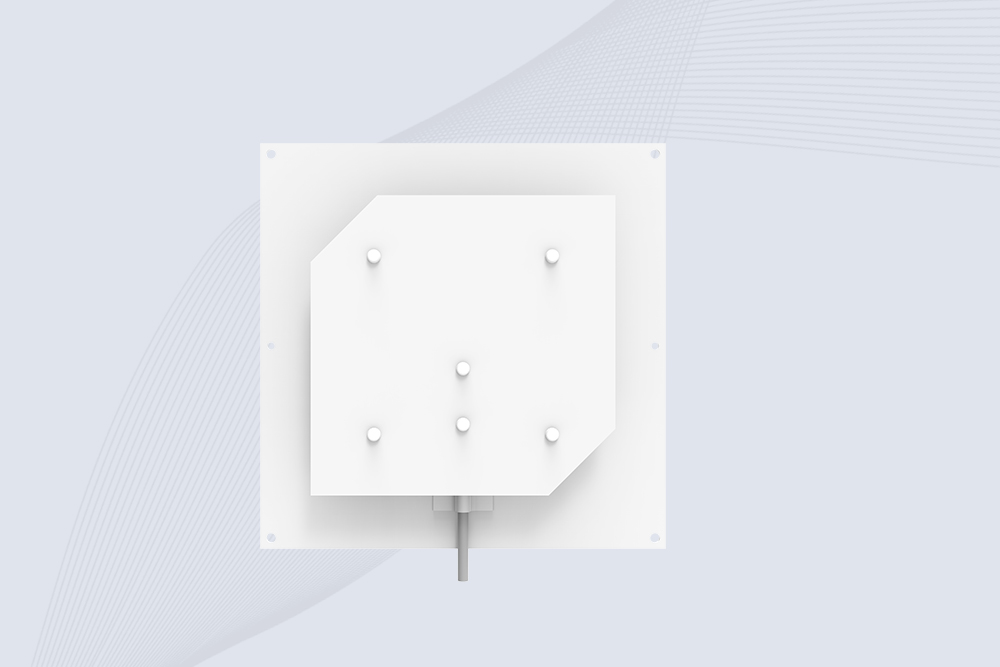
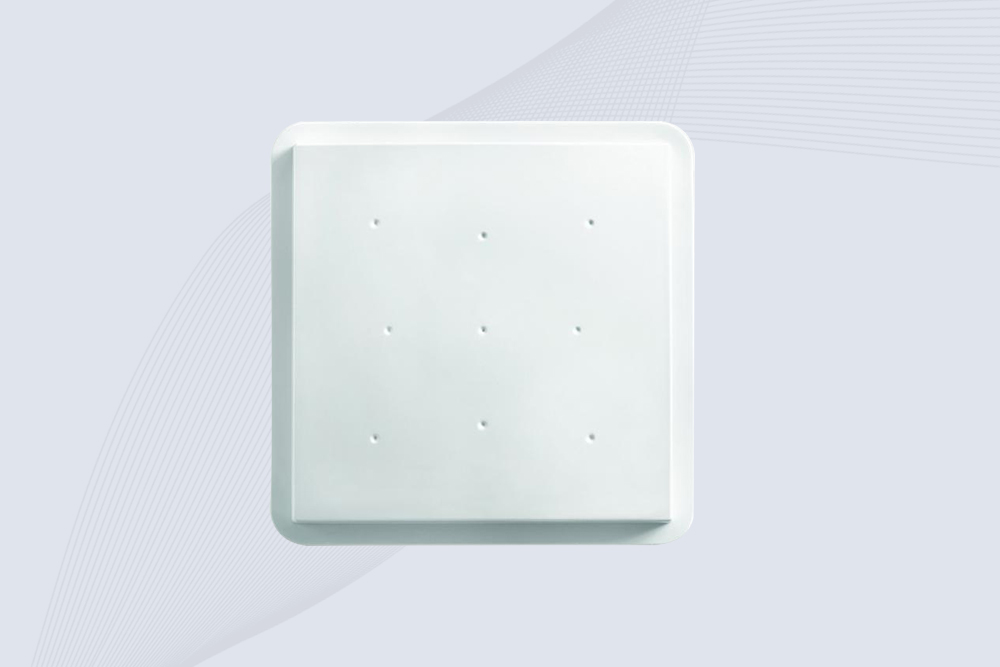
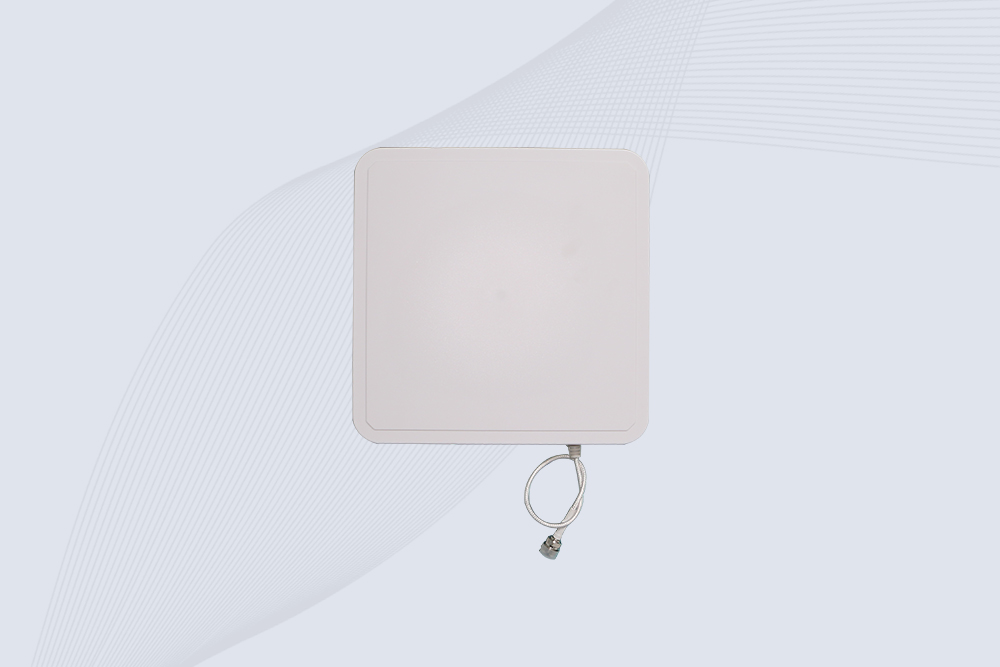
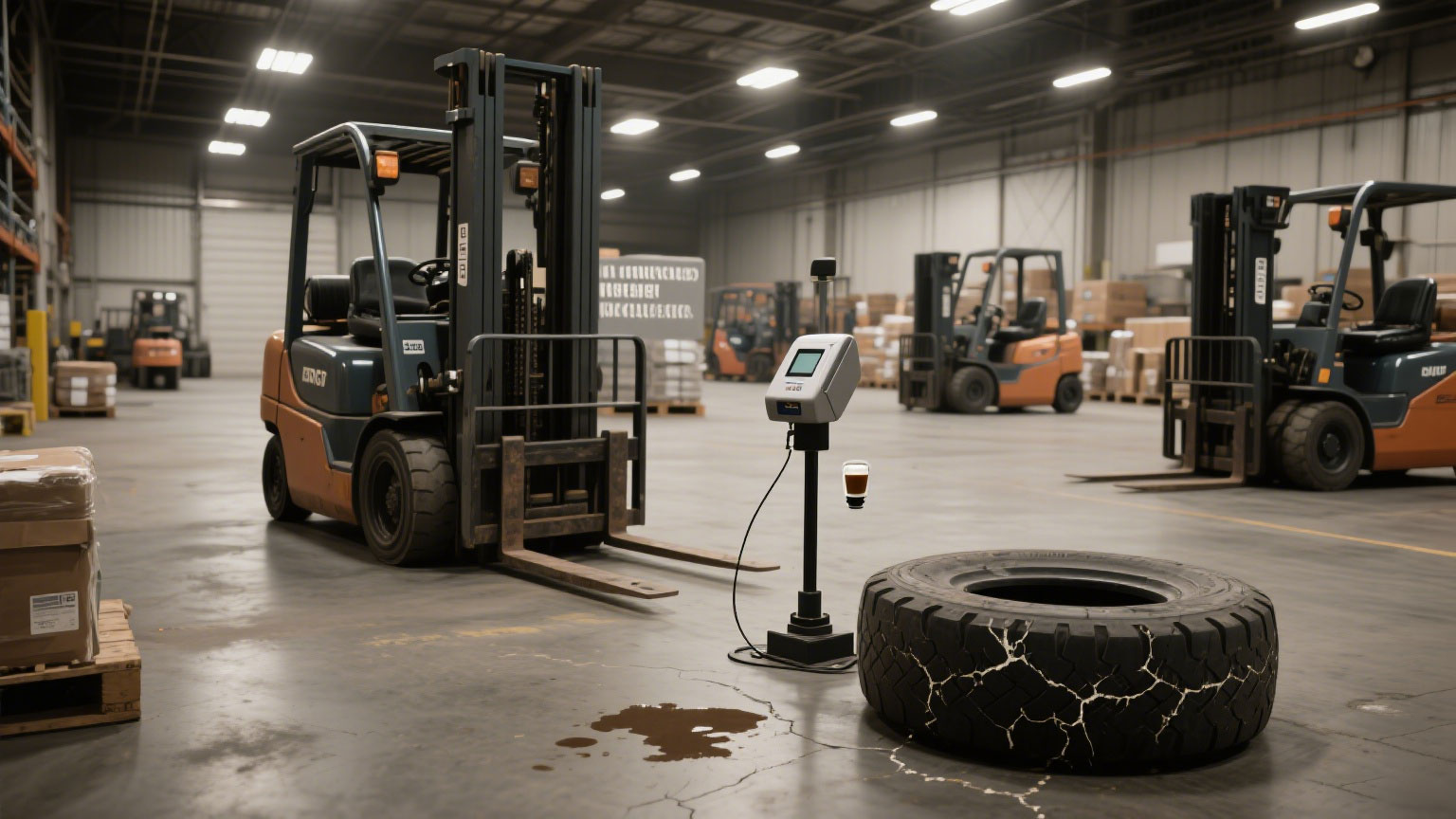
Let’s wreck your vendor’s spec sheet: That “30-foot range” antenna? It’ll struggle to read tags 6 feet away when metal shelves and forklift engines enter the picture. After frying three antennas last quarter, here’s what actually works.
The Dirty Secrets:
Real-World Performance Drop:
| Environment | Advertised Range | Actual Range |
|---|---|---|
| Empty conference room | 30 ft | 28 ft |
| Metal warehouse aisle | 30 ft | 4-8 ft |
| Loading dock (rain) | 30 ft | 2-3 ft |
Our “Professional” Setup:
What Actually Happened:
Cykeo‘s Brutally Simple Fix:

Reader Failure Signs:
Antenna Death Flags:
Cykeo‘s Battle-Ready Combo:
Still failed near the arc welder – but what doesn’t?
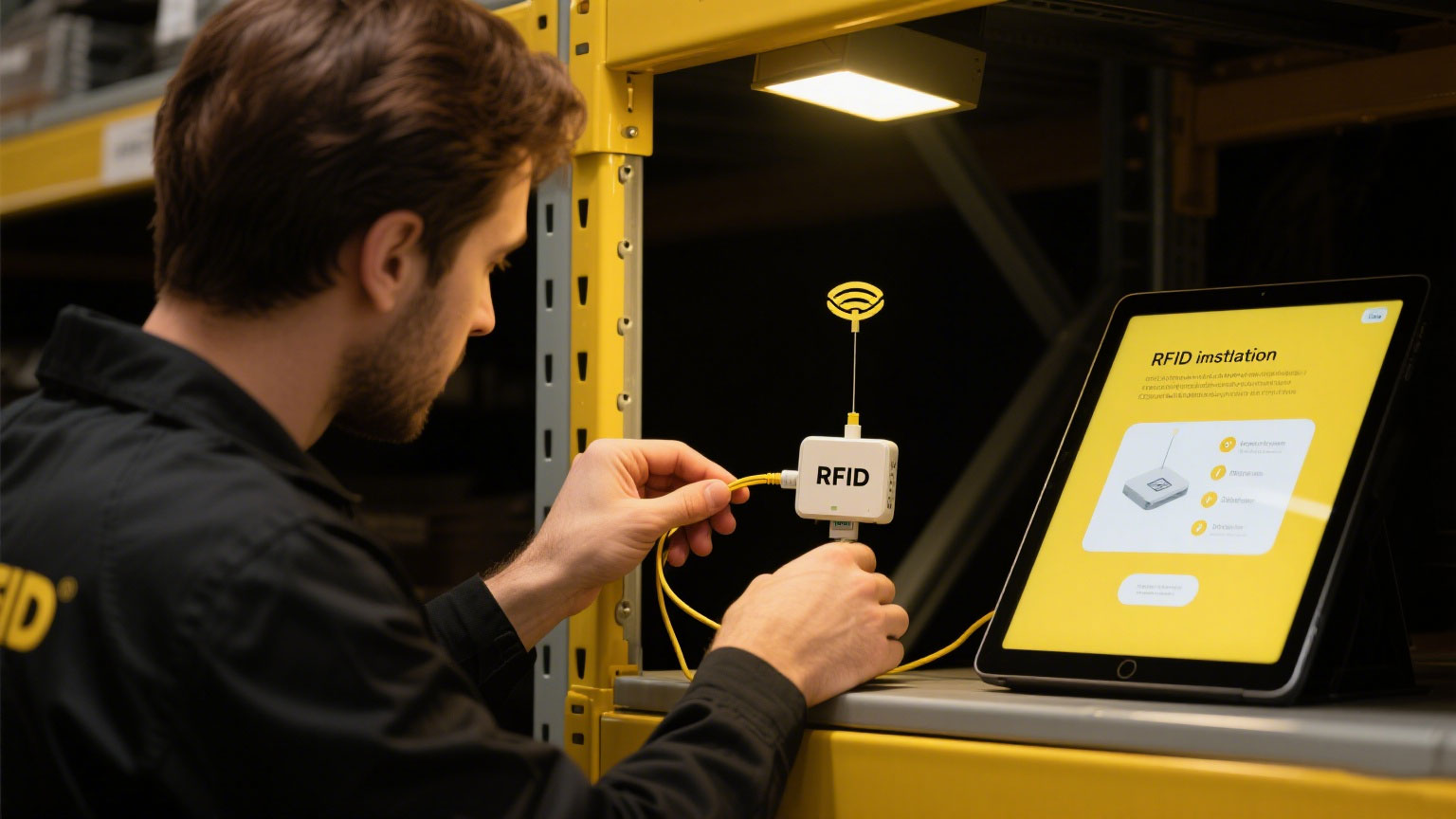
DIY Attempt Results:
When to Call Cykeo:
Cost Reality:
Professional install: $7k | DIY disaster: $3k + fines + downtime
RFID readers and antennas aren’t plug-and-play. That $300 AliExpress special will cost you $8k in lost time. Borrow Cykeo‘s site survey kit first – it shows dead zones before you waste cash. Or keep burning Mondays fixing phantom reads. Your choice.
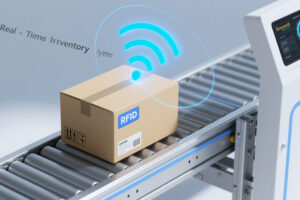
Discover how RFID in supply chain management boosts visibility, reduces errors, and cuts costs. Practical implementation guide with Cykeo solutions.
More
Discover how handheld RFID scanners reduce shipping mistakes, improve accuracy, and streamline logistics workflows. Learn best practices for implementation.
More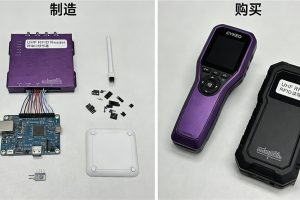
Explore how to build RFID reader for a prototype, and understand the challenges vs. buying a reliable, certified professional unit from CYKEO.
More
A practical buying guide for industrial RFID readers used in automation and logistics projects. Covers cost, reliability, long-range options, and procurement risks for large-scale deployments.
More