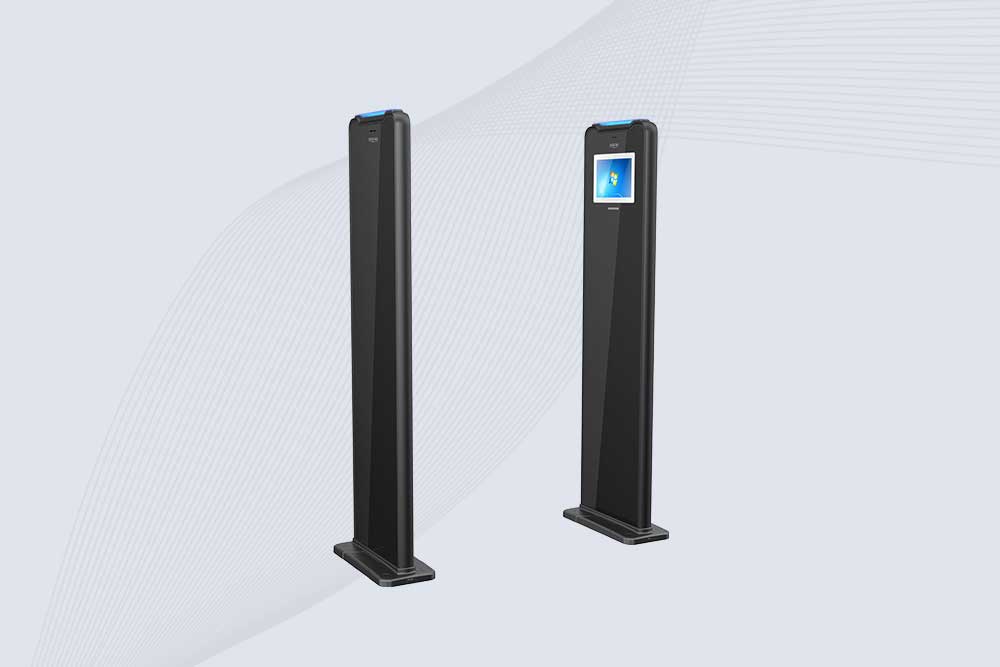
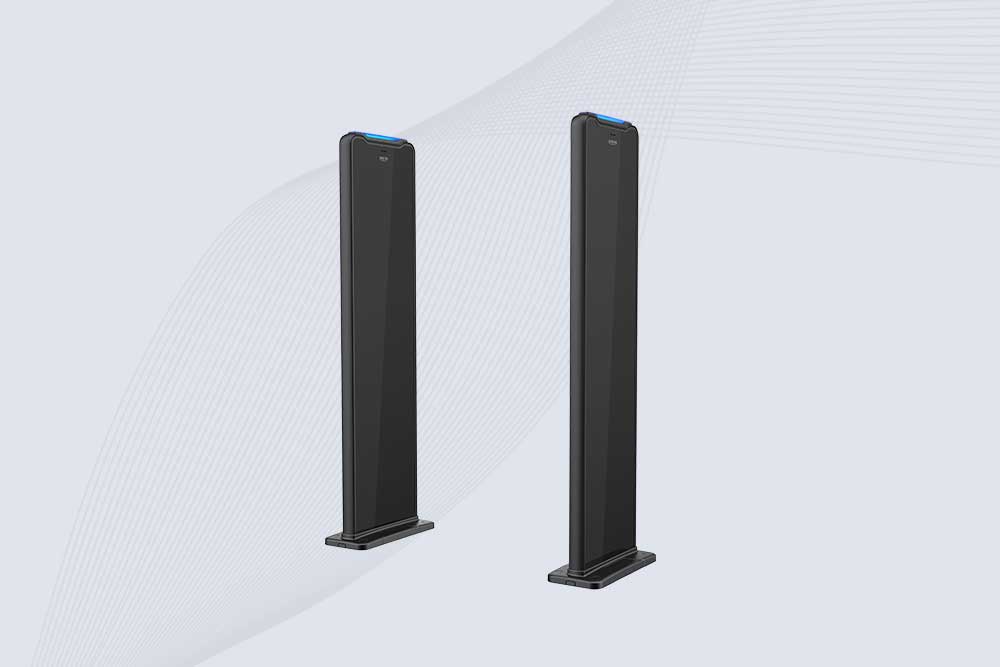
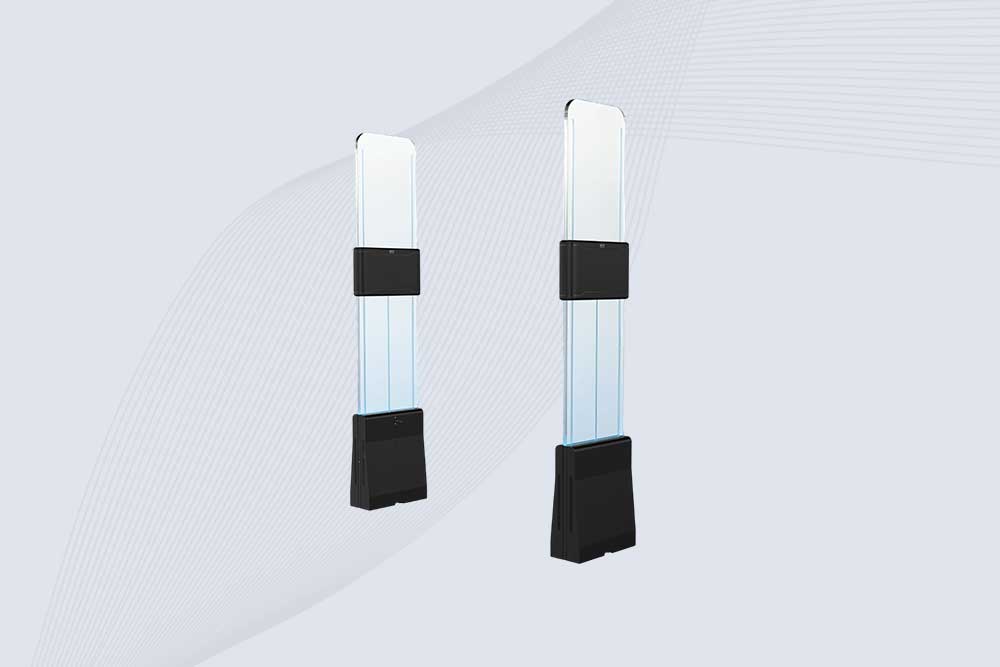
When you walk into many libraries, you may notice tall, glass-like pillars by the entrance. They’re not just decorative—they are RFID gates for library, designed to prevent items from leaving without being checked out. In the past, most people were familiar with magnetic strip systems, but with the rise of RFID technology, more libraries are moving in this direction.
From “Theft Prevention” to “Management”
Traditional security gates were built with a simple purpose: if a book wasn’t properly checked out, the gate would trigger an alarm. While this reduced the chance of loss, it often created uncomfortable situations. Many patrons have experienced that awkward moment of carrying a borrowed book past the gates, only to hear the alarm go off.
RFID changed the picture. Unlike magnetic strips, RFID tags can hold detailed information. When an alarm is triggered, staff can immediately see which item caused it, sometimes down to the title or barcode. This makes resolving incidents faster and also allows the system to integrate with self-checkout, inventory management, and other services.
Why Some Libraries Are Turning Away from Gates
Despite the advances, RFID gates aren’t without criticism. Library staff often mention high maintenance costs, frequent false alarms, and limited impact on actual theft. Perhaps more importantly, gates don’t always create a welcoming atmosphere.
Some libraries have chosen to switch them off—or remove them altogether. Surprisingly, they found that item loss did not increase significantly, while the environment became friendlier. Without the constant beeping and the feeling of being watched, libraries felt more open and accessible.
As one librarian put it: “After we removed the gates, moving book carts in and out became easier. For visitors, it sent a message that the library trusts them rather than suspects them.” That perspective resonated with many others in the profession.
More Than Just Security
This doesn’t mean RFID gates have no value. For busy libraries with large collections, they remain useful tools for maintaining order. In fact, their strongest benefit may not be theft prevention at all, but the extra data they provide—such as visitor counts, traffic analysis, and integration with monitoring systems.
In some cases, libraries keep the gates but turn off the alarms, using them purely for visitor statistics or collection management. In others, the gates are removed and the savings are redirected into services, programs, or space improvements.
Striking the Right Balance
When we talk about RFID gates for library, we’re really talking about more than a piece of hardware. It’s about how libraries balance safety with openness. Relying too heavily on gates risks making patrons feel distrusted; removing them entirely may worry administrators about losses.
The solution lies somewhere in between. For some libraries, that means continuing to use RFID gates but focusing on their management and data capabilities rather than alarms. For others, it means embracing an open-door policy and trusting their community.
Conclusion
RFID gates for library are no longer just security devices. They represent a choice about atmosphere, philosophy, and service strategy. As RFID systems continue to evolve, these gates may shift from being simple “alarm posts” to becoming true management tools. Ultimately, each library must decide what role they should play in shaping the experience of its visitors.

2026-09-07
SSD-T4A-P Smart access control with real-time crowd tracking ✔️ AI Tag Filtering for Reduced Misreads SSD-T4A-P supports AI-based tag filtering and up to 6 EPC filtering sets, helping reduce unwanted reads and improve identification accuracy in busy entrances, exits, and retail environments. ✔️ Fast In & Out Detection with Visual & Audio…
2026-09-03
SSD-T4A UHF RFID Gate Reader with 11 dBi antenna, up to 10 m reading distance, AI tag filtering, in/out detection, 300,000 data storage, and TCP/HTTP/MQTT support.
2026-09-01
SSD-T2D UHF RFID Gate Reader with 11dBi circular antenna, Impinj E710/X3M1 chipset, up to 10m reading distance, AI tag filtering, in/out detection, and audio-visual alarms.
2026-09-01
SSD-T1 ✔️ AI-Powered Tag Filtering SSD-T1 supports AI-based tag filtering with up to 6 EPC filtering sets, helping reduce unwanted tag reads and improve identification accuracy in busy retail and access-control environments. ✔️ Reliable In & Out Detection With a 7dBi antenna and a reading range of up to 2.5 meters, SSD-T1 can detect tagged i…
 Cykeo RFID IoT Solution Products R&D Manufacturer