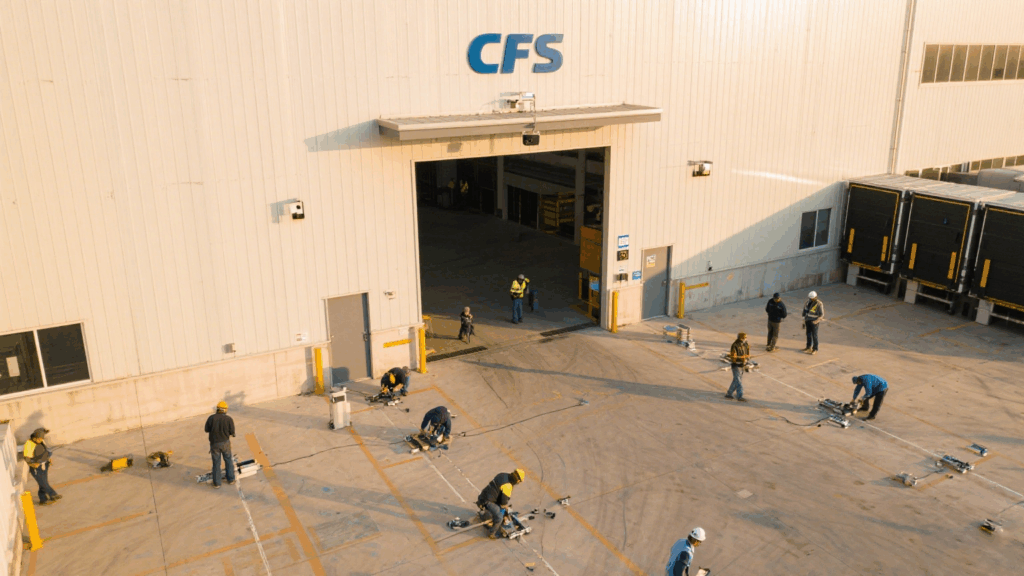
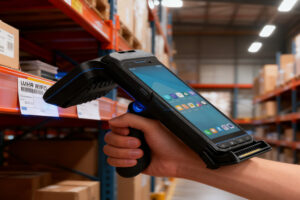
RFID CFS system integrates radio frequency identification (RFID) technology into the workflow of container freight stations (CFS). By attaching RFID tags to containers, pallets, or individual cargo items, and connecting them to readers and system platforms, companies can identify goods automatically, track their movement in real time, and achieve transparent cargo flow across operations.
Key Features and Benefits of RFID in CFS
RFID CFS systems offer the following key benefits:
Identify inbound and outbound cargo automatically, saving time on manual barcode scanning
Track cargo movement in real time to prevent misdelivery or missing items
Improve loading and handling efficiency by reducing manual tasks and human errors
Enable full transparency across cargo batches, origins, and destinations
Integrate seamlessly with ERP and WMS systems, ensuring unified and accurate data
How RFID CFS Optimizes Logistics Operations
In practice, companies implement RFID CFS solutions in the following scenarios:
Automatically record container data at warehouse entry
Detect cargo status during loading and unloading operations
Capture cargo details and driver information when trucks enter or exit CFS
Locate and retrieve items in temporary storage areas with ease
RFID deployment significantly reduces manual work and brings transparency and efficiency to every step of the logistics chain.
How to Deploy an Efficient RFID CFS System
A successful RFID CFS system includes:
RFID tags and readers: Choose between low-frequency, high-frequency, or UHF solutions based on cargo types and site conditions
Middleware and data transmission: Process and filter data before forwarding to backend
Management platform: Handle data visualization, alerts, inventory control, and system settings
System integration: Seamlessly connect with existing WMS or ERP platforms for full operational coordination
When deploying, companies should evaluate environmental factors like metal interference, electromagnetic signals, and optimal tag placement to ensure system stability.
Future Trends and Outlook for RFID CFS
Paragraph Keywords: Smart Logistics, Digital Supply Chain, Logistics Information Trends Image Title: Future Trends of RFID-Driven Smart CFS Transformation Image ALT & Description: Simulated view of a smart warehouse where RFID automates cargo operations
Looking ahead, RFID in CFS will evolve in the following ways:
Integrate with AI and big data to enable predictive scheduling and intelligent decision-making
Leverage 5G for faster and more reliable data transmission
Support green logistics by optimizing routing and reducing resource waste
Promote global logistics standardization, making cross-border CFS systems interoperable
As global trade becomes more digital, RFID CFS systems will play an increasingly vital role in modern logistics and supply chains.
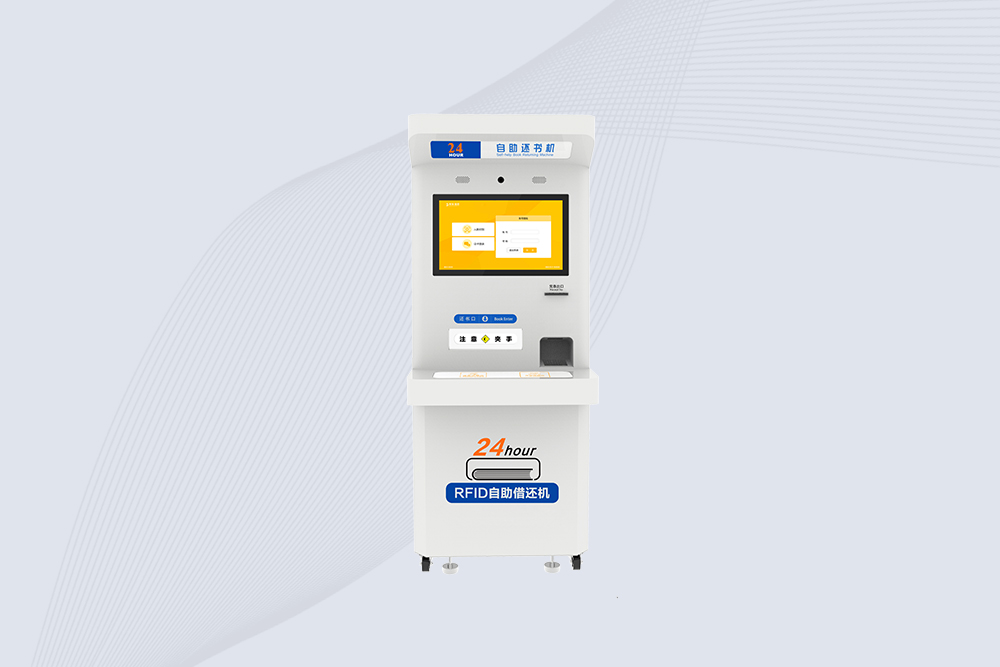
Cykeo’s CYKEO-DP10 library RFID Writer Reader terminal features HF/UHF dual-frequency, 10-channel scanning, automatic book sorting, and self-service payment. Ideal for 24/7 unmanned library operations.
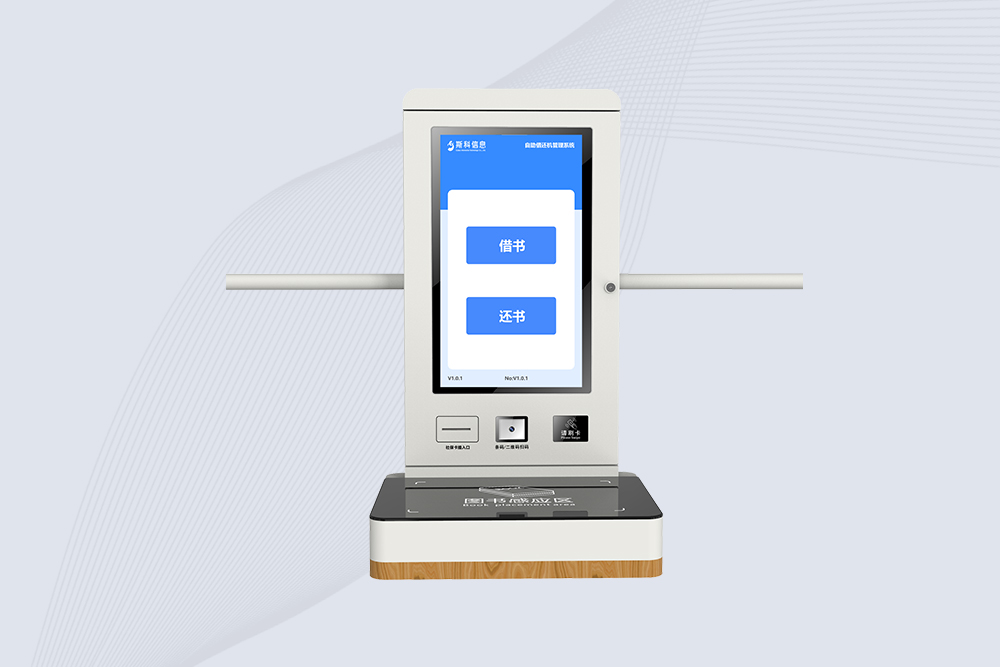
Cykeo’s CYKEO-DP4B RFID chip scanner kiosk offers 60+ tags/sec scanning, 21.5″ touchscreen, and wall-mounted design for libraries, warehouses, and retail. Supports ISO 18000-6C and customizable protocols.
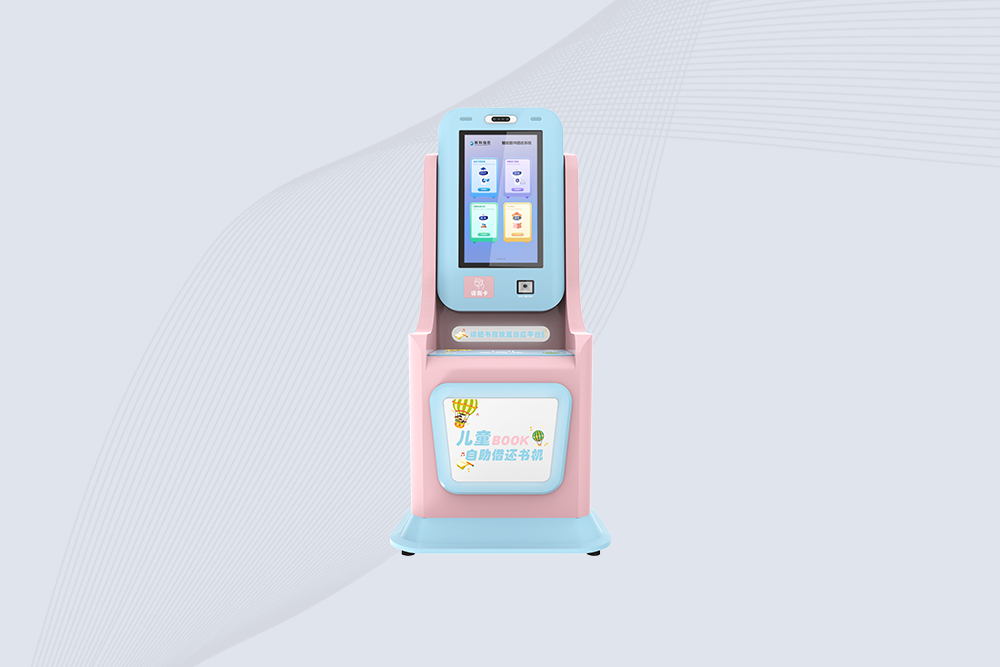
Cykeo CYKEO-DP5A passive RFID tag reader offers 10-tag/sec batch scanning, 840–960MHz frequency, and Windows/Android OS for libraries/archives. Features 4G/WiFi, self-service kiosk, and carbon steel housing.
Cykeo CYKEO-DP6 vertical RFID Card and Reader terminal combines HF/UHF technology, 22″ touchscreen, and Windows/Android OS for libraries, archives, and retail. Features multi-protocol support, rugged design, and global certifications.
A detailed look at the CK-M8 UHF RFID 8-port module, its features, real-world performance, specs, and how it compares to Impinj R2000-based modules. Suitable for warehouses, logistics, manufacturing, and retail tracking systems.
This article systematically introduces the application value of rfid stickers for inventory in stock management, covering common tag types, functional features, and applicable scenarios to help enterprises select suitable options and improve asset...
Learn how UHF RFID sled readers work, what to look for when selecting one, and how solution providers can choose the best model for logistics, warehousing, and asset management projects. A hands-on, experience-based guide — not marketing fluff.
 Cykeo RFID IoT Solution Products R&D Manufacturer