 Cykeo RFID IoT Solution Products R&D Manufacturer
RFID Controversy Explained,The Real Story Behind a Silent Technology
217Discover how RFID technology operates, its real-world advantages, and why it’s controversial. A practical look at privacy, risks, and responsible implementation.
MoreAll RFID Product
The first time I really paid attention to someone using an RFID bank card was at the Starbucks on 7th Street in Los Angeles.
The guy in front of me, wearing a Lakers jersey, hadn’t even put his cup down yet. With a quick flick of his wrist — tap! — payment completed. I froze for a second: did all that card data just get transmitted like that?
From a tech perspective, this is just normal contactless payment in action. The card has a built-in RFID chip and antenna, using Near Field Communication (NFC) to “talk” with the reader at short range. It’s fast, seamless, and doesn’t require swiping or inserting the card. You can think of it like an upgraded subway turnstile card — except instead of deducting a train fare, it’s pulling funds directly from your bank account.
But here’s the catch — at the subway gate, you watch your back for people crowding in. With your bank card, are you just letting it “tap” open for anyone?
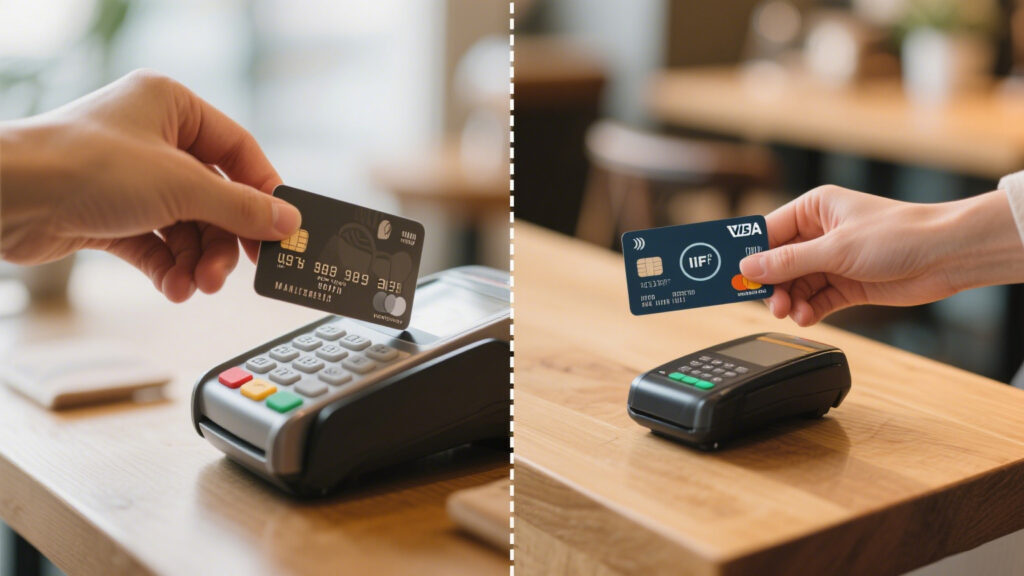
In theory, RFID credit cards from Visa, Mastercard, and others use encryption, anti-replay, and anti-counterfeit measures. But in reality, plenty of cards are still vulnerable to simple attacks.
Take the older MIFARE Classic chips — their keys have been cracked for years. Some banks’ older cards even send transaction data without encryption. If someone with a reader gets within 5–10 cm of you, they can skim enough card number data to enable online fraud.
Back in 2023, I tested this myself using a friend’s secondhand MSR98RF (supports 13.56 MHz) outside a convenience store in San Francisco — in less than a second, my screen popped up with the first 6 and last 4 digits of a card number. Sure, I couldn’t pull the CVV or PIN directly, but it’s more than enough to build certain phishing scams.
You might think RFID credit card attacks are reserved for movie hackers, but the tools are cheaper than you’d expect.
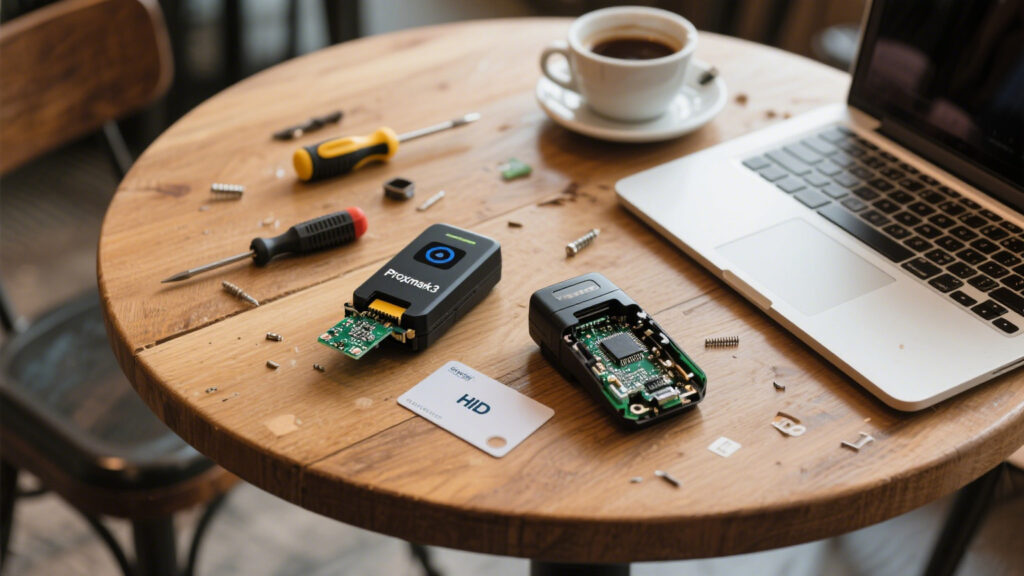
Most advice is passive — like buying an RFID-blocking wallet or metal card sleeve. In my experience, that only stops the most blatant, close-range attacks. Real security takes a combination approach:
On a side note, I once saw someone use a Proxmark to test a hotel keycard system — they ended up demonstrating how to unlock every door in the building. The owner’s face turned pale instantly. Sometimes, “exposing the flaw” is more effective than any security promise.

RFID is like an invisible glass wall: it seems to shield you from the elements, but one well-placed suction cup can shatter it.
I’m not here to bash RFID bank card readers — they truly revolutionize convenience. But remember, convenience and security are always in a tug-of-war. You have to decide whether you’re standing on the side of speed or the side of safety.
Next time you tap your card at a café, maybe pause and ask yourself: is there a silent card reader in the background, quietly listening to your “transaction story”?
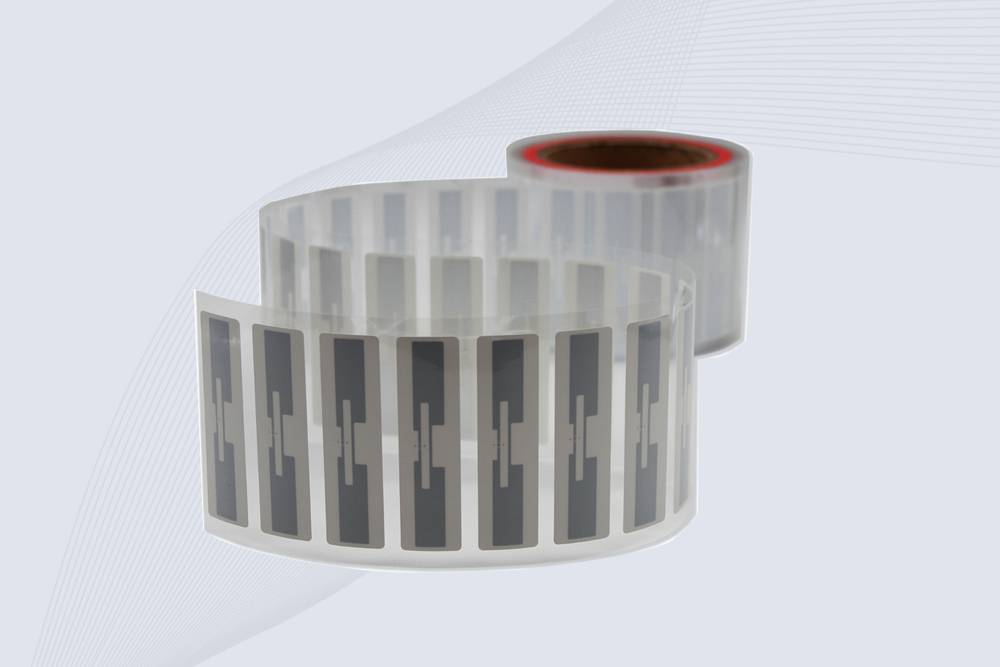
CYKEO Passive RFID Tags are made for wet and high-humidity environments where standard labels do not last. This rfid passive tag is often used around liquids, chemicals and temperature changes, providing stable reading distance and long data life for industrial tracking.
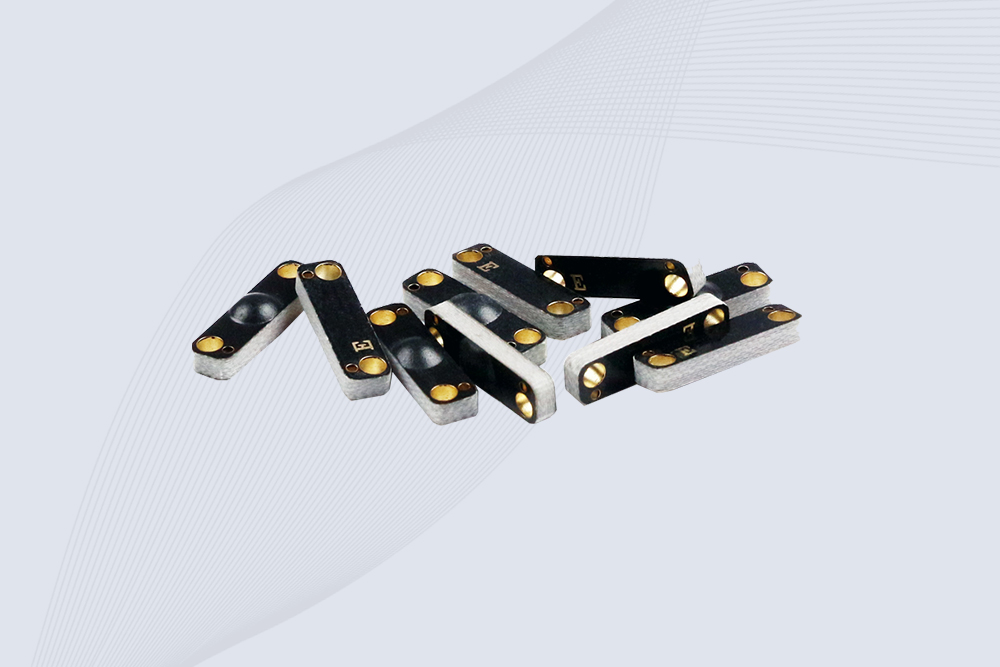
CYKEO CK-BQ1504 Metal RFID Tags is a compact anti-metal UHF RFID solution built for direct mounting on metal surfaces. With stable 8-meter read range, Ucode-8 chip, and long data retention, this rfid metal tag fits tools, containers, automotive parts, and industrial asset tracking.
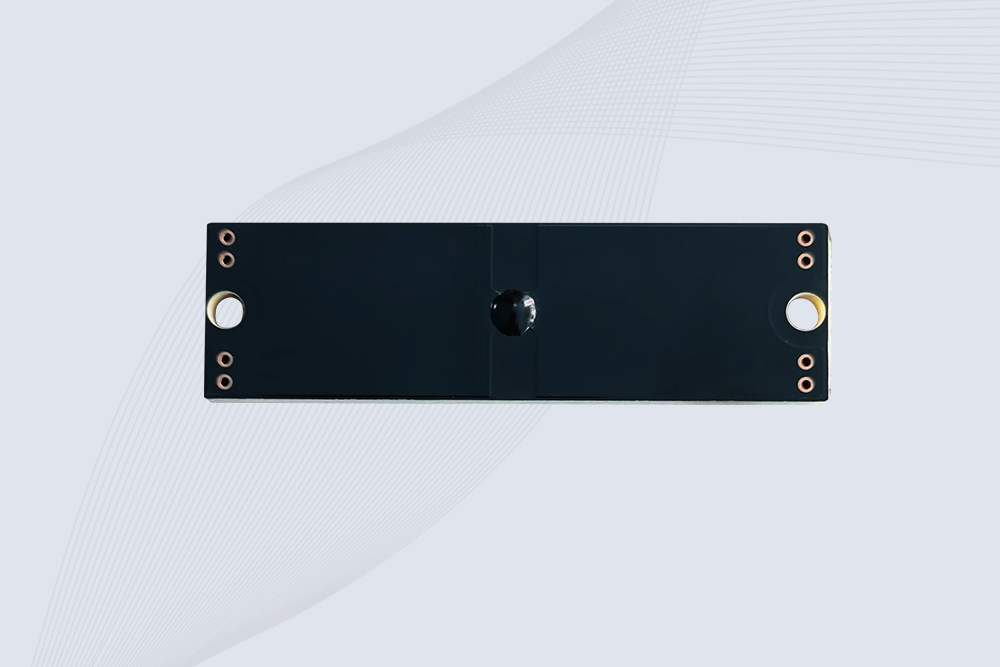
CYKEO CK-BQ7020 On-Metal RFID Tags are designed for reliable tracking on steel and metal surfaces. Built with an FR4 epoxy body and industrial-grade chips, these On-Metal RFID Tags deliver stable performance, long data life, and chemical resistance, making them a dependable RFID anti-metal tag for harsh environments.
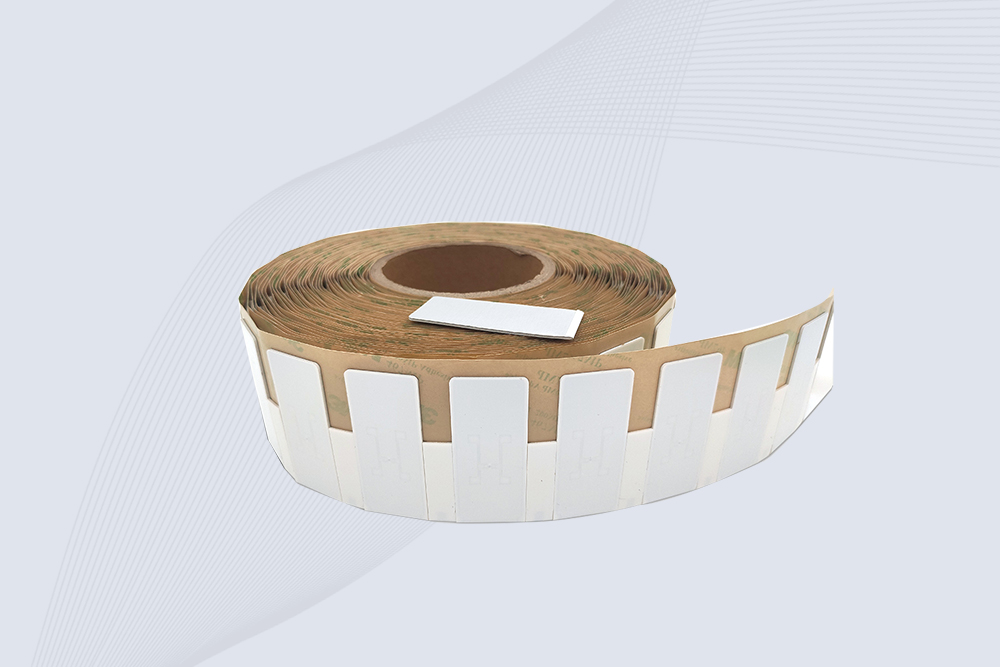
The CYKEO CK-BQ6025 Anti-Metal RFID Tag is built for metal surfaces where standard tags fail. Designed for long-range performance, harsh environments, and stable data retention, this Anti-Metal RFID Tag is ideal for industrial assets, containers, and equipment tracking using on metal RFID tags.

Discover how RFID technology operates, its real-world advantages, and why it’s controversial. A practical look at privacy, risks, and responsible implementation.
More
This article explores how RFID technology is used in asset management: the benefits, the common challenges, practical lessons learned from real-world projects, and strategies to improve success rates in different environments. Perfect for teams lo...
More
Explore how RFID tracking devices revolutionize asset management through automation, real-time visibility, and smarter operations across industries.
More
Trying to save costs? Discover why asking "can any antenna be used for RFID" is risky and learn the critical factors for RFID antenna compatibility and performance.
More