 Cykeo RFID IoT Solution Products R&D Manufacturer
How to Read Data from RFID Reader: A Developer’s Reality Check
2Wondering how to read data from RFID reader? This practical guide explains the steps from physical connection to code, covering network ports, SDKs, and data streams.
MoreAll RFID Product
The first time I realized the existence of an RFID bank card reader was in the New York subway. That day, I just gave a light tap at the gate, and it opened—much faster than fumbling for change. But a few weeks later in a small café in San Francisco, I saw a little box on the counter. The owner told me: “Just put your card on it. It works even offline, and will sync later.”
At that moment, I suddenly felt it—this technology had moved from tech showcases into everyday life. But at the same time, a question popped into my head: with such convenience, doesn’t it also make data leakage easier?
Payment convenience and security anxiety are like twin siblings constantly pulling in opposite directions. This article, centered on RFID bank card readers, blends my own experiences with practical insights to explore their strengths, limitations, and contradictions.
On the surface, most RFID bank card readers are just small boxes or embedded modules inside devices. But from an industry standpoint, they are built on a stack of EMV, NFC, and BLE technologies.
At farmer’s markets, street fairs, or temporary booths, merchants fear not the lack of customers but the moment their machine disconnects in front of a waiting line. Modern card readers have improved Bluetooth stability, avoiding the embarrassment of frequent pairing failures.
Many devices can continue processing transactions even without a network connection, storing them for up to a full day and syncing later when back online. This is critical for mobile vendors—I saw it firsthand at a flea market in the Bay Area, where the network was nearly dead, but sellers kept taking payments without issue.
Manufacturers often claim “20% longer battery life,” but in reality, if you’re swiping cards nonstop during an 8-hour expo, the reader will be near empty by 4 p.m. Compatibility with power banks isn’t always seamless either. These “small issues” can become real headaches in practice.
In campuses, factory cafeterias, and hospital lobbies, I’ve seen another type of RFID bank card reader—those built into vending machines or access gates.
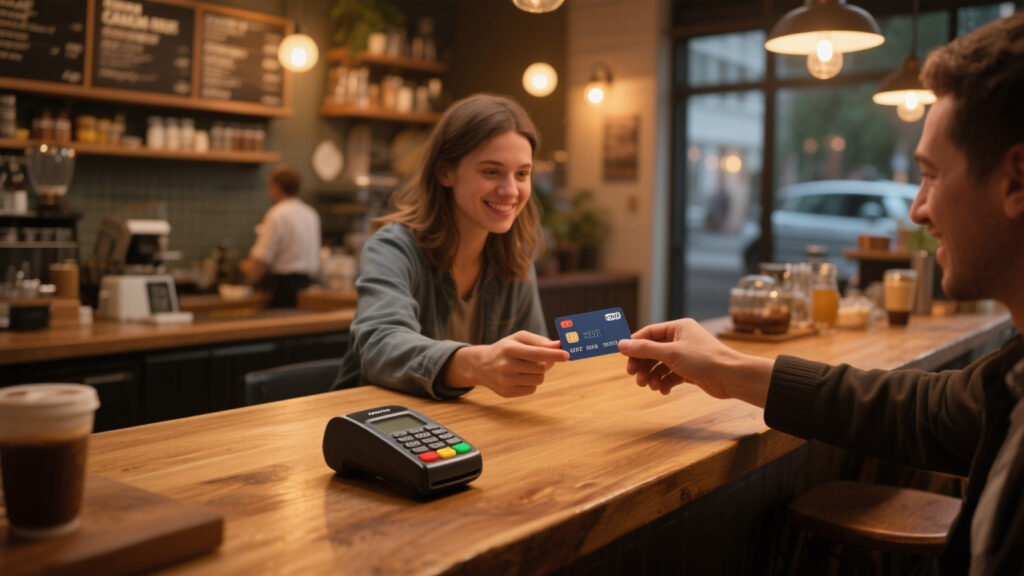
Some readers only accept local system RFID cards, like employee or student IDs. Others are more open, accepting bank cards and digital wallets.
These devices often connect via the USB CCID protocol, with firmware updates requiring a laptop—an old-fashioned process. Many rely on SIM networks to send transaction data back. With weak signals, machines easily lag—I once saw students tapping three times at a vending machine before it finally charged them.
The benefit is flexible installation, but the downside is high maintenance costs. As the industry saying goes: “Capex is light, Opex is heavy.” Buying the equipment is cheap; maintaining it burns cash.
When talking about RFID bank card readers, one topic is unavoidable: skimming.
Ads often claim criminals can secretly scan your bank card with hidden RFID readers. That’s why the market is flooded with RFID-blocking wallets and card sleeves.
But what’s the truth? Based on my research:
And yet, humans are contradictory creatures. Even after learning the risk was low, I still bought an “RFID-blocking” wallet. After using it, I realized the wallet was bulkier, yet cards still tapped fine. That “sense of security” was more psychological than technical. The fear of RFID theft is, more often than not, a marketing invention.
At a Las Vegas trade show, I once helped set up a mobile payment solution for a booth. On day one, everything worked fine. On day two, the device dropped its Bluetooth connection and refused to reconnect. Customers stood in front of the stall, muttering: “Is this contactless payment even safe?”
I had to switch to manual card entry—much slower. At that moment, I realized: the real risk of RFID bank card readers isn’t data theft but unreliable user experience.
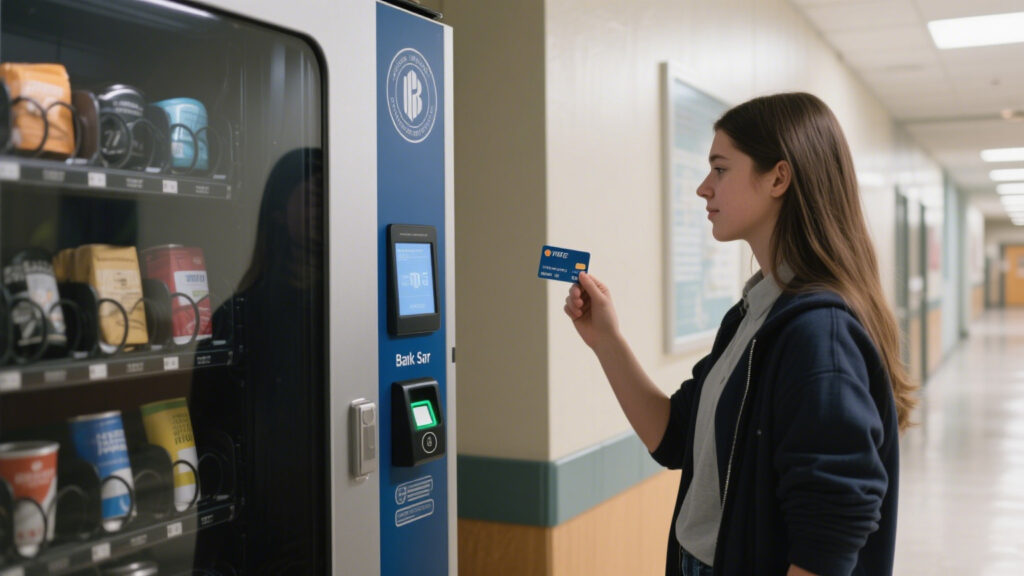
Description: university vending machine with RFID bank card reader
Another case: a campus vending machine. Students queued to buy drinks, tapping once, failing, tapping again, then angrily slapping the machine. Some gave up and shoved cash into it. Backend data showed a 7% transaction failure rate that day—a “gray number” no vendor’s brochure would ever highlight.
Looking back, I’ve come to see things more clearly:
The value of RFID bank card readers lies in efficiency. They make payments faster and smoother, especially for small merchants and temporary setups. But they are not magic shields for security. RFID-blocking wallets and fear of skimming are largely overblown.
What truly matters are network stability, battery endurance, and user experience. The biggest threat to payment tools is not the reader itself—but the unease in our minds.
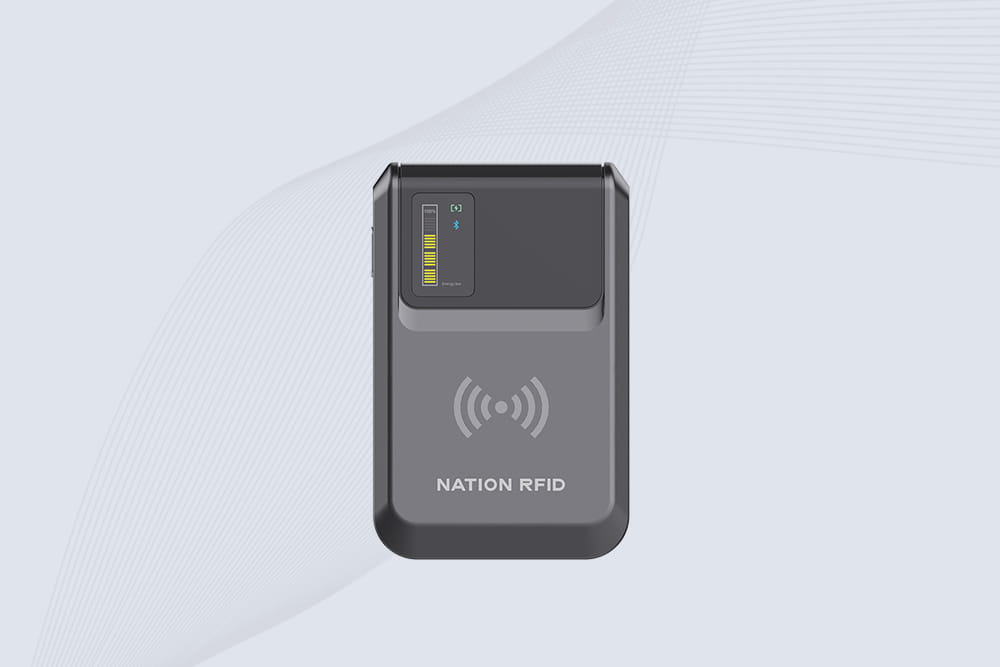
Cykeo CYKEO-B5L portable iPhone RFID reader features 8m range, 500 tags/sec scanning, and built-in 10000mAh charger. Perfect for retail/warehouse teams needing iOS integration.
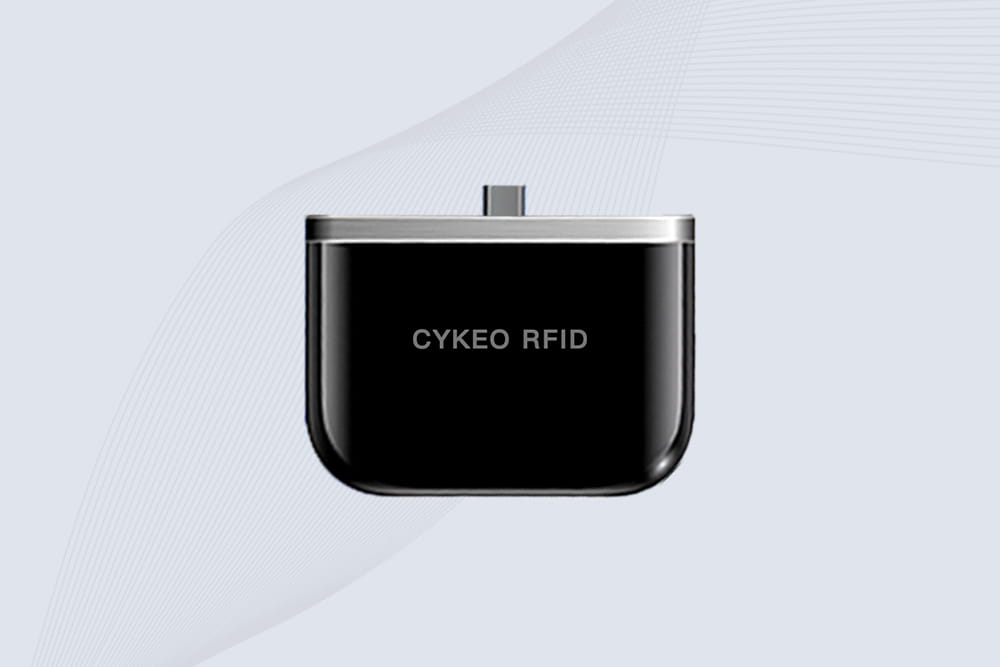
Cykeo CYKEO-B4L Android RFID reader features 37g magnetic phone attachment, 30cm UHF scanning, and Java/C# SDK for mobile asset tracking. Ideal for anti-counterfeit and warehouse verification.
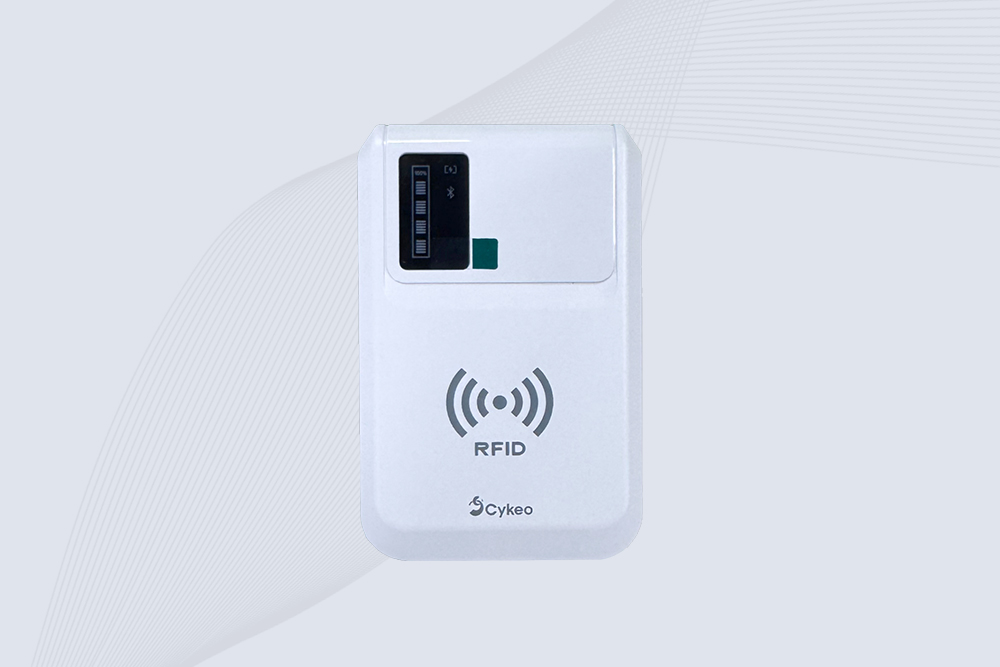
CYKEO CYKEO-B5L RFID Chip Reader iPhone delivers long-range UHF scanning, iOS compatibility, and all-day battery life. A compact RFID Tag Reader iPhone solution for retail, healthcare, and mobile inventory tracking.
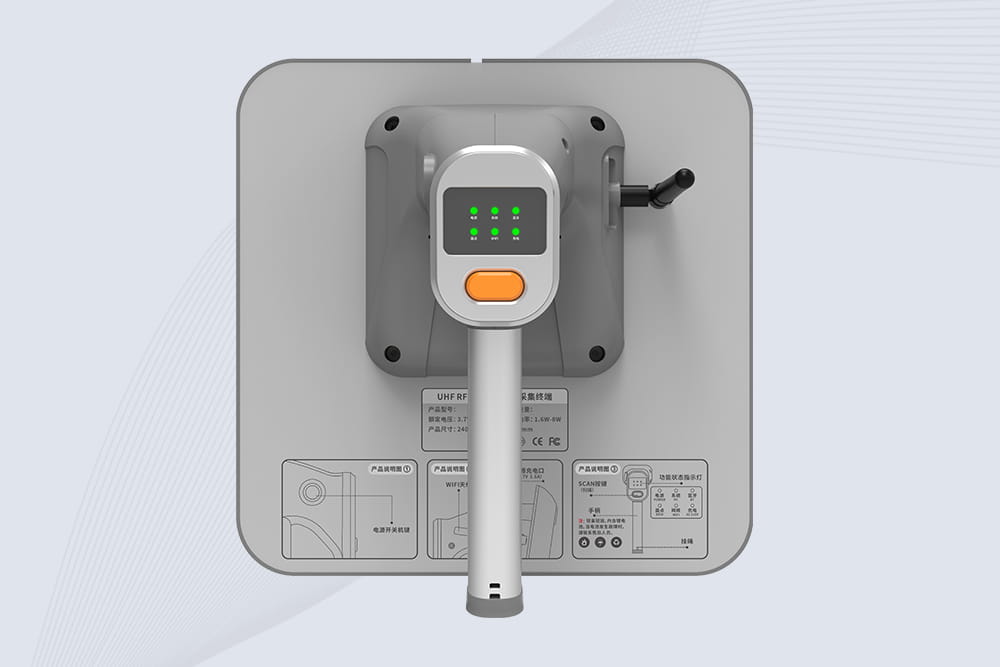
Cykeo CYKEO-B9 UHF Bluetooth handheld RFID scanner features 12m UHF range, 200+ tags/sec scanning, IP67 rugged design for retail/warehouse/pharma. Supports Android SDK & real-time Bluetooth 5.0 transmission.
Wondering how to read data from RFID reader? This practical guide explains the steps from physical connection to code, covering network ports, SDKs, and data streams.
More
Inventory management is a vital aspect of business operations. It directly impacts asset security, cost control, and operational efficiency. However, traditional inventory methods often rely on manual processes, which are not only ineffi...
More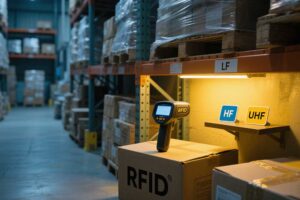
Discover whether handheld RFID scanners work with all tag types, including UHF, NFC, and passive tags. Learn about compatibility factors and how to choose the right scanner.
More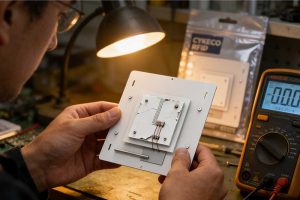
Trying to solder your way to more range? We explain why the method for how to extend RFID chip antenna is a full redesign, not a simple mod, and what really works.
More