When you’re actually building RFID systems—not just demoing them—you quickly realize that whether a tag is rewritable or not has a much bigger impact than most people expect. For RFID software solution providers and RFID developers, rewritable RFID tags aren’t a “nice-to-have.” They directly affect how flexible your system can be over time.
I’ve seen projects where everything worked fine at launch. Tags were readable, data flowed, the client was happy. Then a few months later, requirements changed—status updates, process flags, lifecycle tracking. That’s when the problem showed up: the tags couldn’t be rewritten. At that point, no amount of backend logic could fix the limitation at the tag level.
Rewritable RFID tags give your software room to breathe
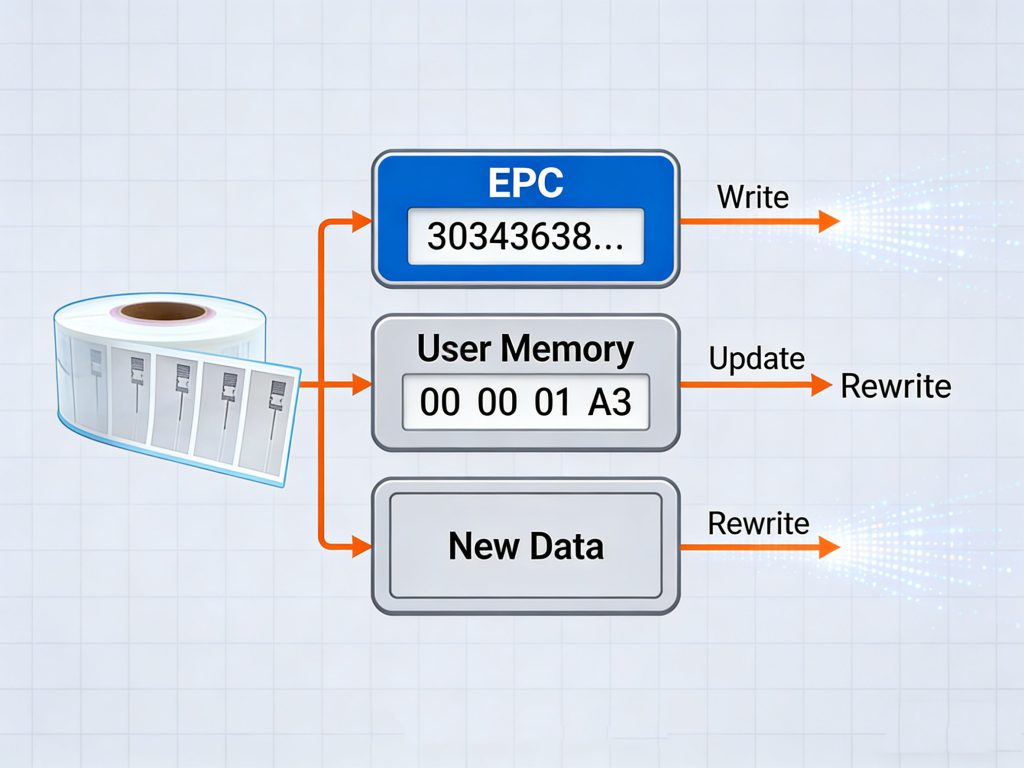
From a software perspective, the real value of rewritable RFID tags isn’t the hardware itself—it’s data lifecycle control.
In real-world systems, tag data is rarely static. We regularly need to update:
Asset status (in use, under maintenance, retired)
Process or workflow stages
Logistics or handover checkpoints
Internal system flags used by business logic
When tags support multiple write cycles, your software design becomes cleaner and far more resilient. That’s why many solution providers start tag selection by reviewing a full RFID tag product range and filtering for chips that support rewritable memory, appropriate user memory size, and stable reader compatibility—before locking down the data model.
Not all RFID tags are rewritable
This is one of the most common misunderstandings I see, especially early in projects.
Many people assume “RFID equals editable data.” In reality, some RFID tags are designed as one-time programmable (OTP). Once written and locked, the data cannot be changed. That may be fine for simple ID applications, but it becomes a hard limitation in dynamic systems.
If you want a clear technical breakdown of this, the articleCan all RFID tags be rewritten or reprogrammed? explains the differences very well. It’s the kind of resource I often share internally or with clients to align expectations before development starts.
Where rewritable RFID tags really make sense in software-driven systems
Based on real project experience, here are a few scenarios where rewritable RFID tags are practically mandatory.
1. Asset management platforms Assets change state over time. If tag data can’t evolve with the asset, your system ends up relying entirely on the database, and the RFID tag becomes little more than a static ID.
2. Manufacturing process tracking In production environments, tags often pass through multiple stations, each writing process data. This workflow breaks down immediately if the tag can’t be rewritten reliably.
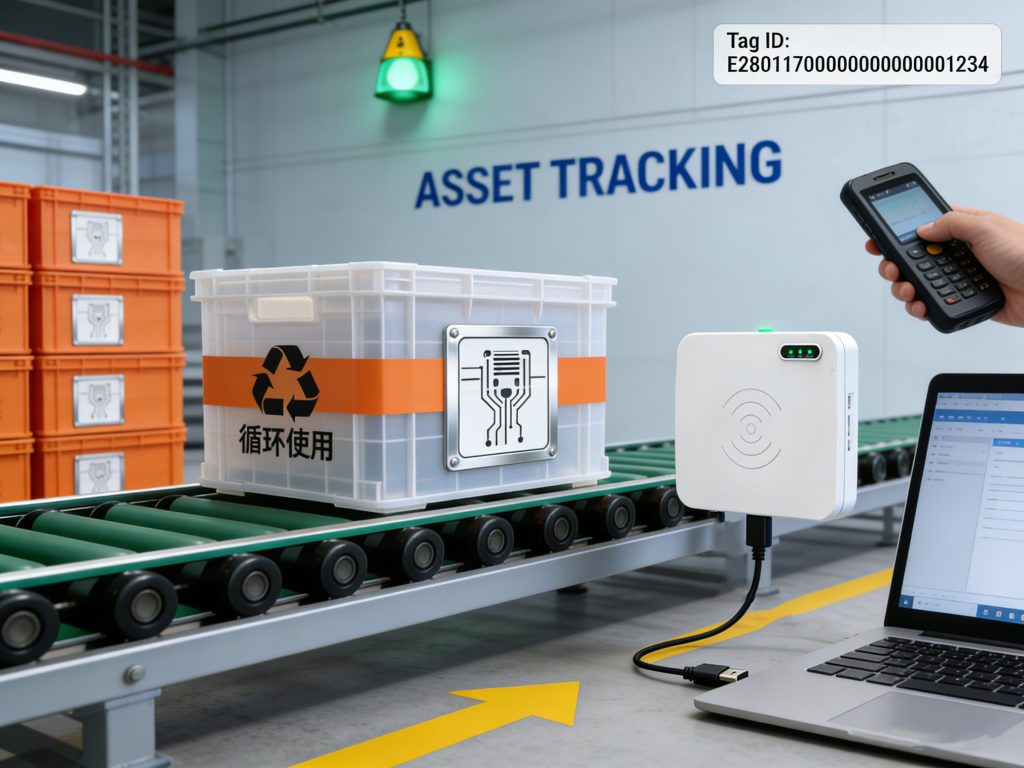
3. Reusable logistics containers and pallets For returnable assets, being able to clear and rewrite tag data is critical. Otherwise, tag reuse becomes risky and operationally expensive.
Practical advice for RFID software solution providers
If you’re designing RFID software or system architecture, my honest recommendation is this: decide on rewritable tag capability at the very beginning of the project.
Especially when:
The system is expected to run long-term
Business rules are likely to evolve
Tag data is tied to process logic, not just identification
In these cases, selecting suitable tags from a proven RFID tag portfolio first—and then designing your data structure around those capabilities—will save you from painful redesigns later.
One last developer-to-developer takeaway
For RFID developers, rewritable RFID tags aren’t just a hardware decision. They define how much freedom your software will have in the future.
If the tag is locked, your system is locked. Choosing correctly at the start gives your solution room to grow—without rewriting everything later.
Rewritable RFID Tags: Why They Matter More Than You Think for RFID Software Developers
When you’re actually building RFID systems—not just demoing them—you quickly realize that whether a tag is rewritable or not has a much bigger impact than most people expect. For RFID software solution providers and RFID developers,rewritable RFID tags aren’t a “nice-to-have.” They directly affect how flexible your system can be over time.
I’ve seen projects where everything worked fine at launch. Tags were readable, data flowed, the client was happy. Then a few months later, requirements changed—status updates, process flags, lifecycle tracking. That’s when the problem showed up: the tags couldn’t be rewritten. At that point, no amount of backend logic could fix the limitation at the tag level.
Rewritable RFID tags give your software room to breathe
From a software perspective, the real value of rewritable RFID tags isn’t the hardware itself—it’s data lifecycle control.
In real-world systems, tag data is rarely static. We regularly need to update:
Asset status (in use, under maintenance, retired)
Process or workflow stages
Logistics or handover checkpoints
Internal system flags used by business logic
When tags support multiple write cycles, your software design becomes cleaner and far more resilient. That’s why many solution providers start tag selection by reviewing a full RFID tag product range and filtering for chips that support rewritable memory, appropriate user memory size, and stable reader compatibility—before locking down the data model.
Not all RFID tags are rewritable (and this catches teams off guard)
This is one of the most common misunderstandings I see, especially early in projects.
Many people assume “RFID equals editable data.” In reality, some RFID tags are designed as one-time programmable (OTP). Once written and locked, the data cannot be changed. That may be fine for simple ID applications, but it becomes a hard limitation in dynamic systems.
If you want a clear technical breakdown of this, the article Can all RFID tags be rewritten or reprogrammed? explains the differences very well. It’s the kind of resource I often share internally or with clients to align expectations before development starts.
Where rewritable RFID tags really make sense in software-driven systems
Based on real project experience, here are a few scenarios where rewritable RFID tags are practically mandatory.
1. Asset management platforms Assets change state over time. If tag data can’t evolve with the asset, your system ends up relying entirely on the database, and the RFID tag becomes little more than a static ID.
2. Manufacturing process tracking In production environments, tags often pass through multiple stations, each writing process data. This workflow breaks down immediately if the tag can’t be rewritten reliably.
3. Reusable logistics containers and pallets For returnable assets, being able to clear and rewrite tag data is critical. Otherwise, tag reuse becomes risky and operationally expensive.
Practical advice for RFID software solution providers
If you’re designing RFID software or system architecture, my honest recommendation is this: decide on rewritable tag capability at the very beginning of the project.
Especially when:
The system is expected to run long-term
Business rules are likely to evolve
Tag data is tied to process logic, not just identification
In these cases, selecting suitable tags from a proven RFID tag portfolio first—and then designing your data structure around those capabilities—will save you from painful redesigns later.
One last developer-to-developer takeaway
For RFID developers, rewritable RFID tags aren’t just a hardware decision. They define how much freedom your software will have in the future.
If the tag is locked, your system is locked. Choosing correctly at the start gives your solution room to grow—without rewriting everything later.
CYKEO Passive RFID Tags are made for wet and high-humidity environments where standard labels do not last. This rfid passive tag is often used around liquids, chemicals and temperature changes, providing stable reading distance and long data life for industrial tracking.
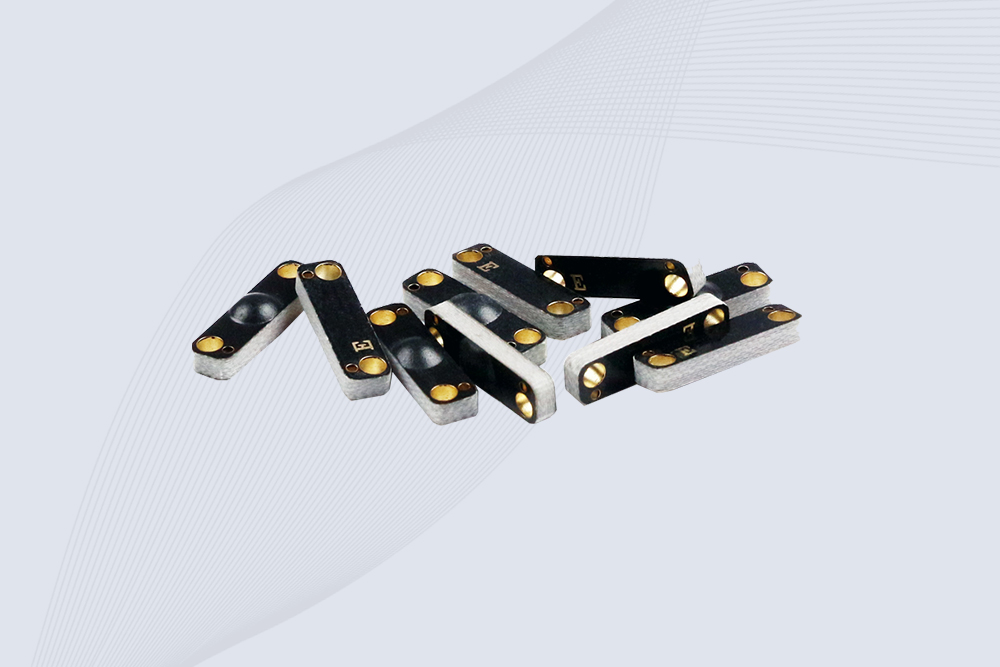
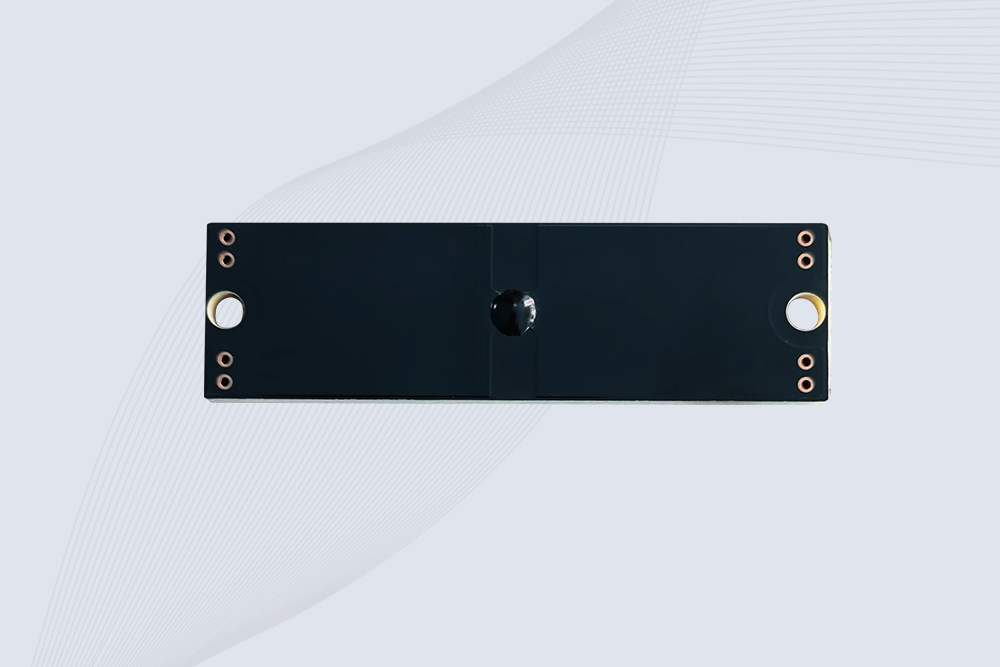
CYKEO CYKEO-PCB1504 Metal RFID Tags is a compact anti-metal UHF RFID solution built for direct mounting on metal surfaces. With stable 8-meter read range, Ucode-8 chip, and long data retention, this rfid metal tag fits tools, containers, automotive parts, and industrial asset tracking.
CYKEO CYKEO-PCB7020 On-Metal RFID Tags are designed for reliable tracking on steel and metal surfaces. Built with an FR4 epoxy body and industrial-grade chips, these On-Metal RFID Tags deliver stable performance, long data life, and chemical resistance, making them a dependable RFID anti-metal tag for harsh environments.
The CYKEO CYKEO-60-25 Anti-Metal RFID Tag is built for metal surfaces where standard tags fail. Designed for long-range performance, harsh environments, and stable data retention, this Anti-Metal RFID Tag is ideal for industrial assets, containers, and equipment tracking using on metal RFID tags.
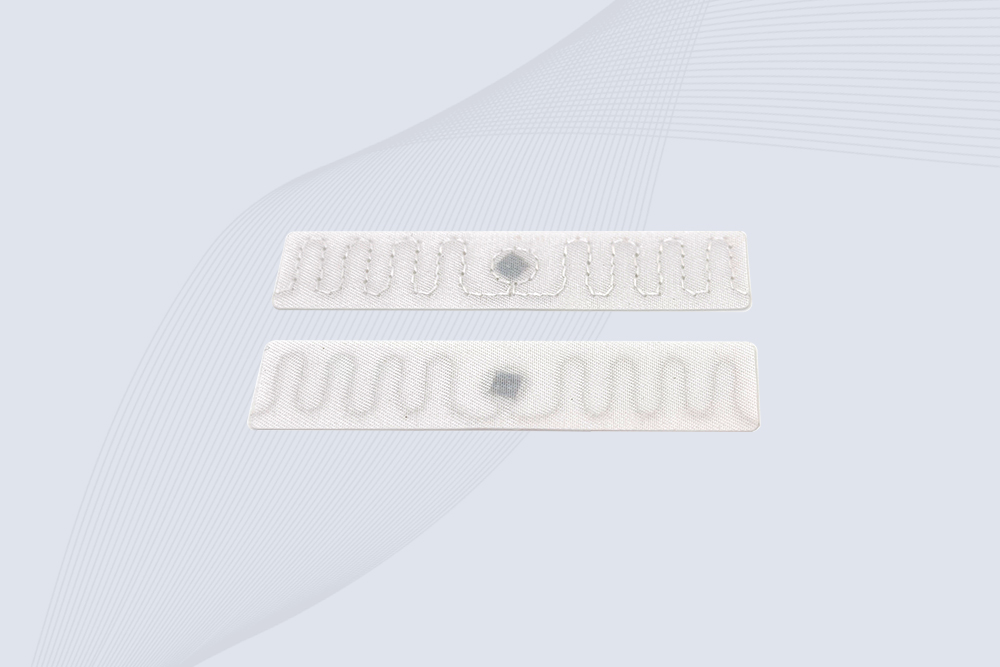
The CYKEO RFID Laundry Tag is designed for long-term textile identification in harsh laundry environments. Built to withstand high heat, chemicals, and repeated washing, this RFID Laundry Tag delivers stable performance for hotels, hospitals, and industrial laundry operations using laundry rfid tags at scale.
The CYKEO CYKEO-125-7 RFID Book Tag is designed for reliable book and document tracking in libraries and archives. This RFID Book Tag delivers long read range, dense placement support, and stable performance on shelves, making it a practical rfid tag on books for library automation, file management, and archival systems.
CYKEO RFID tags in hospitals are designed for sterile environments where accuracy matters. These autoclavable RFID tags support long-term tracking of surgical tools, implants, and medications, helping hospitals improve visibility, compliance, and patient safety.
CYKEO RFID Cable Tie Tag is built for reliable identification on metal surfaces. This UHF RFID Cable Tie Tag is widely used in rfid tags for inventory systems, industrial asset management and Hospital RFID Tags, offering stable read performance, long service life and global EPC Gen2 compatibility.
CYKEO RFID Asset Tag is designed for stable identification of metal assets in industrial environments. This UHF RFID Asset Tag is commonly used for rfid tag asset tracking on equipment, tools and containers, providing reliable reads, long service life and ISO/IEC 18000-6C support.
CYKEO UHF RFID Card is designed for fast identification and long-term use in industrial and commercial systems. Supporting ISO 18000-6C, this UHF RFID Card works at 860–960 MHz and is suitable for custom RFID cards used in asset tracking, access control and inventory management.
CYKEO HF RFID Cards are designed for secure and stable access control systems. These 13.56 MHz RFID key cards support ISO 14443-A, reliable rewriting and long service life, making HF RFID Cards suitable for offices, campuses, events and membership management.
CYKEO UHF RFID Tag is designed for reliable tracking of metal jewelry and high-value items. This Jewelry RFID Tag supports long-range reading up to 8 meters, anti-counterfeit protection and stable performance on metal, making it suitable for retail, inventory control and asset management.
Discover the differences between linear and circular RFID antenna polarization and learn which is best for high-density environments like warehouses, retail stores, and logistics hubs.
Learn multiple ways for how to connect an RFID reader to computer. Step-by-step guide for USB, Ethernet & serial ports with CYKEO readers, including driver and software setup.
Efficient RFID smart library cabinet for 24/7 pickup, secure access, automated circulation, and mixed-material management. Ideal for libraries and archives.
 Cykeo RFID IoT Solution Products R&D Manufacturer