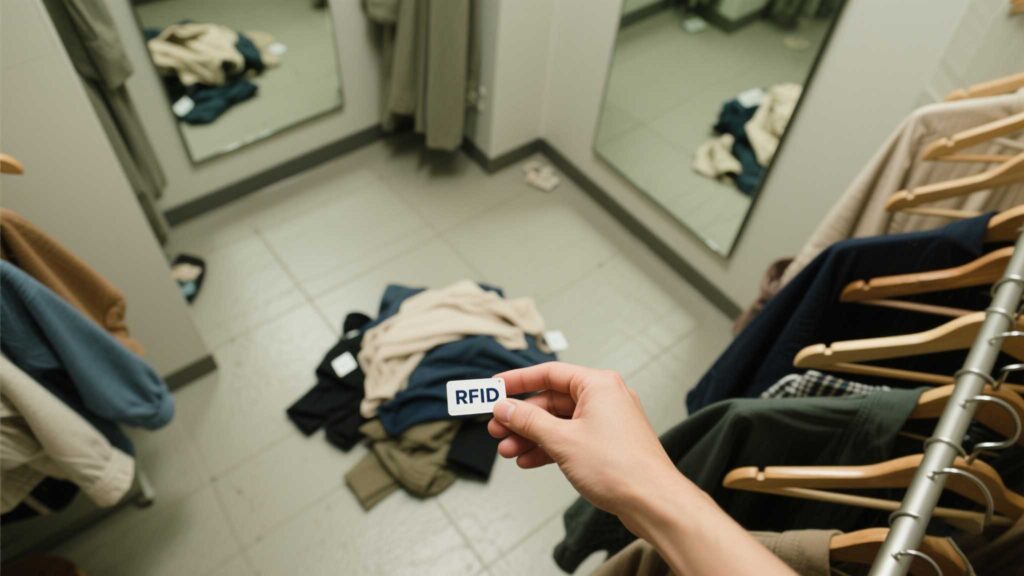
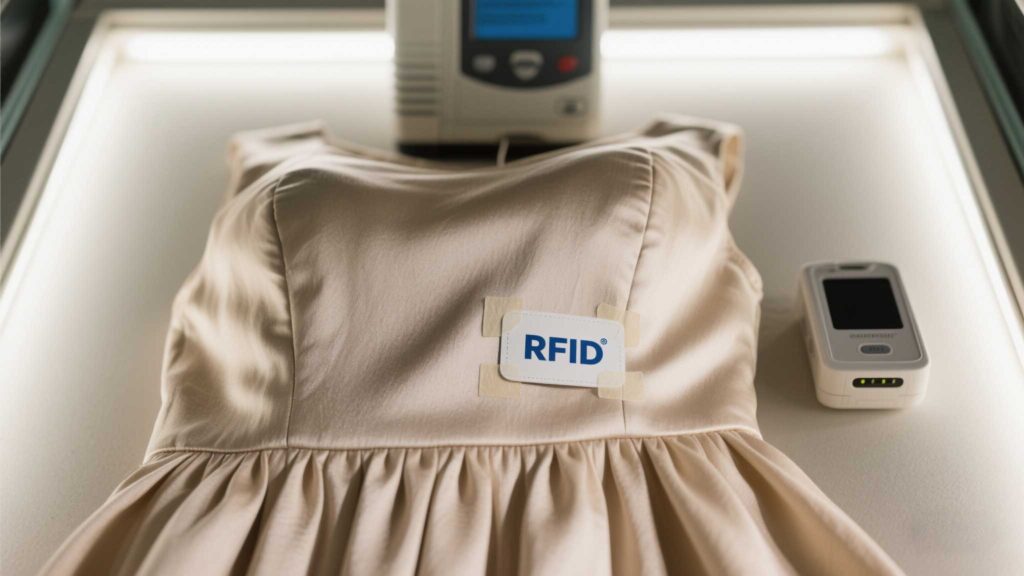
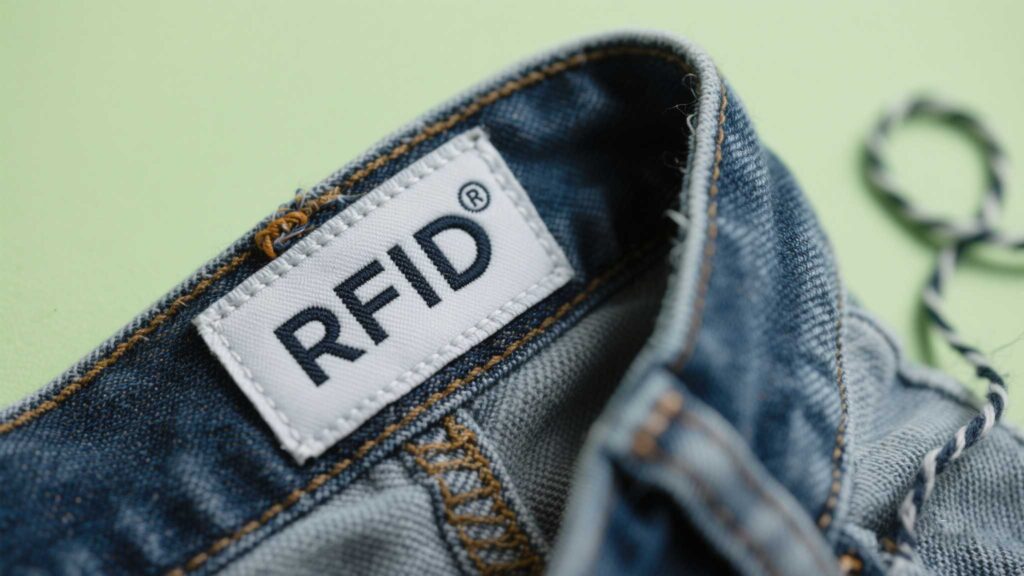
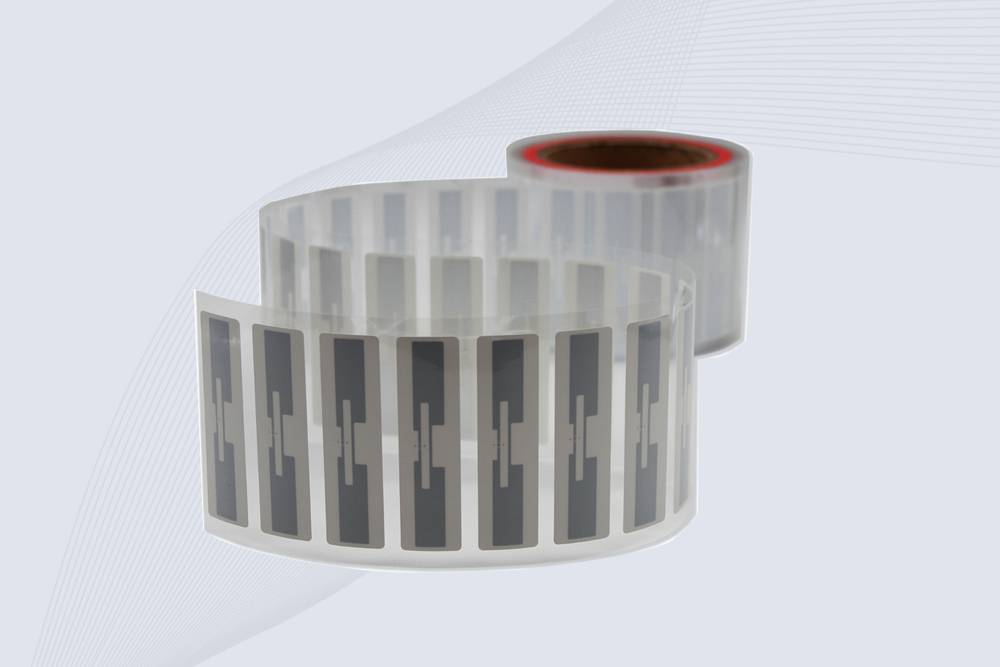
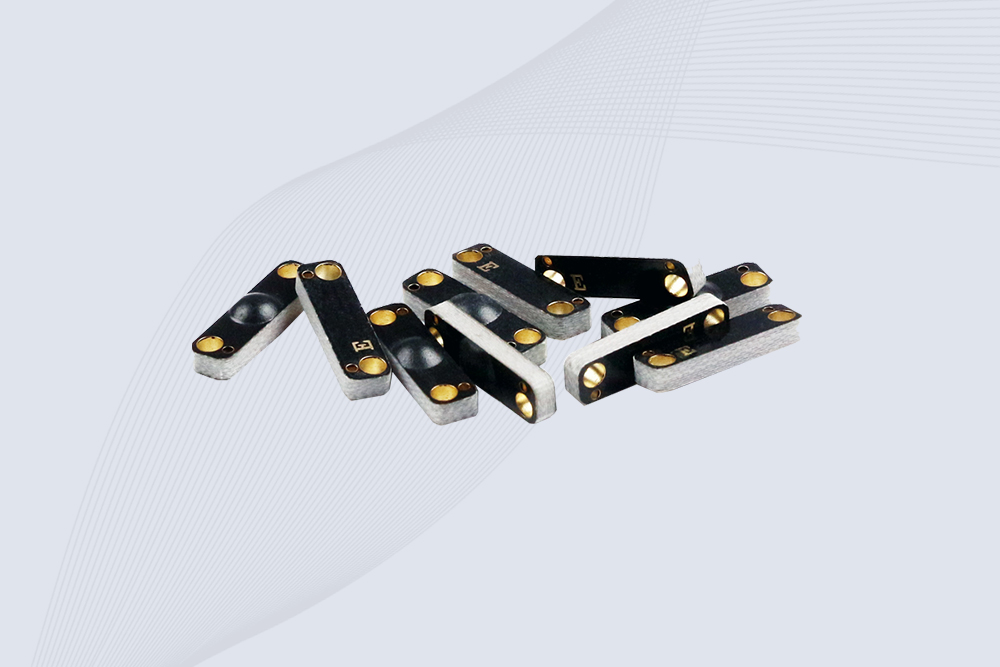
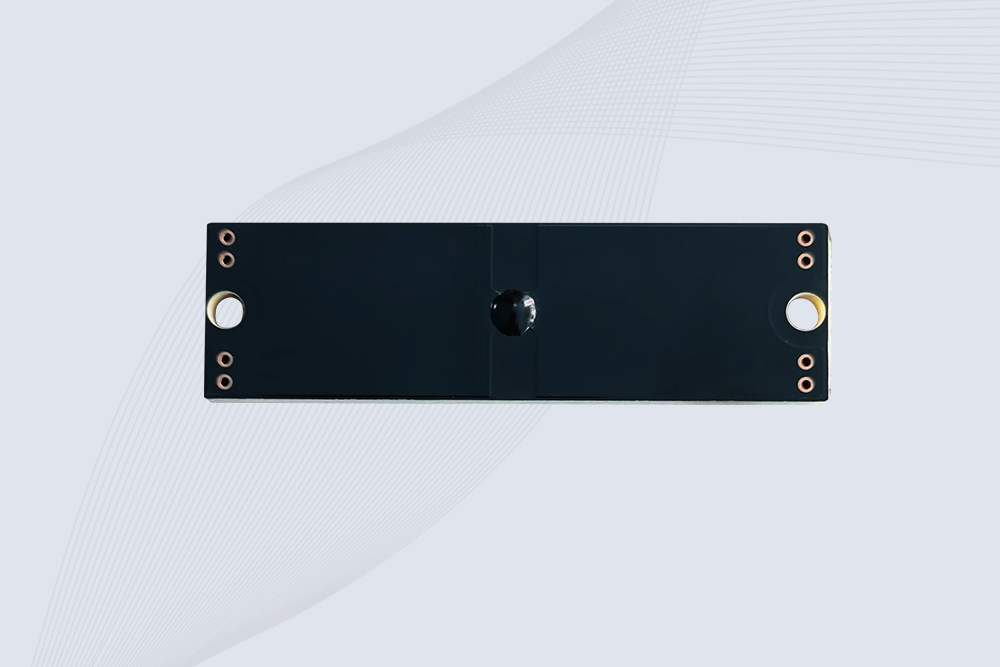
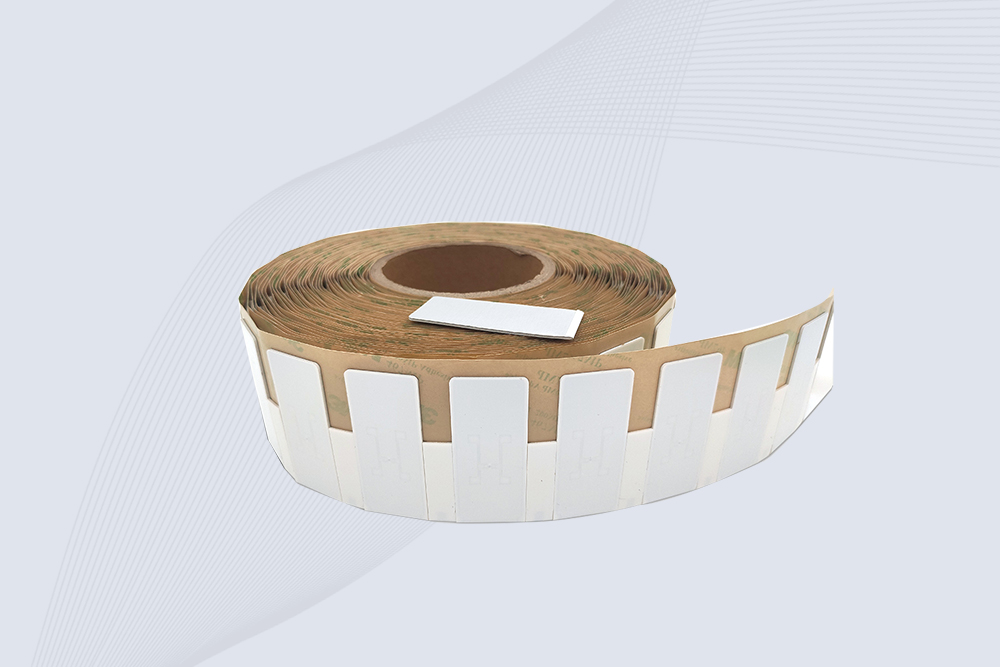
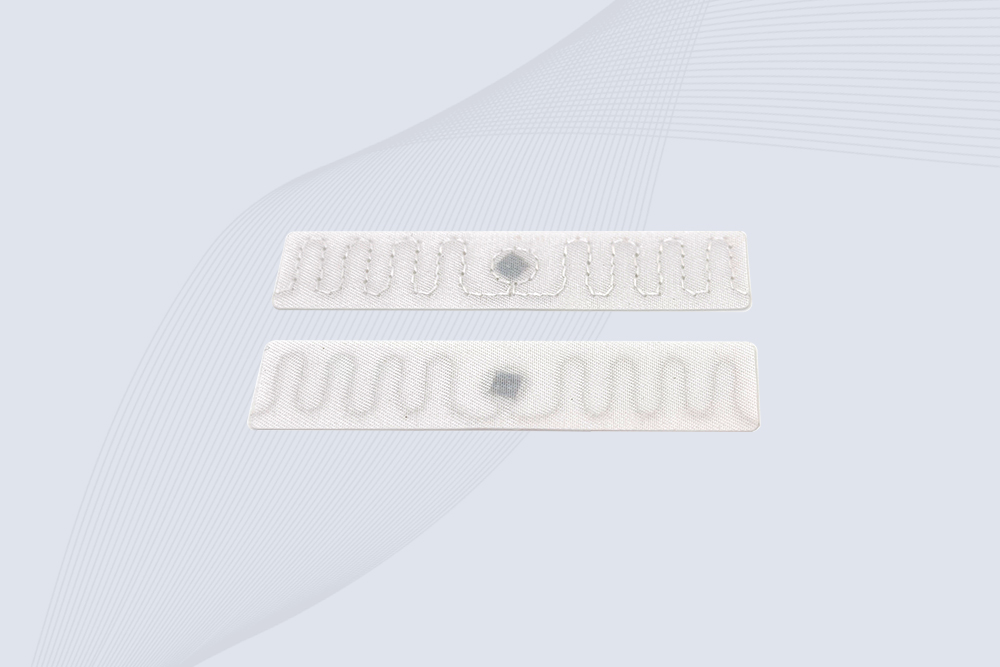
So, you bought a new jacket, but there’s an annoying RFID tag scratching your neck. Or maybe you’re reselling clothes and need to remove security tags. Before you grab scissors and risk shredding your favorite tee, let’s talk safe removal methods. Spoiler: It’s not always as simple as cutting it out.
1. Why RFID Tags End Up in Clothing
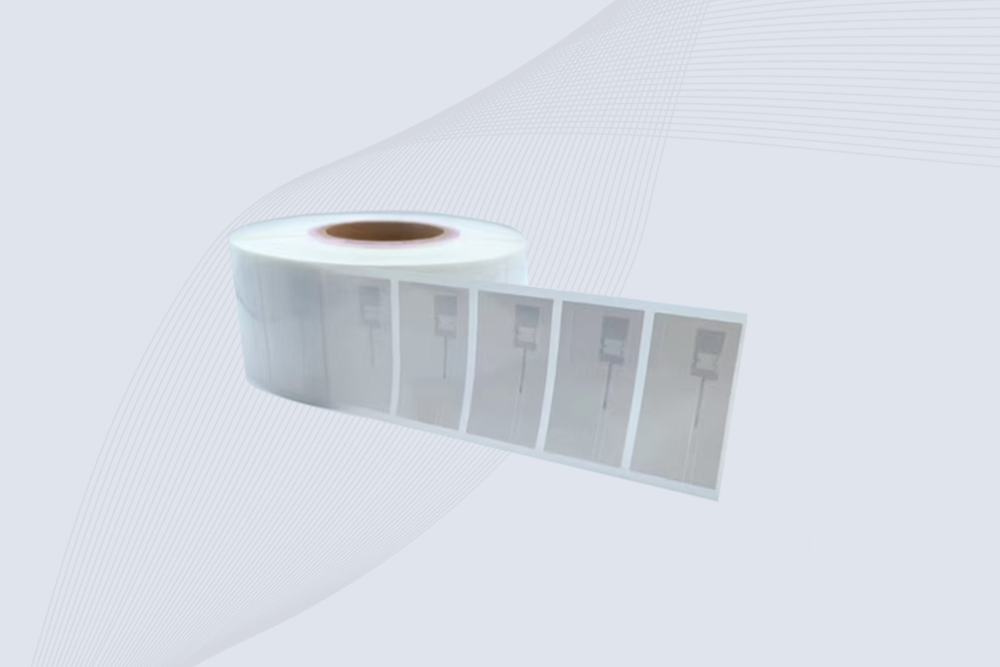
RFID tags aren’t just for security—they’re used for:
Inventory Tracking: Stores scan tags to manage stock.
Anti-Theft: Triggers alarms if unpaid items leave the store.
Smart Laundry: Some brands embed wash-cycle tags.
Note: Tampering with active tags can damage them or trigger alerts.
2. Tools You’ll Need
Seam Ripper: For stitched-in tags.
Tweezers: To pry open adhesive tags.
Strong Magnet: For deactivating certain security tags.
Patience: Rushing = torn fabric.
3. Step-by-Step Removal Methods
a. For Sewn-In Tags
Locate the Seam: Find where the tag is stitched into the label.
Use a Seam Ripper: Gently cut threads around the tag.
Pull Tag Out: Slowly wiggle the tag free.
Pro Tip: If the tag’s near a seam, unpick the seam slightly for easier access.
b. For Adhesive Tags
Heat the Glue: Blow a hairdryer on low heat over the tag for 20 seconds.
Slide Tweezers Underneath: Lift the edge gently.
Peel Slowly: Angle the tweezers to avoid tearing fabric.
Warning: Some adhesives leave residue—use rubbing alcohol to clean.
c. For Security Tags with Ink
Freeze the Tag: Wrap the tag in a cloth and freeze for 2 hours.
Tap with a Hammer: Shatter the casing (carefully!).
Remove Pieces: Use pliers to extract the RFID chip.
Caution: Ink tags can stain! Freezing reduces leakage risk.
4. How to Deactivate RFID Tags (Without Removal)
Don’t want to remove the tag? Try these:
Aluminum Foil: Wrap the tag to block signals.
Microwave (Briefly): 3–5 seconds can fry the chip (test first!).
Professional Tools: Retailers like Cykeo sell handheld deactivators.
Why Deactivate? Ideal for reselling clothes without alarm triggers.
5. When to Leave It to the Pros
High-Value Items: Luxury tags may have GPS or tamper alerts.
Legal Risks: Removing anti-theft tags can be illegal if you don’t own the item.
Warranty Voiding: Some brands (e.g., Cykeo’s partners) void warranties if tags are removed.
6. What NOT to Do
Don’t Cut Randomly: You’ll slice the fabric.
Don’t Burn Tags: Melts synthetic fibers and stinks.
Takeaway: Removing RFID tags from clothes is doable but demands care. For casual use, foil or deactivation beats surgery. For resale, invest in a Cykeo deactivator or ask the store to remove it. Remember: if it feels sketchy, it probably is.
How the Cykeo CK‑T9HF HF RFID security gate enhances asset protection, theft prevention, and real-time inventory tracking in libraries, archives, and industrial environments. High-density tag detection, rapid scanning, and seamless API integration.
Discover whether RFID or barcode scanners are faster for logistics. Compare bulk scanning speeds, error rates, and use cases for warehouses and shipping hubs.
Looking for a simple, reliable RFID antenna? The CK-A11 UHF RFID Reader Antenna offers wide coverage, minimal interference, and easy integration for efficient asset tracking in logistics, retail, healthcare, and more. Durable, easy-to-use, and bui...
Learn how industrial RFID readers are integrated into automation systems. Covers system architecture, PLC connectivity, long-range reader deployment, and real-world integration considerations.
 Cykeo RFID IoT Solution Products R&D Manufacturer