 Cykeo RFID IoT Solution Products R&D Manufacturer



Handheld RFID Scanners and the Environment: Balancing Efficiency and Sustainability
1218Explore the environmental pros and cons of handheld RFID scanners, from reducing waste to e-waste concerns. Learn how to make eco-friendly choices.
MoreAll RFID Product
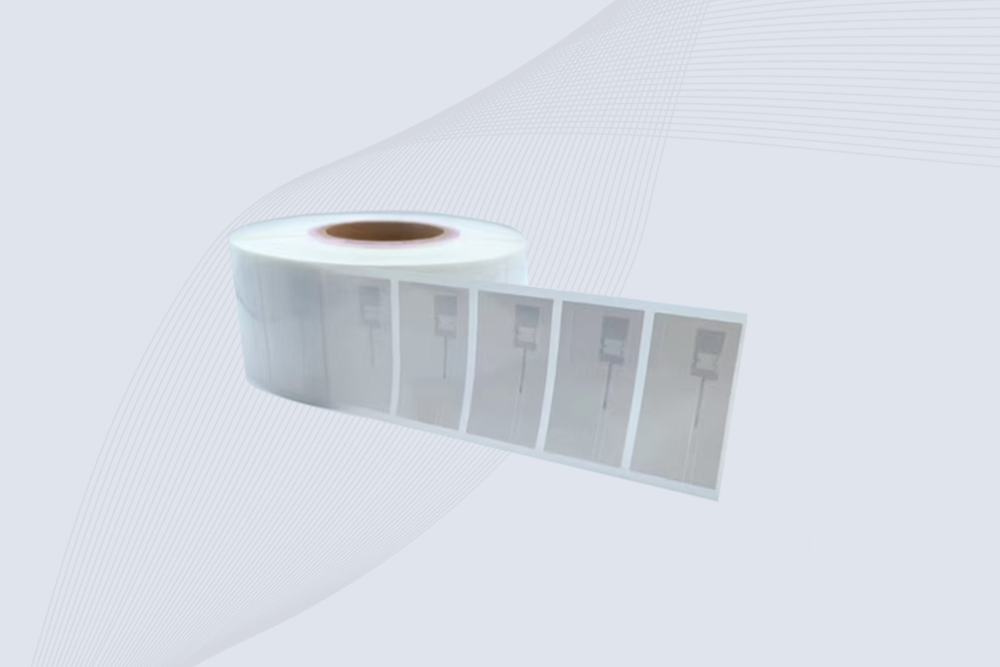
To begin programming RFID tags, you’ll need:
💡 Tip: Always test tag-reader compatibility before bulk encoding.
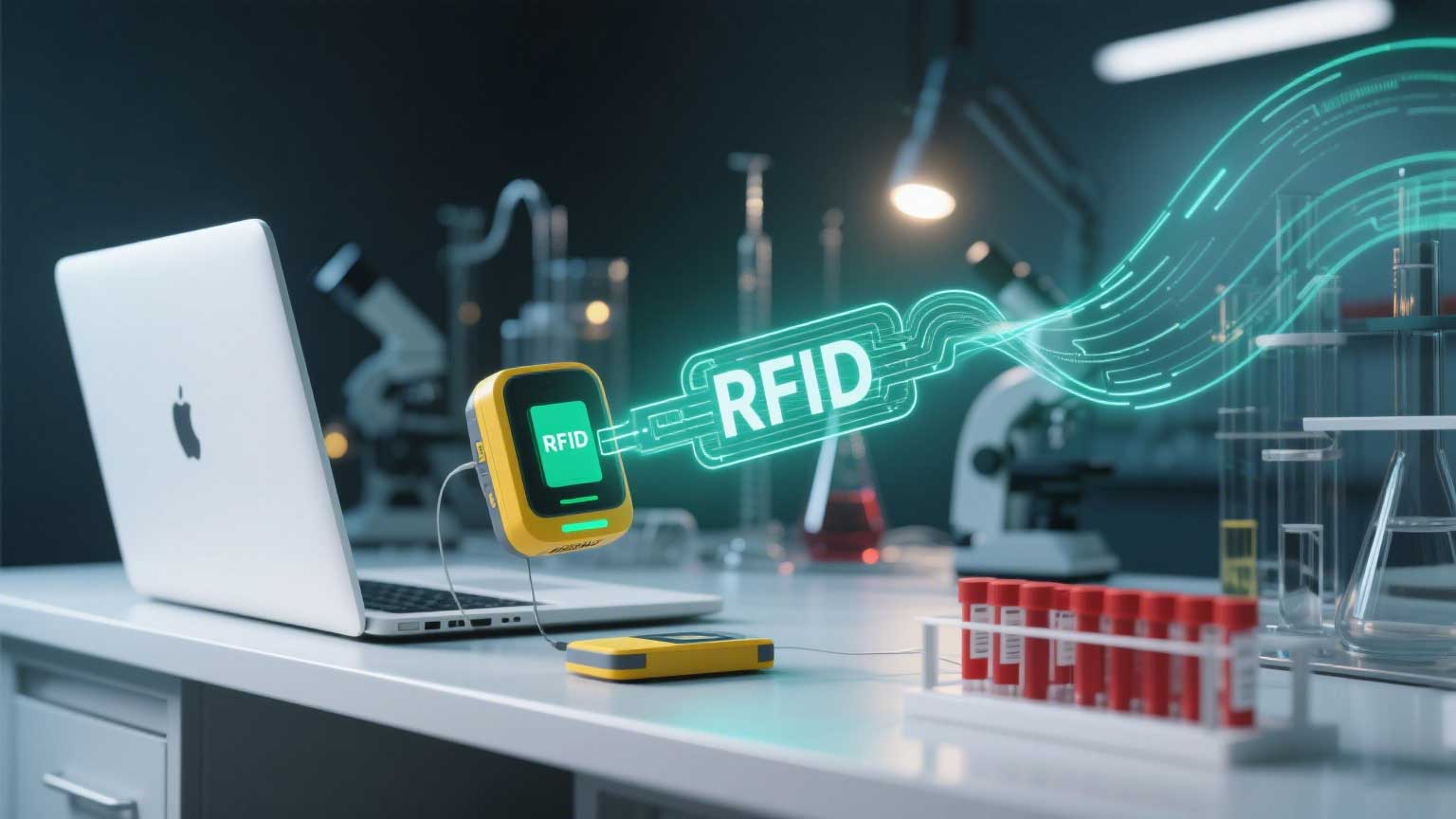
Step 1: Prepare Your Workspace
Step 2: Configure Memory Banks
RFID tags contain critical memory sections:
| Memory Type | Function | Programming Tip |
|---|---|---|
| Reserved | Stores permanent UID | Lock this area to prevent cloning |
| EPC | Holds customizable data | Encode product IDs here |
| User Memory | Stores additional details | Use for maintenance logs |
Step 3: Encode Data
Step 4: Apply Security Protocols
| Issue | Solution |
|---|---|
| Encoding errors | Verify tag frequency match |
| Short read range | Increase reader power output |
| Data corruption | Add CRC checksums |
Pharmaceutical Tracking Workflow:
🔒 Security Note: Always password-protect your writer to prevent unauthorized data changes.

Explore the environmental pros and cons of handheld RFID scanners, from reducing waste to e-waste concerns. Learn how to make eco-friendly choices.
More
Explore different RFID antenna types including UHF, near field, far field, circular polarized, and linear polarized antennas. Learn how to select the right RFID antenna for warehouse, industrial, and smart tracking applications.
More
Discover the cost benefits of fixed RFID readers vs. barcode systems. Learn how Cykeo’s RFID solutions reduce labor, errors, and long-term expenses in warehouses and retail.
More
Need bulk scanning? Learn how many RFID tags can be read at once with UHF technology and what factors affect real-world multi-tag reading performance.
More