 Cykeo RFID IoT Solution Products R&D Manufacturer


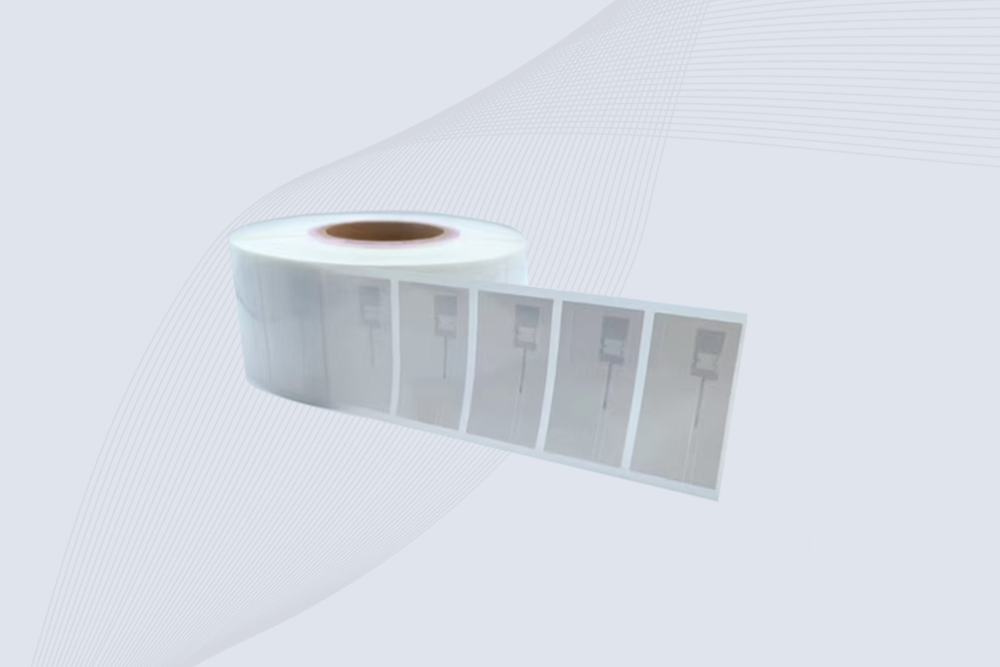
How RFID Card Reader Works
69Discover how RFID card reader works for secure access. We explain the simple tap-and-go technology behind office doors, payments, and ID systems.
MoreAll RFID Product
To begin programming RFID tags, you’ll need:
💡 Tip: Always test tag-reader compatibility before bulk encoding.
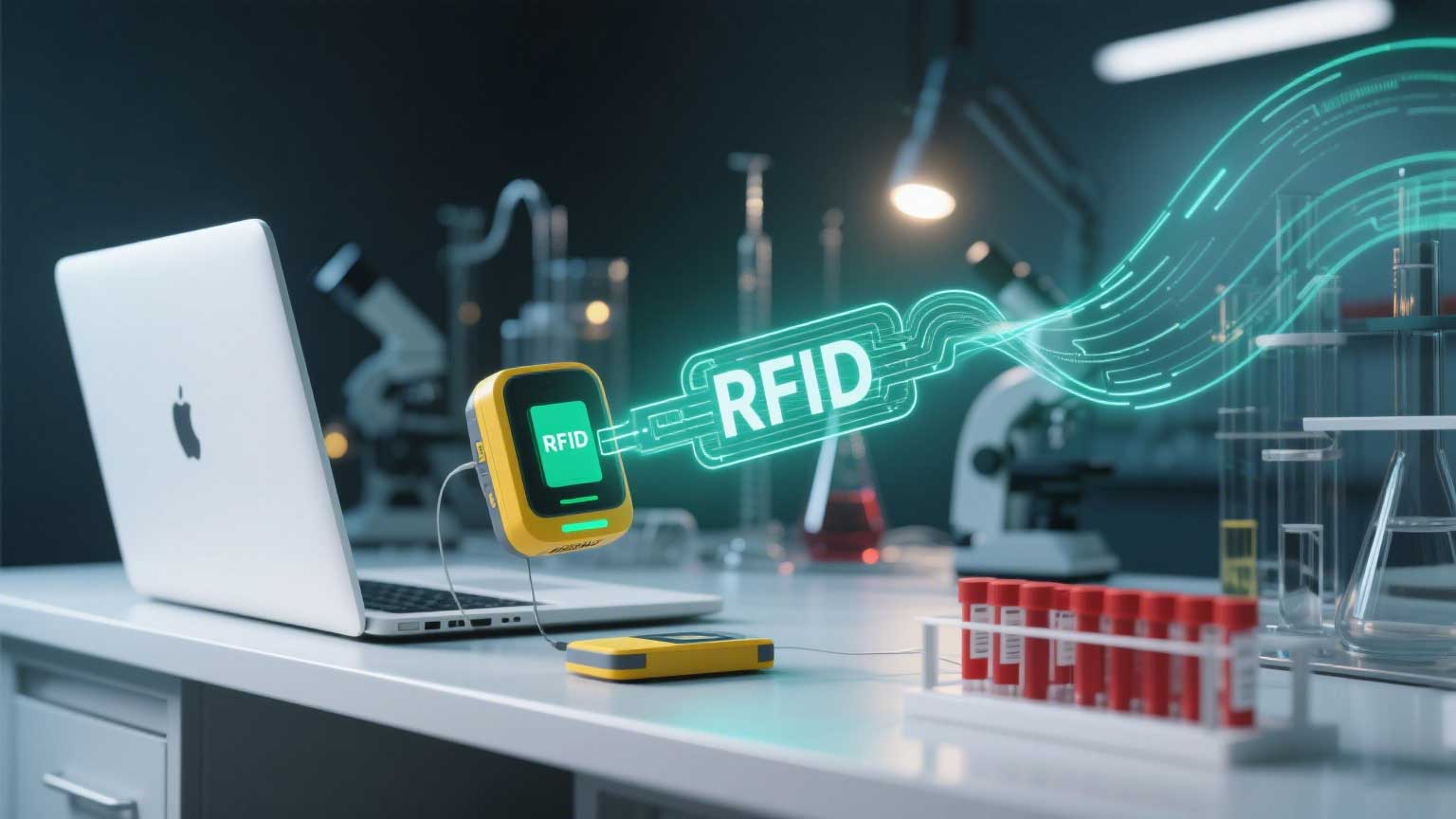
Step 1: Prepare Your Workspace
Step 2: Configure Memory Banks
RFID tags contain critical memory sections:
| Memory Type | Function | Programming Tip |
|---|---|---|
| Reserved | Stores permanent UID | Lock this area to prevent cloning |
| EPC | Holds customizable data | Encode product IDs here |
| User Memory | Stores additional details | Use for maintenance logs |
Step 3: Encode Data
Step 4: Apply Security Protocols
| Issue | Solution |
|---|---|
| Encoding errors | Verify tag frequency match |
| Short read range | Increase reader power output |
| Data corruption | Add CRC checksums |
Pharmaceutical Tracking Workflow:
🔒 Security Note: Always password-protect your writer to prevent unauthorized data changes.
Discover how RFID card reader works for secure access. We explain the simple tap-and-go technology behind office doors, payments, and ID systems.
More
Most iPhones can only scan NFC tags, If you need real RFID UHF tag reader ,the iPhone needs extra hardware. Here is how the Cykeo CK-R10A plugs that gap and turns your phone into a practical UHF RFID tool.
More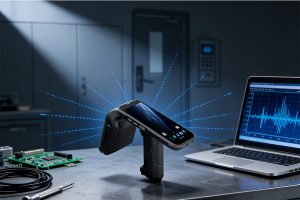
A developer-focused look at handheld RFID readers, exploring why they are often used as development tools, integration references, and building blocks for custom RFID systems beyond inventory counting.
More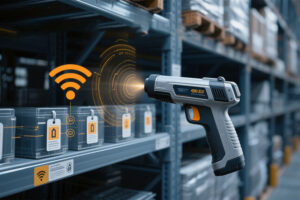
This article provides a comprehensive overview of rfid reader portable (handheld RFID readers), covering core functions, working principles, typical application scenarios, and key selection criteria, helping enterprises achieve more efficient tag ...
More