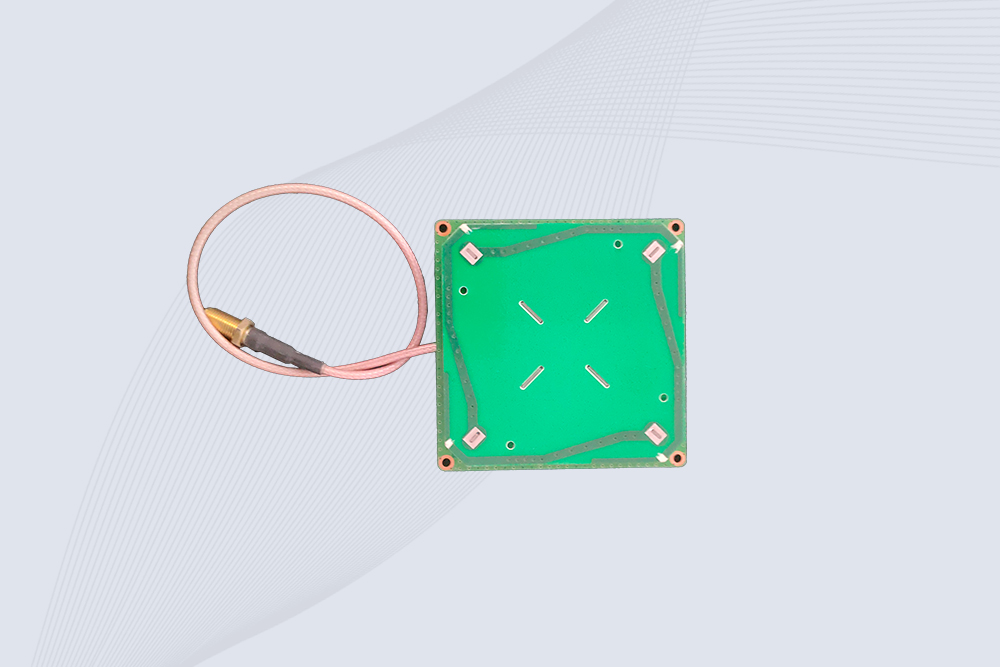
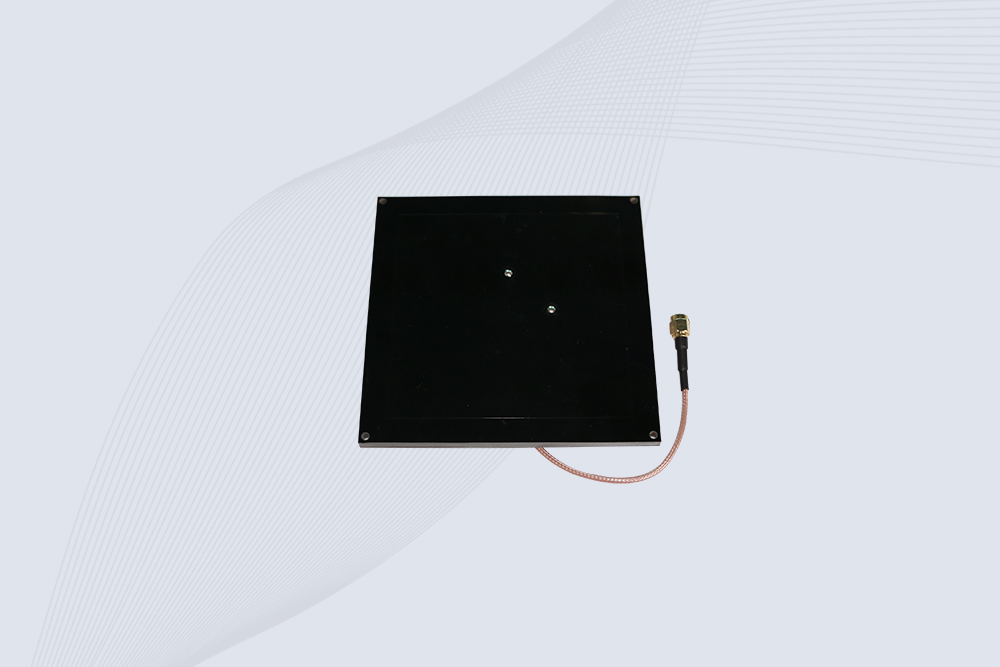
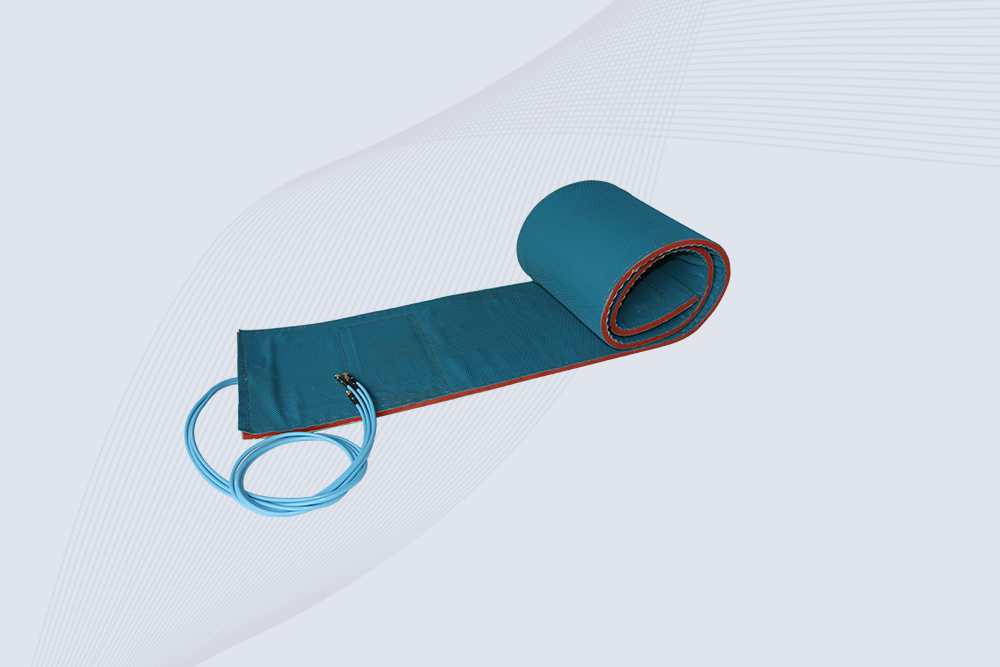
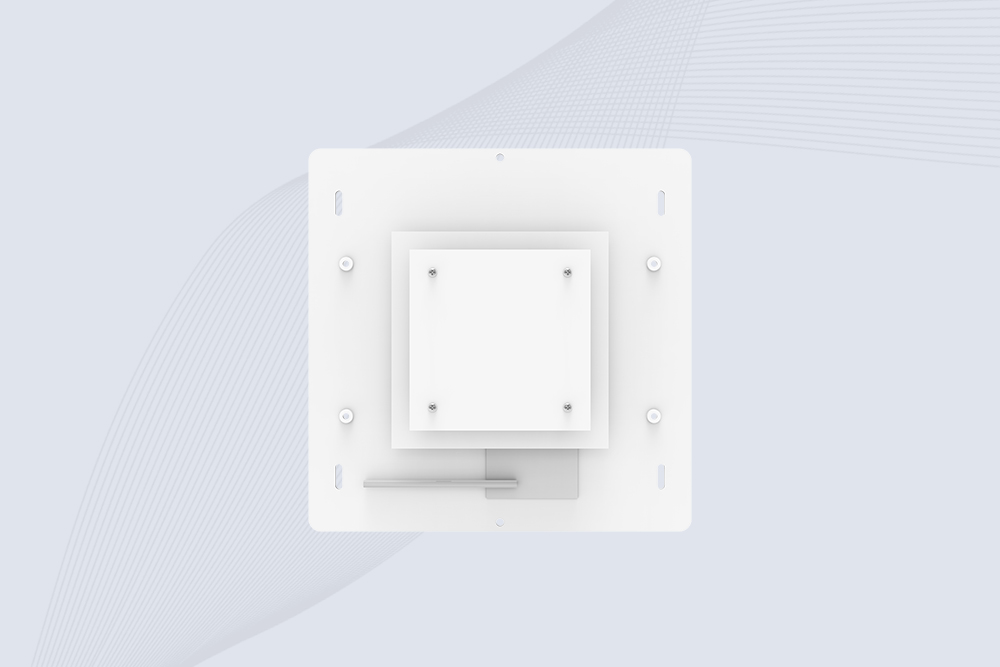
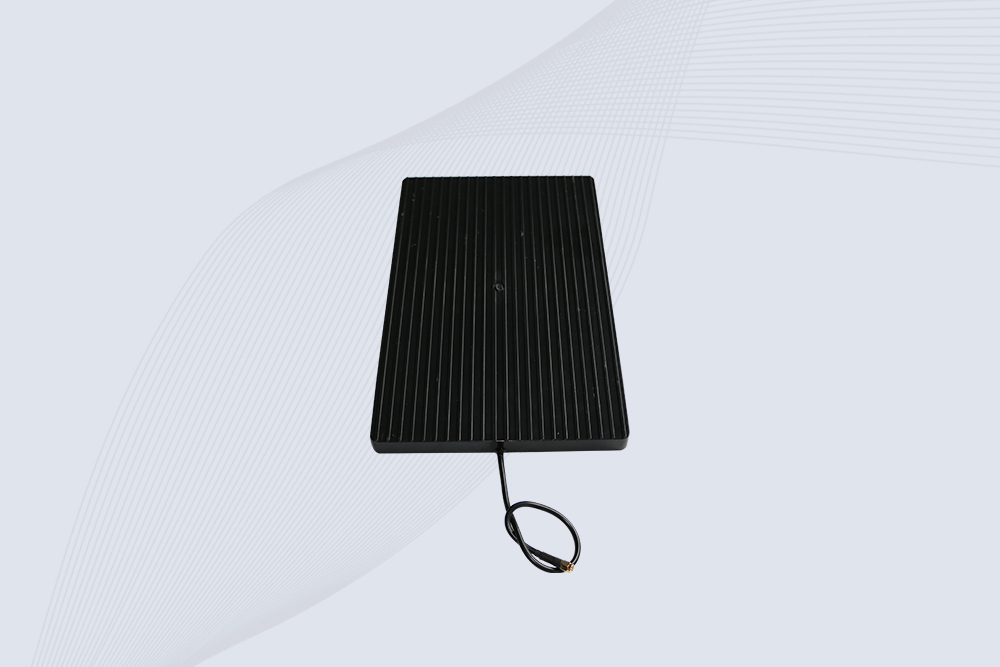
We get it. You have a specific item that needs tracking, and every off-the-shelf RFID tag is the wrong shape, size, or just doesn’t stick. The engineer’s instinct kicks in: “I’ll just figure out how to make an RFID antenna myself.” We’ve been there, with a lab bench covered in copper tape and a drawer full of dead RFID chips. Let’s walk through what this process actually feels like, complete with the dead ends.
The First Hurdle Nobody Talks About: The Chip’s Secret Code
You start with excitement. You get some copper tape, an FR4 board, and order some RFID strap chips. You carefully cut two 80mm strips, leave a gap, and epoxy the chip across it. You connect it to your RFID reader… and get a read range of two inches. Why?
Here’s the first real lesson: the RFID chip is not a simple component. It has a complex impedance, something like 15 – j150 ohms (the ‘j’ means it’s reactive, mostly capacitive). Your beautiful 80mm dipole has its own impedance, maybe around 73 ohms if you’re lucky. They don’t match. This impedance mismatch means over 90% of the energy your antenna captures reflects right back, never powering the chip. This is why most first-timer antennas are basically expensive stickers.
The “Aha!” Moment That’s Actually a Headache: The T-Match
To fix this, you can’t just change the antenna’s length. You have to change its electrical shape at the feed point. This means designing a T-match or an inductive loop—tiny, intricate cuts and additions to the copper right where the chip attaches. These features act as an impedance transformer.
This is where you move from craft project to RF engineering. You’ll need antenna simulation software (like free versions of Qucs or MMANA) to model this. You’ll input the chip’s impedance data from its datasheet (if you can find it) and tweak virtual trace widths and gaps for hours, trying to get that S11 dip down at 915 MHz. The first time you see the simulation graph match, it feels like magic.
The Prototype That Lies to You
You print your design, etch or cut it, and assemble it. You test it with your handheld reader. It works! You get reads at 3 meters! Success!
Then you make five more. One reads at 2 meters. One at 1. Another doesn’t work at all. This is the DIY reality check. Your hand-cut traces aren’t perfect. The dielectric constant of your FR4 board isn’t exactly 4.3 like the simulation said; it’s 4.5. The adhesive on your copper tape adds capacitance you didn’t model.
To truly tune it, you need a Vector Network Analyzer (VNA), a $1,500+ tool that shows you the antenna’s actual frequency response. Without it, you’re tuning a radio blindfolded.
Why This Process Explains the Price of a Roll of Tags
After a month of weekends, you might have three working, semi-reliable prototypes. Now imagine making 10,000 of them. Every single one would need individual tuning. They’d be fragile—bend the copper tape once and it cracks. They have no environmental protection.
This is why a roll of 10,000 commercial UHF inlays doesn’t cost $100,000. It’s because the manufacturer has solved these problems at scale. They use photolithography to etch antennas with micron precision. They use pick-and-place machines to bond chips with perfect alignment. They test samples from every batch with automated systems. The cost isn’t in the materials; it’s in the R&D and precision manufacturing that makes every tag identical and reliable.
So, Should You Try It?
Yes—if your goal is deep, hands-on learning. There is no better education in RF fundamentals than wrestling with a homemade antenna. You’ll learn about resonance, impedance, Smith charts, and why antennas look the way they do.
No—if you need a reliable solution for a product or business process. The time, frustration, and tooling cost will dwarf the price of just buying the right tag.
At CYKEO, we bridge this gap. We’ve done the prototyping so you don’t have to. We help clients select the right commercially engineered tag—whether it needs to survive autoclaving, stick to metal, or be sewn into fabric. We understand the “how” because we’ve built the failures, so we can confidently provide you with the “what that works.” Build one RFID antenna to learn. Then, partner with us to deploy a thousand that work perfectly.
RFID Antennas Recommendation
 Cykeo RFID IoT Solution Products R&D Manufacturer