 Cykeo RFID IoT Solution Products R&D Manufacturer





DIY RFID Reader: Is Building Your Own RFID System Really Practical?
100Planning a diy rfid reader project? Learn real build tips, hardware choices, range limits, and when DIY works or fails. Practical insights from CYKEO RFID engineers.
MoreAll RFID Product
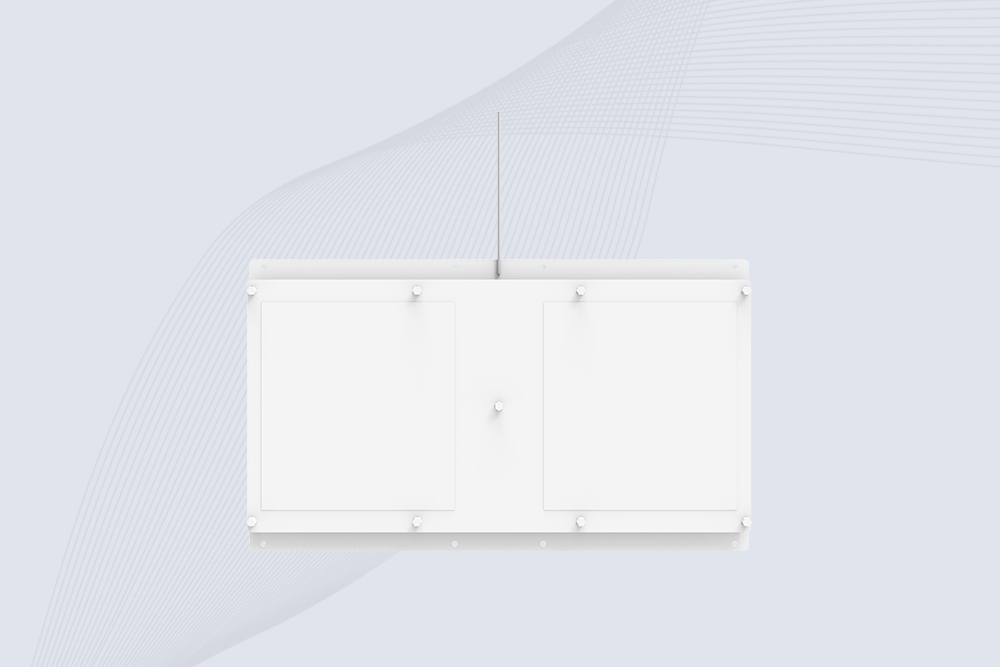
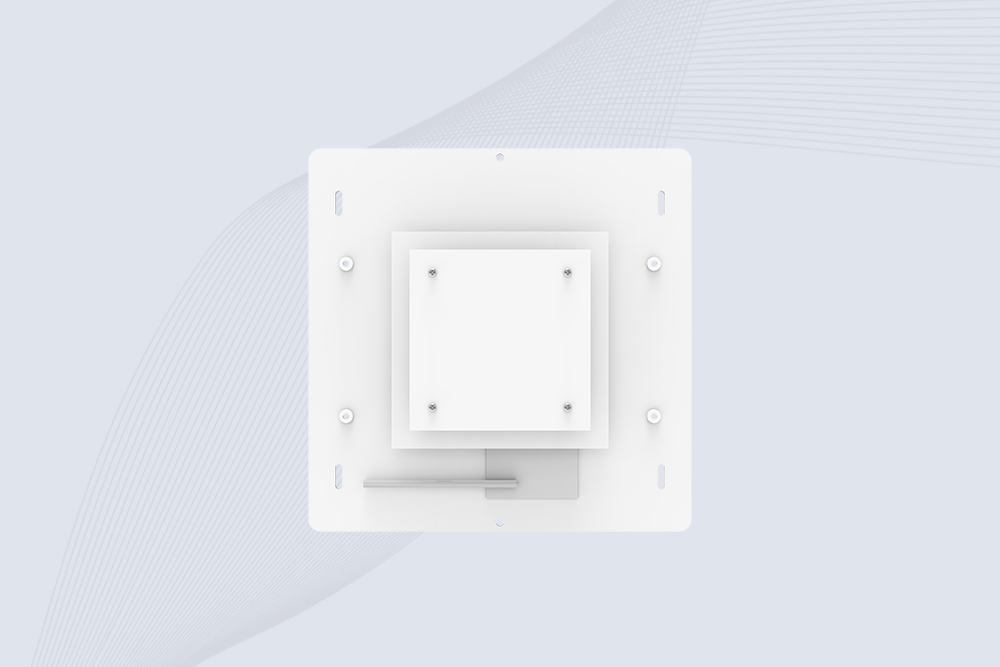
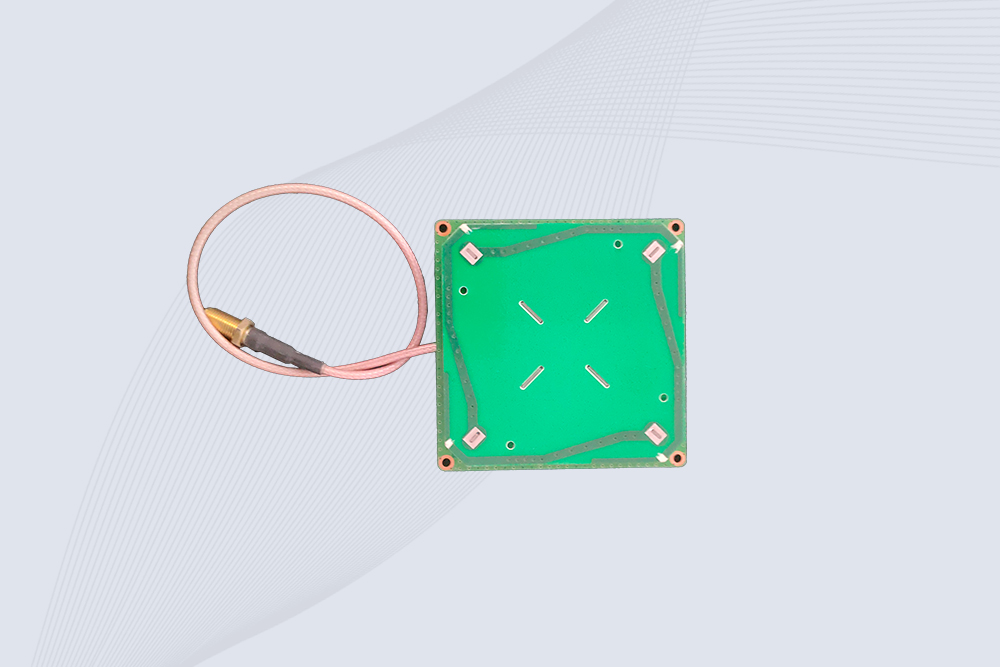
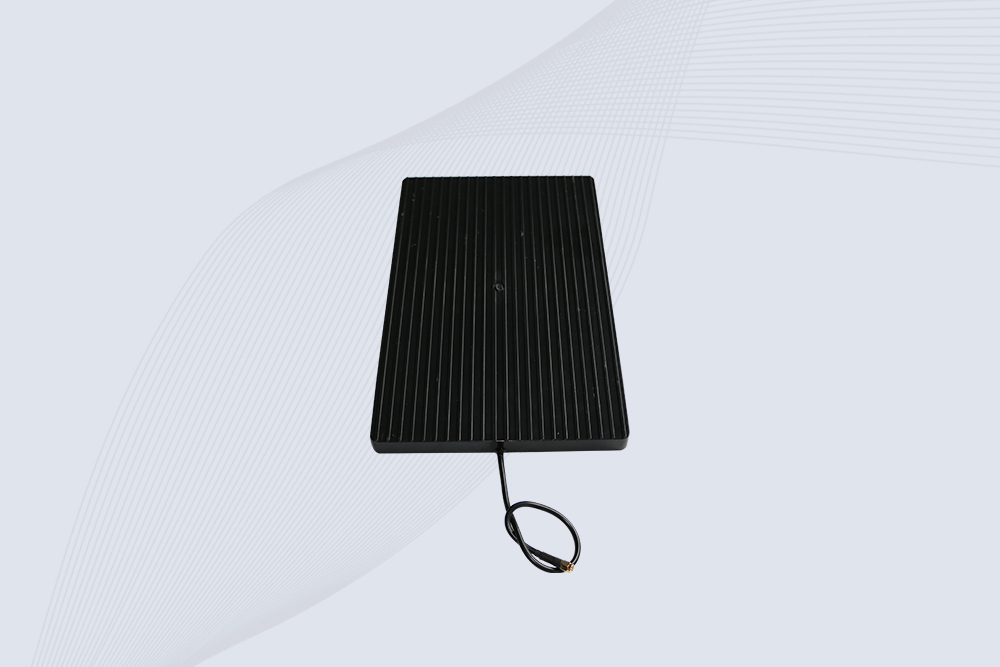
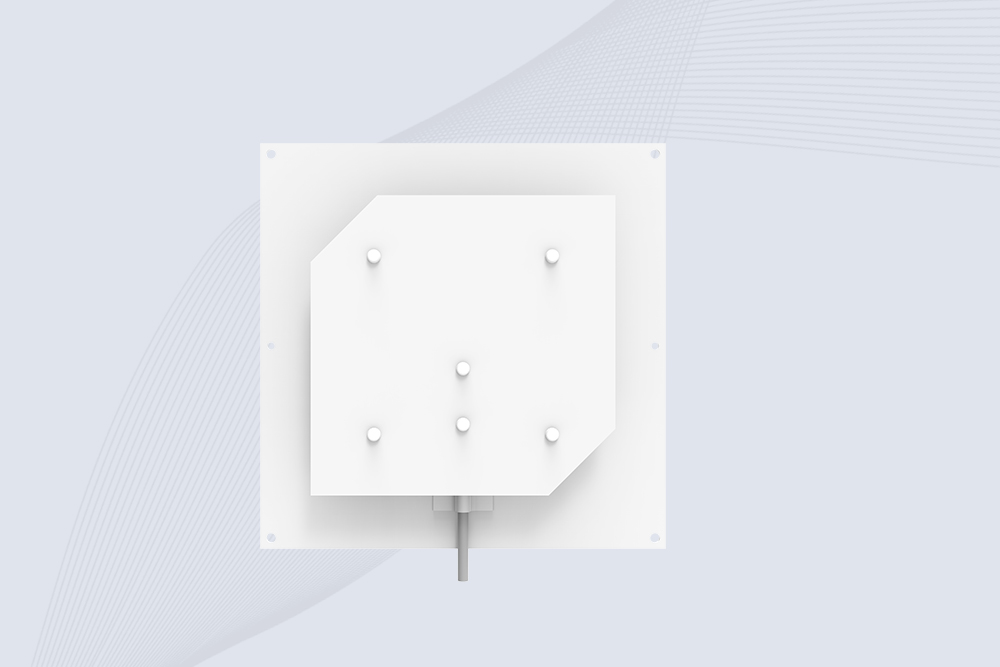
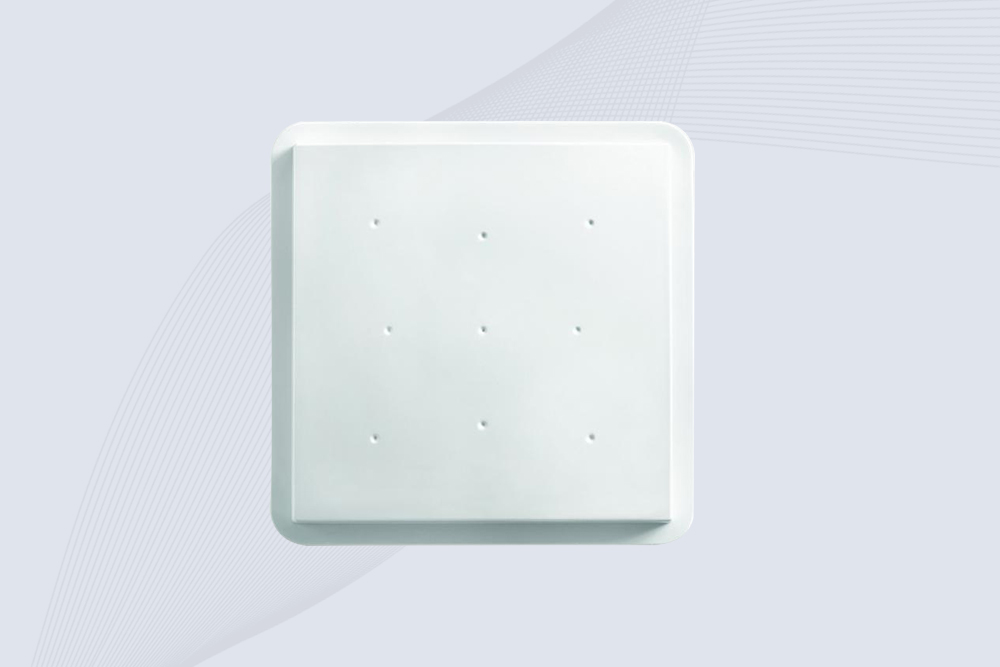
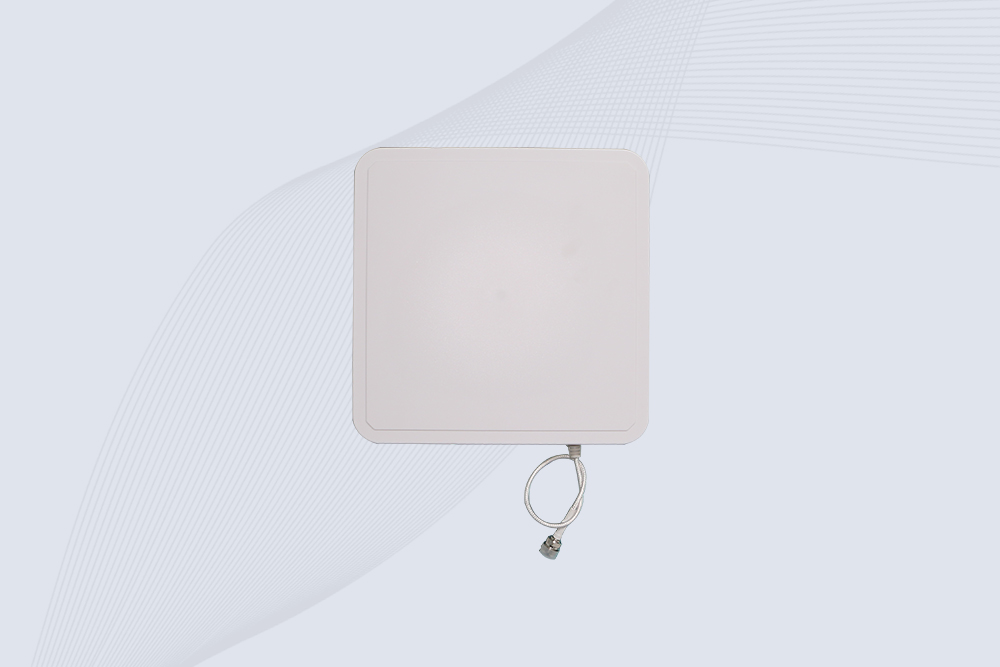
The question of how to make a RFID antenna often starts with a mix of curiosity and necessity—maybe you’re prototyping a custom tag or just love hands-on electronics. While you can absolutely create a functional antenna on your workbench, the journey from a working prototype to reliable performance is where the real education happens. It’s a project that teaches you why commercial antennas exist.
This is the critical fork in the road. The method changes completely based on frequency.
Most DIYers asking how to make a RFID antenna are focused on UHF for item tracking, so let’s go there.
Here is a barebones DIY UHF RFID antenna steps guide for a basic tag antenna:
You might get your creation to read a foot away on a good day. But you’ll quickly hit the limitations of DIY RFID antennas:
Tuning a homemade RFID antenna properly requires a Vector Network Analyzer (VNA), a $1,000+ instrument, to see the antenna’s actual resonant frequency and impedance. Without it, you’re tuning blind.
Contrast this with a commercial UHF inlay. Its antenna is designed in simulation software (like HFSS), photolithographically etched with micron precision, and the chip is attached via a robotic flip-chip process. It’s then tested on a conveyor and guaranteed to perform within a specified range.
When you work with CYKEO, you’re accessing this level of engineered reliability. We help clients select the right commercially manufactured antenna or tag for their environment, whether it’s for a metal surface, a wet environment, or needing extended range.
So, should you learn how to make a RFID antenna? Absolutely—if your goal is education, a unique proof-of-concept, or sheer enjoyment. It demystifies the technology. You’ll learn about resonance, impedance matching, and why antennas are shaped the way they are.
But for any application where performance, range, and durability actually matter—like asset tracking, inventory management, or access control—the time, frustration, and cost of perfecting a DIY antenna far exceed the price of a proven, mass-produced component. Build one to learn. Then source professionally for anything that needs to work reliably.

Planning a diy rfid reader project? Learn real build tips, hardware choices, range limits, and when DIY works or fails. Practical insights from CYKEO RFID engineers.
More
A practical, step-by-step guide to building an RFID tool tracking system using smart cabinets, antennas, and RFID modules. Designed for integrators and bulk buyers.
More
Discover how a multi-antenna RFID reader with blind adaptive beamforming works. Learn how this advanced technology increases read accuracy & range in dynamic environments.
More
RFID Gate Opener System offering convenient, secure, and efficient solution for wide range of applications
More