 Cykeo RFID IoT Solution Products R&D Manufacturer
How to Use RFID Module with Mega Board
121A practical guide on how to use RFID module with Mega Board (Arduino Mega 2560). Learn wiring, coding, and project ideas for advanced RFID applications.
MoreAll RFID Product
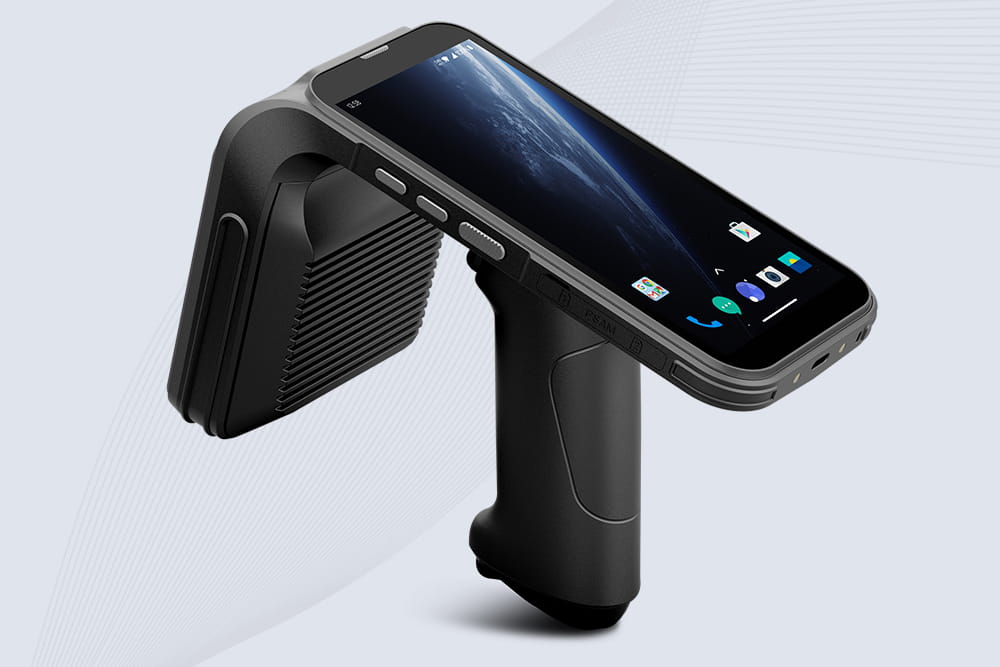
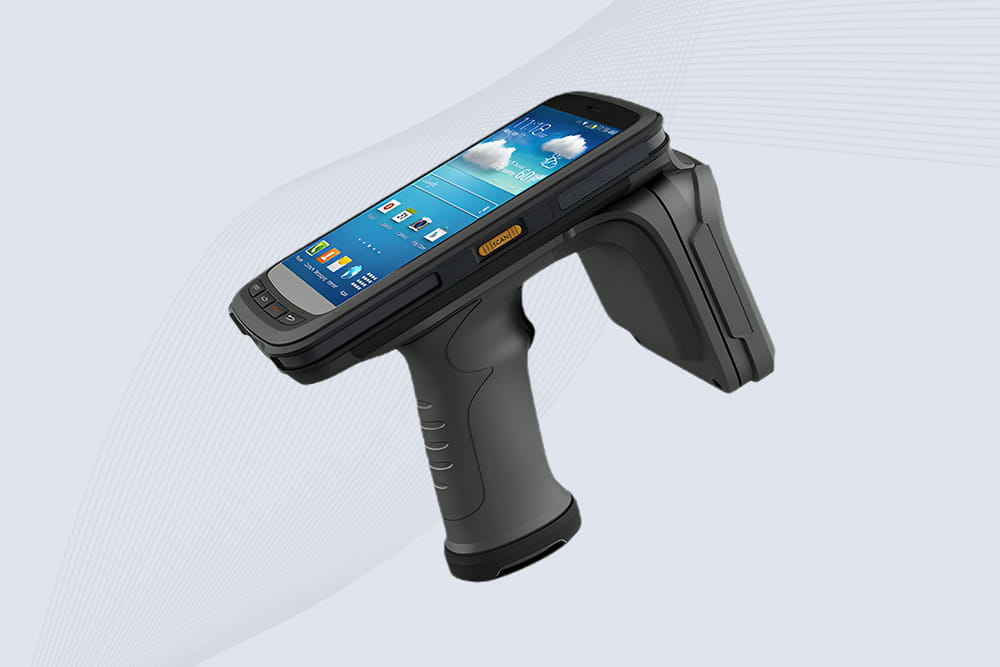
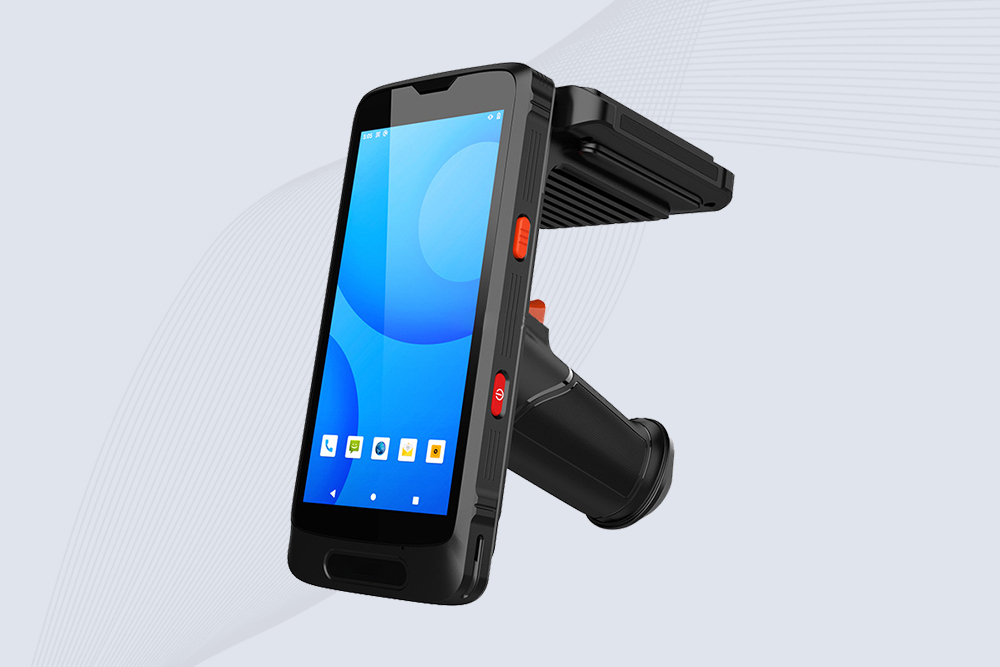
Handheld RFID scanners are built to endure tough workflows, but neglecting maintenance can lead to costly breakdowns or inaccurate reads. Follow these best practices to keep your device running smoothly for years while protecting your investment.
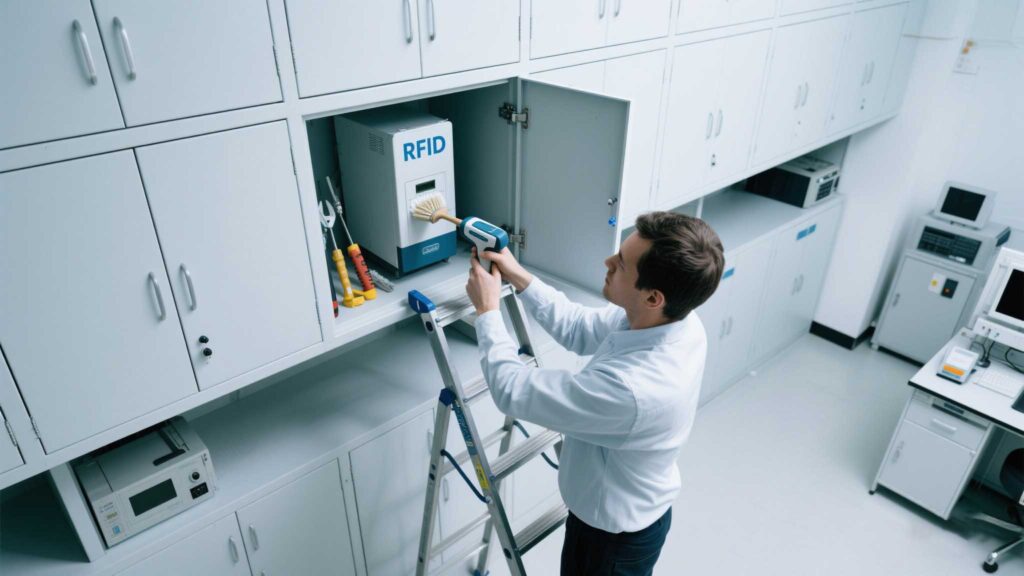
Dust, grease, and debris are the top enemies of RFID scanners. After each shift:
Avoid harsh chemicals like bleach or ammonia—they degrade rubber seals and screens.
Lithium-ion batteries degrade faster if mishandled. Extend battery life by:
Cykeo scanners include a “Battery Saver Mode” that caps charging at 90% to prolong lifespan.
For harsh environments like construction sites, Cykeo’s IP68-rated scanners have self-sealing ports to block moisture and dust.
Schedule bi-annual checkups for:
A food distribution center using Cykeo scanners reduced device replacements by 60% over three years by implementing weekly cleaning and quarterly calibrations. Their maintenance protocol added just 15 minutes per shift but saved $8,000 annually in repair costs.
A practical guide on how to use RFID module with Mega Board (Arduino Mega 2560). Learn wiring, coding, and project ideas for advanced RFID applications.
More
This article explores the real-world applications and experiences of RFID technology in libraries — from speeding up book borrowing and returns, to inventory management, theft prevention, and privacy protection — offering a complete look at how it...
More
CK-GTC5 RFID tool tracking system helps tool storage suppliers upgrade cabinets into intelligent tool control solutions. Ideal for prisons and military facilities, with open RESTful & native APIs, SDK support, and flexible integration of RFID read...
More
how an RFID employee tracking system transforms workplace safety and efficiency. From real-time location awareness to emergency mustering, learn how RFID helps modern teams work smarter — not harder.
More