 Cykeo RFID IoT Solution Products R&D Manufacturer
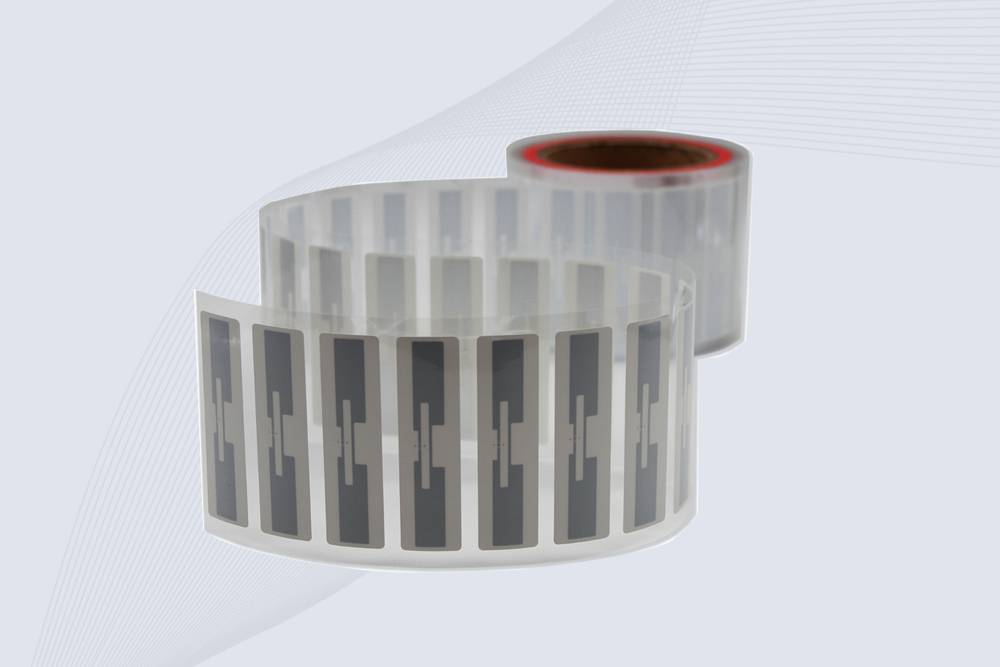
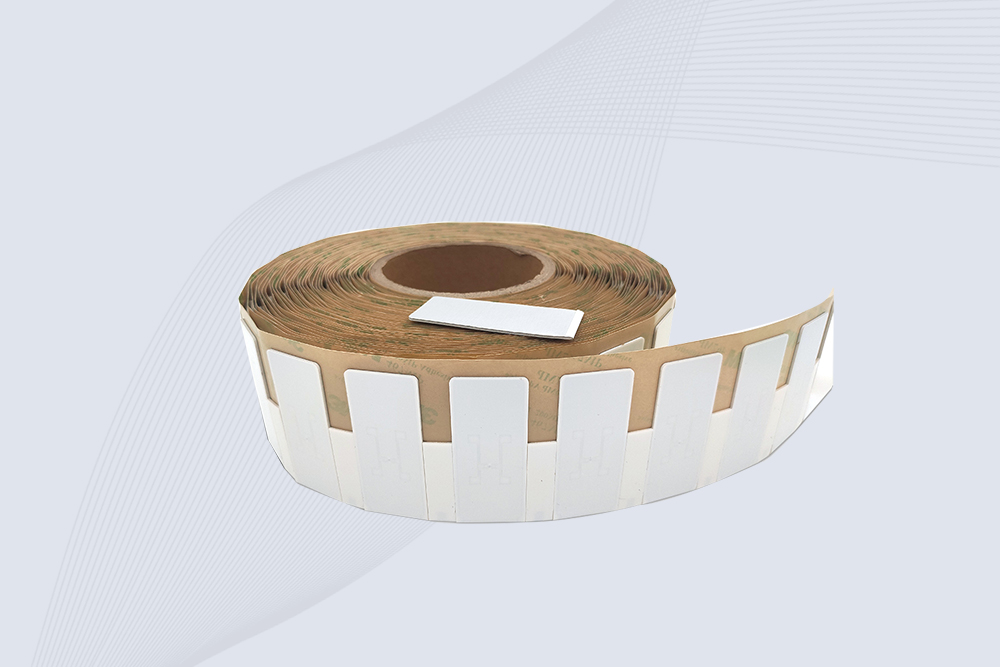
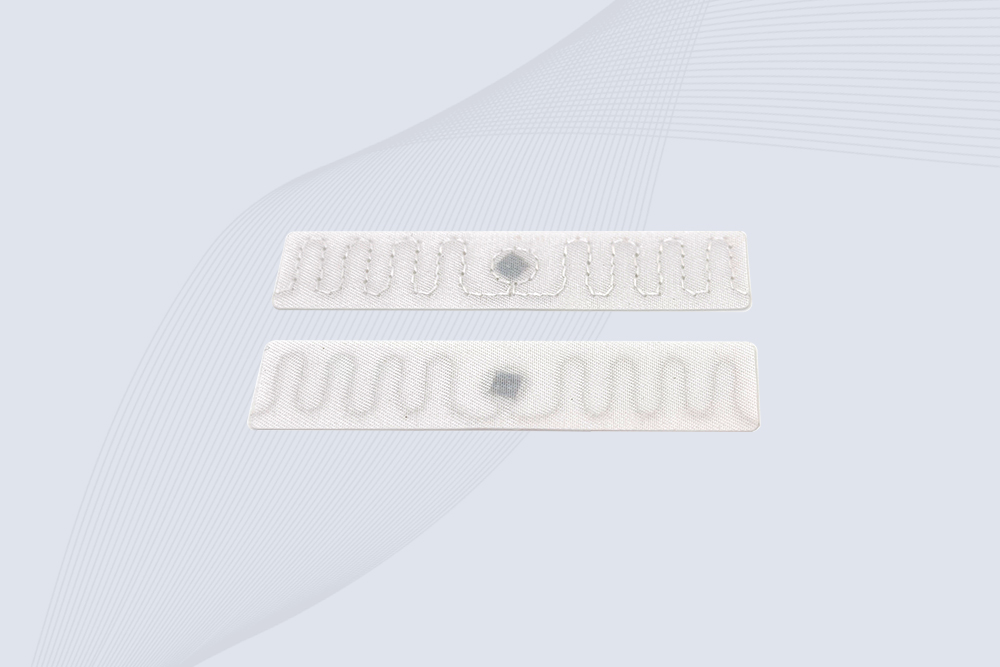
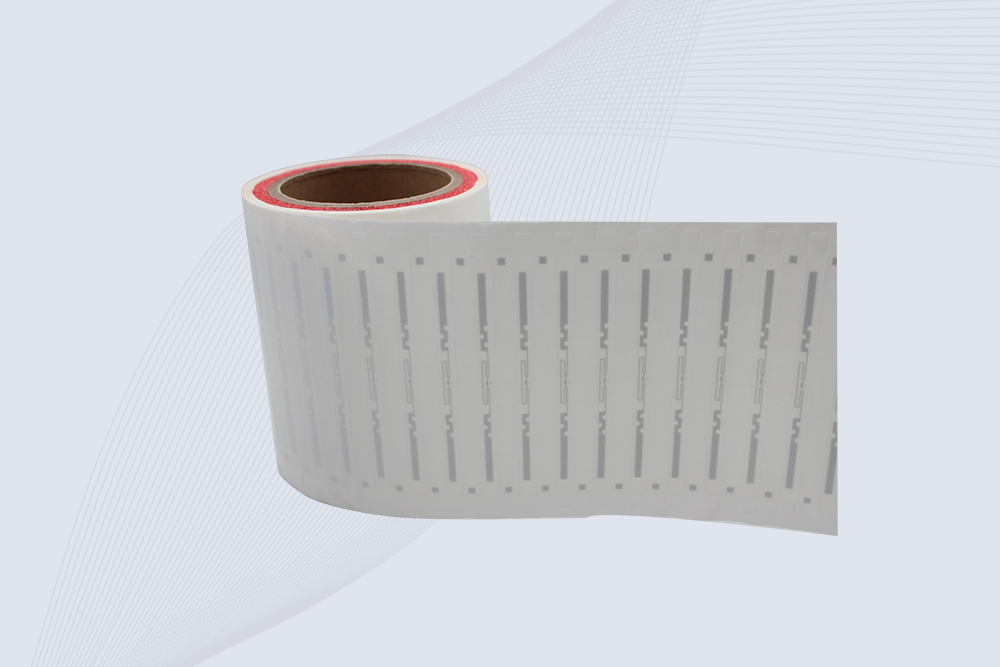
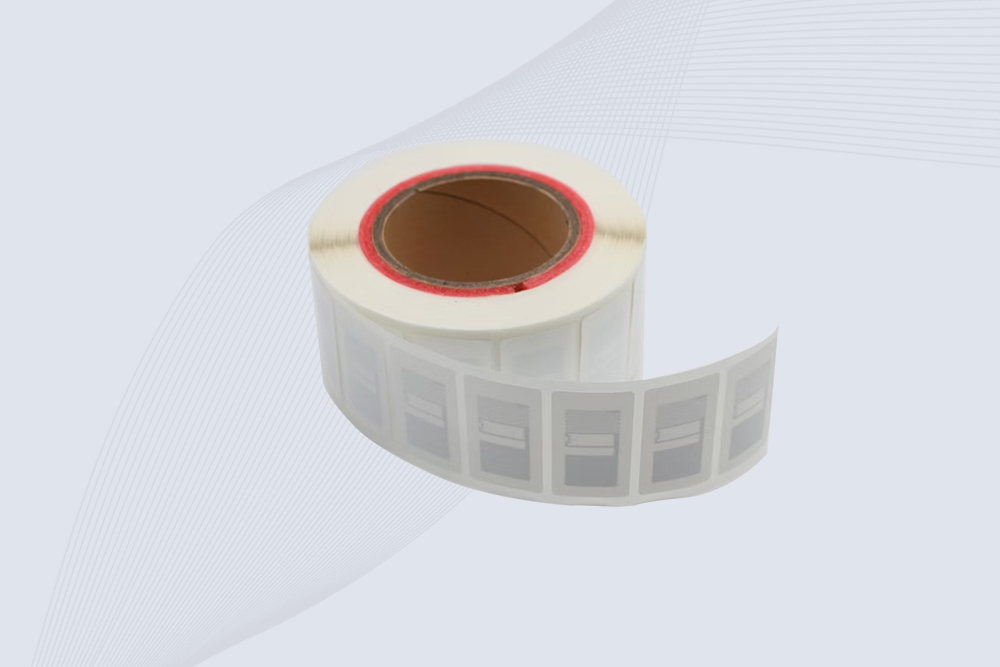

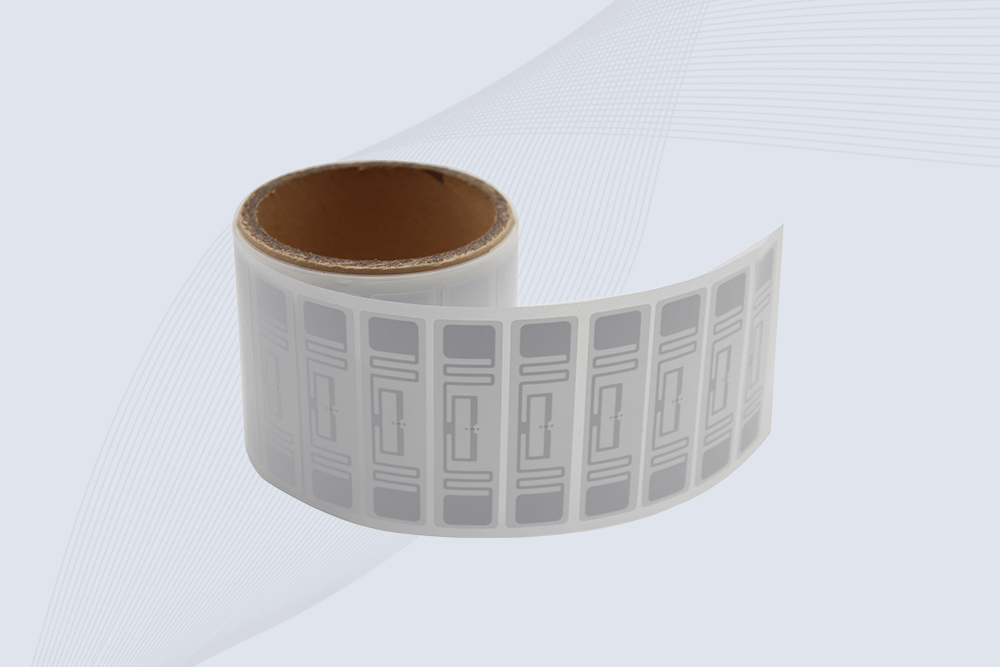


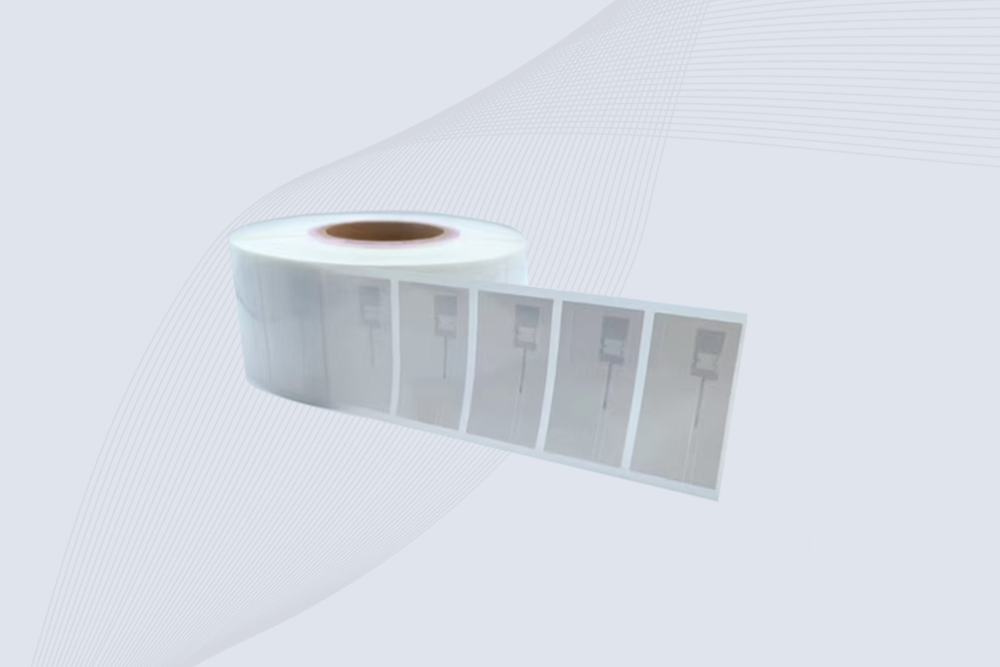
RFID Tags for Inventory Management
119RFID tags for inventory management explained from real use cases. See how warehouses actually track stock faster, cleaner, and with fewer mistakes.
MoreAll RFID Product
Extending your RFID reader’s scanning range is critical for industries like logistics, warehousing, and retail, where fast, accurate data capture drives productivity. While many assume hardware upgrades are the only solution, optimizing your existing setup can significantly boost range and efficiency. Below, we break down seven proven methods to maximize RFID read distances without costly replacements.
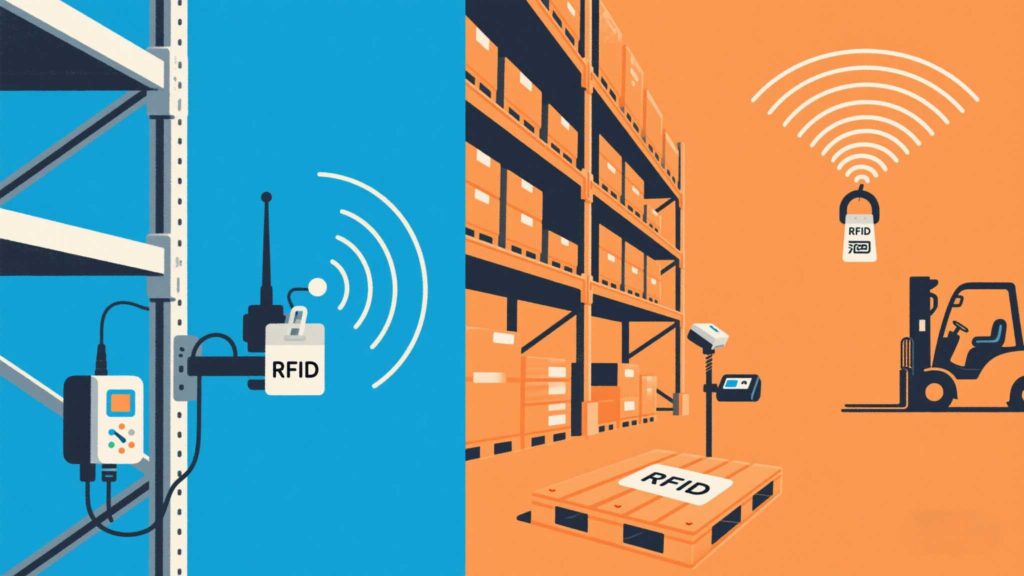
RFID readers rely on antennas to transmit and receive signals. Elevating the antenna 6–10 feet above ground level minimizes obstructions, while tilting it at a 15–30° angle toward the target zone ensures optimal signal coverage. For example, Cykeo’s directional antennas focus energy into a narrow beam, doubling read ranges in cluttered environments.
Standard antennas (6–8 dBi) work for short-range tasks, but high-gain antennas (10–12 dBi) concentrate signals farther. Pair them with circular polarization to handle tag orientation shifts, ideal for pallet tracking in warehouses.
Wi-Fi routers, metal surfaces, and machinery emit RFI that disrupts RFID signals. Mitigate this by:
Most UHF RFID readers allow transmit power adjustments (1–4W). Increasing power amplifies signal strength but risks interference. Test increments of 0.5W until you hit the “sweet spot” for your environment.
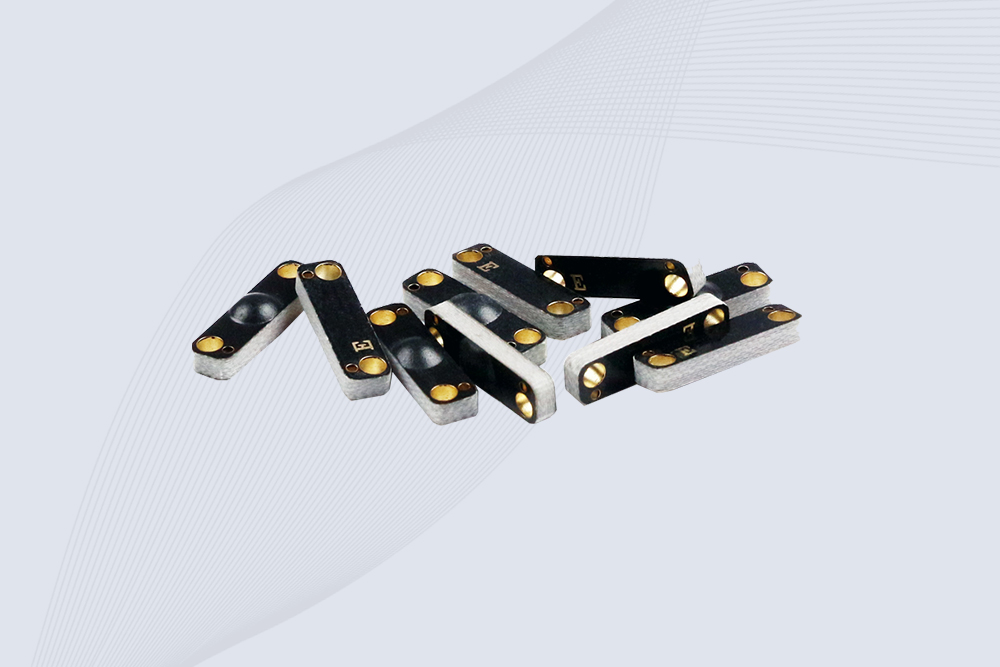
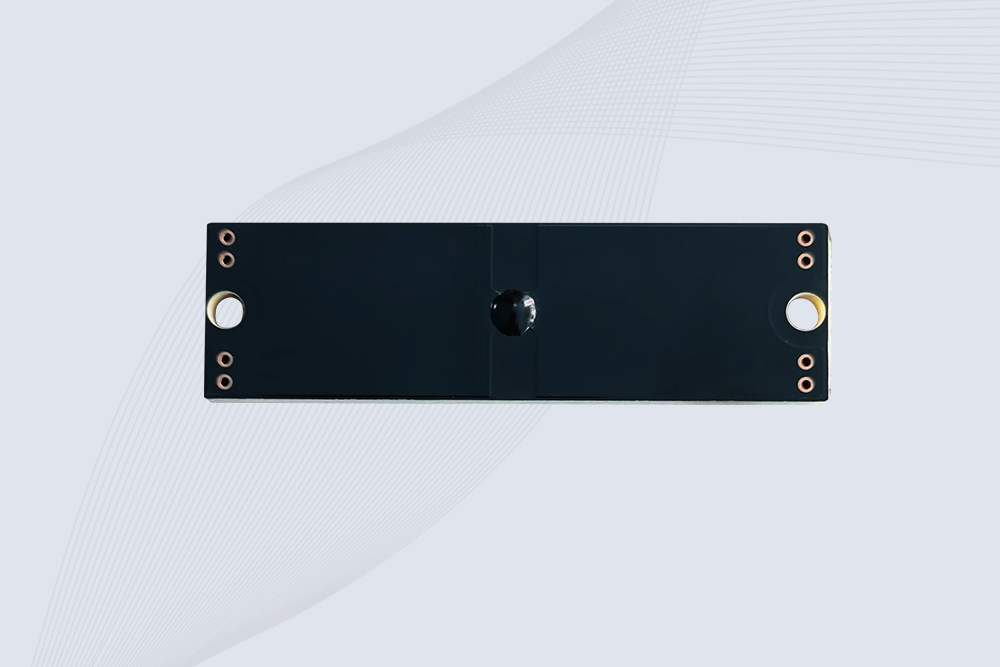
Tags with impinj Monza® or Higgs® chips enhance sensitivity, enabling reads at 40+ feet. For metal surfaces, use on-metal tags with foam spacers to prevent signal absorption.
RFID middleware like Cykeo’s RangeBoost Pro eliminates duplicate reads and filters out weak signals, improving accuracy for long-range applications.
Signal attenuation varies with layout changes. Use a handheld RFID reader to map “dead zones” and adjust antenna positions quarterly.
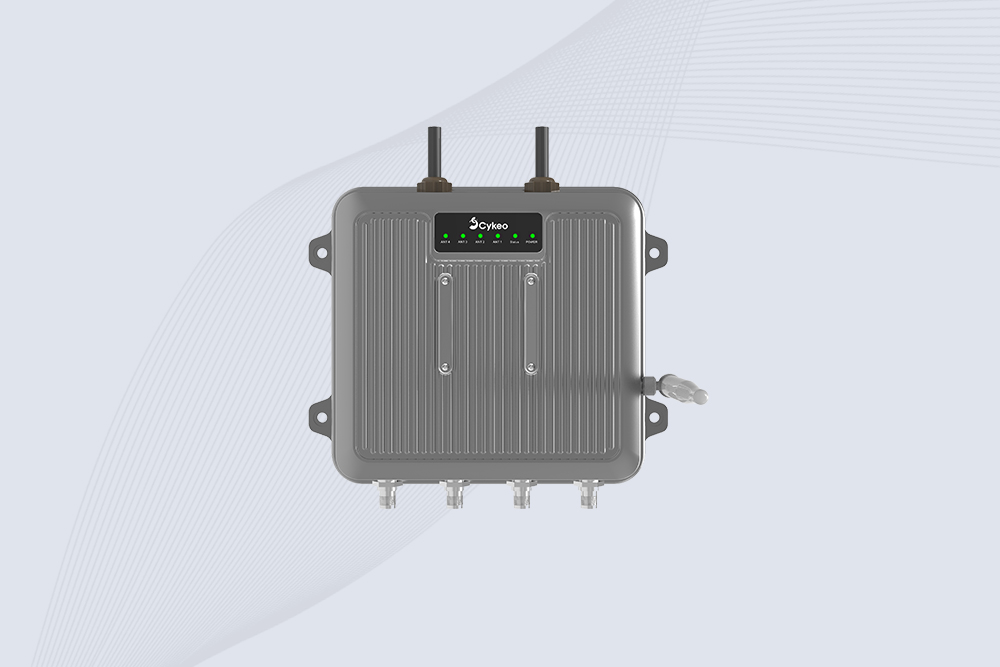
Cykeo’s industrial-grade readers feature adaptive power control and anti-interference algorithms tested in harsh environments, from freezer warehouses to construction sites. Their software-hardware integration ensures reliable reads at up to 50 feet.

RFID tags for inventory management explained from real use cases. See how warehouses actually track stock faster, cleaner, and with fewer mistakes.
More
CK-A5 5dBi RFID antenna’s real-world value in enterprise RFID deployments. With high gain, full-band support, and easy integration, this antenna is perfect for warehouses, manufacturing floors, and global logistics systems.
More
Wondering "can RFID reader read NFC tag"? Discover the technical relationship between RFID and NFC, compatibility factors, and how CYKEO solutions bridge both technologies for seamless access control.
More
Inventory management is a vital aspect of business operations. It directly impacts asset security, cost control, and operational efficiency. However, traditional inventory methods often rely on manual processes, which are not only ineffi...
More