 Cykeo RFID IoT Solution Products R&D Manufacturer
Can Android Phone Read RFID?
69Find out if your Android phone can read RFID. We explain the NFC capability, what types of tags work, and why it's not suitable for business asset tracking.
MoreAll RFID Product
When I first started working with RFID systems, I remember the headache of picking the “right” antenna. At the time, every datasheet looked promising, but the real test came in the warehouse. Some antennas would give perfect read rates in the lab, only to fail when boxes and metal shelves came into play. That’s when I realized: picking a UHF RFID antenna isn’t just about specs—it’s about context.
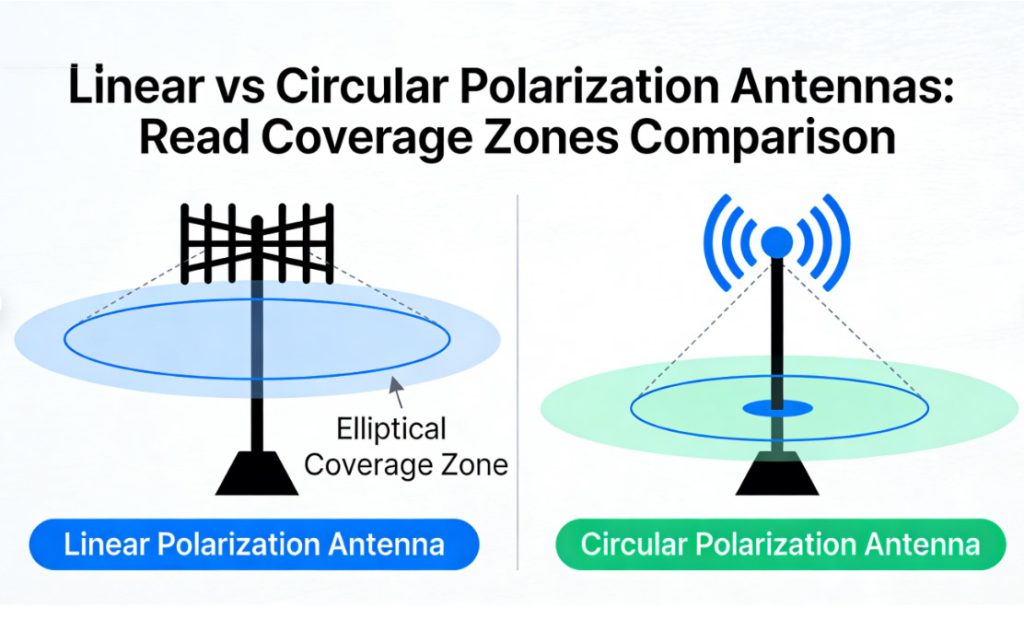
Gain and Polarization Matter More Than You Think
People often focus on gain numbers like they’re gold. Sure, high-gain antennas can reach farther, but if your tags are all over the place or turning randomly, a high-gain, linear-polarized antenna might actually read less than a lower-gain circular-polarized one. My rule of thumb? Look at your tag orientation, distance, and density before choosing.
Environment Is Everything
I’ve seen antennas fail not because they were “bad,” but because metal walls or liquids were in the field. Even a tiny water spill near a reader can kill the read rate. That’s why considering the installation environment is just as important as the antenna type. Products like Cykeo UHF RFID antennas offer models with better shielding and IP-rated designs, which makes a noticeable difference in harsh settings.
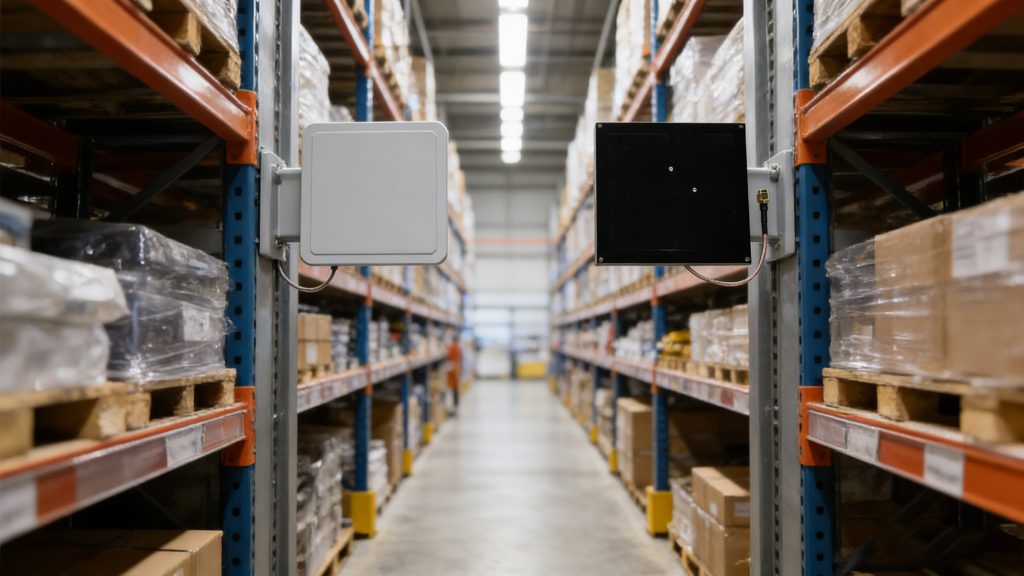
Test Early, Adjust Often
One tip I always share with integrators: don’t commit to a single antenna layout before testing. Place a few types in real-world positions, watch the read patterns, tweak angles. Often, small changes—just tilting an antenna a few degrees—can save hours of troubleshooting later.
Takeaway
Choosing the right UHF RFID antenna is more art than science. Specs are a starting point, but field testing, environment awareness, and practical adjustments decide whether your system actually works. Checking out a variety of options, like those on Cykeo’s antenna page, is a good way to see what fits your specific project needs.
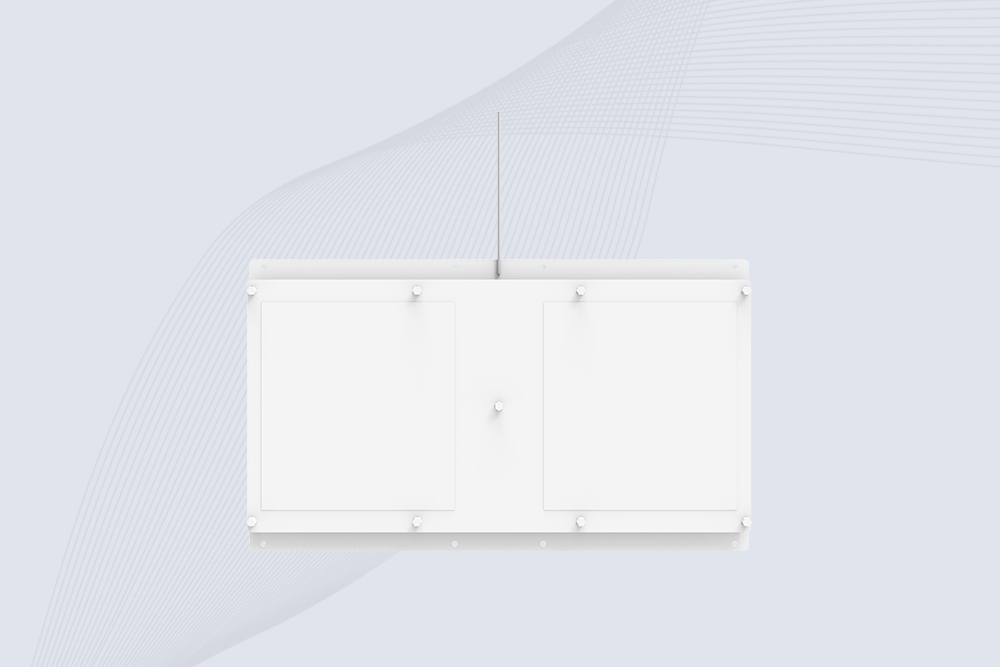
Cykeo CYKEO-A11 UHF RFID reader antenna delivers 11dBi gain, 840-960MHz frequency range, and IP65 ruggedness for retail, logistics, and industrial RFID systems. Features low VSWR and easy installation.
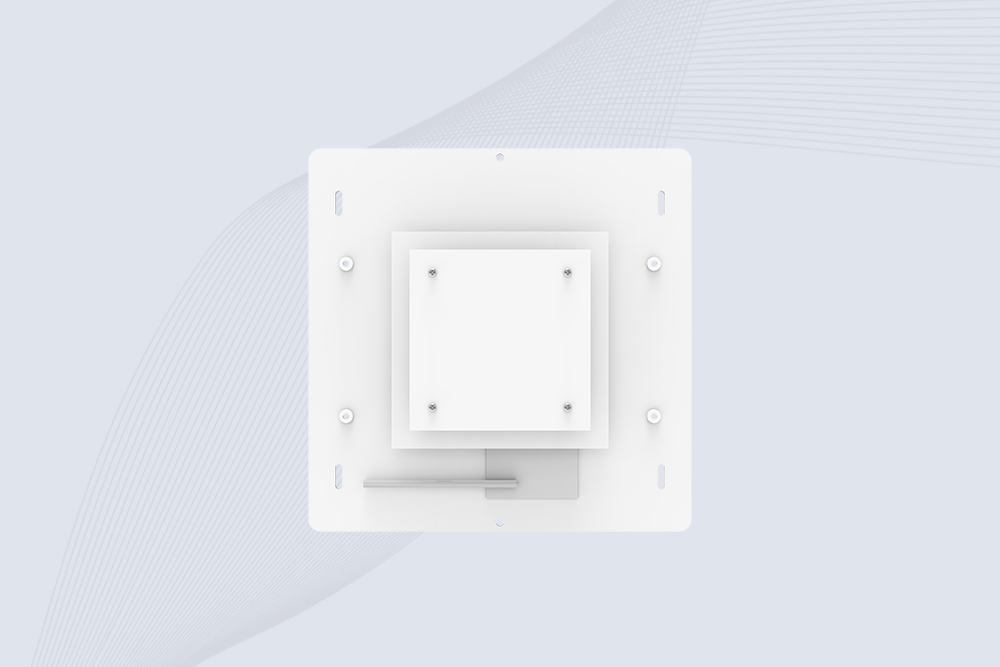
CYKEO Antenna RFID Reader delivers stable long-range UHF performance with a 10.5dBi directional design, built for warehouses, conveyor portals, and industrial RFID systems. This rfid reader antenna provides 20m+ read distance and rugged IP67 protection.

Cykeo CYKEO-PHF3 industrial HF RFID Antenna offers 24-point dynamic tracking, ISO 14443A/15693 protocols, metal-environment stability for archives/libraries/manufacturing.

Cykeo CYKEO-A5B industrial Linear RFID Antenna delivers 5dBi gain, ≤1.5:1 VSWR, and IP65 rugged design for warehouse, production line, and logistics UHF systems.

Cykeo’s CYKEO-B12 Long Range RFID Antenna delivers 15m+ read range with 12dBi gain, IP65 rugged design, and global 840-960MHz UHF support. Ideal for warehouse/logistics asset tracking.
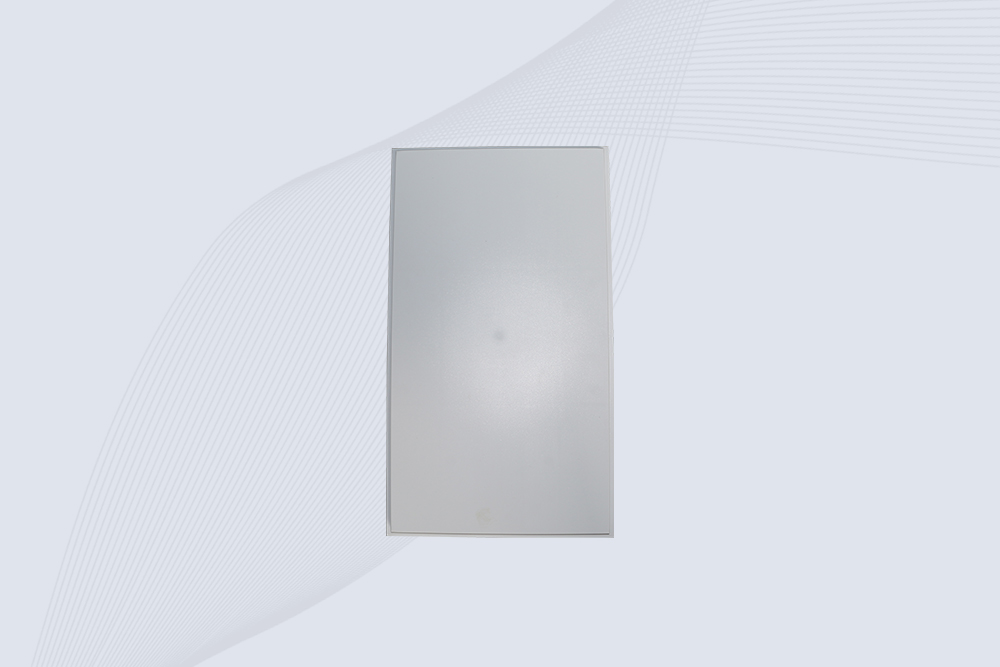
Cykeo CYKEO-B10 Long Distance RFID Antenna offers 10dBi gain, 840-960MHz frequency range, IP65 rating, and 20m+ coverage for logistics/warehousing/ETC systems. Low VSWR ensures stable signal transmission.
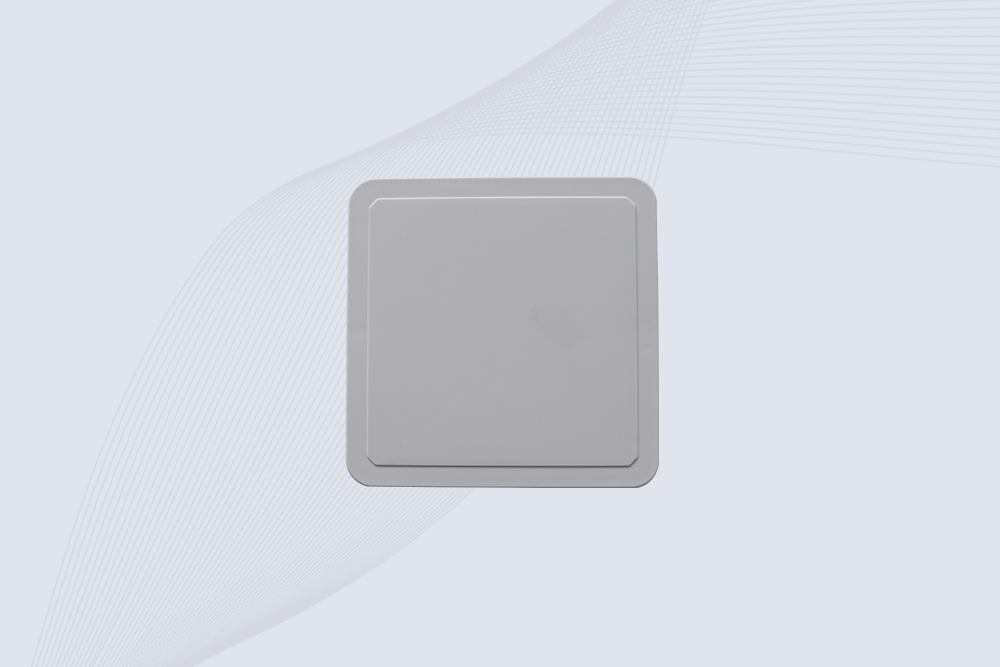
Cykeo CYKEO-A6 UHF RFID panel antenna features 6dBi gain, 840-960MHz broadband, IP65 metal-ready housing for logistics/smart retail. 18mm ultra-thin design with tool-free mounting.

Cykeo CK-A3 industrial antenna RFID UHF offers 5m+ tag detection, ≤1.3:1 VSWR, IP65 rugged design, and global UHF spectrum compatibility (840-960MHz) for warehouses, factories, and retail.
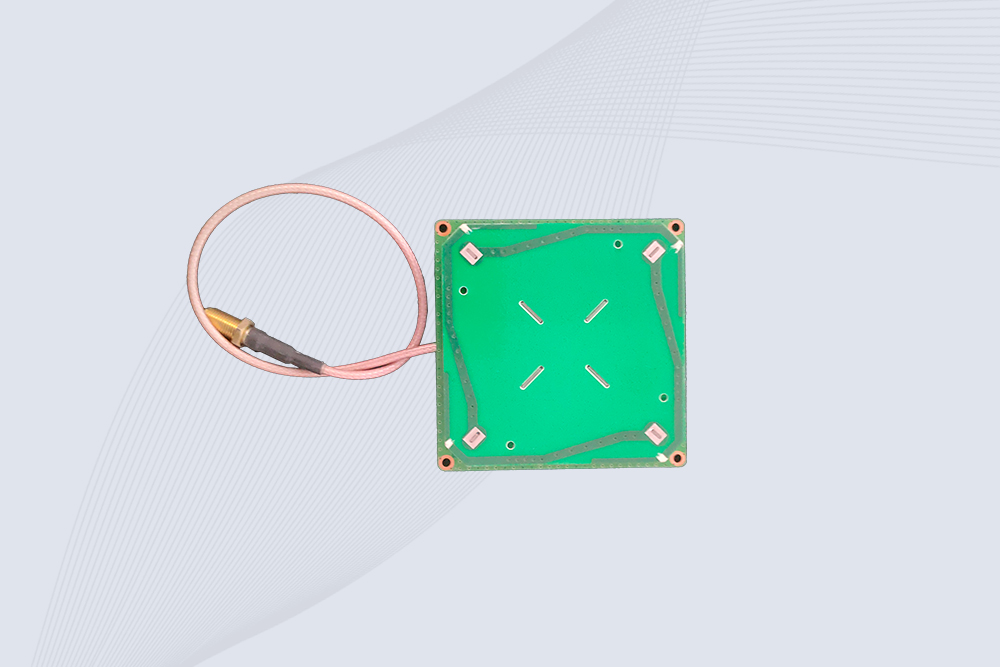
Cykeo CYKEO-B5 directional RFID antenna provides 5dBi gain with 60° narrow beamwidth for precise inventory tracking. IP65-rated, global UHF frequency support, and low VSWR.
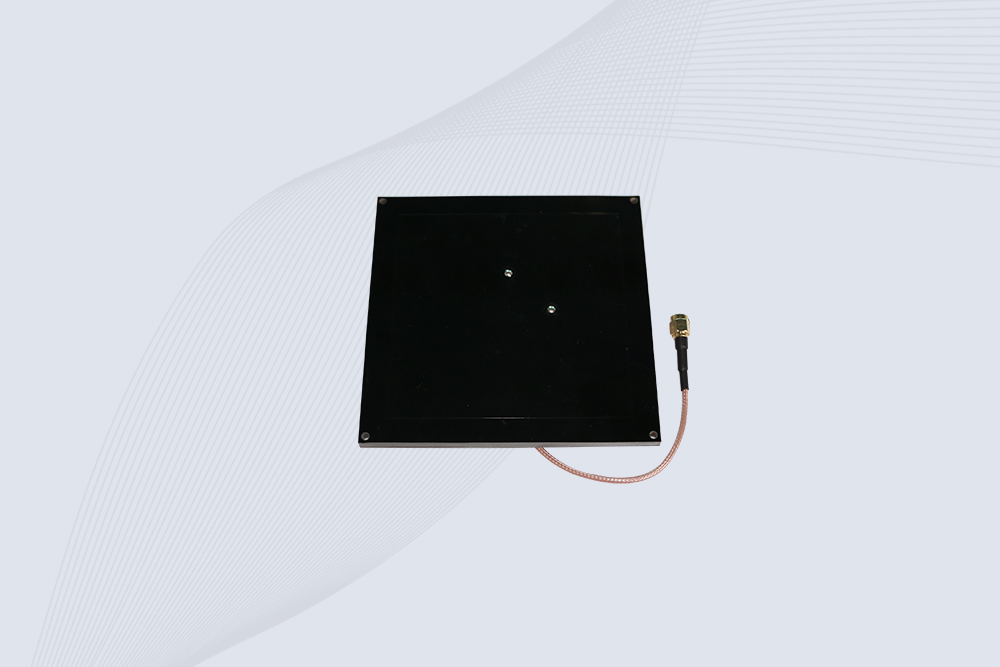
Create your own high-performance DIY RFID antenna! 5dBi gain, 840-960MHz tunable, step-by-step guides. Compatible with Arduino, Raspberry Pi, and commercial UHF readers.
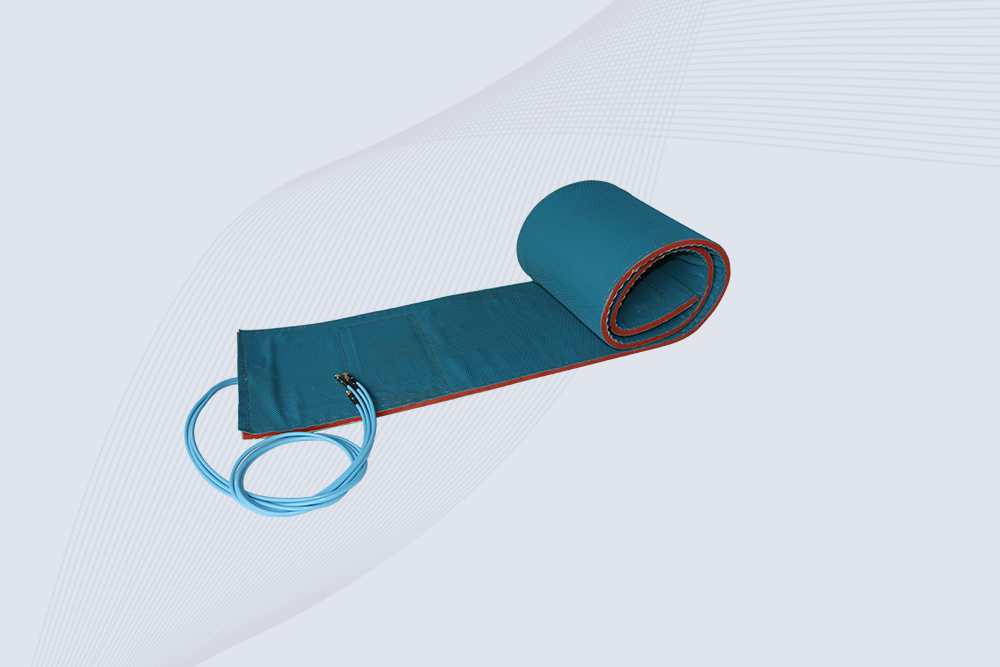
Cykeo CYKEO-A7 Flexible RFID Antenna features 840-960MHz wideband tuning, 7dBi gain, and IP68 rating for medical/retail/industrial curved surface deployments. 98% read accuracy with peel-and-stick installation.
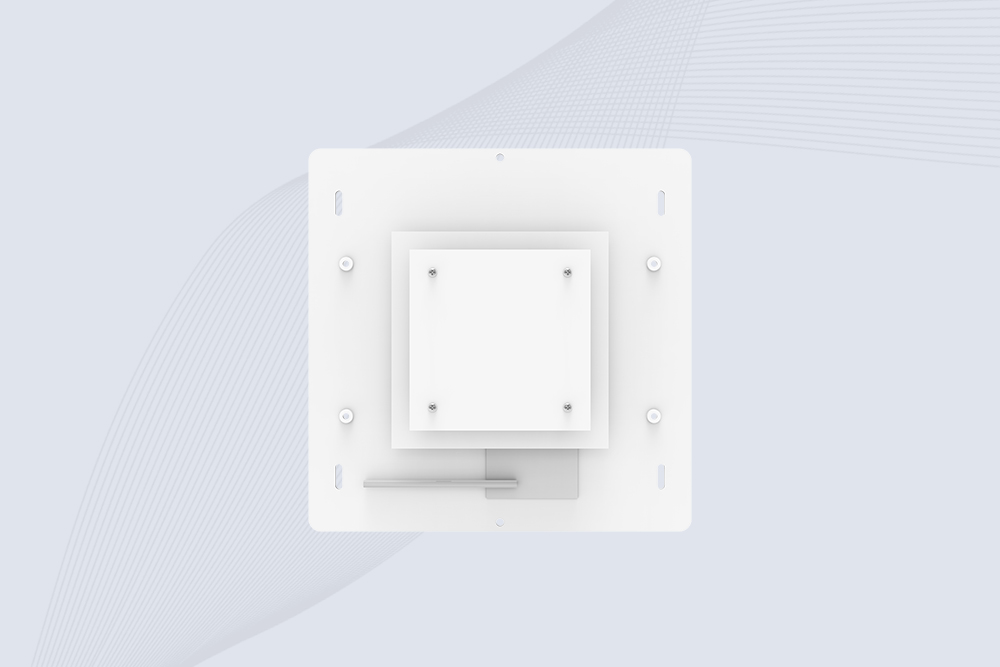
Cykeo CYKEO-B5A industrial Passive RFID Antenna delivers 5dBi gain, 70° beamwidth, and -40°C~55°C operation for warehouses/smart cabinets. Compatible with Zebra/Impinj readers.
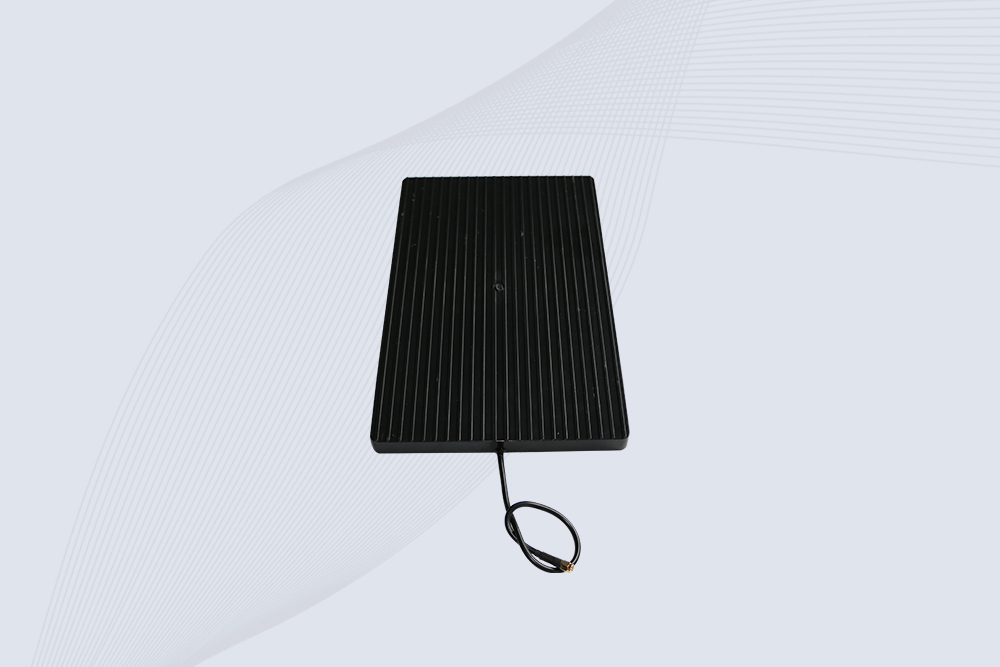
Cykeo’s CYKEO-A9B High Gain RFID Antenna delivers 15m+ read range with 9dBi amplification. Features IP54 rugged design, 840-960MHz bandwidth, and 80° beamwidth for warehouse/manufacturing RFID systems.

Cykeo’s enterprise-grade 8dbi Impinj RFID Antenna 10m+ read range with 840-960MHz tuning. Features IP65 housing, 1.4 VSWR, 35° beamwidth for retail/warehouse RFID systems.
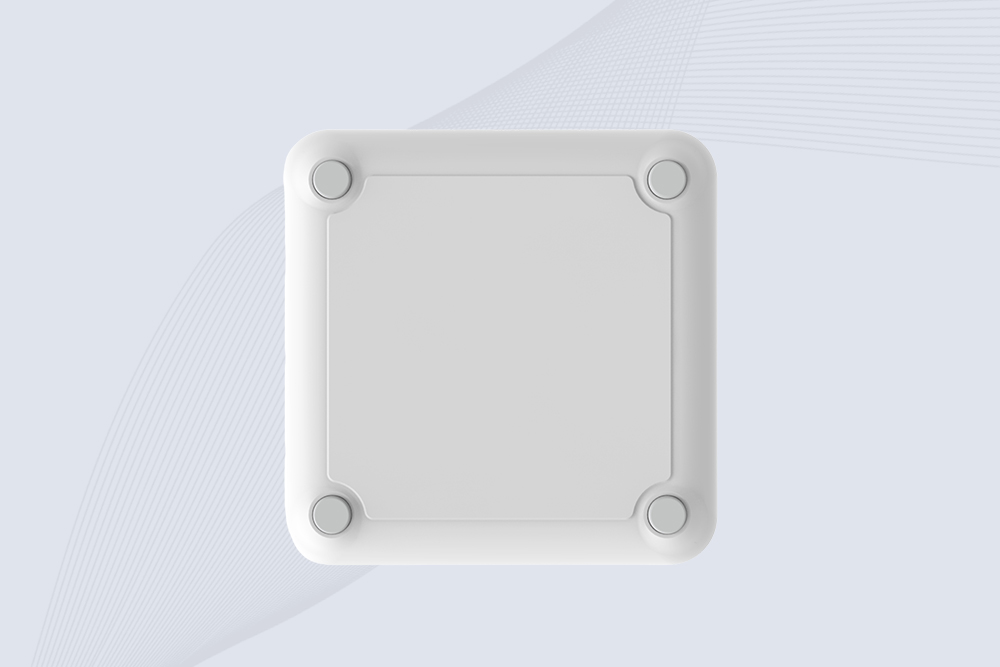
Cykeo CYKEO-A9 industrial UHF RFID antenna delivers 9dBi gain, 840-960MHz frequency range, and IP65 protection for warehouse/logistics/retail RFID systems. Features N-type connector and ≤1.3:1 VSWR.
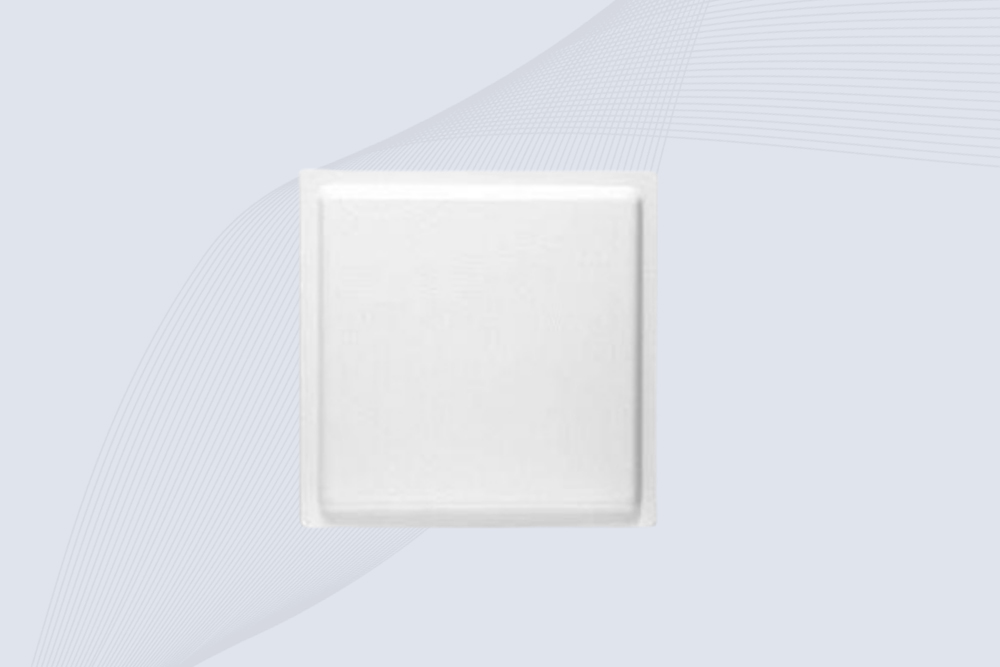
CYKEO UHF RFID Antenna built for long-distance and industrial applications. This antenna rfid uhf delivers strong gain, outdoor durability, and reliable tag performance in warehouses, yards, and vehicle ID systems.
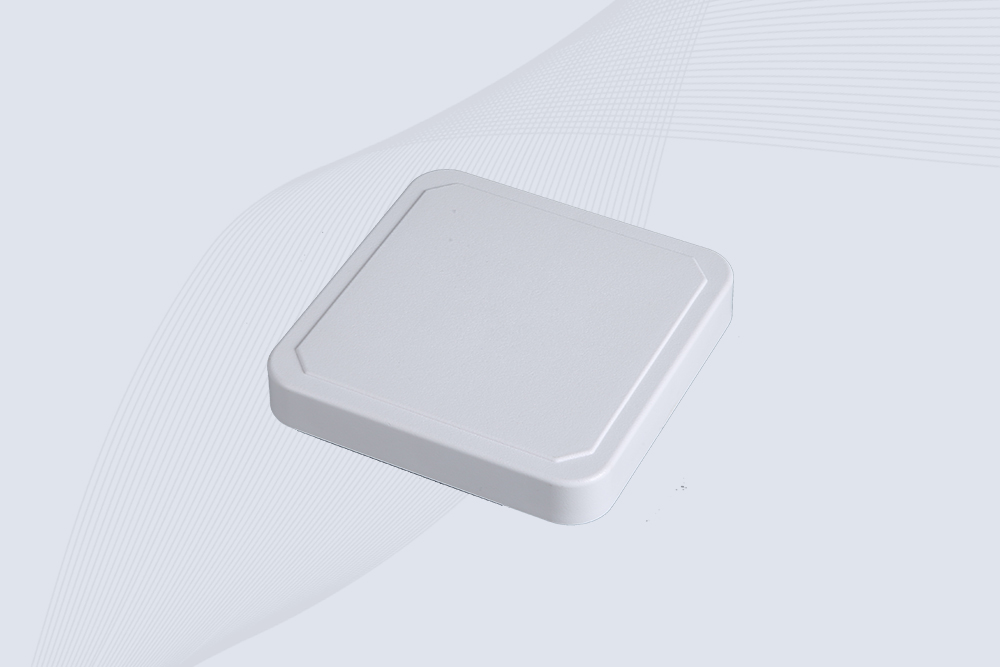
CYKEO Antenna RFID delivers reliable long-range UHF performance in warehouses, retail shelves, and cold-chain environments. This compact uhf rfid antenna provides stable reads with circular polarization and ultra-wide 840–960 MHz support, ideal for industrial tracking, smart shelves, and asset monitoring.
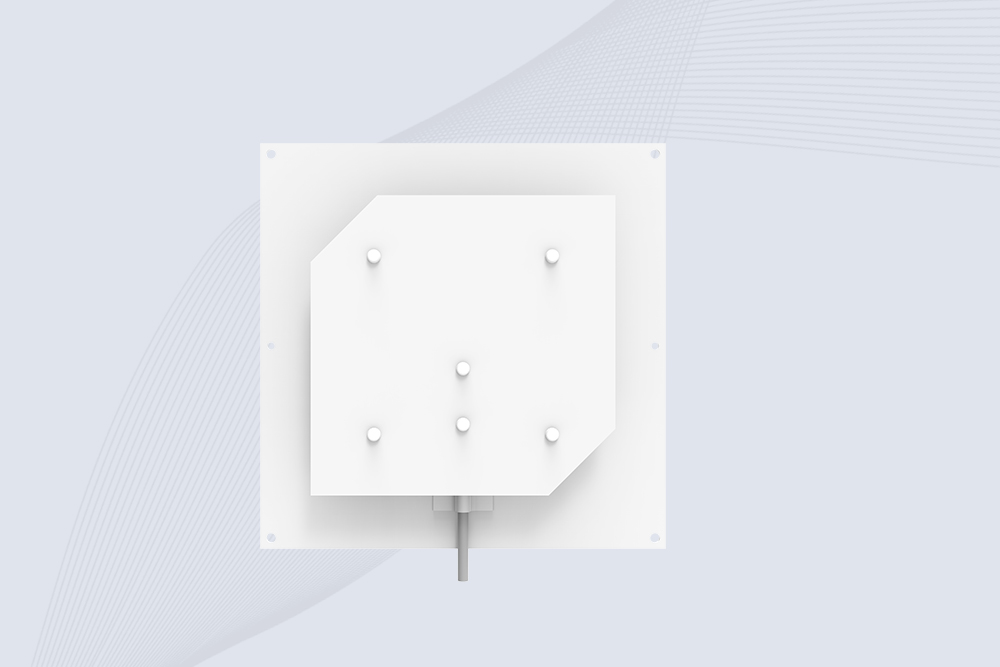
Cykeo’s CYKEO-C8 UHF RFID antennas delivers 8dBi gain, 840-960MHz full-band coverage, and IP65 ruggedness for manufacturing/warehouse RFID systems. Industrial RFID Antennas Features
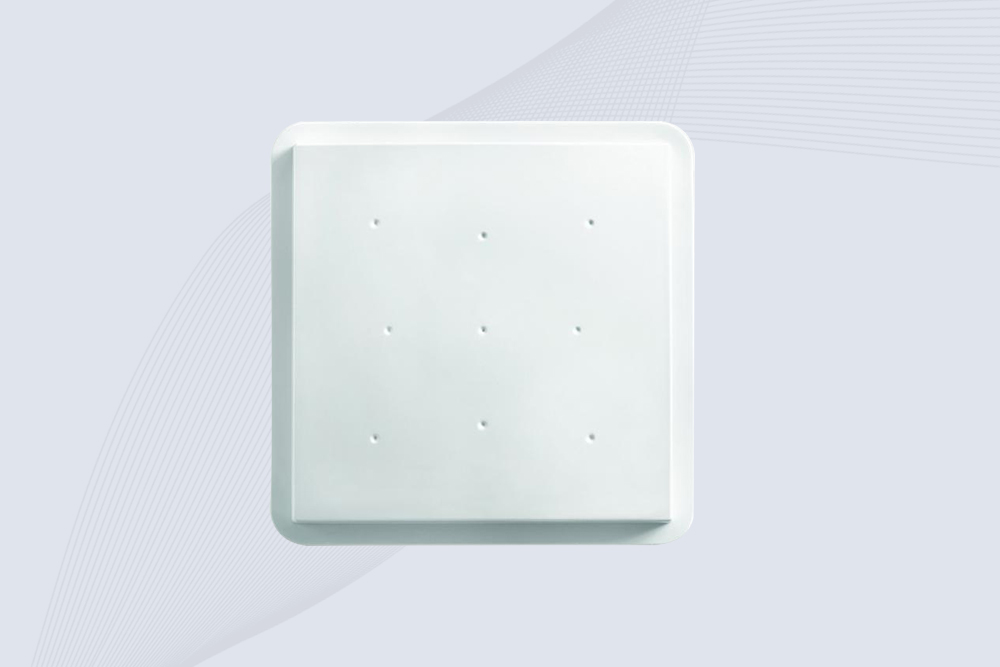
Cykeo’s 8dBi UHF RFID antenna and reader kit delivers 10m+ range, 840-960MHz broadband, and IP65 ruggedness for factories, warehouses, and logistics. ISO 18000-6C & EPC Gen2 certified.
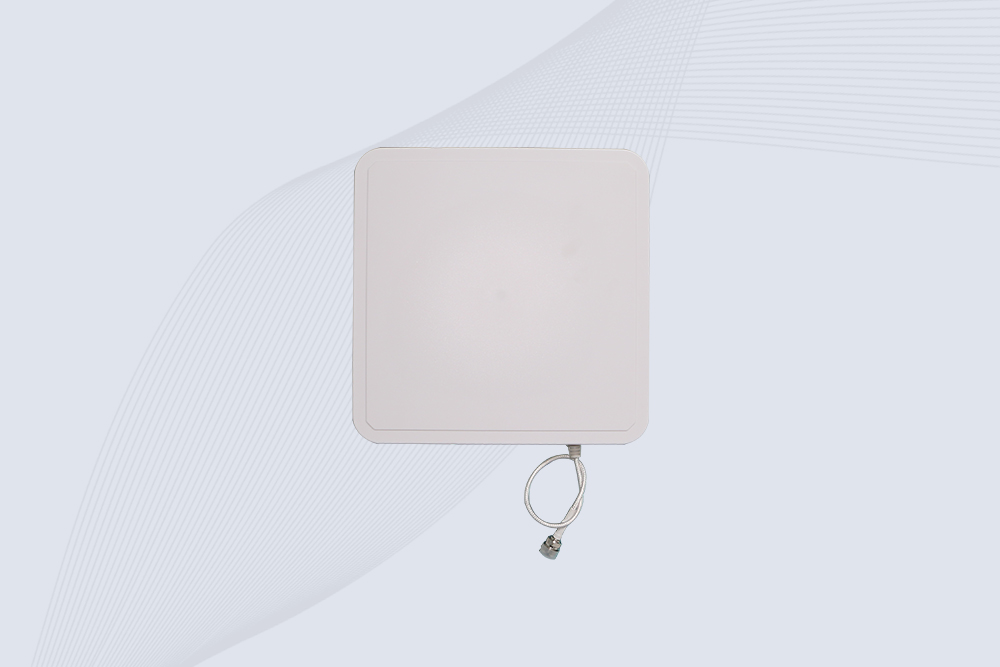
Cykeo CYKEO-A9A industrial UHF RFID reader and antenna kit delivers 10m range, 500 tags/sec, IP65 ruggedness for manufacturing/logistics. Supports EPC Gen2, ISO18000-6C.
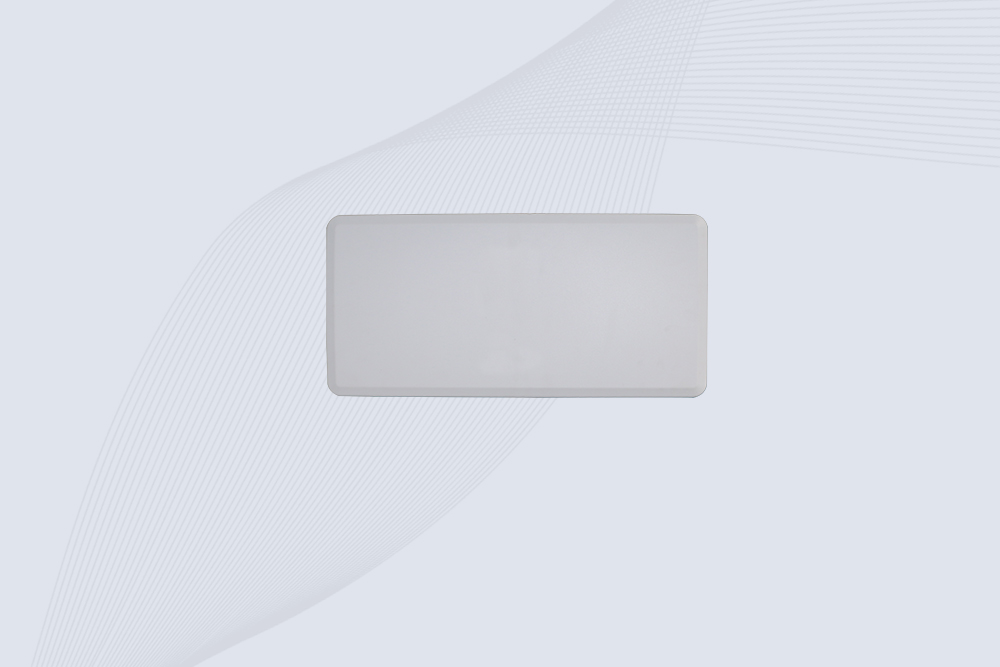
Cykeo’s CYKEO-A12C UHF Large RFID Antenna delivers 12dBi gain, 840-960MHz global frequency, IP65 ruggedness for logistics/warehousing/automotive. 40° beamwidth ensures stable 15m+ tag reads.

CYKEO Near Field RFID Antenna provides precise 5–30 cm reading for shelves, cabinets, and workstations. This compact rfid shelf antenna delivers stable short-range performance around metal and clutter, ideal for pharmacies, libraries, and electronics sorting.

Find out if your Android phone can read RFID. We explain the NFC capability, what types of tags work, and why it's not suitable for business asset tracking.
More
Want to learn how to build a RFID reader? We walk through two practical approaches using Arduino/Raspberry Pi and explain when you should just buy one instead.
More
Attendance RFID Card Reader has become a popular choice for optimizing attendance systems in modern enterprises
More
Can RFID modules bridge physical and virtual worlds? Explore how they track metaverse assets, enhance NFTs, and Cykeo’s role in Web3-ready solutions.
More