If you’ve ever worked in a warehouse, you know the pain: scanning every box, every pallet, one by one. It’s slow, tedious, and honestly, it’s easy to make mistakes.
Most warehouses still rely on people and barcodes. The problem?
Scanning items individually is painfully slow, especially when you’ve got hundreds of SKUs.
Barcodes only work if you can see them. Someone has to line up the scanner, aim, click, and record it. Miss one? Boom, inventory mismatch.
There’s no easy way to keep everything up-to-date in real time. By the time someone’s finished scanning, half the stock might have moved already.
Enter RFID. Especially UHF RFID. It can handle bulk reading, automate check-in/out, and track pallets, bins, or even big items. Suddenly, what used to take hours can be done in minutes.
What RFID Brings to the Table
Here’s why RFID is catching on fast in warehouses:
Batch scanning: No need to line up every box. RFID reads multiple tags at once, hundreds or even thousands.
Real-time updates: Move something in or out, and your system updates automatically. Less human error, more accuracy.
Speed: Receiving, shelving, picking, shipping—everything moves faster. Staff can focus on more important things than scanning.
Traceability: You can track where things are in the warehouse, batch info, and movement history. This is huge for high-value or sensitive products.
Fewer mistakes: Less chance of missed scans or shipping errors.
Basically, RFID turns warehouse management from tedious and error-prone into fast, automated, and trackable.
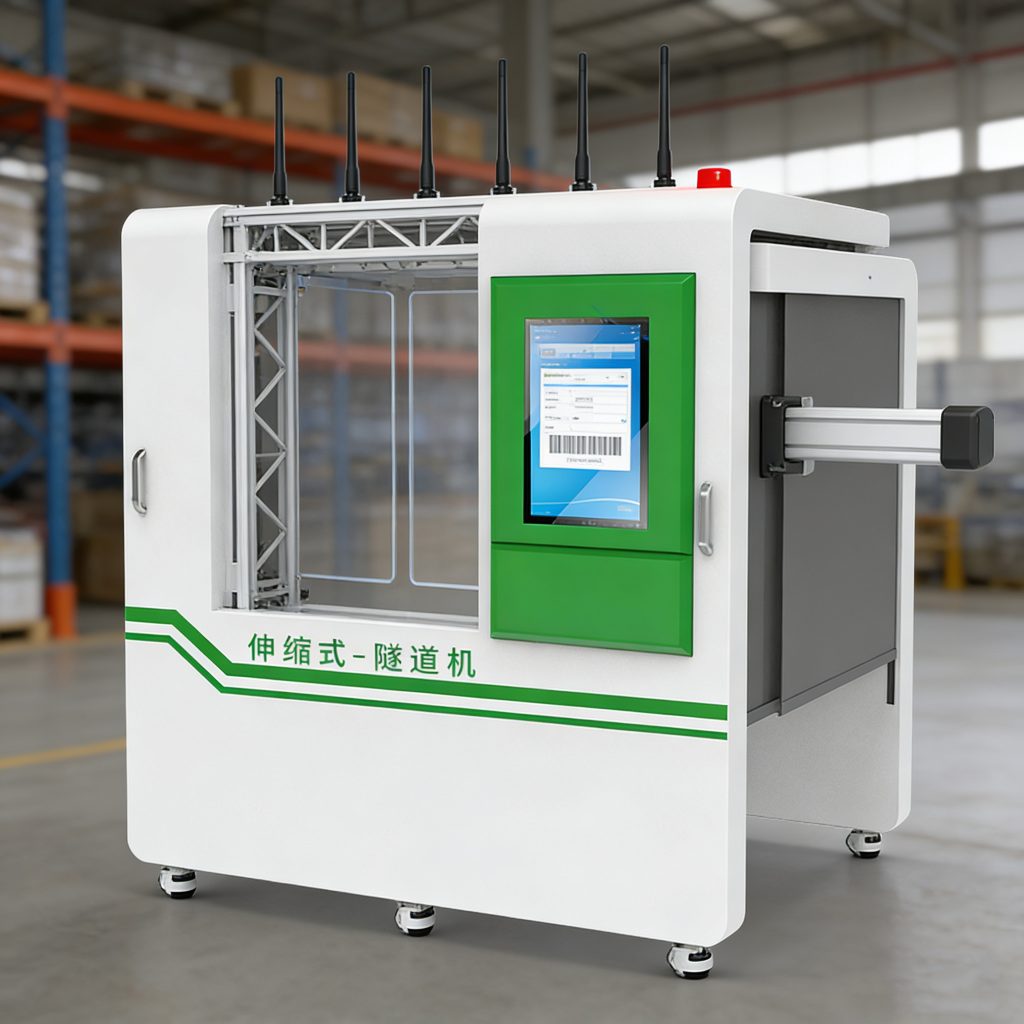
Meet the CK‑TP4A Retractable UHF RFID Gate
Think of the CK‑TP4A as a supercharged “door” for your warehouse. It’s designed for warehouses that need speed, density, and high-volume scanning. Here’s what makes it stand out:
6 antennas cover a wide area, reading 1,000+ tags at once.
Retractable design adjusts from 1400 mm to 2400 mm—so it works with trolleys, cages, pallets, whatever you push through.
Built-in screen (21.5 inches) shows real-time results and hooks into WMS/ERP or IoT systems easily.
Fast and rugged: Scans hundreds to thousands of tags in 3–10 seconds. Steel frame, dust- and water-resistant, built for warehouse life.
Basically, it’s for warehouses where speed, volume, and automation matter.
How Warehouses Use It
Receiving and shipping: Push a pallet or trolley through the gate, and every tag is scanned and logged automatically. No more scanning each box.
Inventory counts: Big warehouses can do a full stock count in minutes. Just roll the racks or trolleys through. Boom, done.
Transfers within the warehouse: Move stock from one zone to another? Gate logs it automatically. No paperwork, no lost items.
High-value items: Electronics, medical supplies, hotel linens, industrial parts—you name it. RFID helps prevent mistakes or losses.
Peak season operations: During busy periods, the gate handles lots of items at once, keeping everything moving smoothly.
Why It Beats Handheld Scanners
Sure, handheld RFID readers work for small warehouses. But for big operations? They quickly become a bottleneck.
Manual scanning slows everything down.
Batch scanning through a gate is faster and more consistent.
Integration with inventory systems is seamless.
If you’ve got lots of SKUs, frequent movements, or high-value goods, a gate like the CK‑TP4A is way more efficient.
The Payoff
Here’s what you get compared to old-school barcode scanning:
Aspect
RFID + CK‑TP4A
Manual / Barcode
Receiving/Shipping speed
3–10 sec per trolley, automatic logging
Scan each box/item individually, slow
Inventory counts
Full-warehouse counts in minutes
Manual, time-consuming, error-prone
Accuracy
95–99%+
Errors common, miscounts happen
Efficiency
Handles high-volume, peak hours
Bottlenecks easily
Traceability
Real-time stock movement
Mostly manual, delayed, incomplete
In short: faster, more accurate, and way less stressful.
Things to Watch Out For
Upfront costs: Tags, gate, integration, training—it adds up. Smaller warehouses might take longer to see ROI.
Environment matters: Metal shelves, liquid containers, densely packed items can interfere with signals. Proper setup is key.
Integration: Connecting to WMS/ERP or other systems can take some tech work.
Tag management: RFID tags cost more than paper labels and need monitoring.
Not for every warehouse: Small-scale or low-volume operations may still be fine with barcodes.
Bottom Line
RFID isn’t magic, but in the right warehouse, it changes everything. Faster, more accurate, real-time tracking, fewer mistakes, and higher throughput.
For anyone running a large warehouse, handling lots of SKUs, or moving high-value items, RFID and a gate like the CK‑TP4A are worth serious consideration. It’s how you turn a slow, error-prone operation into something smooth, automated, and trackable.
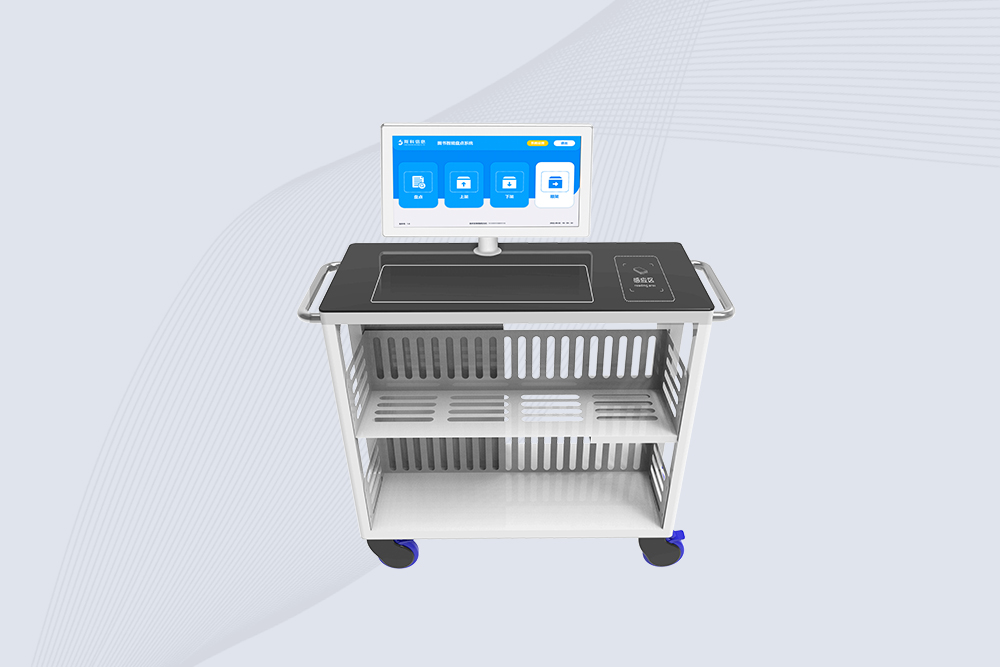
Cykeo CYKEO-C2 UHF RFID inventory cart features 10 UHF readers, 500 tags/sec scanning, Windows/Android OS, and hybrid power for warehouses/libraries. Supports ISO 18000-6C protocols and customization.
Cykeo’s industrial RFID Inventory Tracking station features dual scanning modes, 200+ items/sec bulk reading, and SAP integration for precise warehouse management. MIL-STD-810G certified with Windows/Android OS.
Cykeo CYKEO-D7 RFID system for inventory offers 40+ tags/sec scanning, 150L secure storage, and Impinj R2000 chipset for warehouses, toolrooms, and retail. Global frequency compliance (840-960MHz).
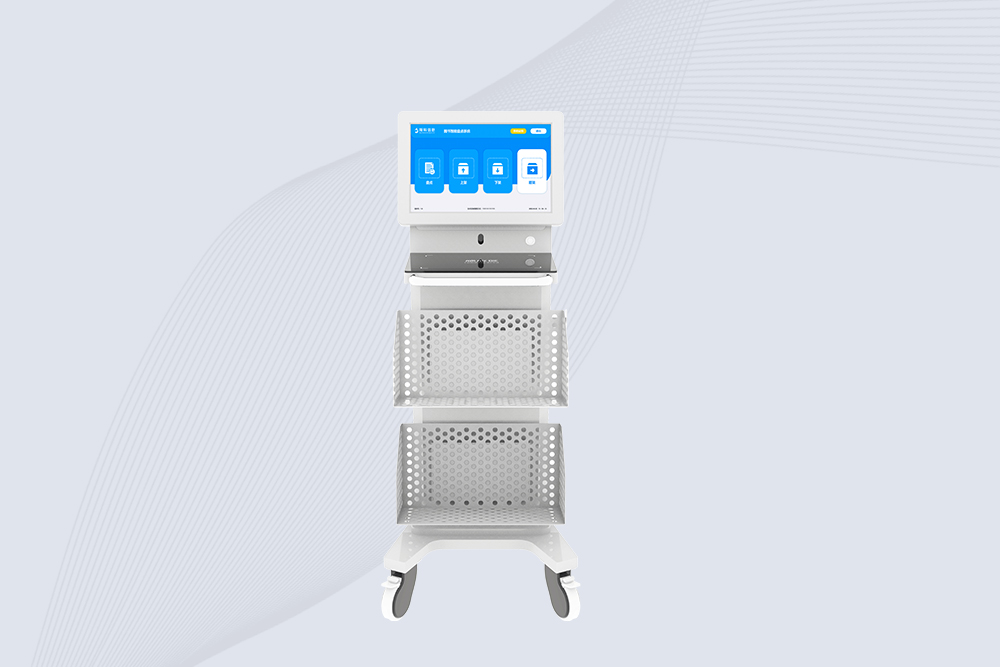
Cykeo CYKEO-C1 mobile RFID scanner cart features PLC-controlled antenna lifting, 10-tag/sec reading, and 21.5″ touchscreen for libraries, hospitals, and warehouses. Supports Windows/Android and multi-protocol RFID.
A practical look at handheld RFID readers for developers and system integrators, covering integration advantages, internal development use cases, and real-world RFID projects beyond inventory counting.
RFID in logistics improves inventory accuracy, real-time visibility, and cost efficiency across warehouses, transportation, and supply chain operations.
Confused by RFID tech? Learn what a RFID reader is, how it works, and why it's used in warehouses, stores, and access control. Get the plain facts here.
I’m sharing my hard-earned experience installing and tuning RFID access systems—everything from card read delays and signal interference to power tweaks. From datasheets to the real world, here’s how to avoid the mistakes I made.
 Cykeo RFID IoT Solution Products R&D Manufacturer