 Cykeo RFID IoT Solution Products R&D Manufacturer





Cost of RFID Tags vs Barcodes: 2025 Price Breakdown & Hidden Fees
794True cost of RFID tags vs barcodes exposed: See why "cheap" labels cost 350% more long-term. Calculate your break-even point + real-world pricing.
MoreAll RFID Product
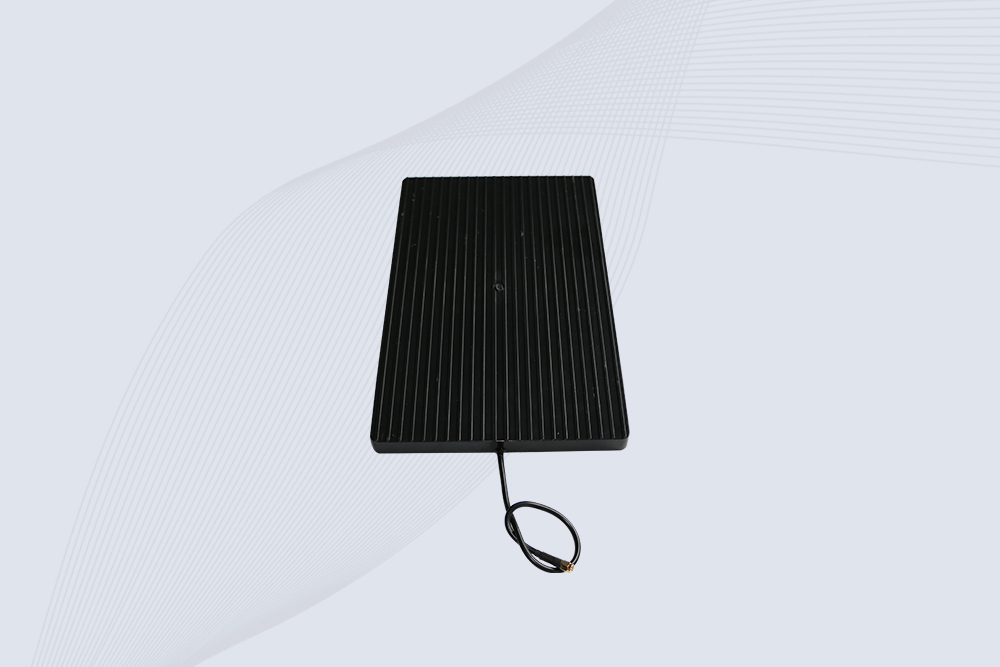
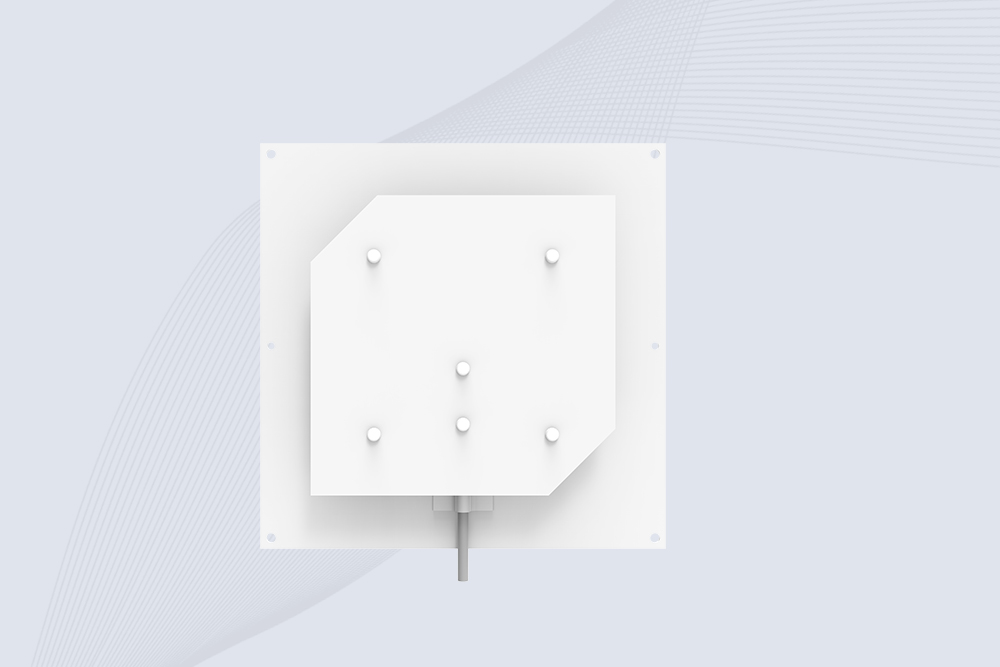
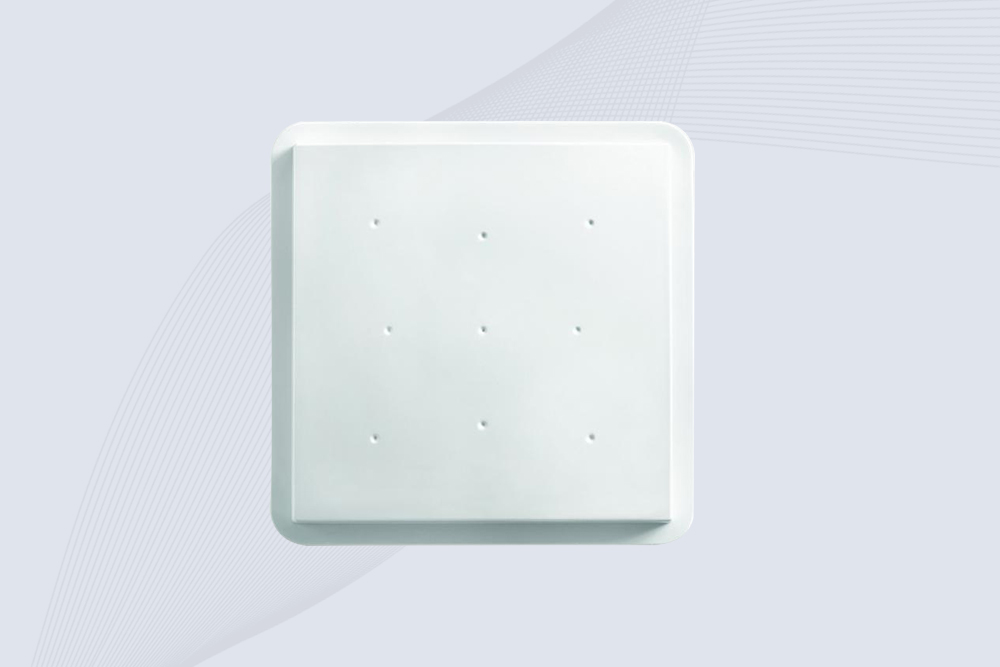
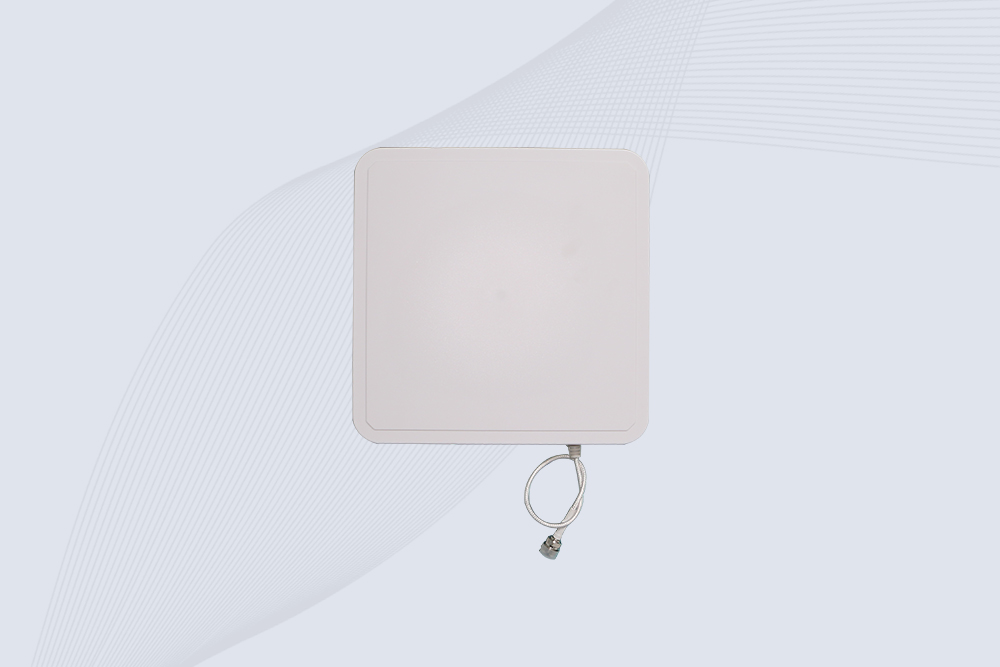
When you see someone scan a box without touching it, there’s an invisible conversation happening. The key player in that conversation is often overlooked: the antenna. So, how RFID antenna works is really about understanding this simple, two-part job. Think of the antenna as both a megaphone and a sensitive ear for your RFID system. Without it, the reader and tags might as well be in different countries.
The reader starts the process. It creates a signal—a digital command asking “who’s there?”—and sends it as electricity through a cable to the antenna.
Here’s the first critical step in how RFID antenna works: conversion. The antenna takes this electrical energy and transforms it into radio waves that can fly through the air. For the common UHF systems used in warehouses, this broadcast does something amazing. It doesn’t just carry the question; it also delivers the power needed to wake up any passive RFID tags in its path. The tag soaks up energy from this radio wave to turn on its tiny chip. This RFID antenna power transfer process is what makes battery-free tags possible.
Once powered, the tag answers. It doesn’t have its own power source to shout back. Instead, it subtly changes the signal it’s receiving and reflects that altered wave back toward the antenna, like a mirror that changes the color of the light it reflects.
This return signal is incredibly faint. Now comes the antenna’s second, equally vital role. It acts as a highly tuned receiver, capturing these weak, reflected radio waves. It converts them back into an electrical signal and sends it up the cable to the reader. The reader then decodes this signal into the tag’s unique ID or stored data. This RFID antenna transmission and reception cycle happens in milliseconds.
Grasping the basics of RFID antenna function helps you troubleshoot. If tags aren’t reading, the issue might be that the antenna isn’t shouting effectively (low power output, wrong polarization) or isn’t listening well (poor reception sensitivity, interference).
The antenna’s design—its shape, size, and internal components—determines how well it performs both jobs. A good antenna efficiently converts energy both ways with minimal loss. When you’re understanding the RFID antenna’s role, you see it’s not a passive accessory. It’s the active, essential translator that makes the entire wireless conversation possible.
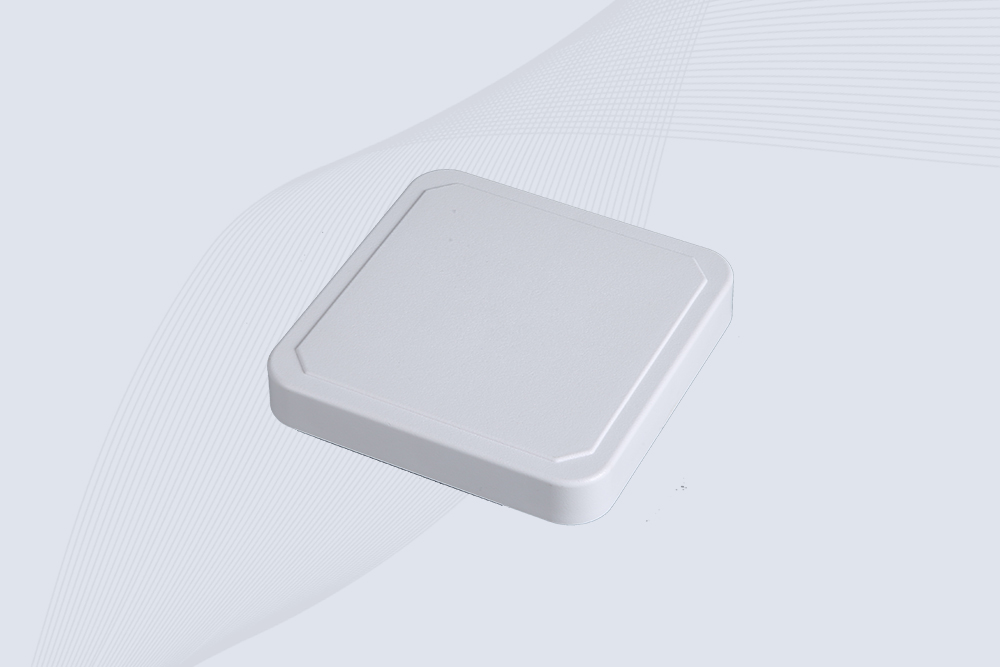
For reliable performance in your facility, choosing the right antenna—whether it’s a rugged outdoor model from CYKEO or a compact indoor panel—is about ensuring this two-way street is wide open and clear of static, getting every message through loud and clear.
True cost of RFID tags vs barcodes exposed: See why "cheap" labels cost 350% more long-term. Calculate your break-even point + real-world pricing.
More
Explore the real use cases of RFID Gateway Readers across industries. From production lines to New York retail warehouses, we break down pros, cons, and deployment details.
More
Puchase RFID antennas? The article discuss key design for RFID system integrators, solution providers,help you Choose suitable rfid antennas .
More
Looking for RFID solutions? CYKEO explains complete systems combining tags, readers, and software for retail inventory, asset tracking, and secure access control.
More