 Cykeo RFID IoT Solution Products R&D Manufacturer







Can NFC Read and Write to RFID? Let’s Clear Up the Confusion
131People ask me all the time, can NFC read and write to RFID? I break down the frequency battle, real-world hacks, and which CYKEO gear gets the job done without the jargon.
MoreAll RFID Product
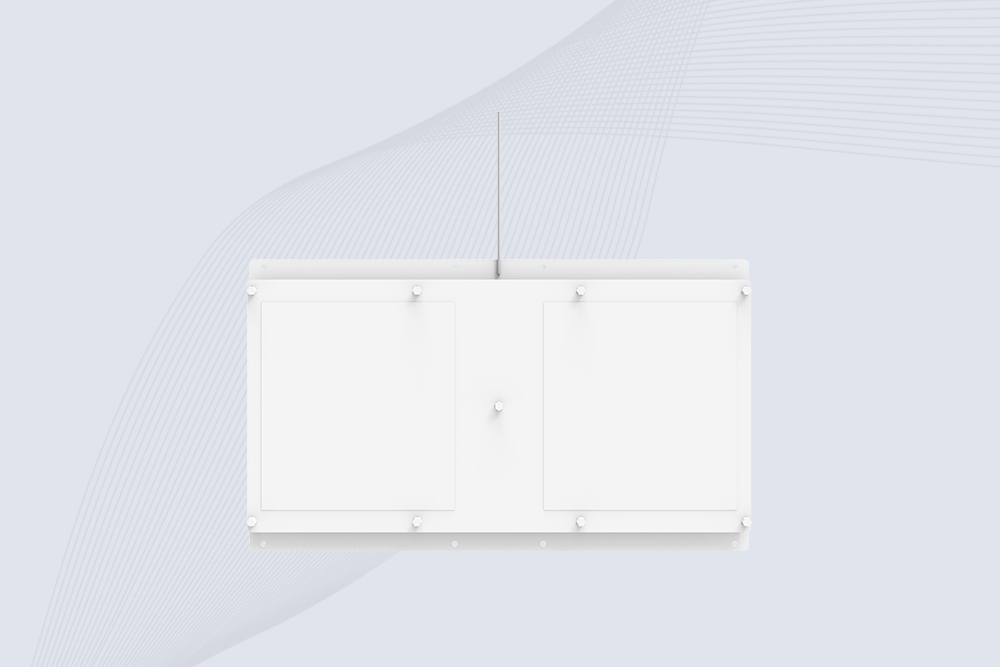
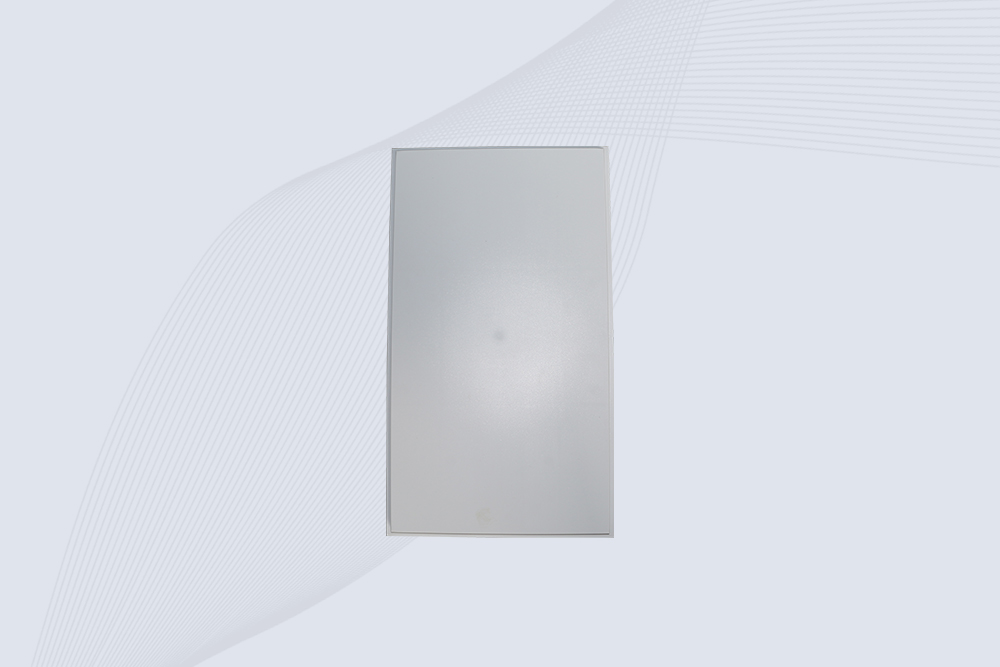
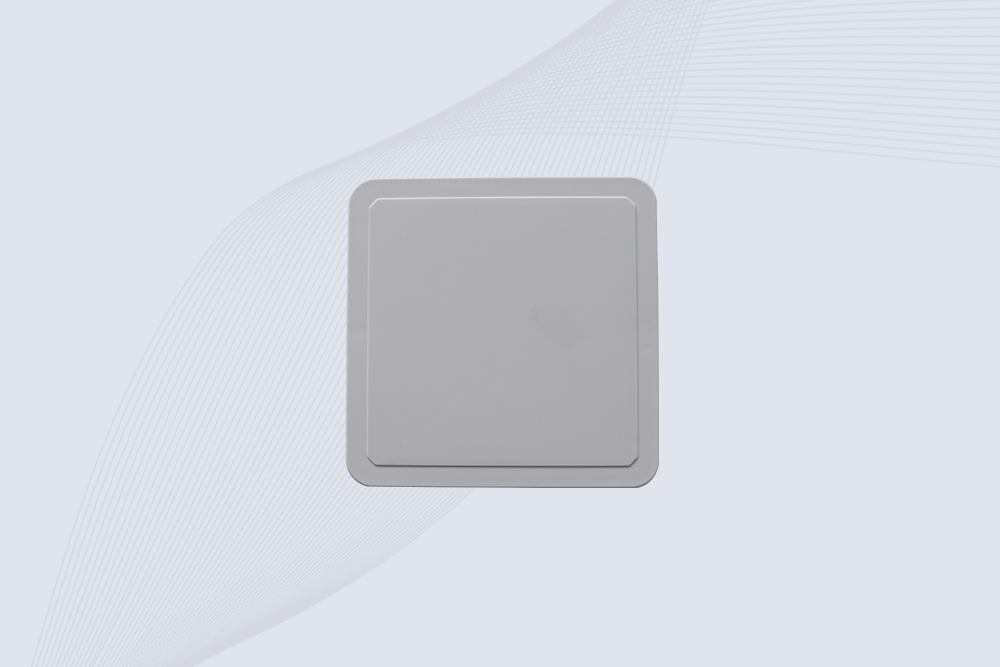
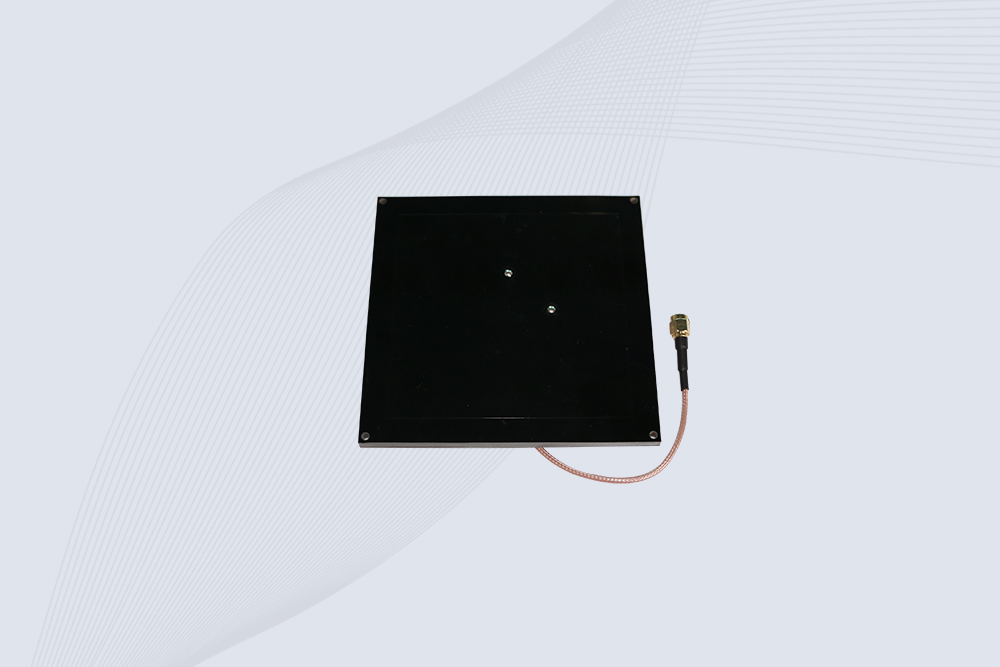
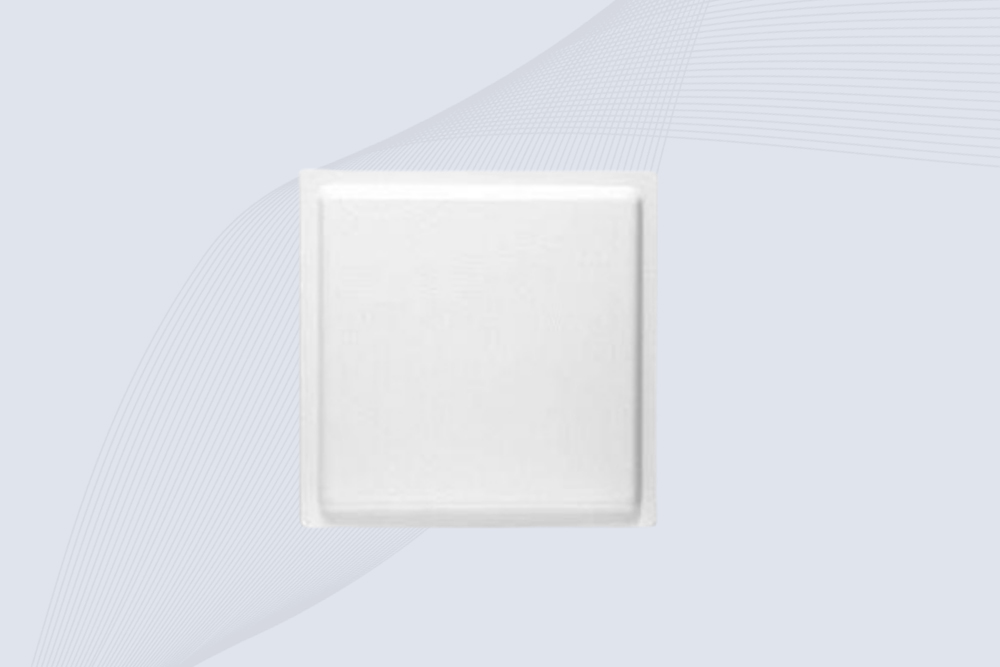
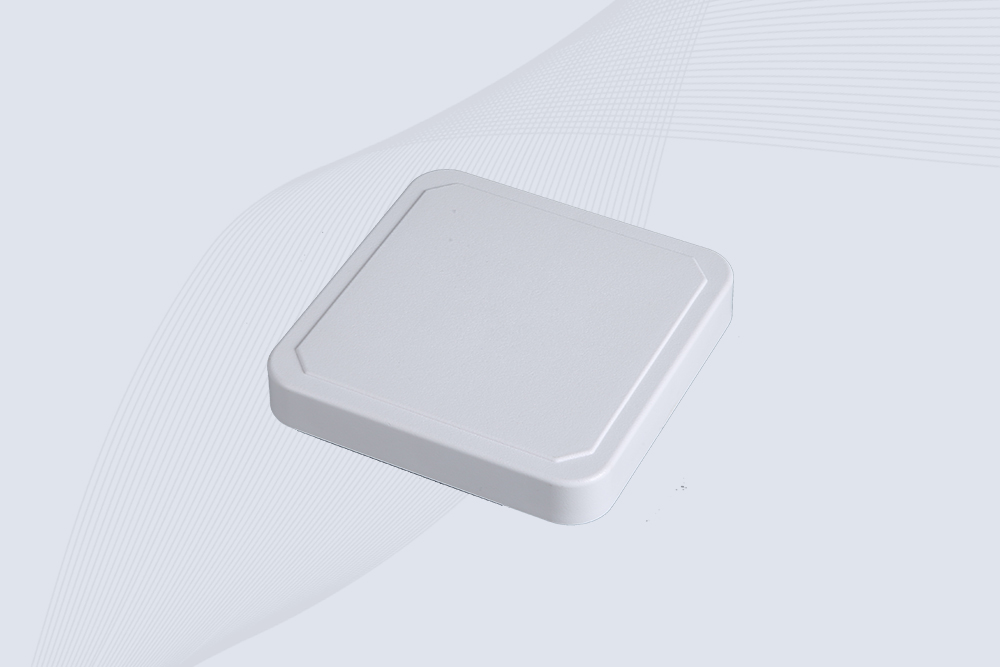
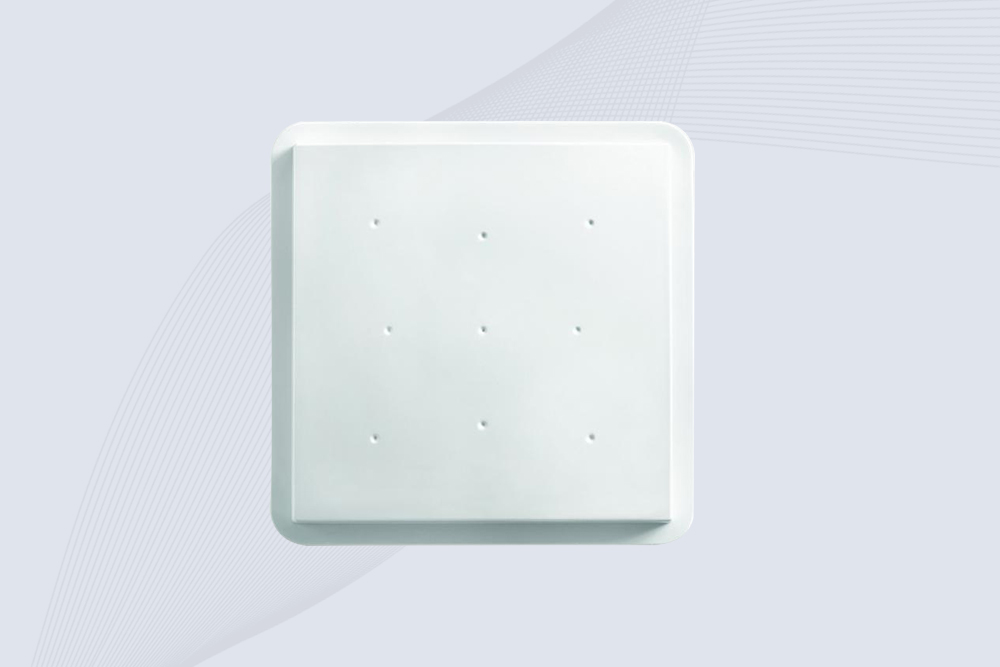
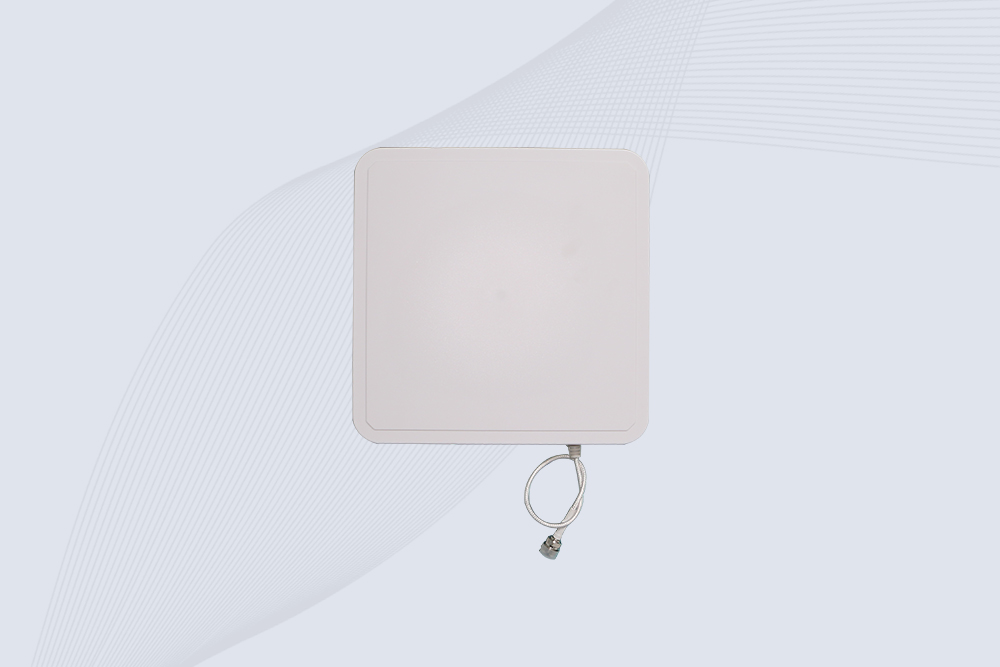
Walk into any modern warehouse, and you’ll see flat, square antennas mounted above doors or on pillars. Most of them are circularly polarized patch antennas. The reason they’re everywhere boils down to solving one annoying problem: RFID tags are never perfectly aligned. So, how is an RFID circular polarized patch antenna works to fix this? It’s not about brute force; it’s about smart wave manipulation that turns unpredictable tag angles from a problem into a non-issue.
A standard linearly polarized antenna broadcasts waves in a single plane—like a flat sheet of energy. If your tag’s antenna is tilted 90 degrees relative to that sheet, it catches almost none of the energy. Read range plummets. In the real world, boxes are stacked at different angles, tools are tossed in bins, and tags on apparel hang every which way. Linear antennas create constant blind spots.
The circularly polarized antenna solves this by making the wave itself rotate as it travels outward. Think of it like a spiraling corkscrew instead of a flat sheet. As it spins, its orientation constantly changes. This means that no matter how a tag is tilted, at some point in the wave’s rotation, it will align perfectly with the tag’s antenna. This is the fundamental answer to how an RFID circular polarized patch antenna works: it trades a small amount of peak theoretical range for massive gains in real-world reliability.
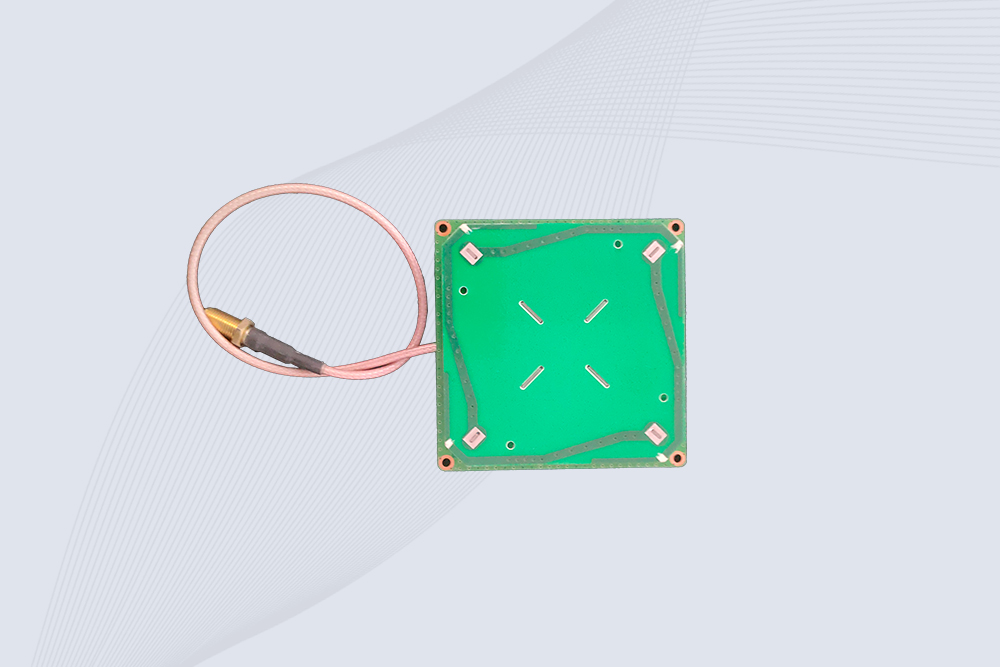
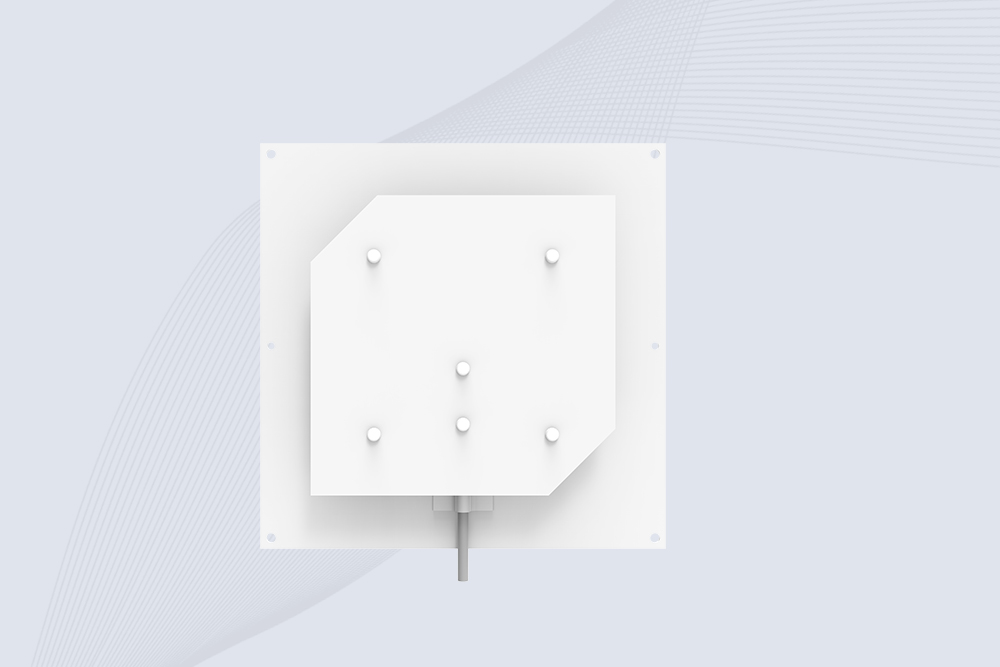
So, how does a flat, square piece of metal create a spiraling wave? The secret is in the design features of a CP patch antenna. It uses two separate feed points to excite the metal patch, not just one. These feeds are positioned 90 degrees apart (say, at the center of the left and bottom edges).
The trick is that the signal sent to one feed is delayed by exactly one-quarter of a wavelength compared to the other. This 90-degree phase shift causes the electromagnetic fields generated by each feed to combine in the air. As one field peaks, the other is rising, resulting in a smooth, continuous rotation of the combined wavefront—either right-hand or left-hand circular polarization. The precision of this phase shift determines the antenna’s “axial ratio,” a key metric for how “pure” the circular polarization is across the frequency band.
The practical advantages of a circular polarized patch antenna are immediate when you compare CP vs linear RFID antenna performance in the field. A linear antenna might read a perfectly aligned tag at 12 meters. A CP antenna might read that same tag at 10 meters. But on a mixed pallet where tags face random directions, the linear antenna’s effective range might drop to 2 meters for many tags, while the CP antenna consistently delivers 8-9 meters for all of them. The CP antenna’s reliable average range is far superior to the linear antenna’s unreliable peak range.
This consistency eliminates guesswork and manual rescans. It’s why CP patch antennas are the default choice for dock doors, handheld readers, and any portal where tag orientation is uncontrolled.
When choosing the right circular polarized RFID antenna CYKEO offers, focus on a few key specs:
The true test is simple: take a tagged item and rotate it slowly in front of the antenna while monitoring signal strength. A good CP antenna will show minimal variation as the tag spins. That stable signal is the real-world proof of how an RFID circular polarized patch antenna works—transforming complex RF engineering into dependable, everyday performance that keeps inventory flowing.

People ask me all the time, can NFC read and write to RFID? I break down the frequency battle, real-world hacks, and which CYKEO gear gets the job done without the jargon.
More
Learn proven strategies to improve RFID handheld reader battery life in field operations. Discover power-saving settings, maintenance tips, and Cykeo’s rugged solutions.
More
Compare RFID and NFC technologies for asset tracking, payments, and more. Discover which wireless solution fits healthcare, retail, or manufacturing.
More
An in-depth look at fixed RFID readers from a developer’s perspective, covering system integration, secondary development, API control, and flexible antenna configurations for real RFID solutions.
More