 Cykeo RFID IoT Solution Products R&D Manufacturer









Comprehensive Guide to RFID Anti-Metal Tags: The Lifesaver for Metal Surfaces
600Explore RFID Anti-Metal Tags—their principles, types, and applications—from factories to data centers, with real-world lessons and pitfalls.
MoreAll RFID Product
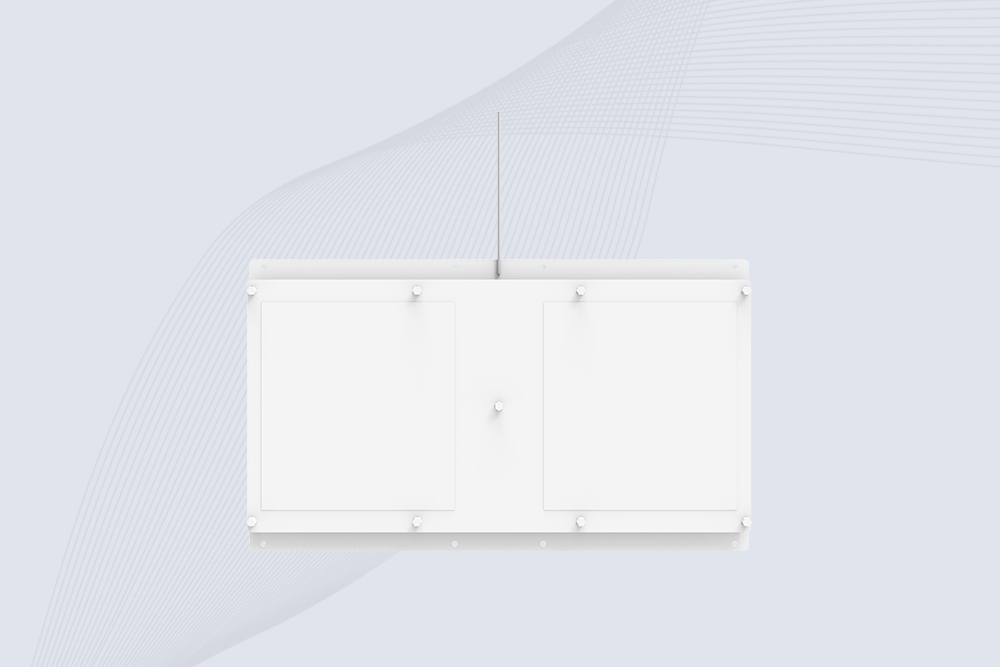
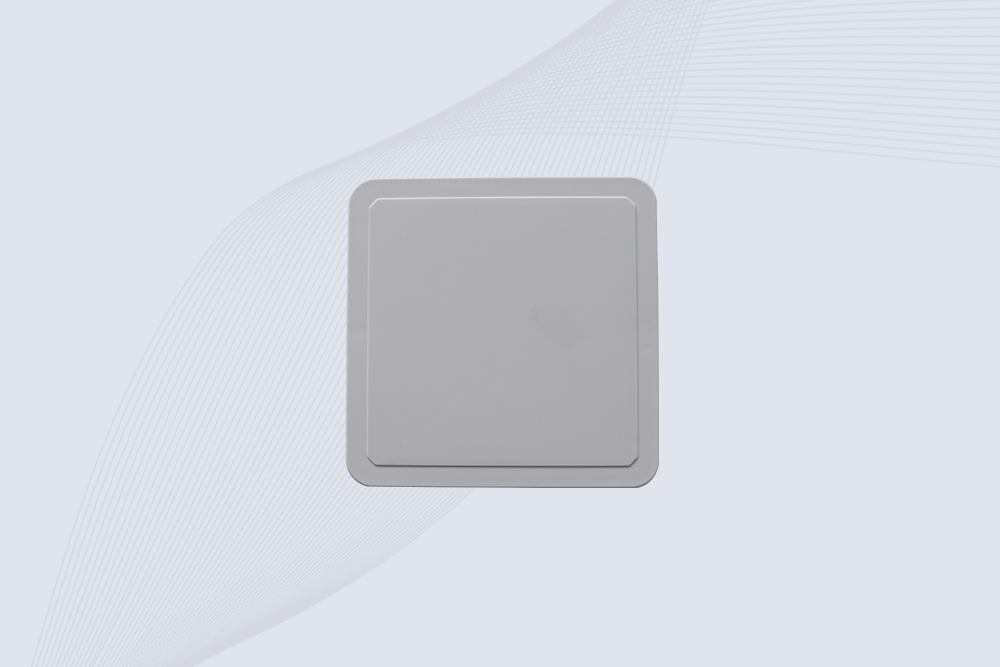
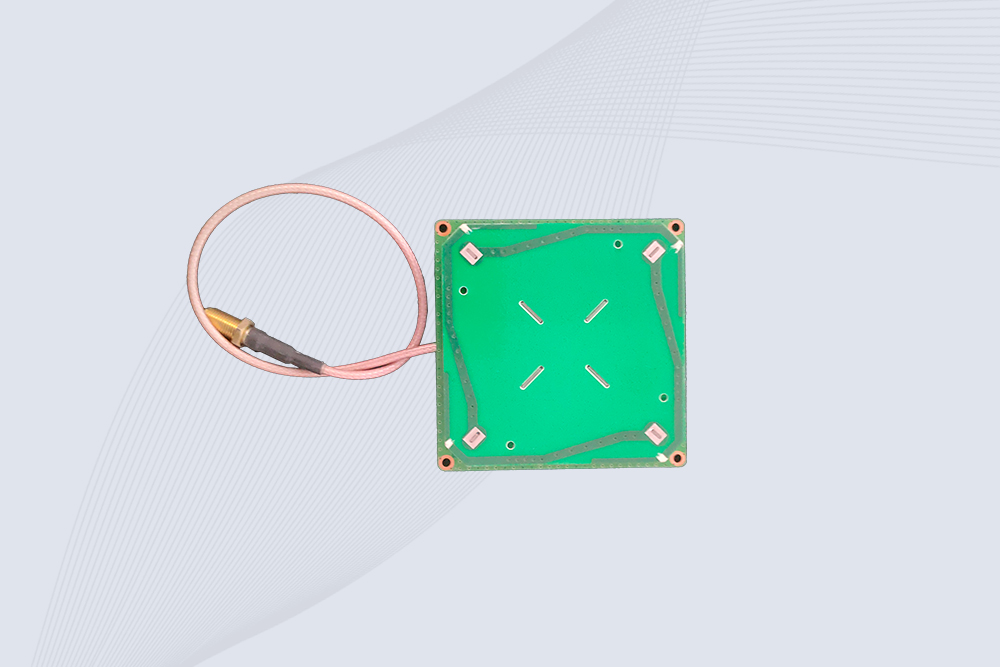
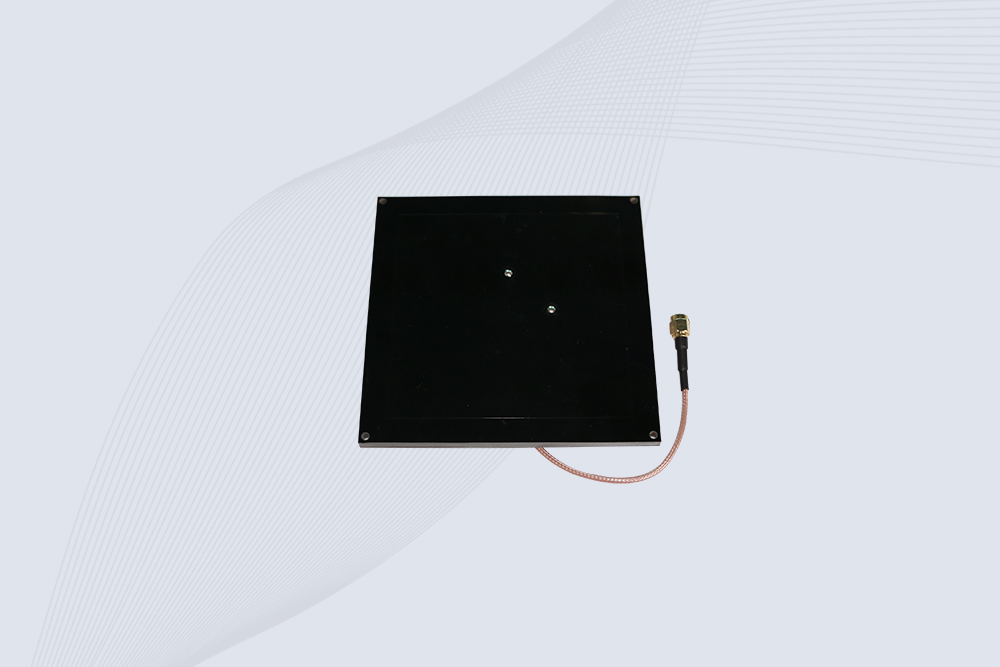
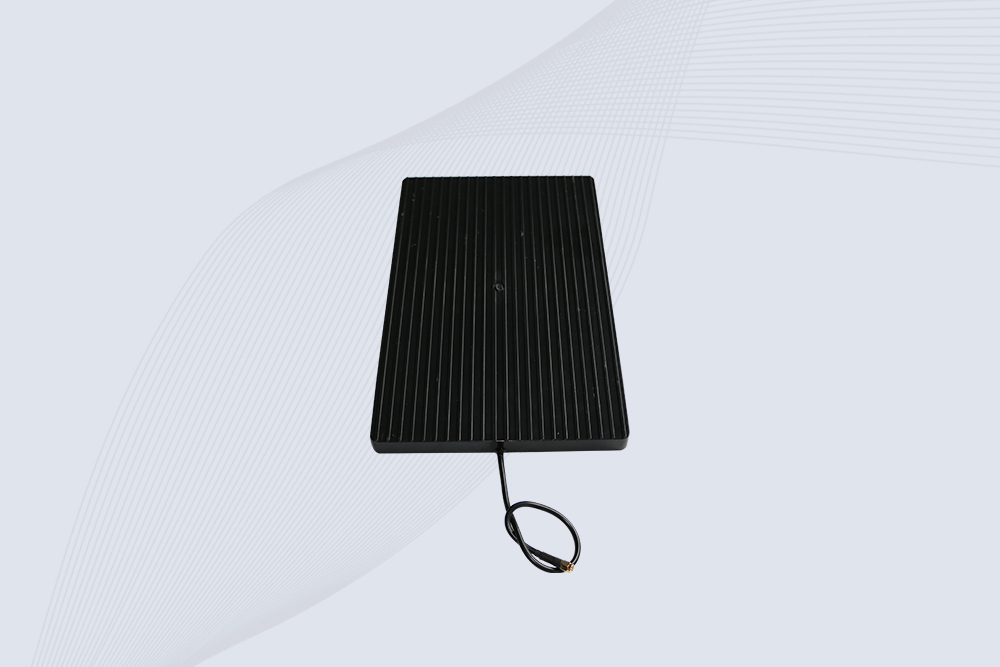
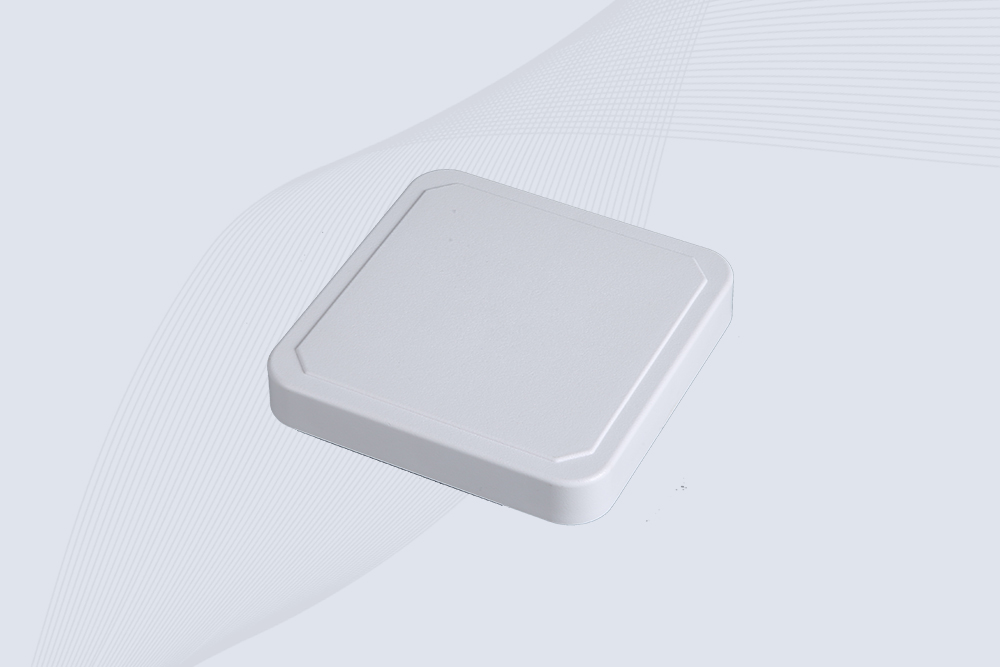
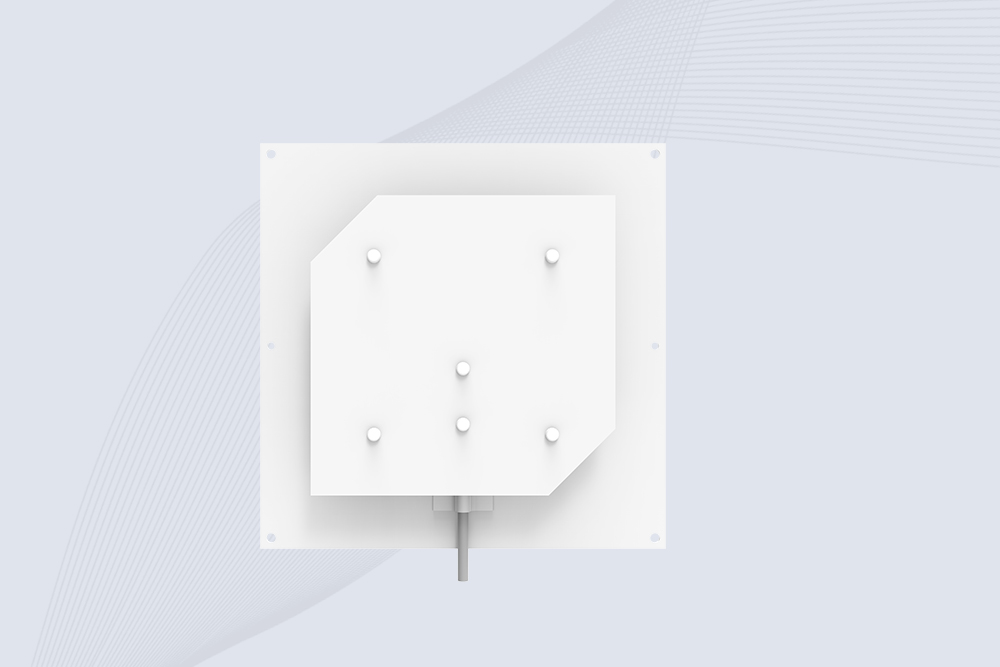
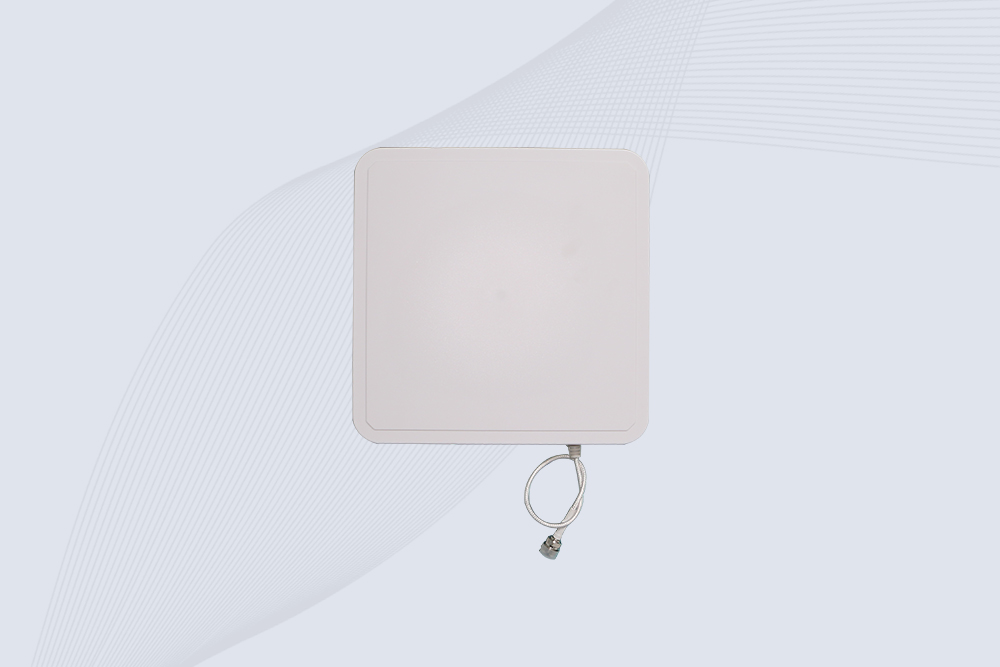
You’ve got an RFID system with tags and a reader, but the magic really happens in the middle. So, how does RFID antenna work exactly? Think of it not just as a piece of hardware, but as the essential translator and messenger in a two-way radio conversation. Its core job is to bridge the gap between the digital commands from your reader and the analog radio waves flying through the air to and from your tags.
Without a properly functioning antenna, the reader is just a computer shouting into a void, and the tags are silent. The antenna enables both the energy transfer (for passive tags) and the critical data exchange that makes RFID tracking possible.
The RFid antenna function is dual in nature. First, it transmits. The reader sends a pre-formatted command (like “identify yourself”) as an electrical signal down the cable to the antenna. The antenna’s internal components then convert this electrical energy into electromagnetic radio waves (RF energy) and radiate them out into its defined field or pattern. For passive UHF systems, this transmitted wave also carries the energy that wakes up and powers any tags within its reach.
Second, and equally important, it receives. When a powered tag responds, it sends back its own tiny signal—essentially reflecting back a modified version of the wave with its data encoded on it. This return signal is incredibly weak. The antenna acts like a sensitive net, capturing these faint waves and converting them back into a precise electrical signal that the reader can then decode into useful information.
A common follow-up question is about consistency: why do reads sometimes fail? Understanding RFID antenna read range factors is key. It’s not just about antenna power. The range and reliability are a dance between several partners:
Speaking of polarization, one of the most practical choices you’ll make involves RFID antenna polarization types. This describes the orientation of the radio waves as they leave the antenna.
So, how does RFID antenna work in practice? It’s about selecting the right translator for the job—one that speaks the right “wave language” (polarization) loudly enough (gain) to be heard clearly in your specific environment, ensuring a reliable conversation with your tags every single time.

Explore RFID Anti-Metal Tags—their principles, types, and applications—from factories to data centers, with real-world lessons and pitfalls.
More
Wondering how to connect RFID reader to database? We break down the real-world steps, from data capture to SQL integration, and show how CYKEO makes it simpler.
More
RFID (Radio Frequency Identification) tags, with their outstanding technical advantages, are transforming the laundry industry and becoming an ideal solution for boosting efficiency.
More
Learning how to read user memory information from RFID reader? Step-by-step guide for UHF and HF tags. Access passwords, memory banks, and SDK examples. Real advice from CYKEO engineers.
More