All RFID Product

How does an RFID handheld terminal eliminate manual inventory errors?​

Cykeo News RFID FAQ 6440

RFID handheld terminals wirelessly identify tagged items using radio waves—scanning 200+ assets per minute without line-of-sight. By automating data capture, they reduce human counting errors by up to 99.7% and cut stock-taking time from hours to minutes.

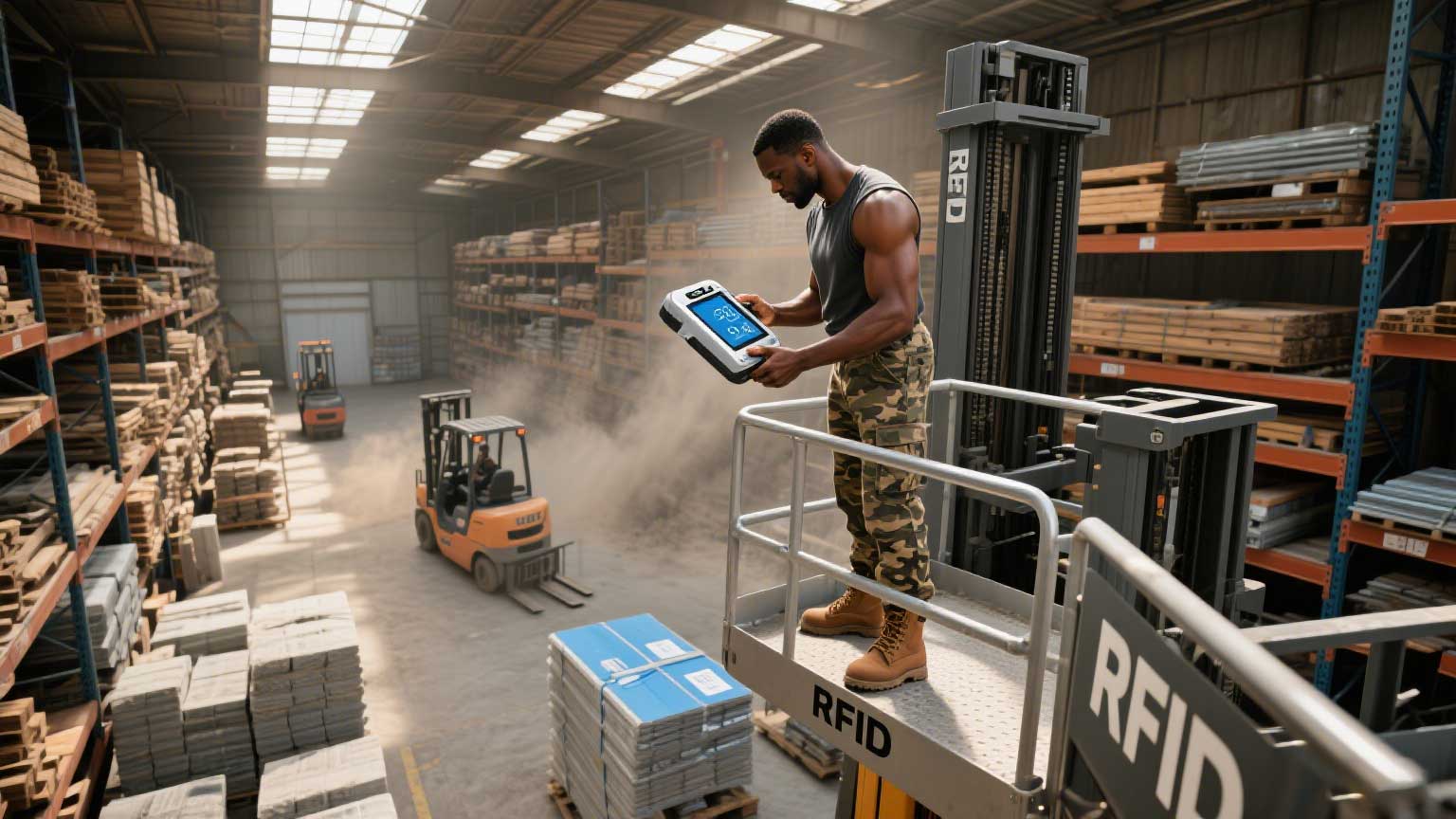
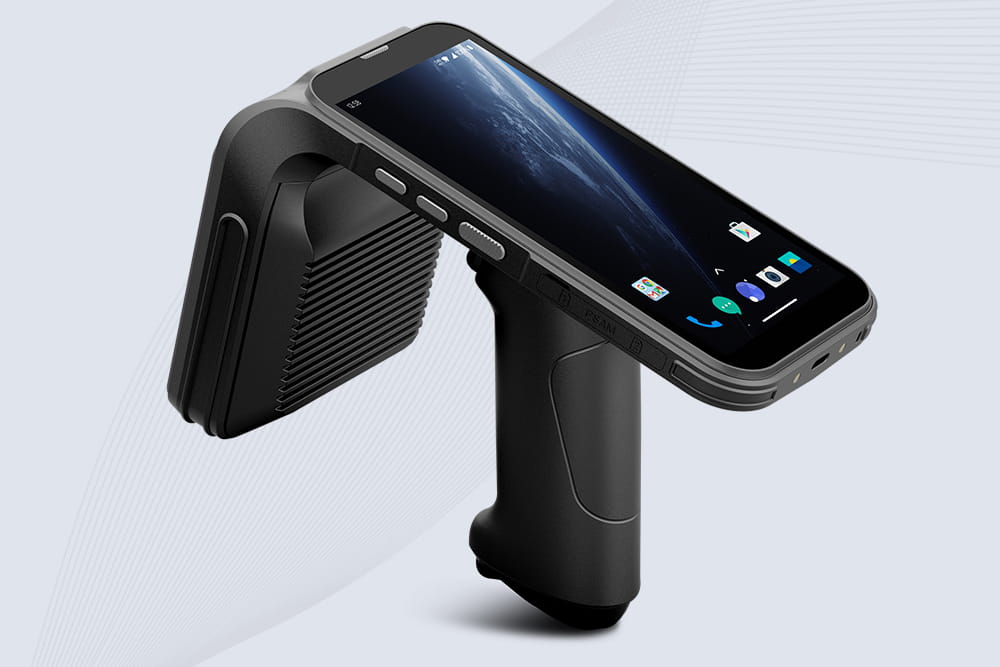
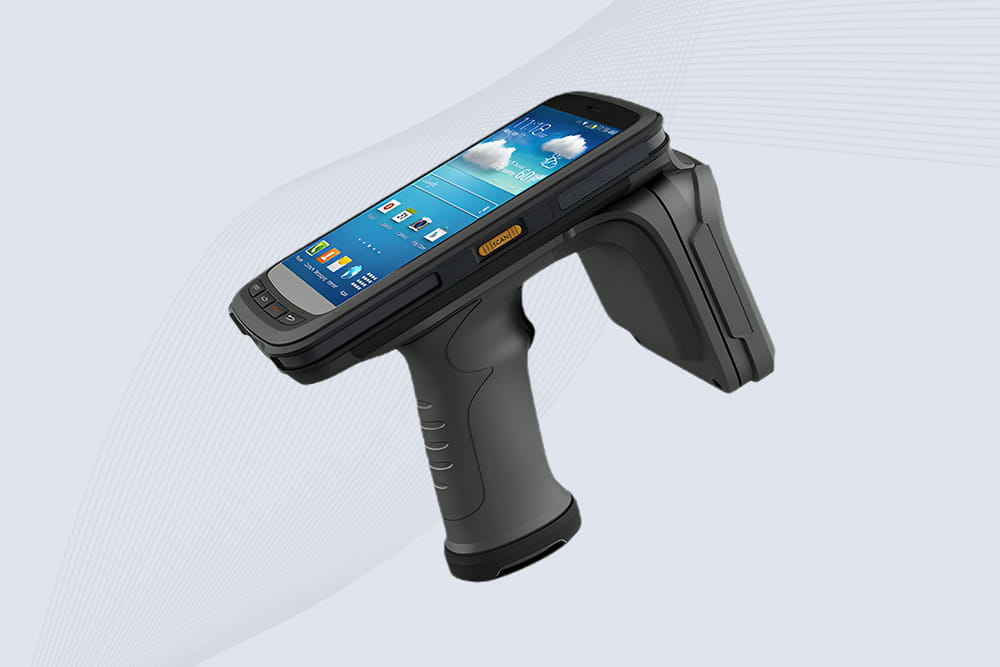
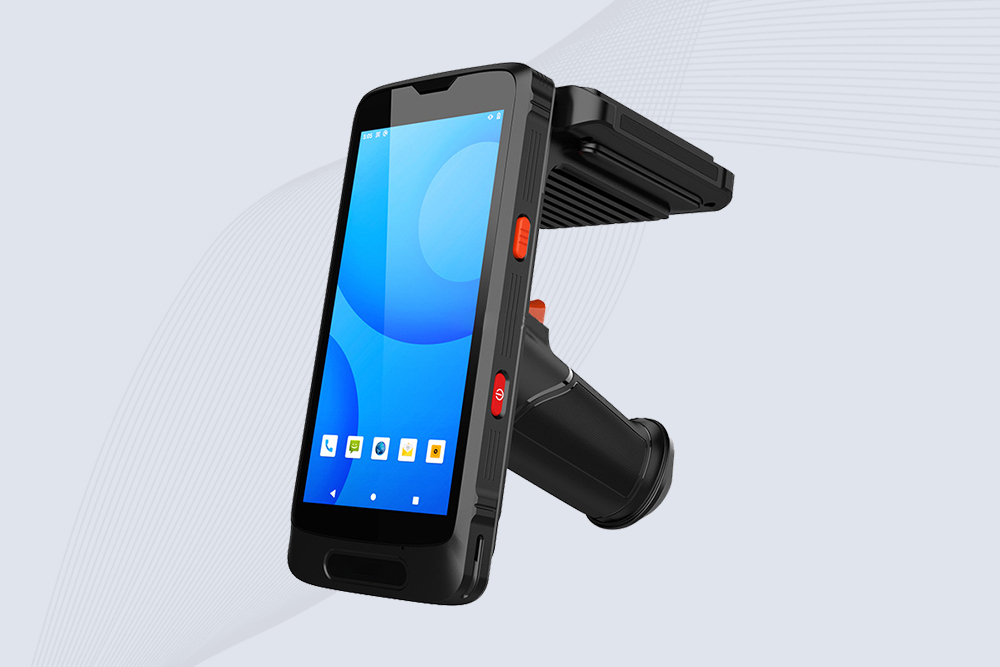
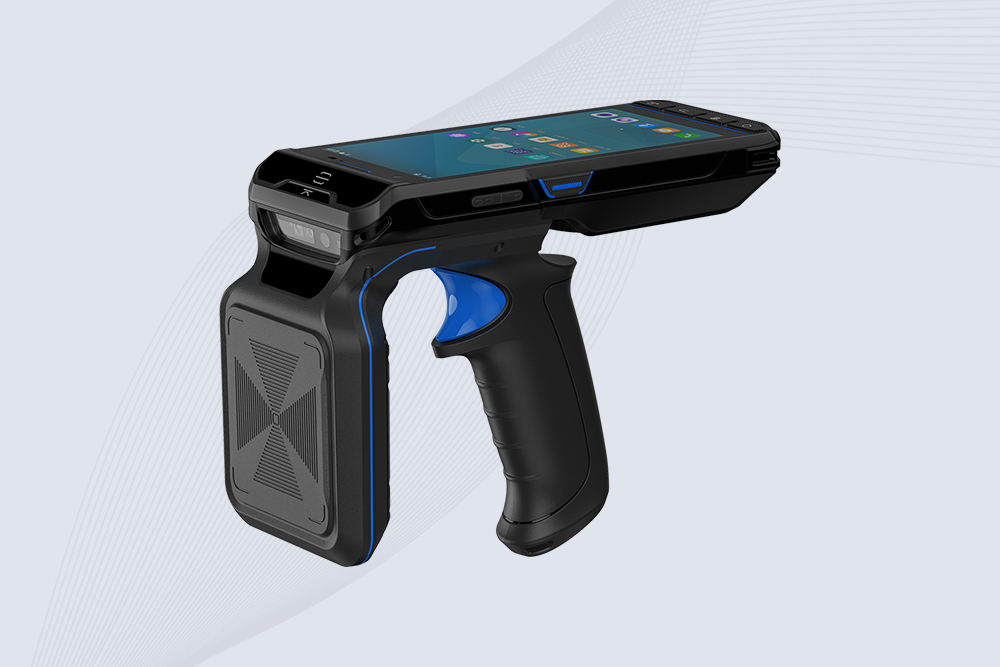
Industrial worker scanning warehouse inventory with a rugged RFID handheld device, digital readouts visible on its touchscreen.

​1. Core Technology Breakdown​

Hardware Architecture​

  • ​UHF Antenna​​: 902-928 MHz range reads tags 8-12m away
  • ​Dual-Mode Scanning​​: RFID + barcode support via laser/RF hybrid tech
  • ​Industrial Ruggedness​​: IP67-rated casing survives 2m drops and dust exposure
  • ​Battery System​​: Hot-swappable Li-ion packs (12-18hr runtime)

​Software Stack​

  • ​OS​​: Android-based platform with OTA updates
  • ​Preloaded Apps​​: Real-time sync with ERP/WMS via Bluetooth 5.2
  • ​Cloud Dashboard​​: Live inventory mapping and audit trails

​2. Key Industry Applications​

​Sector​​Use Case​​Impact​
​Warehousing​Cycle counting400+ pallets scanned in 15min
​Retail​Shelf replenishment98% stock accuracy vs. manual counts
​Construction​Tool trackingReduced loss by 65%
​Healthcare​Medical equipment auditsCompliance reporting automation

Cykeo users reported 7-hour weekly labor savings per facility.

​3. Operational vs. Fixed Readers: 6 Critical Advantages​

​Factor​​Handheld Terminal​​Fixed Reader​
​Mobility​✓ Move through aisles/docks✘ Location-bound
​Setup Time​Minutes (no cabling)Days (antenna wiring)
​Scan Angle​360° manual adjustmentFixed directional
​Cost​1,200–3,500/unit5,000–20,000/portal
​Disruption​Zero downtime deploymentInfrastructure changes
​Scalability​Add units instantlyRequires site redesign

​4. Integration Workflow​

4-Step Deployment​

  1. ​Tagging Assets​​: Apply UHF tags (metal/plastic variants)
  2. ​Device Pairing​​: Sync terminal with existing WMS via Cykeo’s SDK
  3. ​Operator Training​​: Intuitive Android UI requires <30min onboarding
  4. ​Live Monitoring​​: View scanned assets on cloud dashboard instantly

​5. Overcoming Limitations​

​Challenge: Signal Interference​

  • ​Solutions​​:
    • Ferrite-coated tags for metal surfaces
    • Frequency hopping algorithms
    • Adjustable power output (0.5-4W)

Challenge: Battery Optimization​

  • ​Tactics​​:
    • Sleep mode activation during inactivity
    • Eco-scanning (reduced RF output for close-range items)
    • Swappable external battery packs

​6. Future Innovations​

  • ​AR Overlays​​: Visual tag location via camera viewfinder
  • ​AI Predictive Scanning​​: Auto-flag misplaced items using historical data
  • ​5G Connectivity​​: Sub-10ms cloud sync for remote sites
  • ​Cykeo’s EcoTerra​​: Solar-charging terminals for fieldwork
PgUp: PgDn:

Relevance

  • What is RFID technology ?

    792

    RFID (Radio Frequency Identification) is a wireless communication technology. Automatically identifying and tracking the corresponding frequency band tags on attached objects by emitting electromagnetic waves of different frequency bands emitted b...

    More
  • Why Tires Are Starting to Use RFID

    20

    Curious why more tires are starting to use RFID? This article explains, in plain language, how the chip is built into the tire, how it helps factories, logistics, and fleets, and why it makes managing tires way easier from production to recycling.

    More
View more