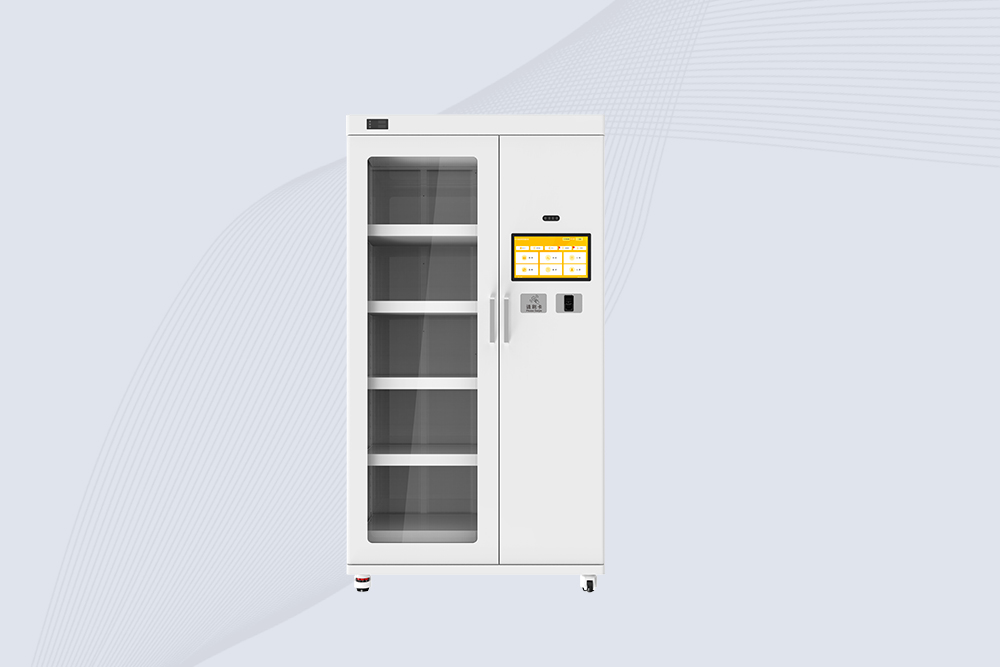
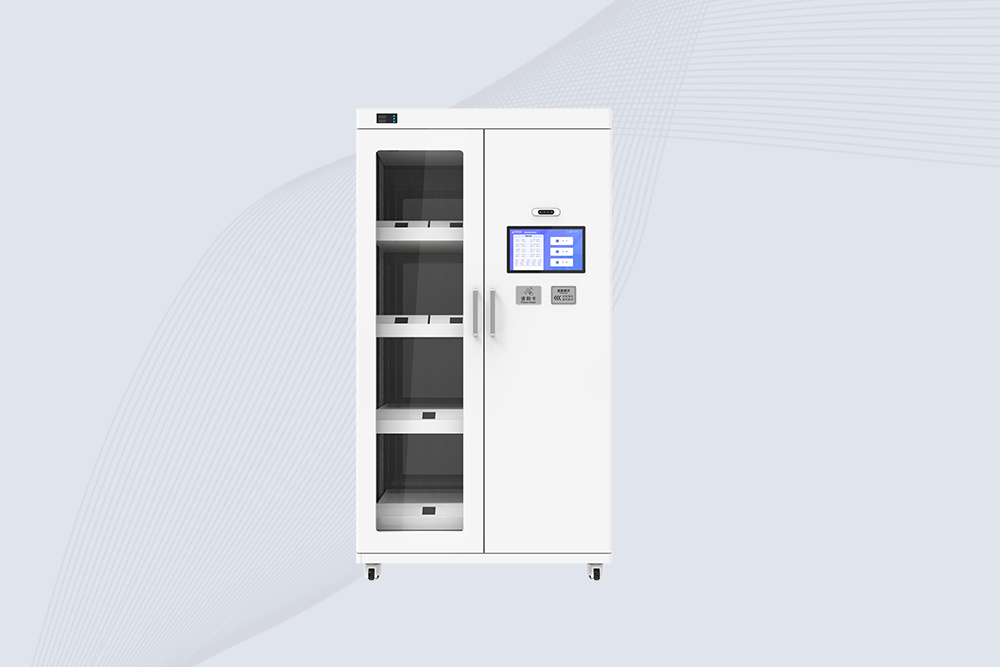
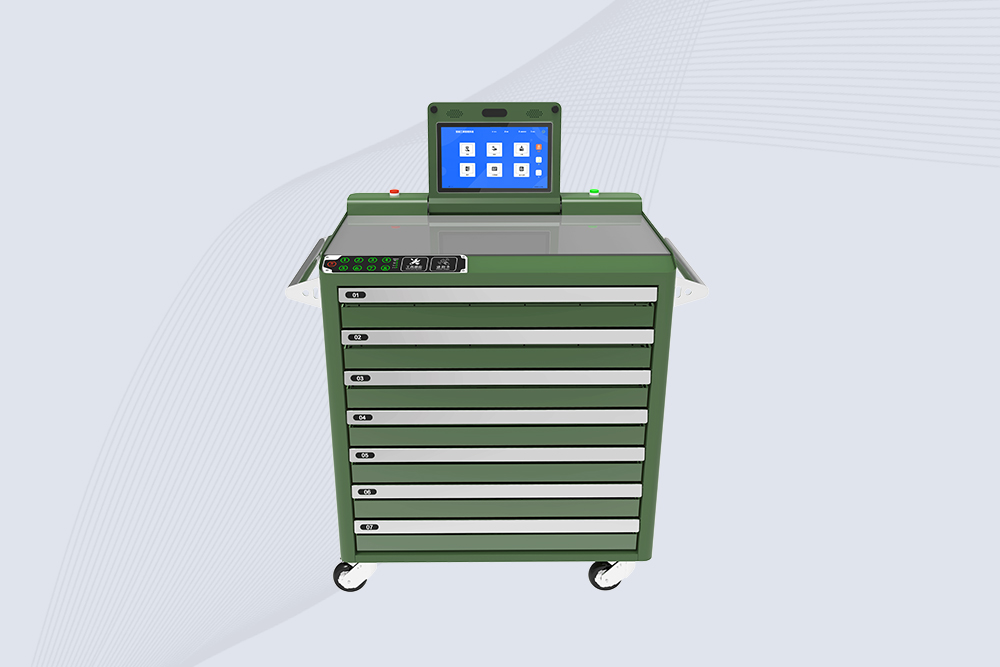
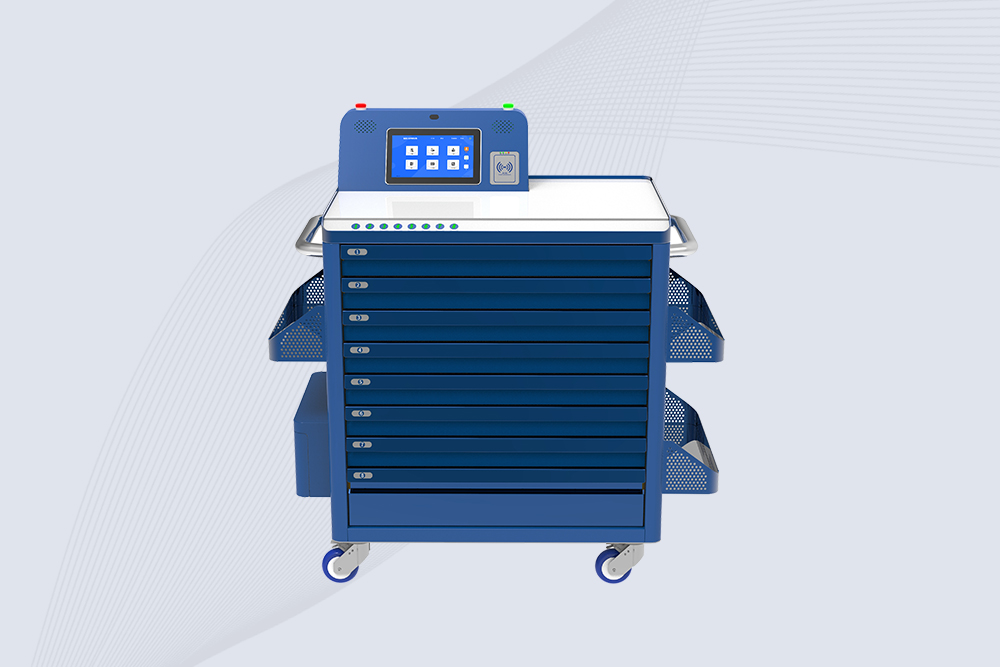
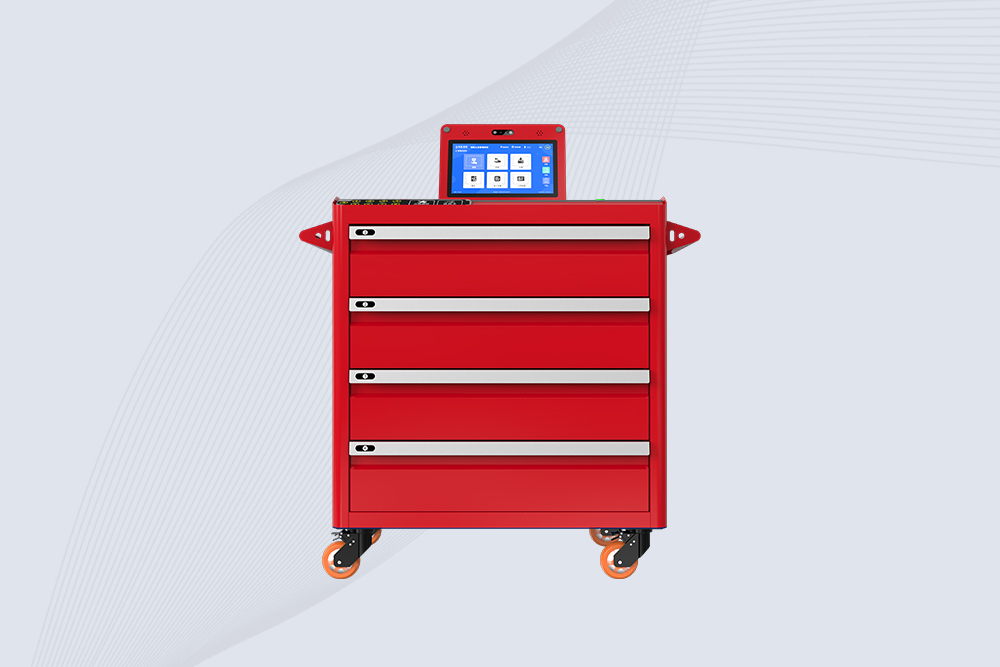
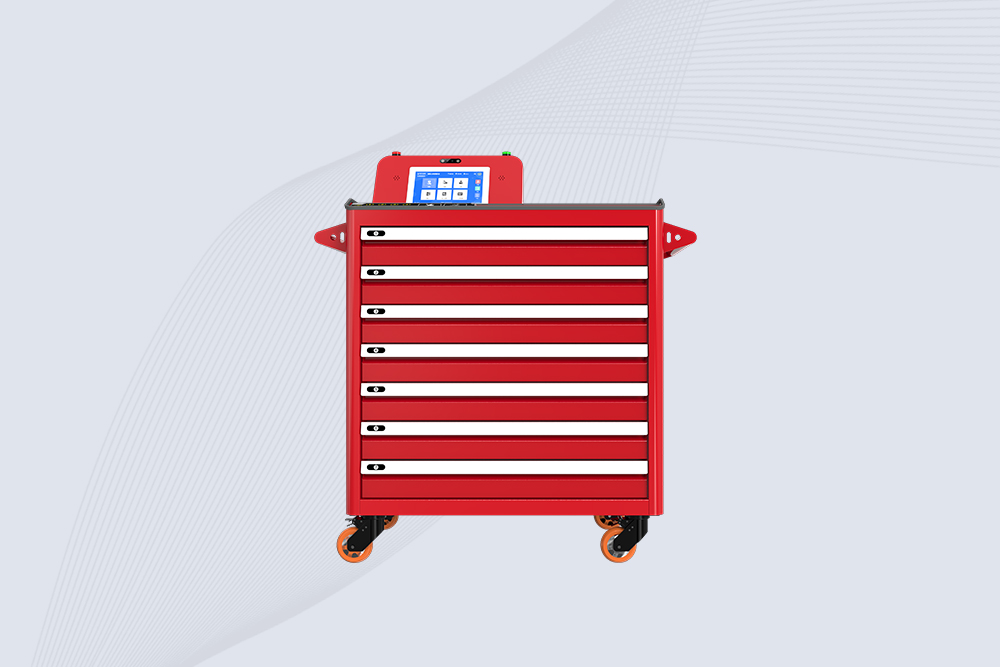
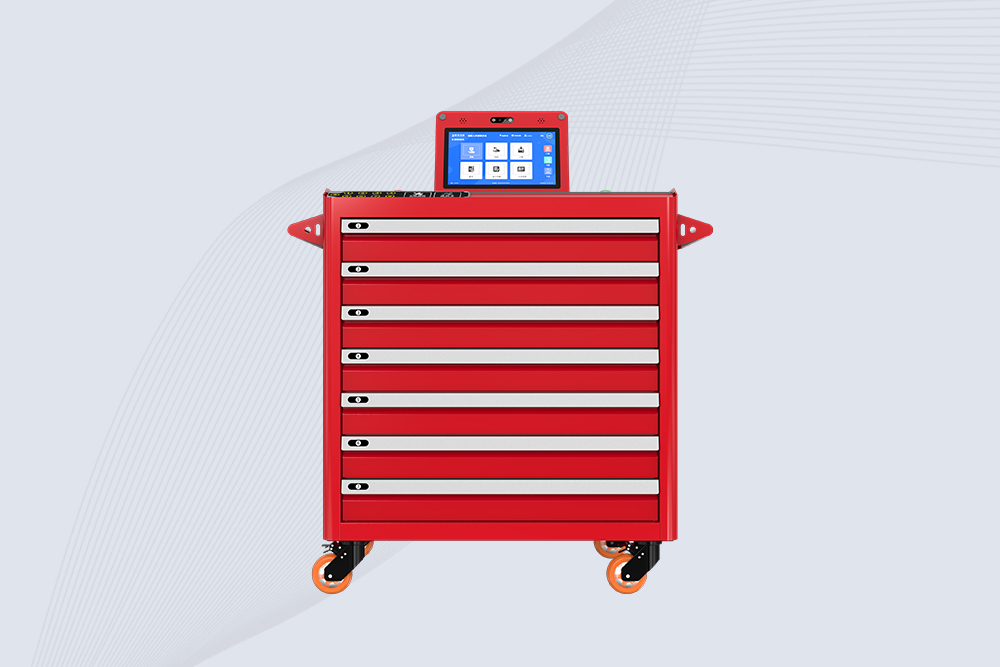
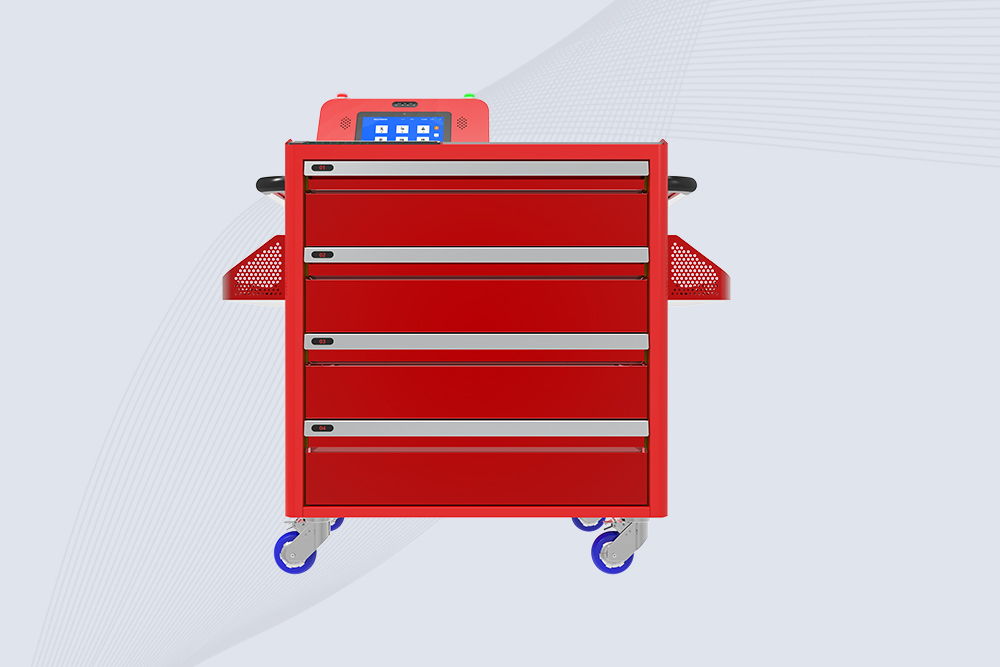
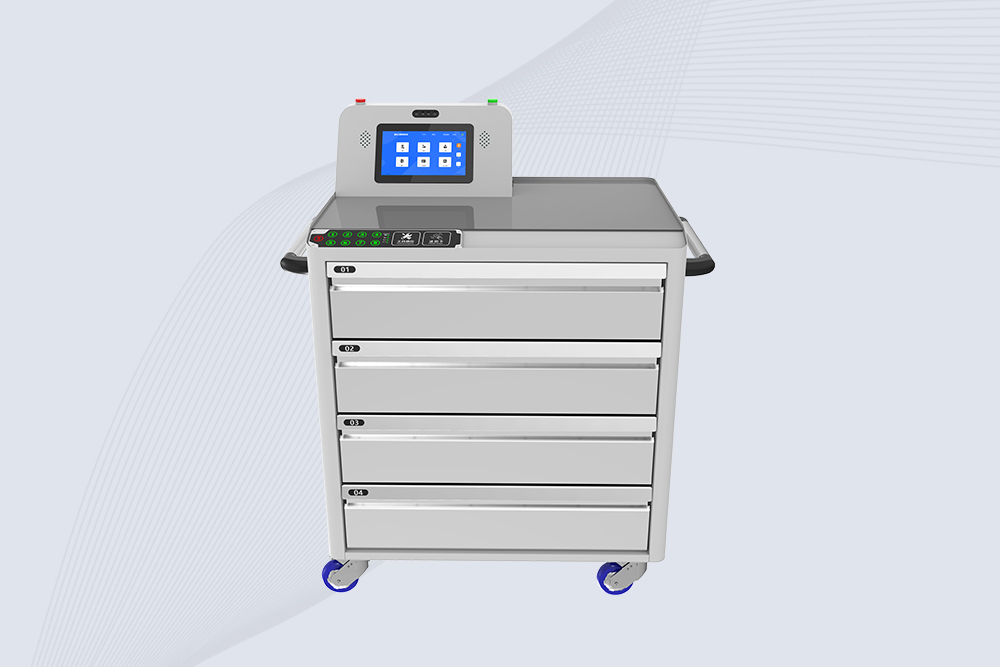
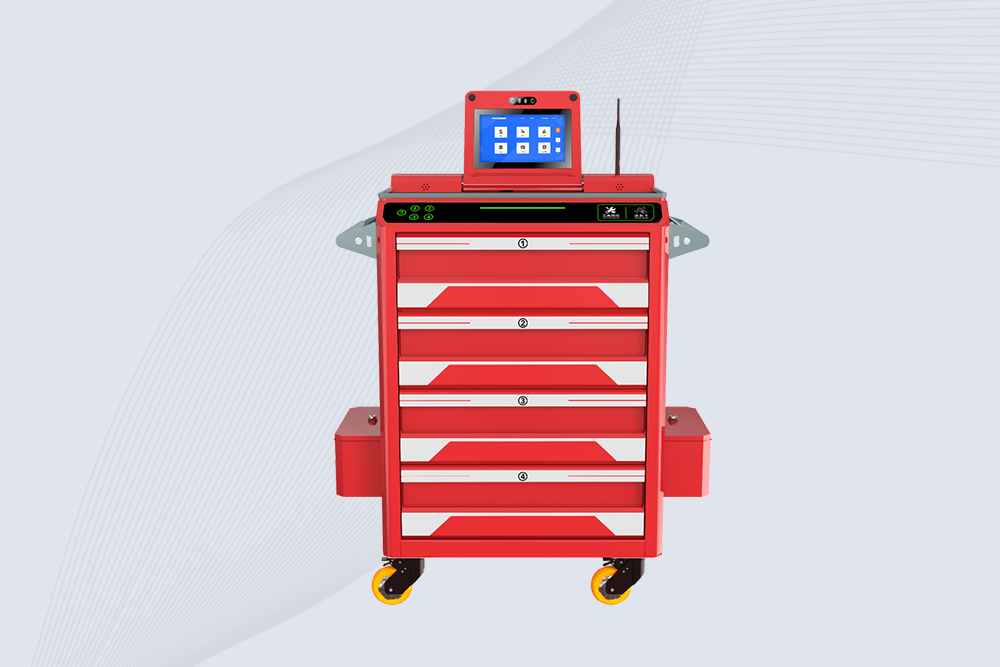
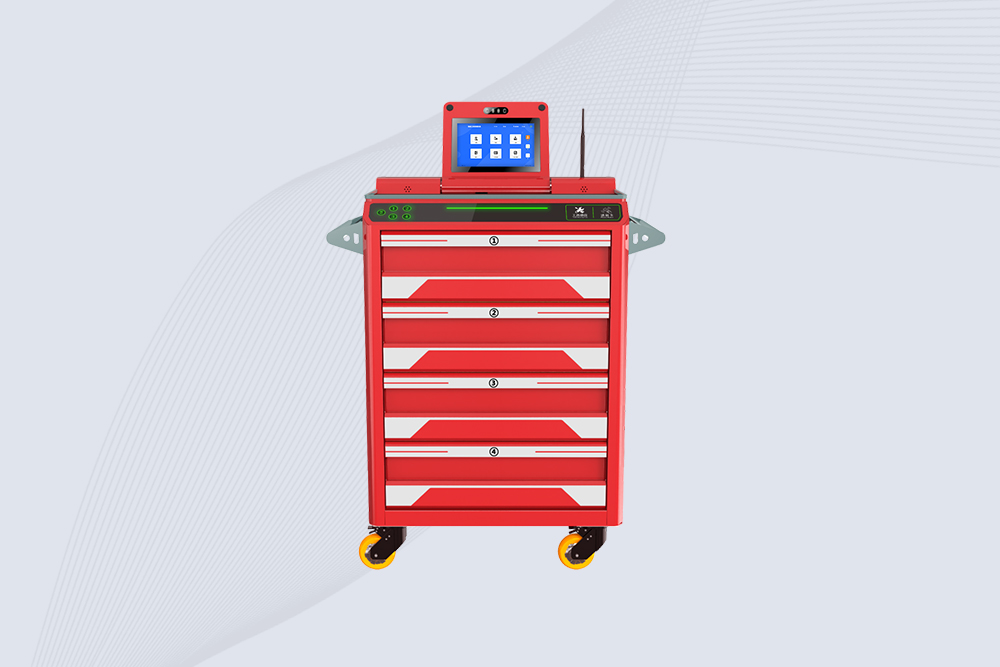
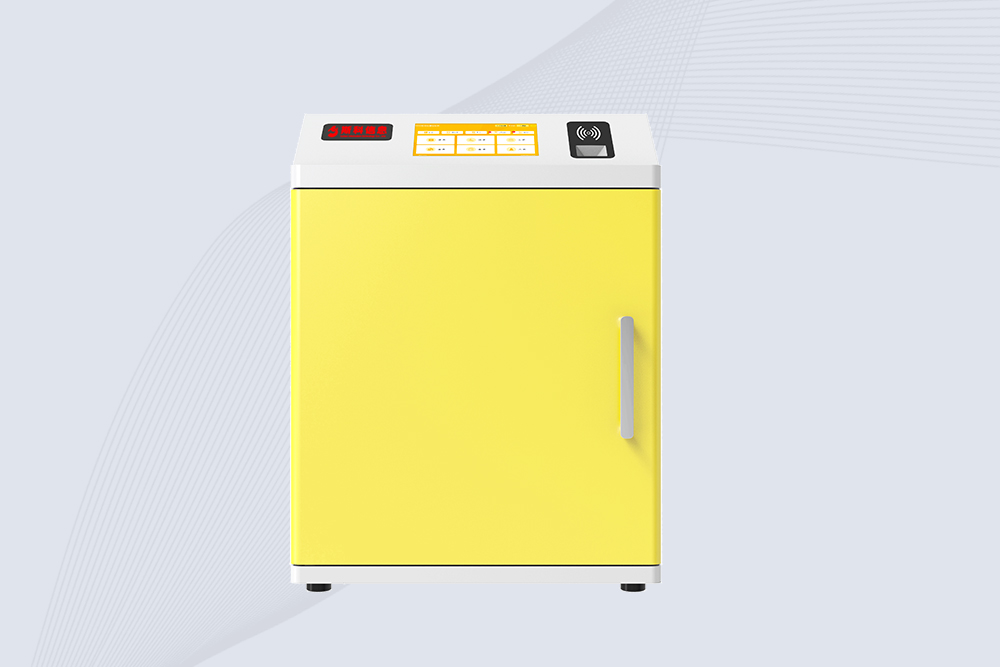
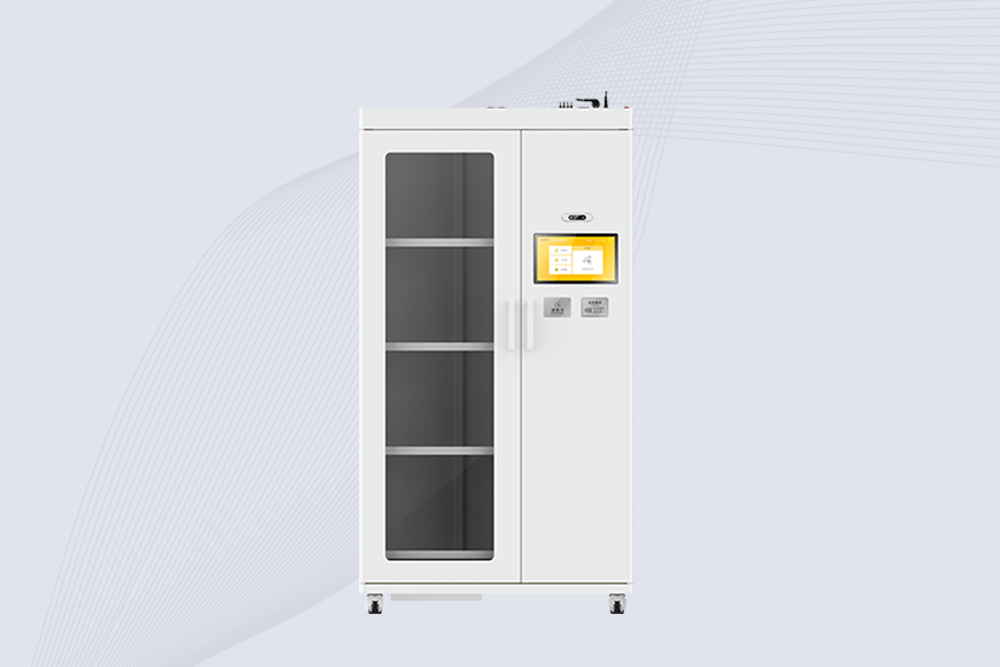
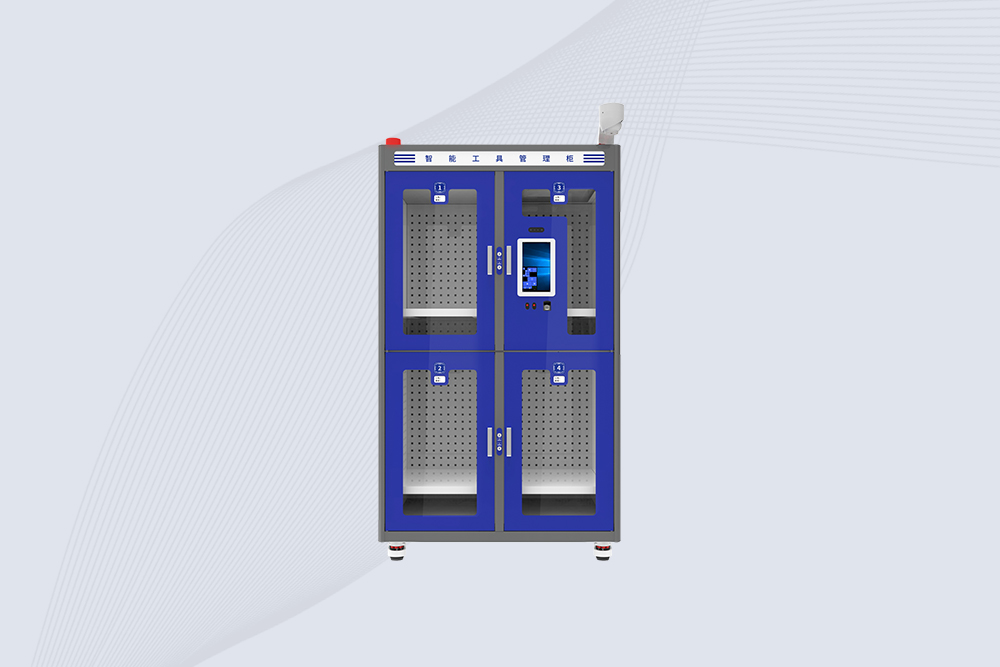
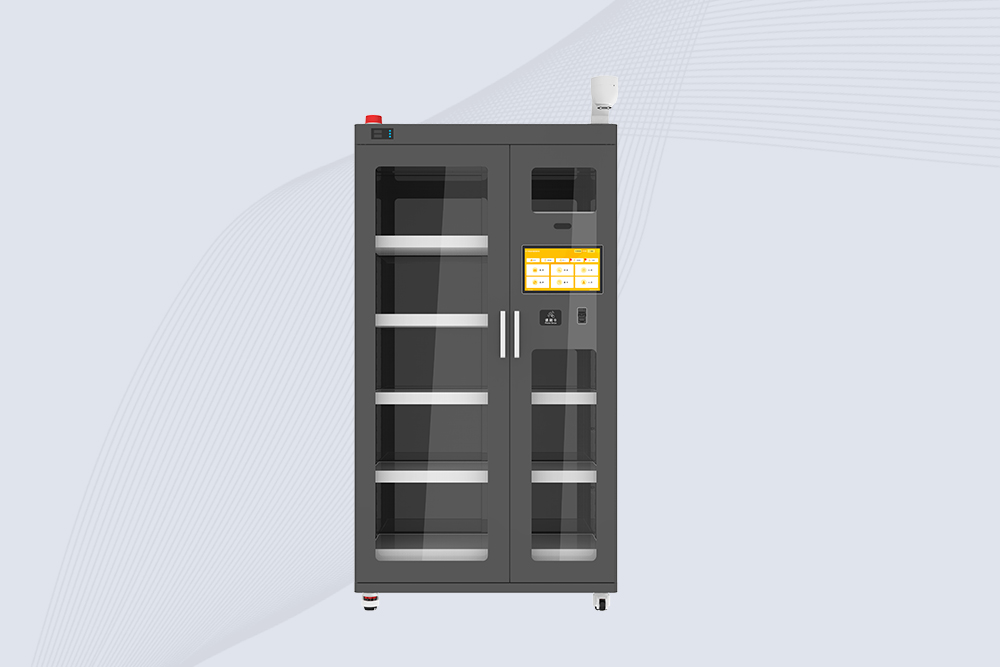
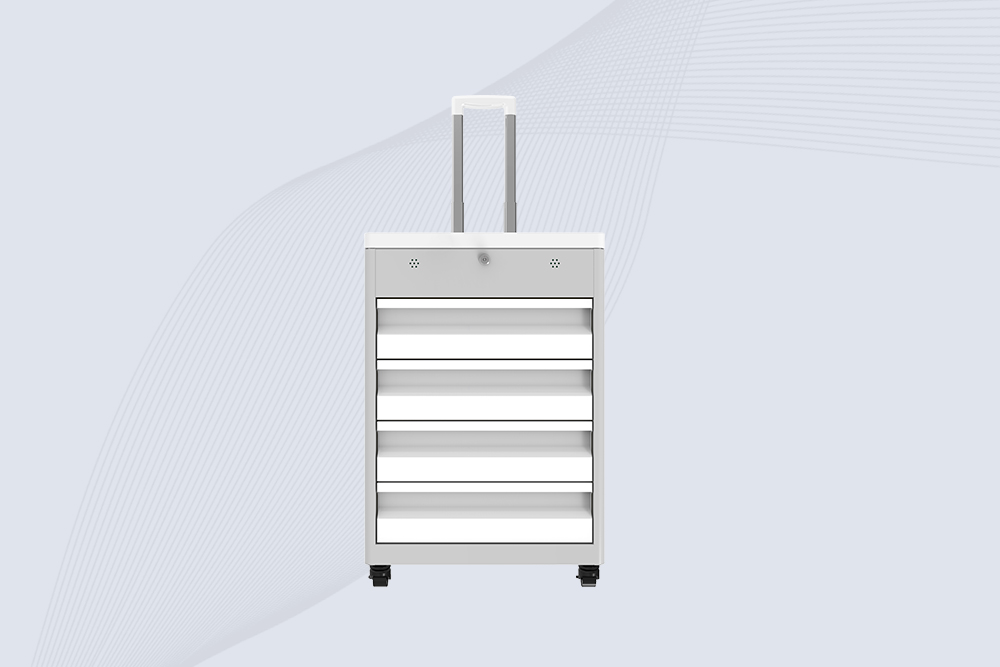
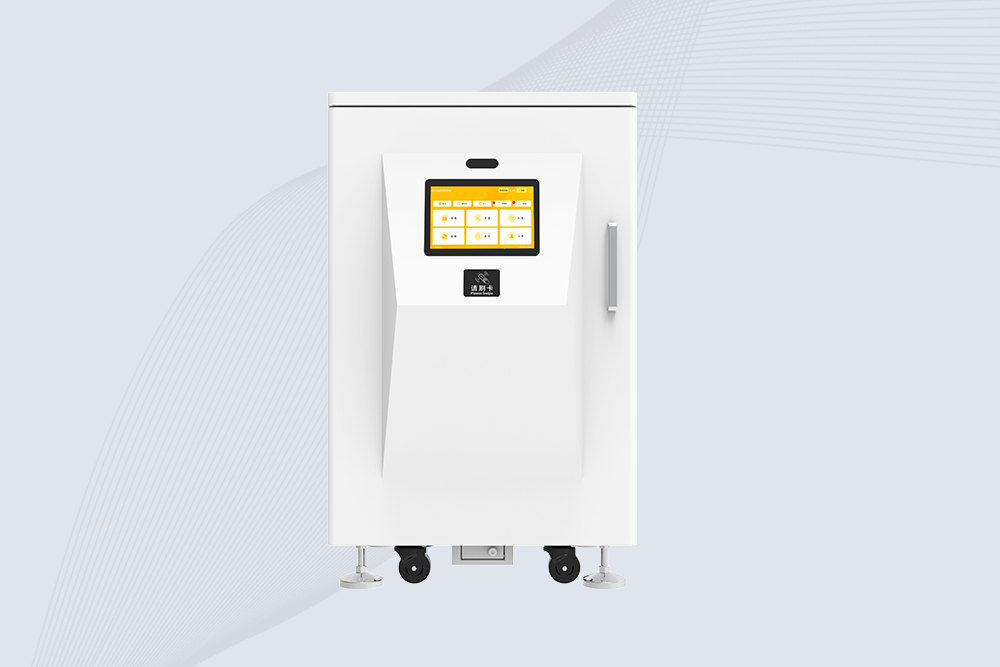
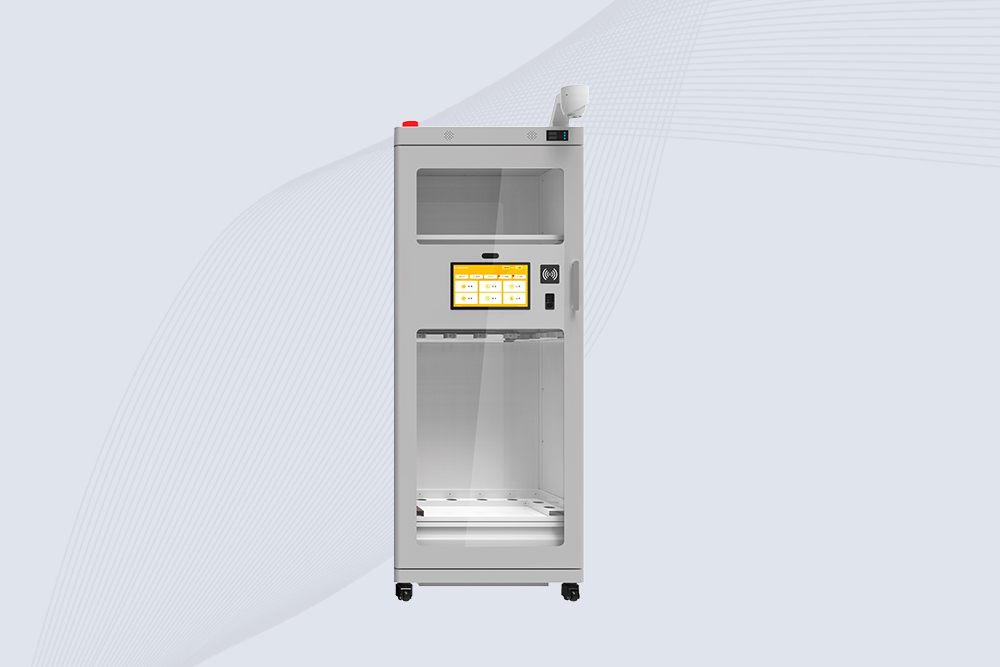
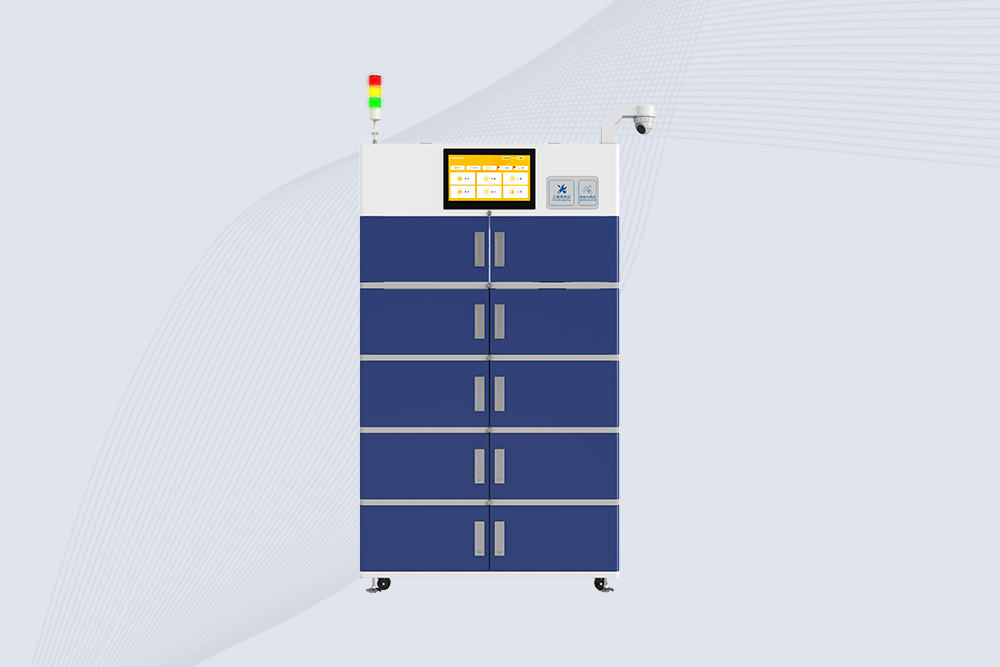
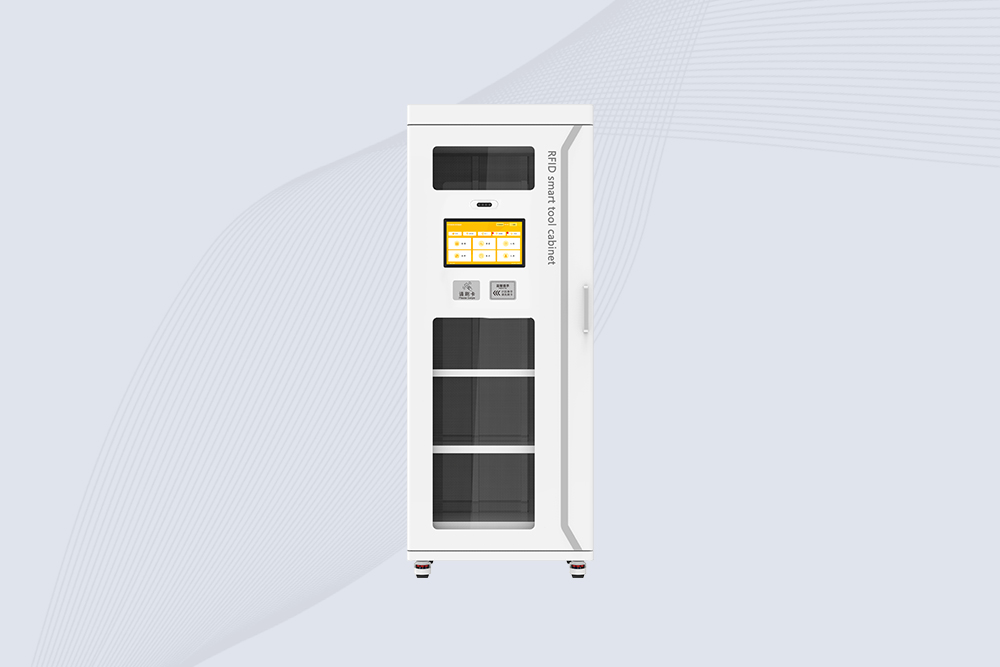
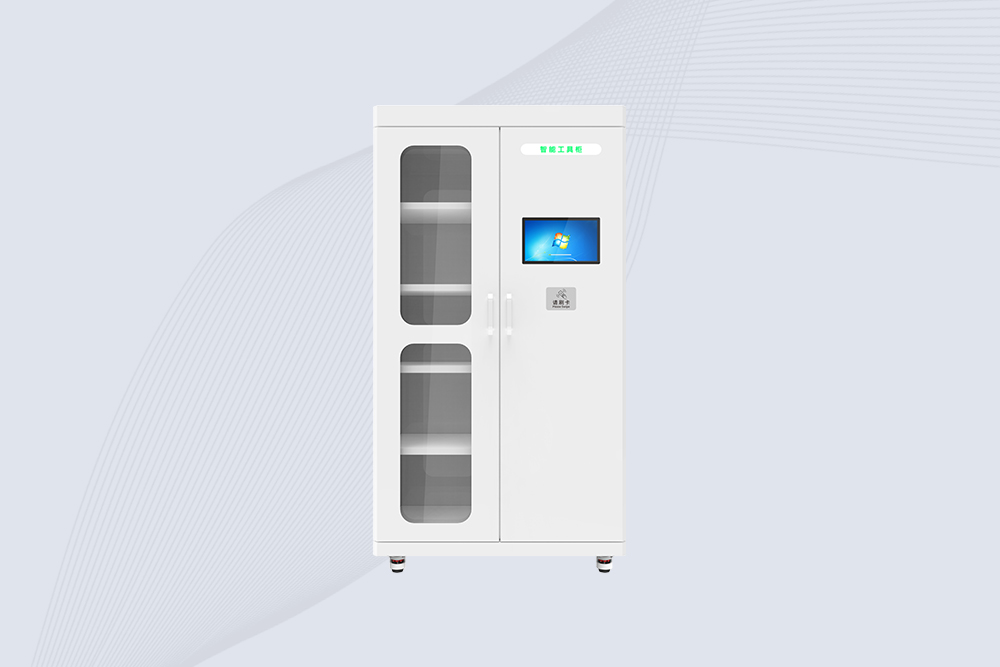
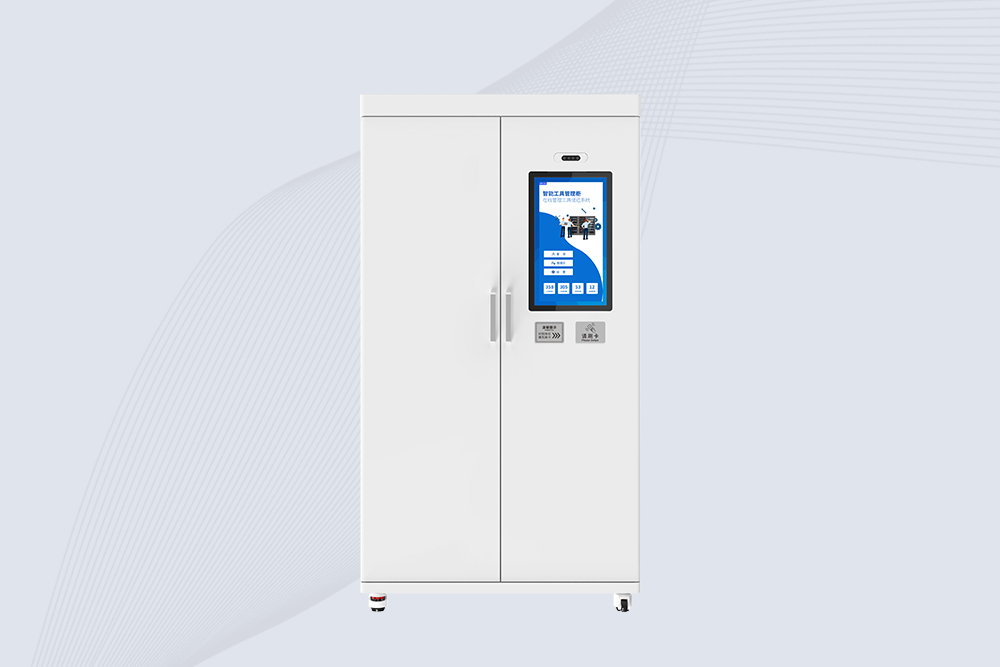
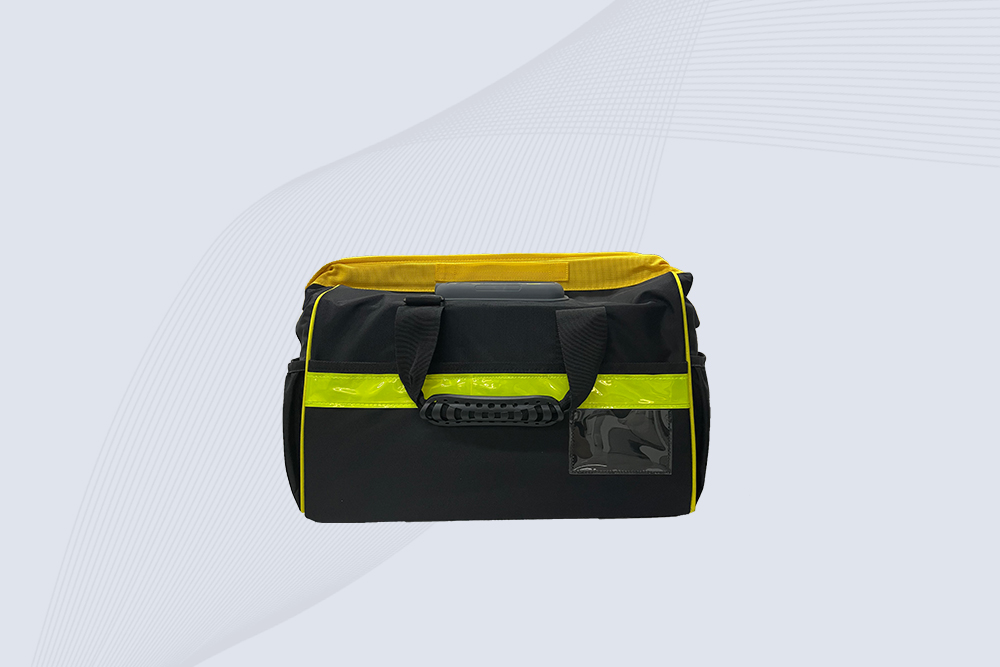
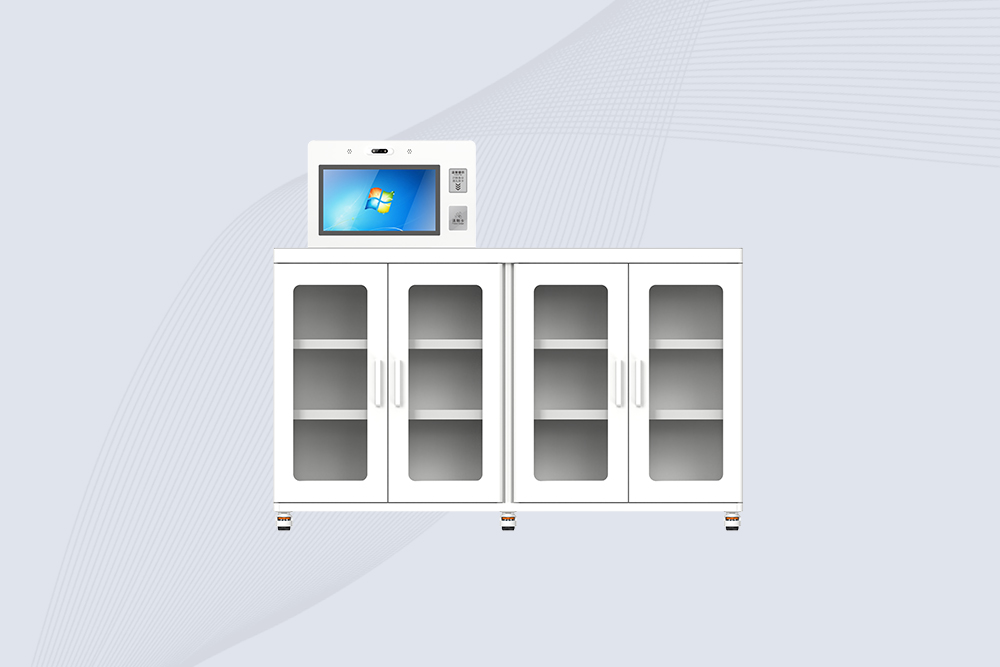
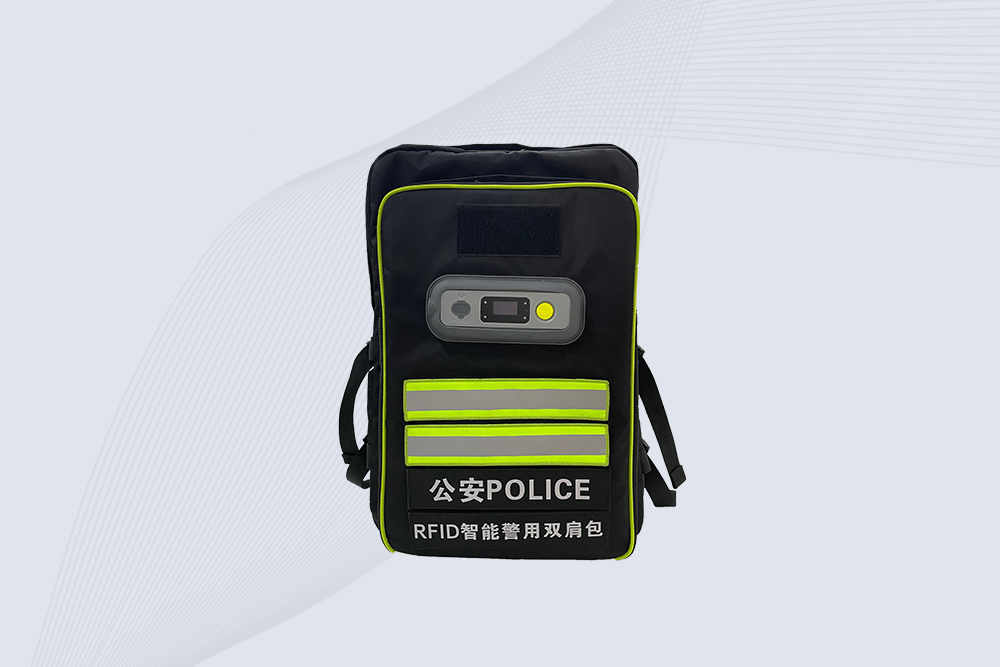
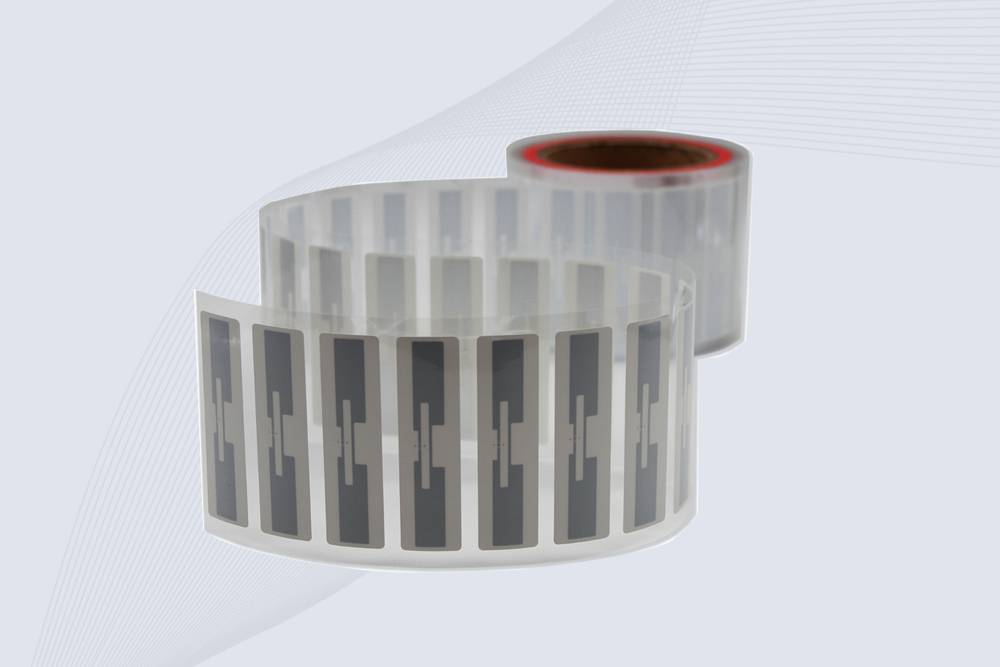
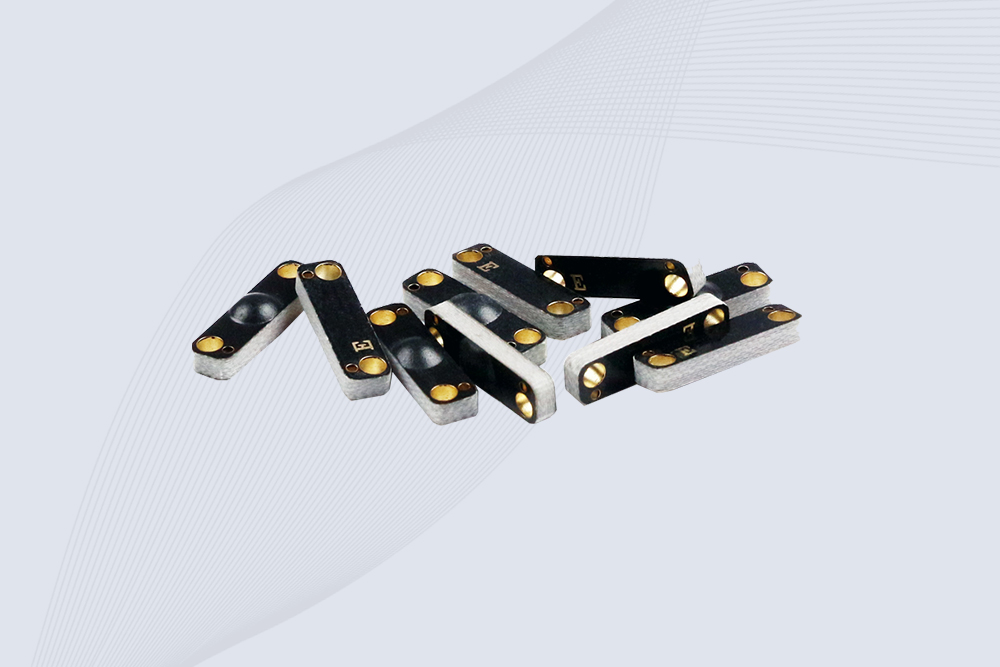
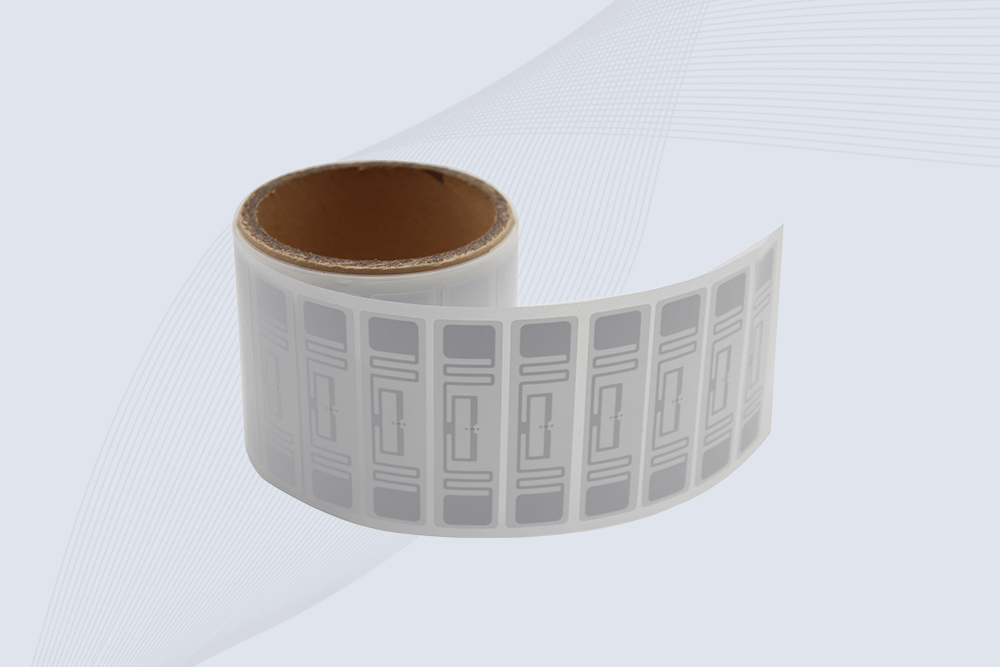
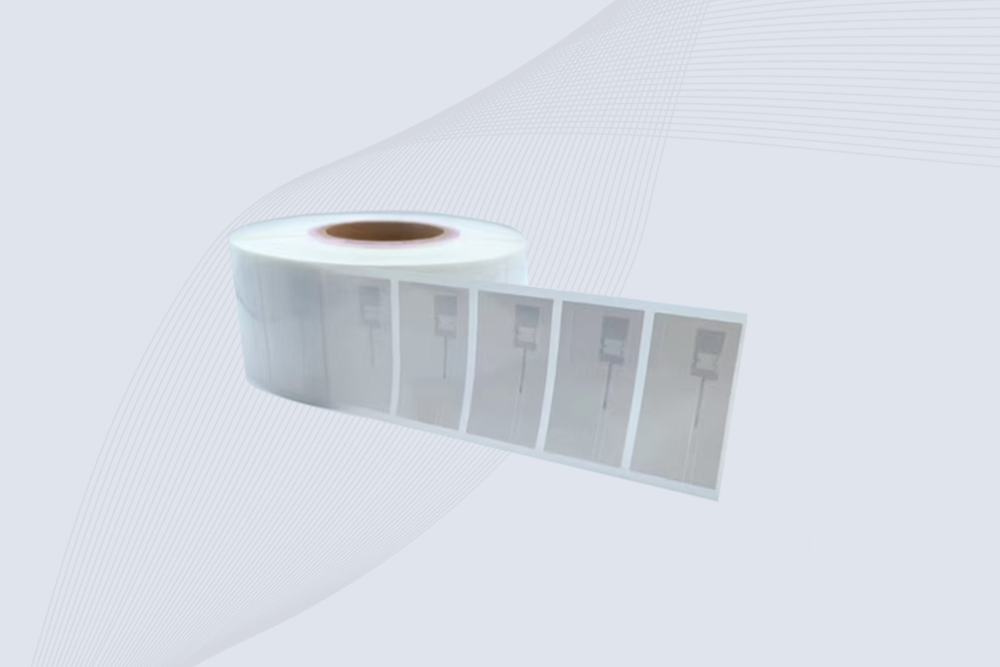
The Hidden Costs of Manual Tool Management In aerospace, energy, and manufacturing, misplaced tools aren’t just inconvenient—they’re dangerous. A single forgotten wrench can trigger FOD (Foreign Object Debris) incidents, causing equipment damage, safety violations, or project delays. Traditional methods like sign-out sheets or foam shadow boards fail to provide real-time visibility, leading to:
Unaccounted tools risking FOD in critical machinery.
Hours wasted searching for lost equipment.
Compliance gaps in regulated industries like aviation (FAA) or nuclear energy.
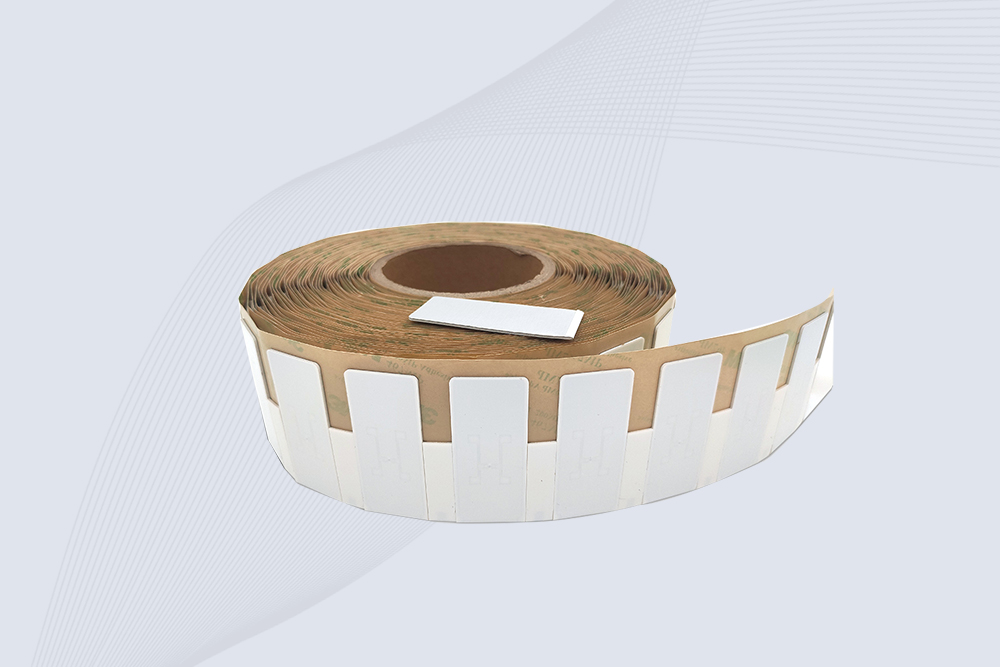
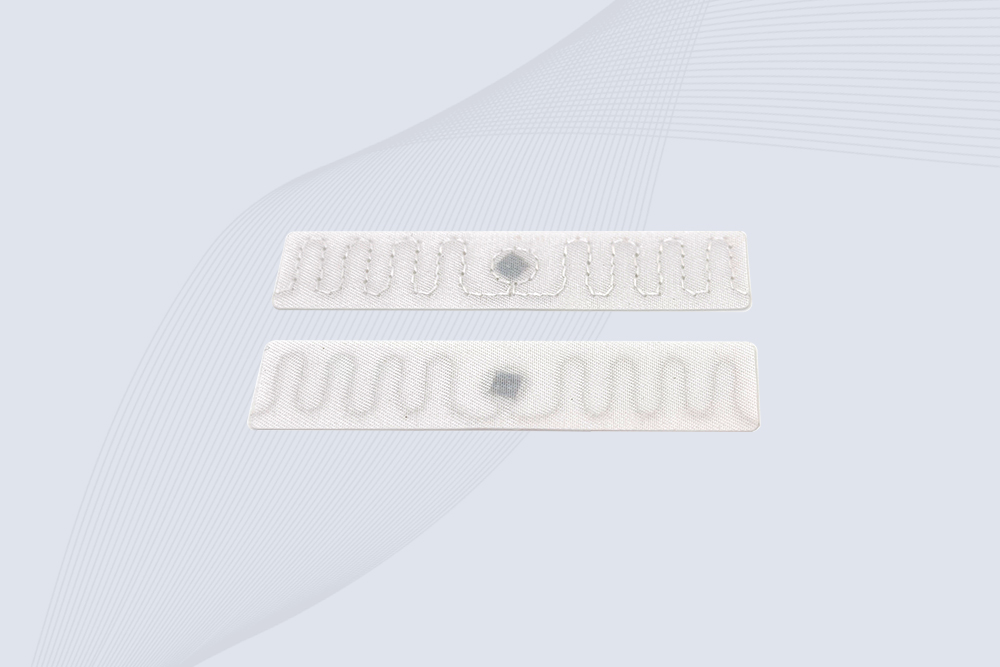
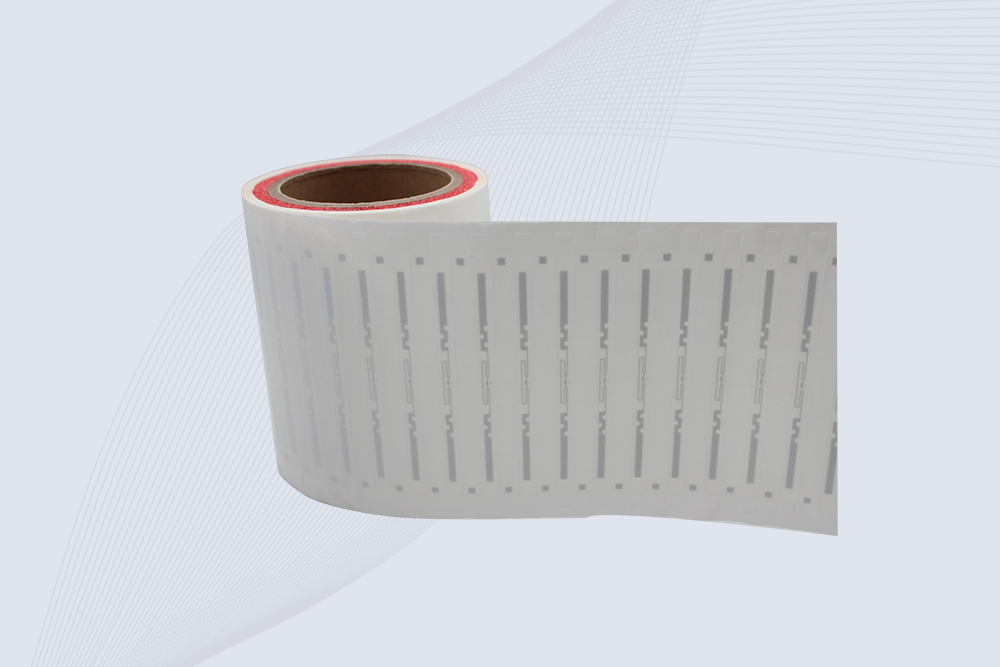
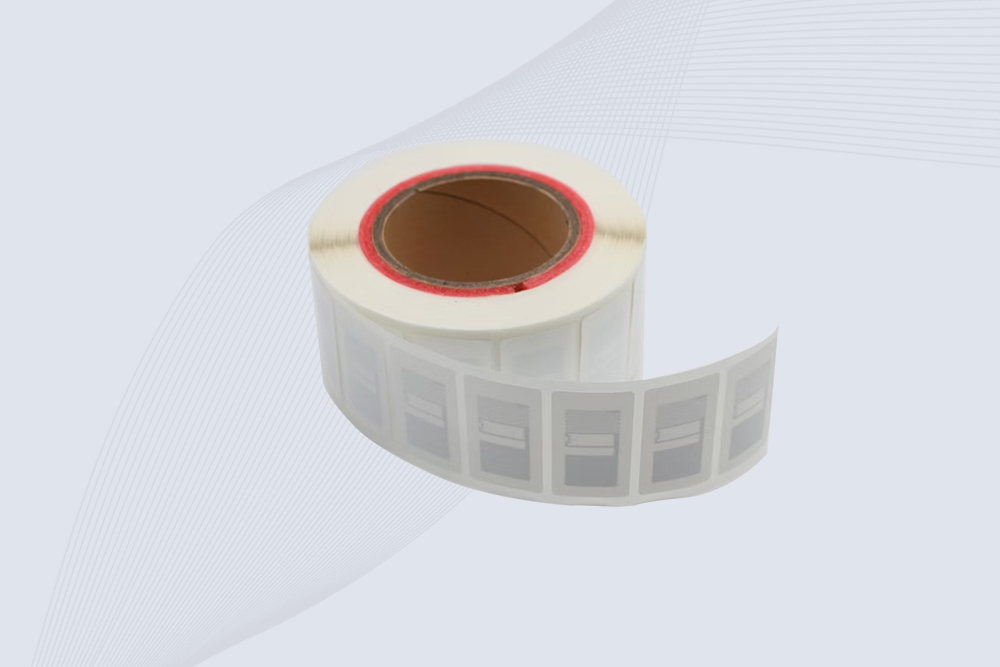
Why RFID Tool Tracking Systems Work RFID (Radio-Frequency Identification) technology automates tool accountability. Here’s how:
Connect to Workflows: Sync data with maintenance software (e.g., SAP).
The Bottom Line An RFID tool tracking system isn’t a luxury—it’s essential for industries where precision and safety are non-negotiable. By automating tool management, companies protect workers, ensure compliance, and reclaim lost productivity.
The rfid gate access control system uses RFID technology to enable efficient identity verification and access control. It’s widely used in corporate campuses, factories, warehouses, and schools. This article explains how the system works, its adva...
A practical buying guide for industrial RFID readers used in automation and logistics projects. Covers cost, reliability, long-range options, and procurement risks for large-scale deployments.
Confused about how does RFID transmit key to module? We clarify why keys are never sent over air and explain the secure cryptographic handshake used instead.
Looking to buy RFID tags? Learn about customizable, high-temp, on-metal, printable, sample packs, cards, and wristbands. Discover UHF, HF, LF, and active RFID tags, their costs, and how they’re used in warehouses, hospitals, retail, and cold chain...
 Cykeo RFID IoT Solution Products R&D Manufacturer