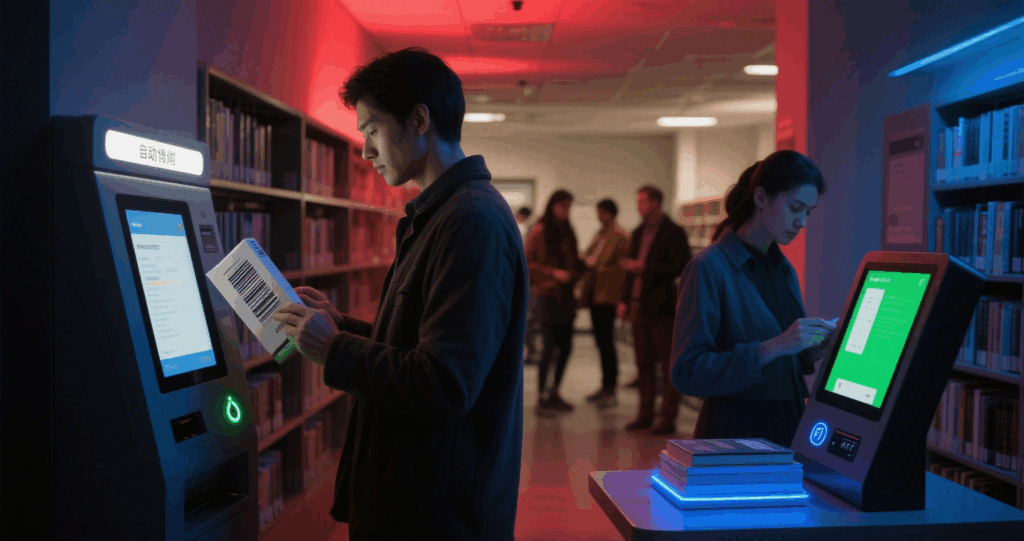
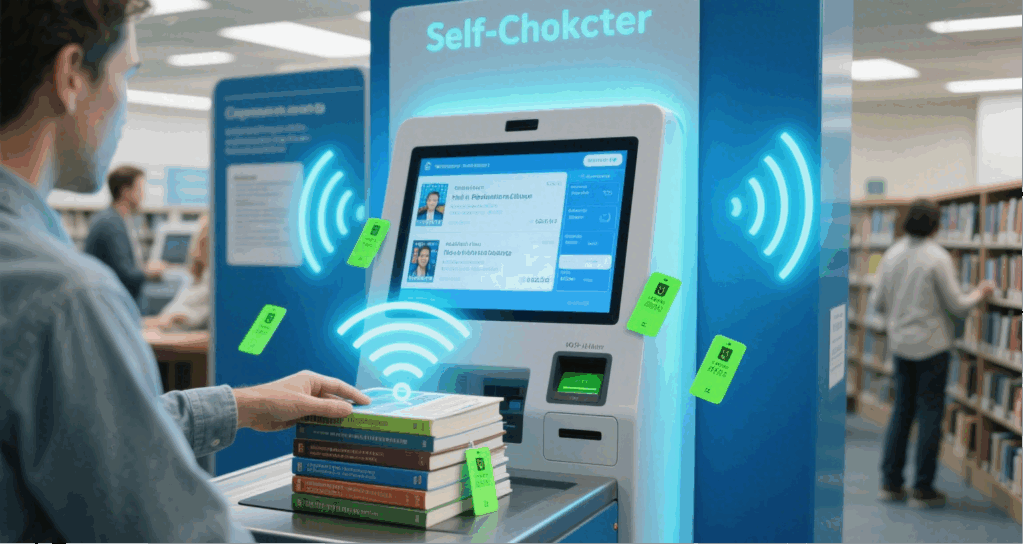
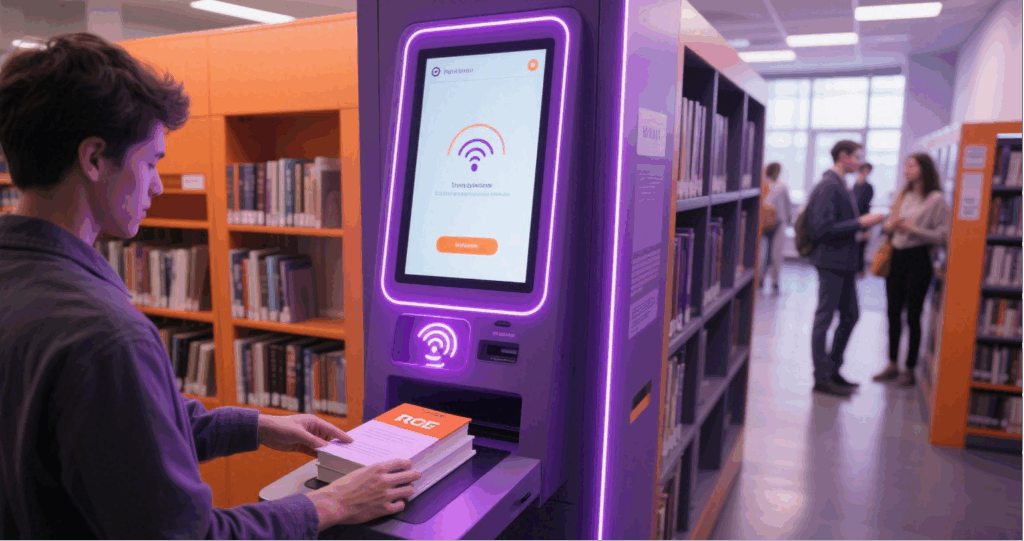
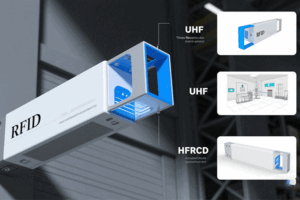
RFID (Radio Frequency Identification) tags contain microchip and antenna, allowing wireless data exchange with RFID readers. Each book is tagged with unique RFID label that stores its identification data. When the book approaches RFID device, the system reads the tag automatically—enabling real-time check-in, check-out, inventory, or anti-theft verification, without manual scanning.
Five Key Benefits Over Traditional Barcode Systems
Automatic Identification for Higher Efficiency RFID allows simultaneous reading of multiple tags, greatly improving the speed of borrowing, returning, and inventory.
No Line-of-Sight Required Unlike barcodes, RFID doesn’t need alignment. Tags can be read regardless of orientation, streamlining the user experience.
Accurate Inventory Tracking Staff can perform inventory by simply walking past shelves with a handheld RFID reader, instantly detecting misplaced or missing books.
Enhanced Anti-Theft Security RFID tags can embed security features. Unauthorized removal triggers alarms at RFID-enabled security gates.
Better System Integration RFID works seamlessly with library management systems for centralized, real-time data processing and digital services.
RFID Applications in Modern Libraries
Self-Service Check-in/out Kiosks: Readers can borrow or return books independently without staff assistance.
Smart Shelves: Real-time book tracking and guided search via integrated RFID readers.
Mobile Inventory Devices: Quick and efficient stock checks with handheld scanners.
Anti-Theft Gates: Protect book assets and reduce losses through automated security alerts.
Automated Sorting Systems: RFID enables auto-sorting and return-to-shelf processes for faster restocking.
Why Investing in RFID Systems Makes Sense for Libraries
In high-volume, fast-paced libraries, traditional barcode systems struggle to meet operational demands. RFID dramatically improves workflows, reduces staffing needs, and lowers book loss rates—making it a wise investment for modern library management.
From university libraries and public libraries to specialized archives, implementing RFID brings measurable improvements in service quality and operational efficiency. It’s a critical step in the digital transformation of modern libraries.
Conclusion
As library systems continue their shift toward automation and digitalization, RFID stands out as powerful tool for smart book management. Understanding how RFID tags work and their practical benefits helps librarians and decision-makers make informed purchasing choices.
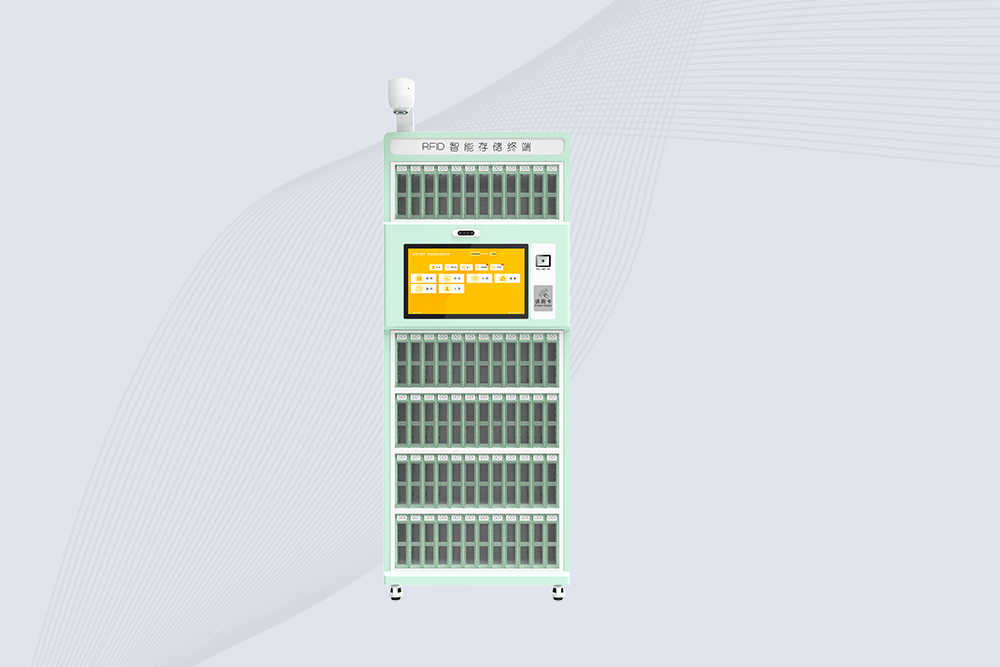
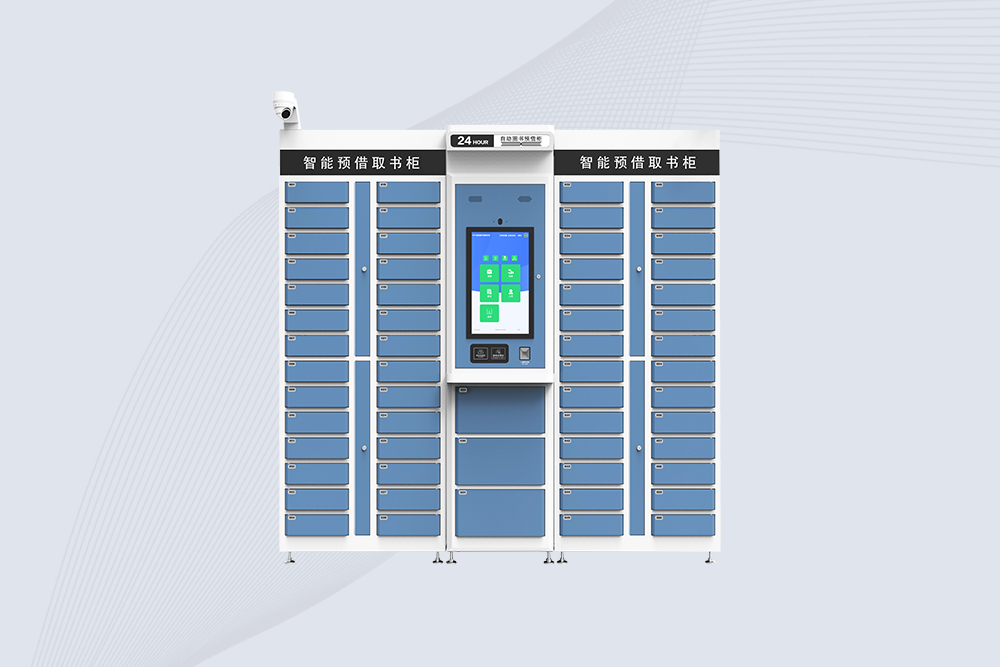
Cykeo’s RFID Library Management Cabinet offers 72-cell precision control for archives/labs/retail. Features dual-band UHF/HF scanning, facial authentication & cloud sync. ISO 18000-6C/15693 certified.
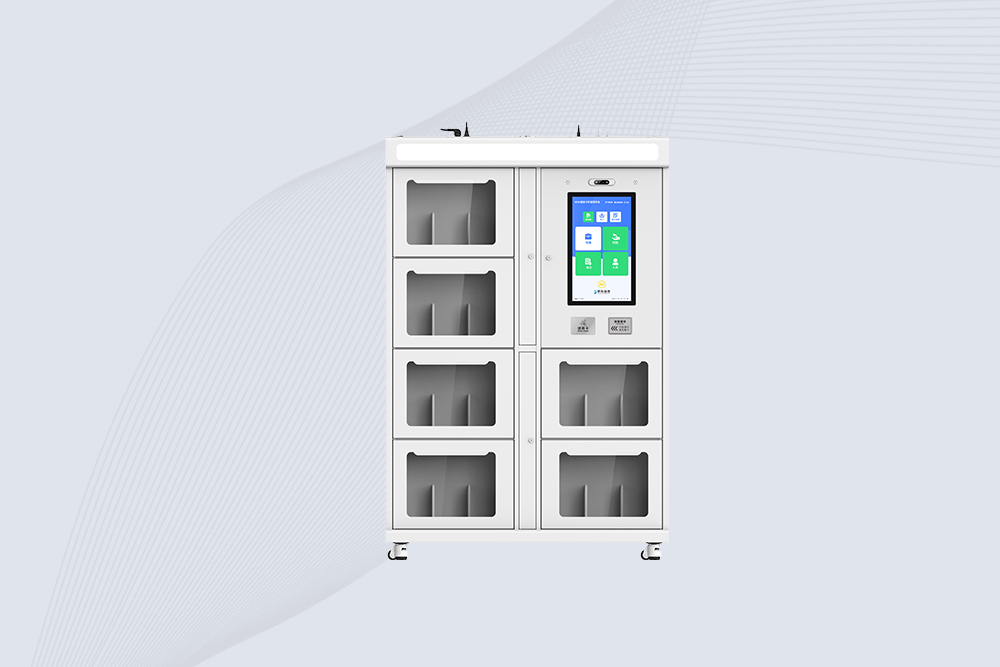
Cykeo’s RFID Book Inventory Cabinet features 7 compartments, Impinj R2000 UHF technology & dual OS for libraries/archives. 99.98% recognition accuracy with solar/cloud options.
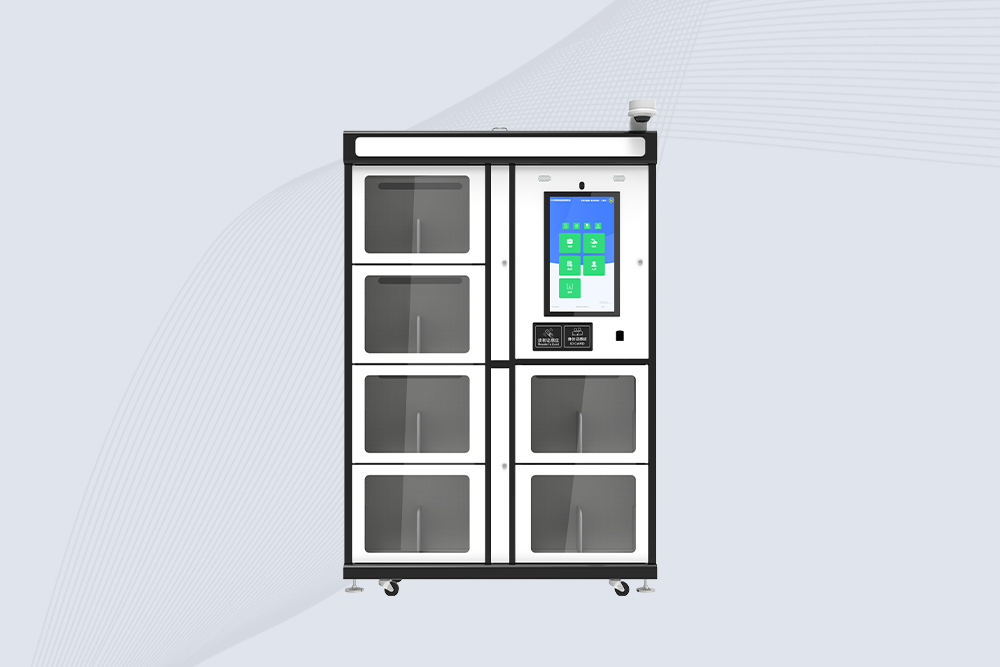
Cykeo’s industrial RFID School Library Cabinet features Impinj R2000 UHF technology, 21.5″ touchscreen & customizable compartments for academic archives, museums and libraries. Dual OS supports Windows/Android.
Explore how long range passive RFID tags achieve 30-40 m performance in harsh environments. Real-world cases, installation tips, and human insights into this quiet but powerful tech.
in-depth look at RFID bank card readers, from commercial applications to the controversy around RFID-blocking wallets. Drawing from real-world cases and industry experience, this article unpacks the tension between payment convenience and security...
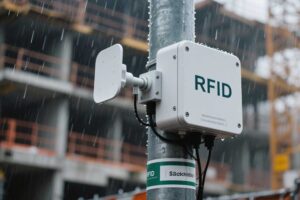
Discover how weatherproof RFID antennas enhance outdoor asset tracking accuracy in harsh conditions. Learn about durability, performance, and cost-saving benefits for industries like construction and logistics.
 Cykeo RFID IoT Solution Products R&D Manufacturer