You mount a reader. You connect antennas. You read tags.
In reality, that’s not how it goes.
Forklifts do not stop when your software expects them to. Pallets tilt, tags rotate, power drops for a second when the engine starts, and suddenly your “perfect” RFID logic starts missing reads.
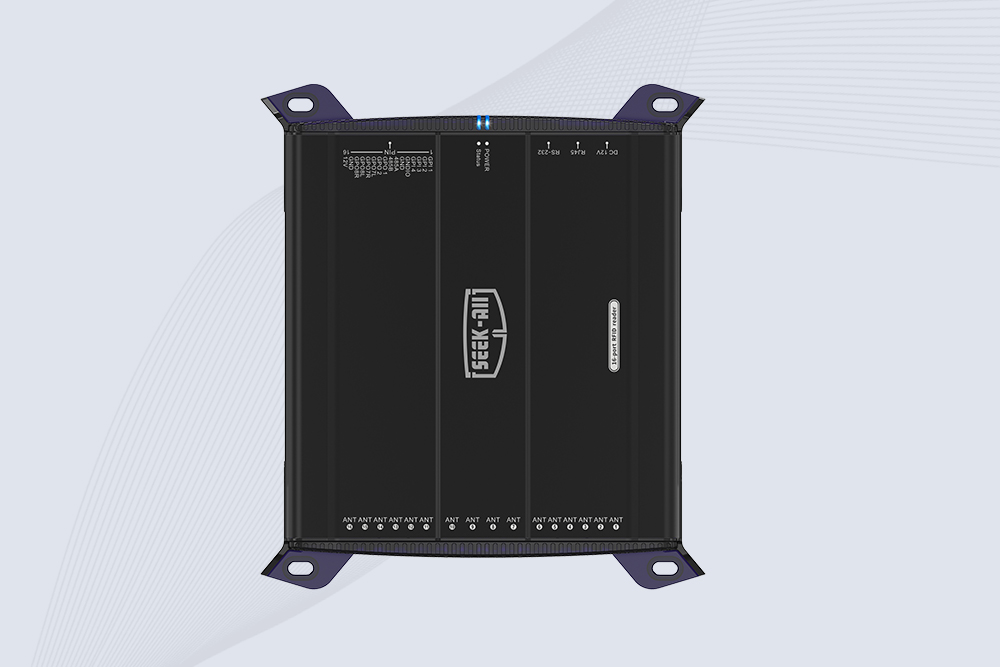
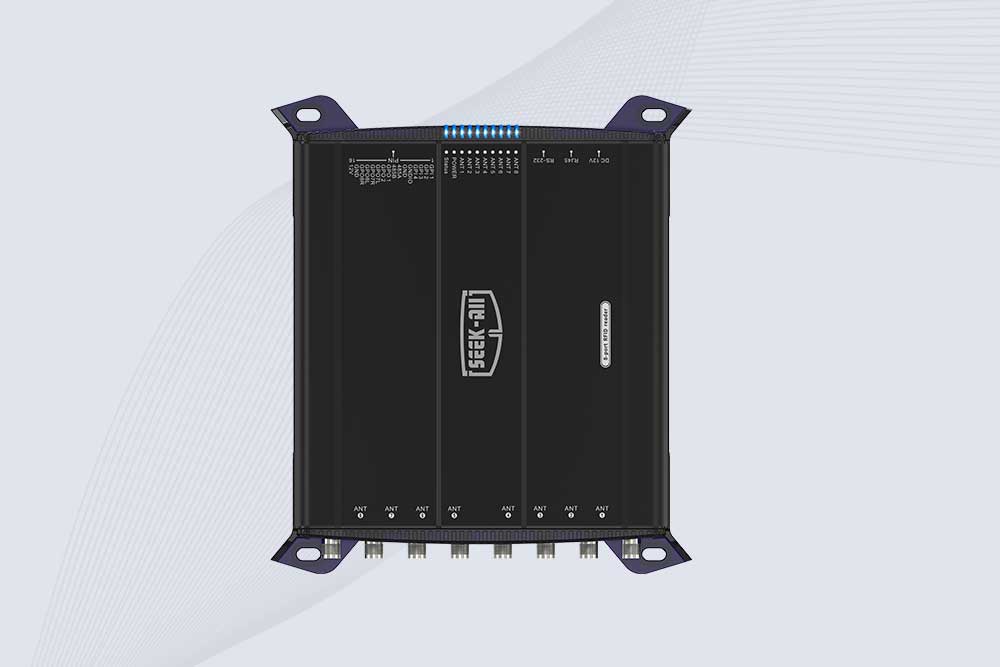
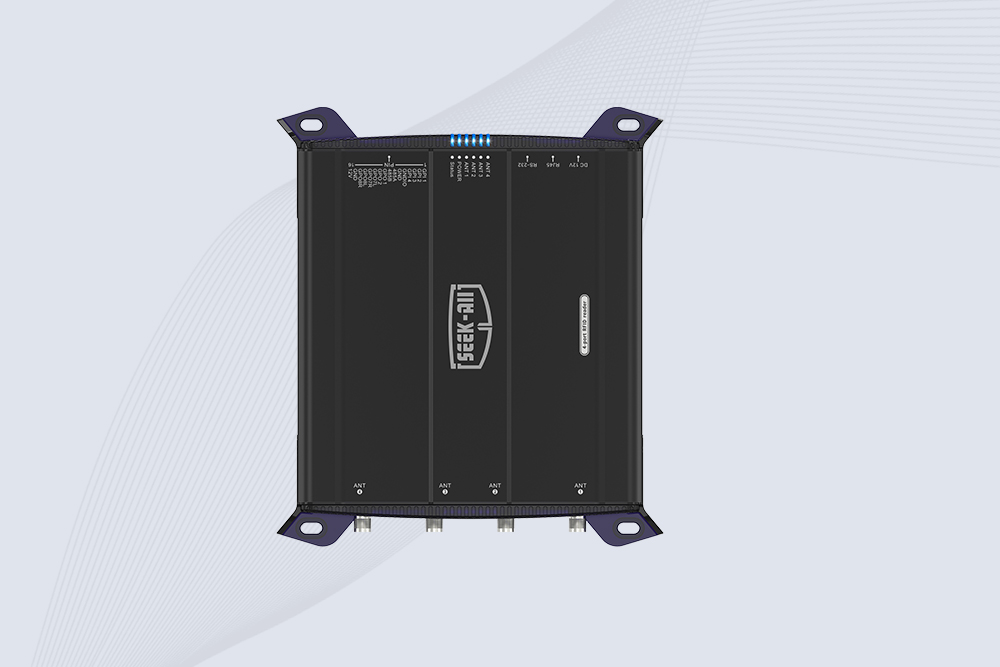
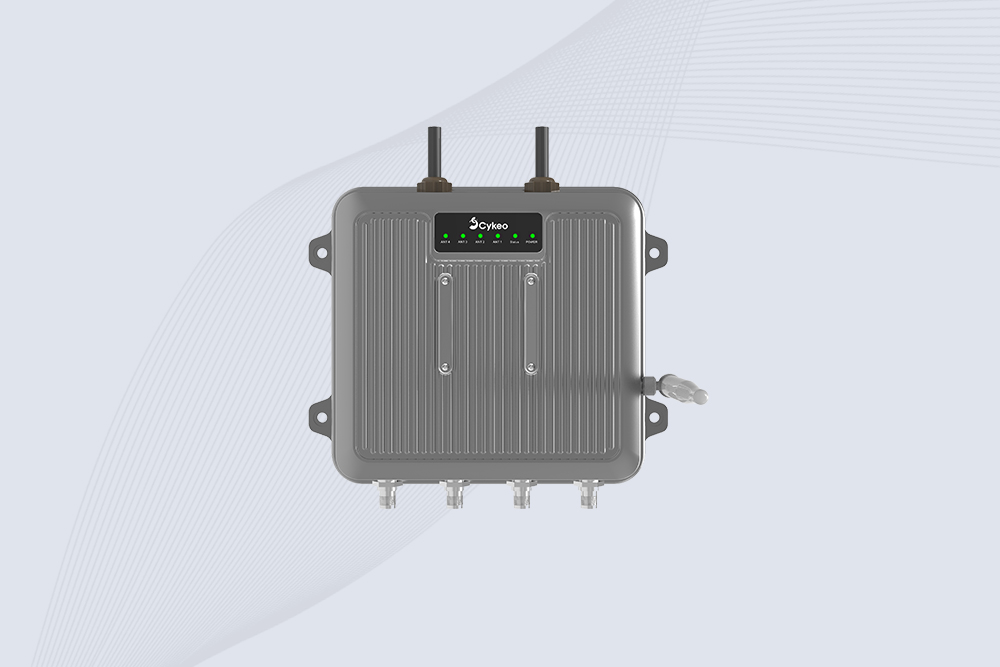
The CYKEO CK-C1 was not designed as “a smaller fixed reader”.
It was designed as something that lives on a forklift permanently.
That decision alone changed many things:
Power stability became more important than peak range
Vibration resistance mattered more than enclosure aesthetics
Firmware control mattered more than UI screens
The result is a rfid forklift reader that behaves predictably while the forklift is moving, stopping, turning, and loading.
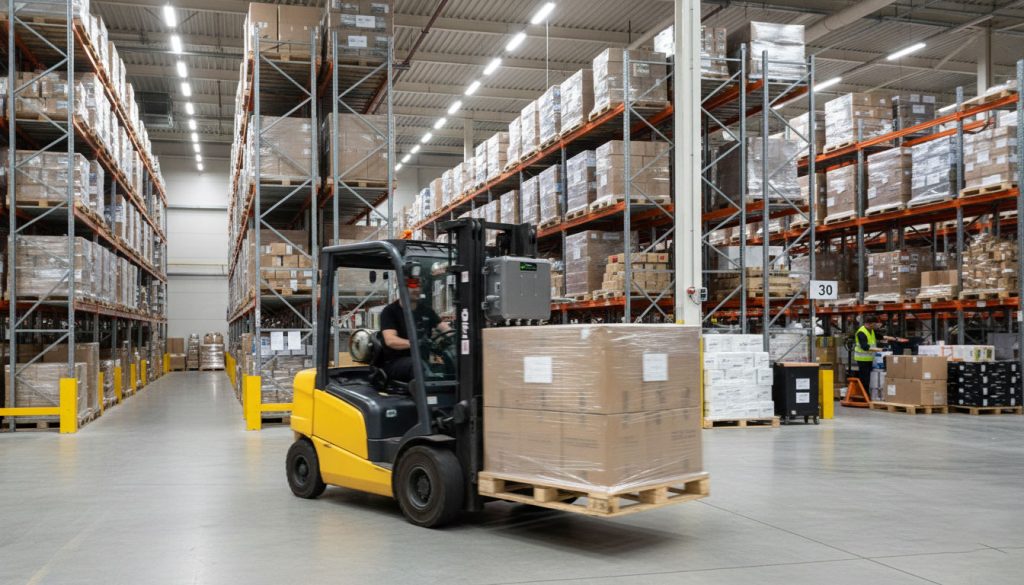
CK-C1 operating while the forklift is actively moving pallets
Software Teams Care About One Thing: Data That Makes Sense
From the software side, no one cares how “powerful” a reader is if the data is unusable.
What developers usually want:
Stable tag events
Adjustable RSSI thresholds
Control per antenna port
Predictable communication behavior
CK-C1 gives control at the level that actually matters: each antenna port can be tuned independently, and dense tag environments don’t force you to rewrite your backend logic.
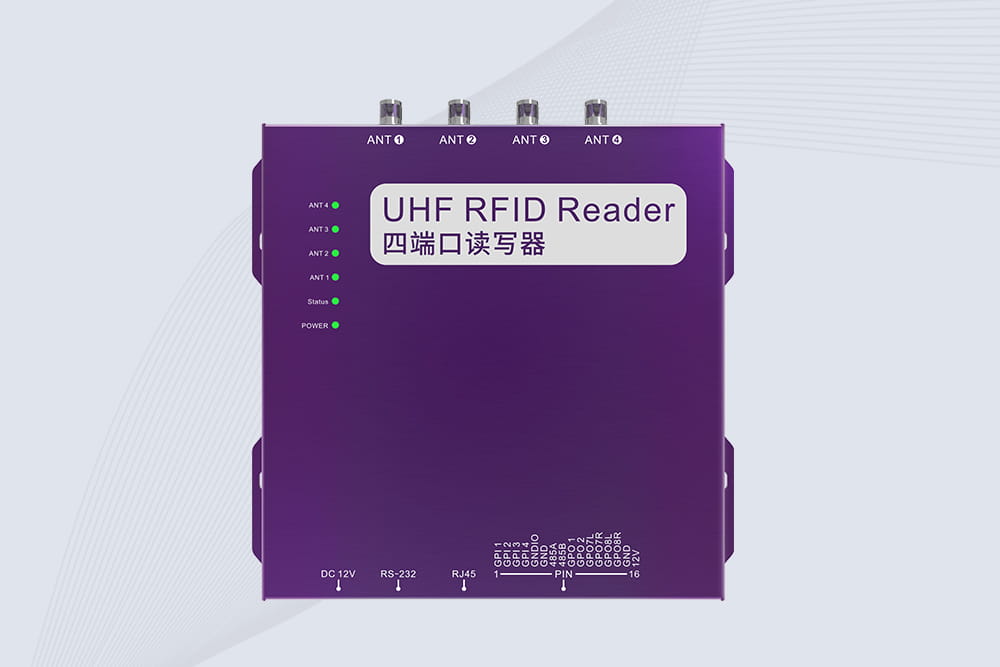
The reader supports Ethernet and RS-232, with optional Wi-Fi when cabling is not practical on mobile equipment. TCP/IP communication keeps integration straightforward, whether you’re feeding data into middleware or directly into your own service.
Why the Antenna Matters More Than Most Teams Expect
In forklift RFID projects, the antenna choice is often underestimated.
That’s why CK-C1 is commonly paired with the CYKEO CK-A12 12dBi circular polarized antenna:
Controlled read zones
Stable performance despite tag orientation
Less accidental reading from nearby racks
Circular polarization isn’t a marketing detail here. On a forklift, tag orientation is never consistent.
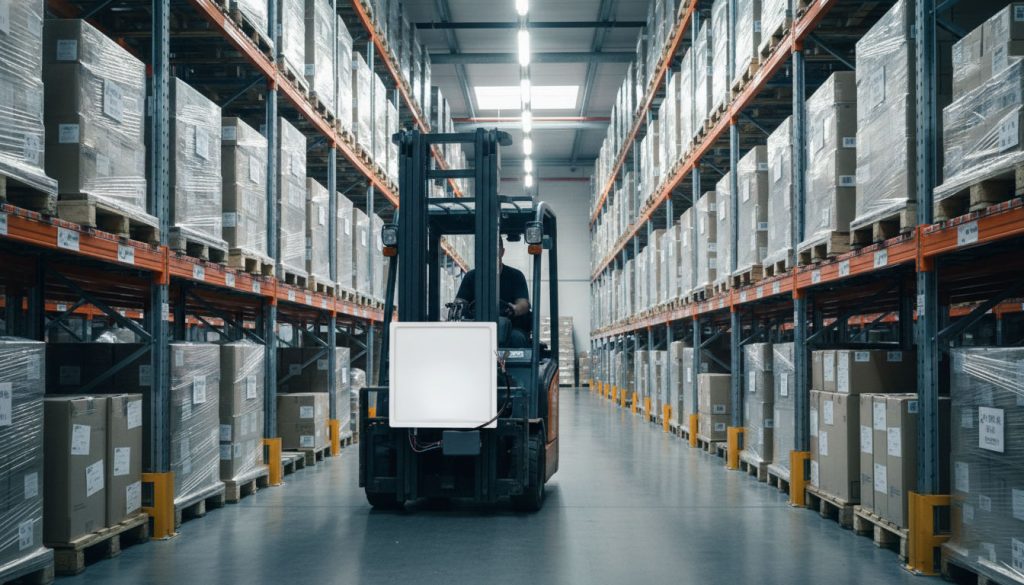
CK-A12 antenna installed for controlled pallet-level reading
What This Solves for Software-Driven Warehouses
Once forklift RFID data becomes reliable, systems change.
Inventory updates no longer wait for manual scans. Pallet movement becomes traceable in real time. Exceptions show up earlier, not after shipments leave.
From a software perspective, the forklift becomes a mobile sensor, not a noisy data source.
That is where a forklift mounted rfid reader actually delivers value.
Typical Use Cases We See in the Field
Not theory. Actual deployments:
Automatic pallet identification during transport
Real-time location updates linked to forklift tasks
Load verification before storage
Inventory accuracy improvements without extra labor
In most cases, the forklift RFID layer connects existing systems instead of replacing them.
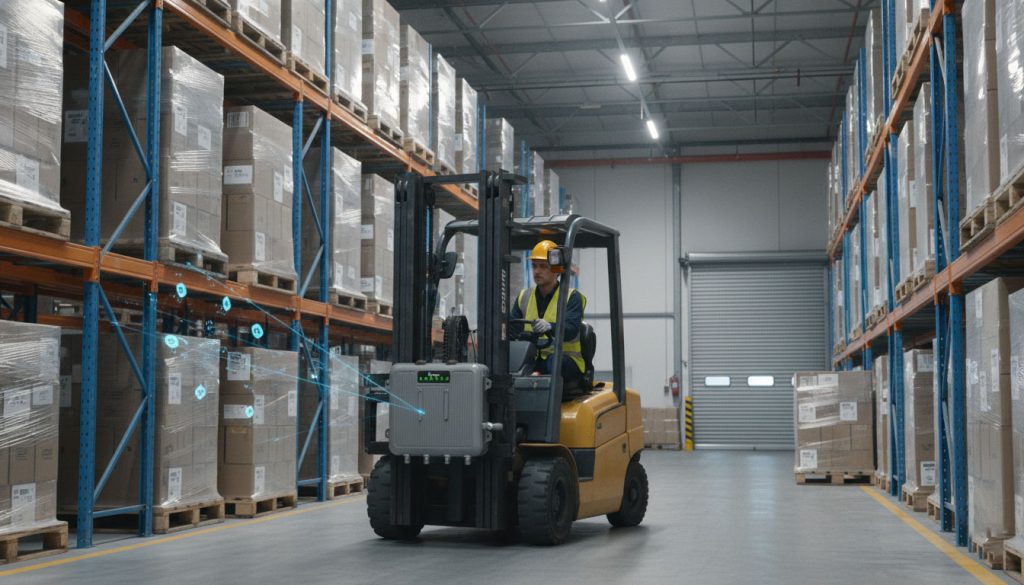
Forklift RFID data feeding warehouse systems in real time
Final Thought for Developers
If you are building a warehouse system, the question is not whether RFID works.
The question is whether it works while things are moving.
Learn how far a long range RFID scanner can read and what really affects RFID distance performance. A practical guide for RFID integrators, distributors, and industrial project buyers.
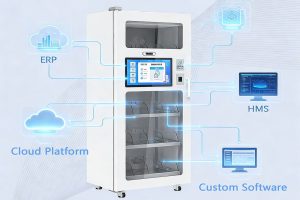
Discover how armoire RFID smart cabinets integrate with ERP, WMS, and custom platforms. Learn why RFID cabinets are ideal for system integrators, retrofit projects, and secondary development.
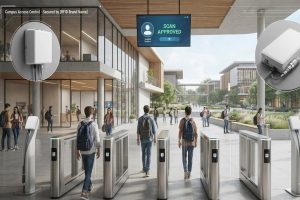
Discover how long range RFID scanners improve campus access control, student identification, and security management. Learn RFID solutions for smart schools and universities.
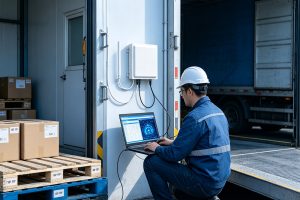
Learn how to troubleshoot common long range RFID reader problems, including missing tags, cross reads, rain interference, metal tag issues and unstable reader connections.
 Cykeo RFID IoT Solution Products R&D Manufacturer