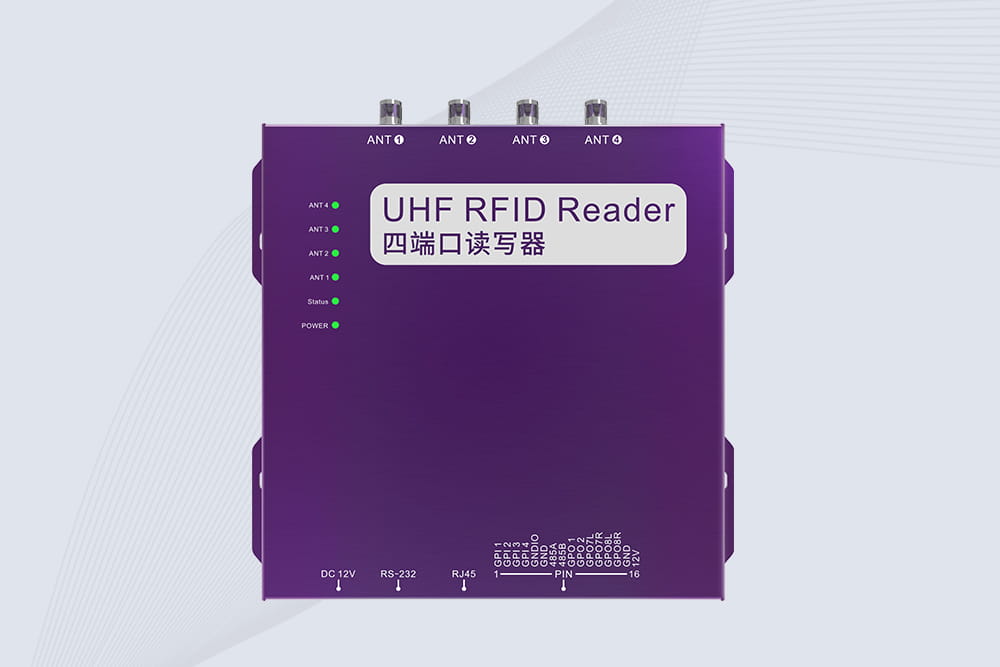
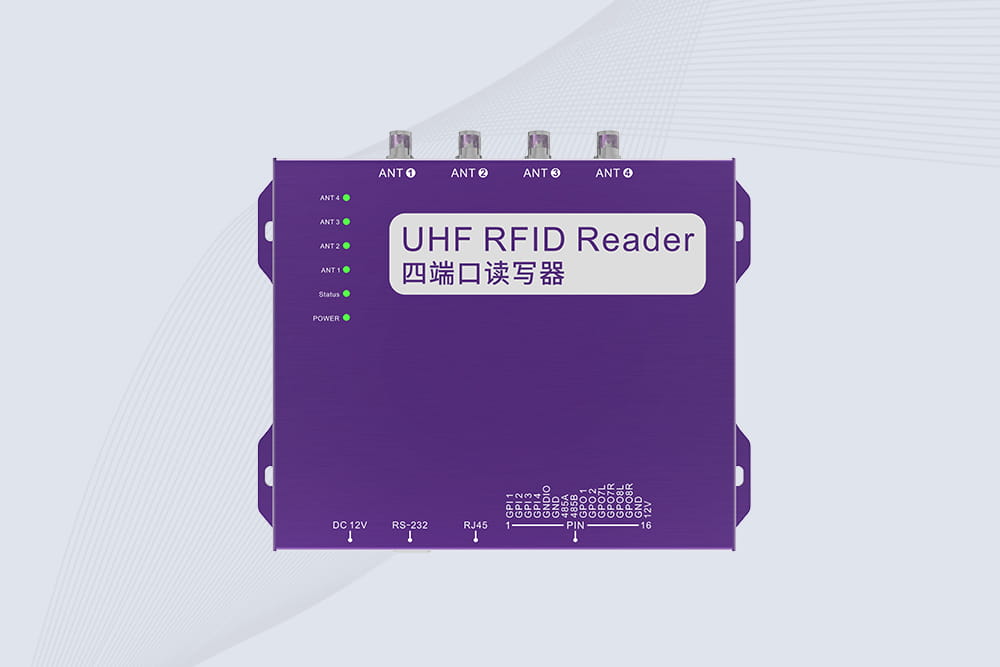
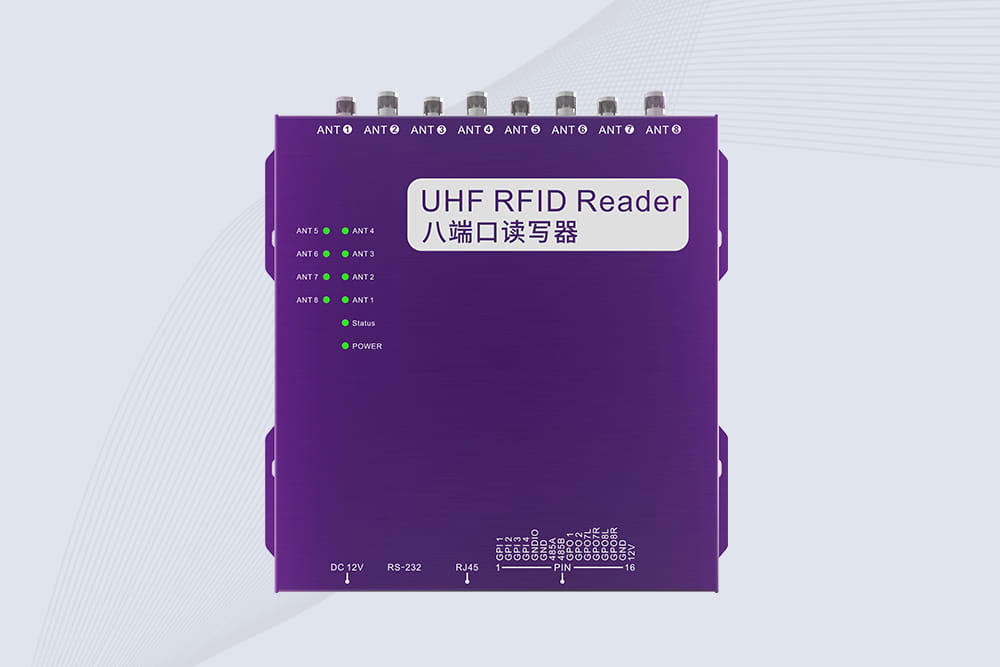
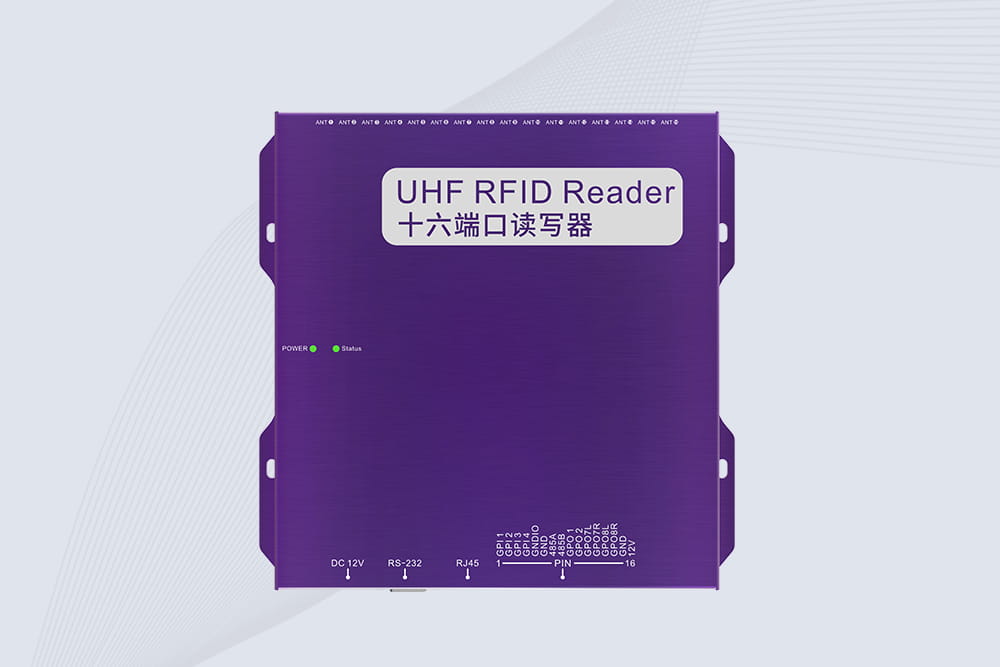
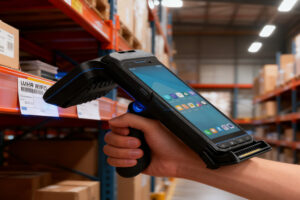
In modern smart management systems, rfid reader has evolved from a simple tag scanner into a core component that integrates deeply with RFID antennas and supports complex applications. Whether it’s warehouse logistics, asset tracking, production line management, or smart access control, choosing the right fixed RFID reader and designing its integration with antennas is crucial for delivering reliable, scalable RFID solutions.
What is Fixed RFID Reader?
fixed RFID reader is a professional rfid device installed in a fixed location that communicates with RFID tags via radio frequency. it is different with handheld readers, it is installed at warehouse entrances, gates, and production line. Fixed readers often support multiple rfid antennas and can directly interface with control systems, enabling automated data collection and business triggers. For a detailed breakdown of selection criteria, rfid solution providers often refer to this fixed RFID reader buying guide.
1. Choosing the Right Fixed RFID Reader for Your Business
Selecting a fixed RFID reader isn’t just about specs; it must match the project’s use case, deployment space, tag types, and reading stability. A solid evaluation process usually considers five core parameters: frequency, read range, output power, interface support, and operating modes. The fixed RFID reader buying guide explains these parameters in depth, helping integrators make informed decisions.
1) Frequency Compatibility (HF/UHF)
UHF RFID readers are preferred for industrial systems due to long read distances and high-speed multi-tag reading, suitable for warehouses, vehicle gates, and asset tracking.
HF RFID readers are better for short-range, high-interference environments like production stations or tool cabinets.
Choosing the right frequency ensures stable, reliable reading.
2) Read Range
The read range determines the coverage area of your RFID setup. UHF fixed readers, combined with different RFID antennas’ gain and placement, can reliably cover several meters to over ten meters—critical for gate control, pallet, or container tracking.
3) Adjustable Output Power
Power settings affect read distance, anti-interference, cross-read protection, and energy efficiency. Integrators must set output power according to site conditions, such as metal interference, channel width, and tag density.
4) Multiple Interfaces & System Integration
Good fixed readers offer various industrial interfaces (Ethernet/RJ45, RS232/RS485, USB, Logic IO/Relay) to connect seamlessly with PLCs, MES, WMS, access control systems, or ERP platforms. You can explore the full range of fixed RFID readers available for integration projects.
5) Operating Modes & Edge Logic
From continuous scanning to trigger-based scanning (IO triggers), modern readers can also perform local data filtering and edge processing. This reduces backend load and improves real-time performance.
2. Integrating RFID Readers with RFID Antennas
A fixed RFID reader + multi-channel RFID antenna setup is key to covering large areas and improving system reliability. Integration best practices include:
Antenna Layout Determines Coverage
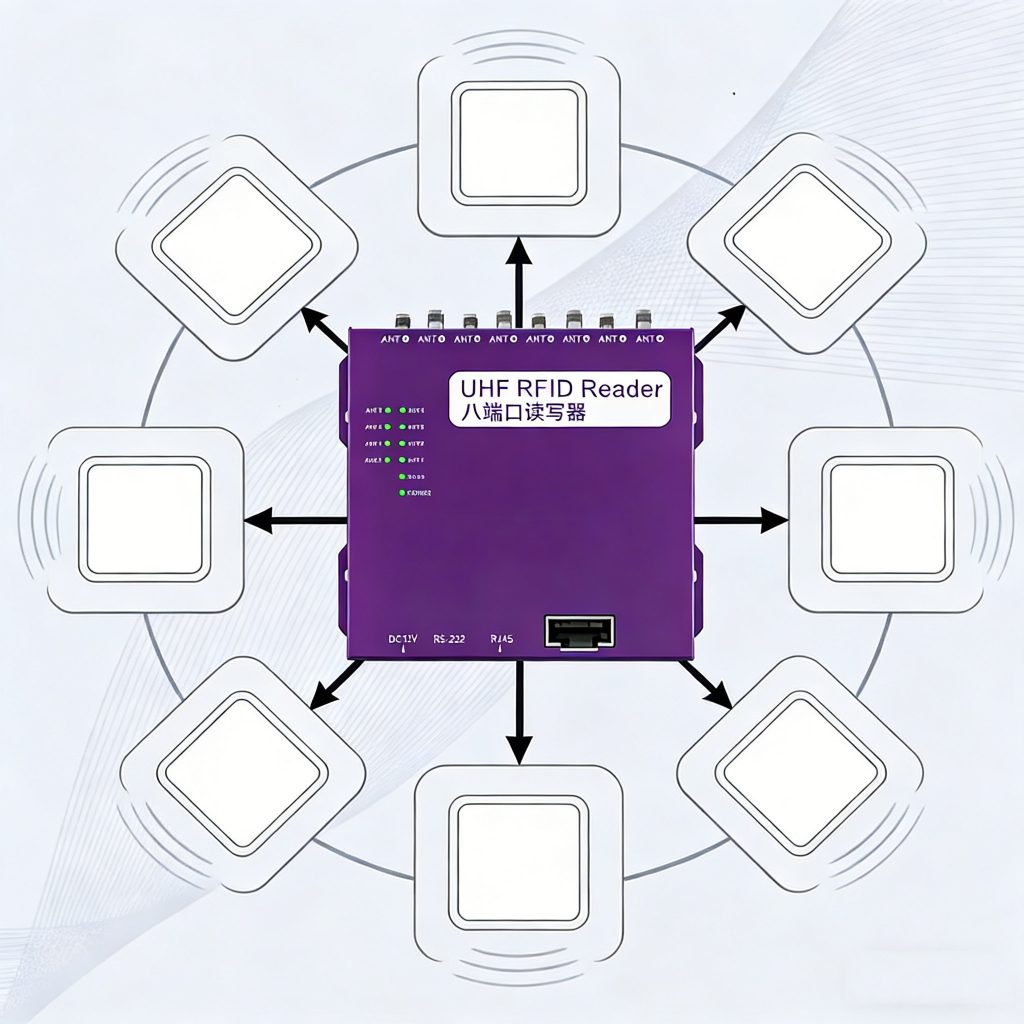
For gates or passages, 2–8 antennas are often deployed, designed for gain and directionality to maximize coverage and reduce missed reads. Different antennas combined with a fixed reader can enable zone-based recognition and cross-read prevention.
Multi-Antenna Ports & Scalability
High-end fixed RFID readers often support multiple antenna ports, sometimes 8 or more. This allows a single reader to cover different zones such as front gates, side passages, and return paths, all managed logically.
3. Use Cases: From Warehouse Automation to Smart Access Control
When you integrate a fixed RFID reader with RFID antennas and management systems, you can implement:
Warehouse & Logistics
Automatic recognition of pallets and containers at entry/exit points
High-speed reading on sorting lines
Real-time inventory updates to WMS
Deploying multiple antennas per reader ensures full coverage and high read accuracy.
Production Line & Asset Management
Automatic identification of materials at workstations
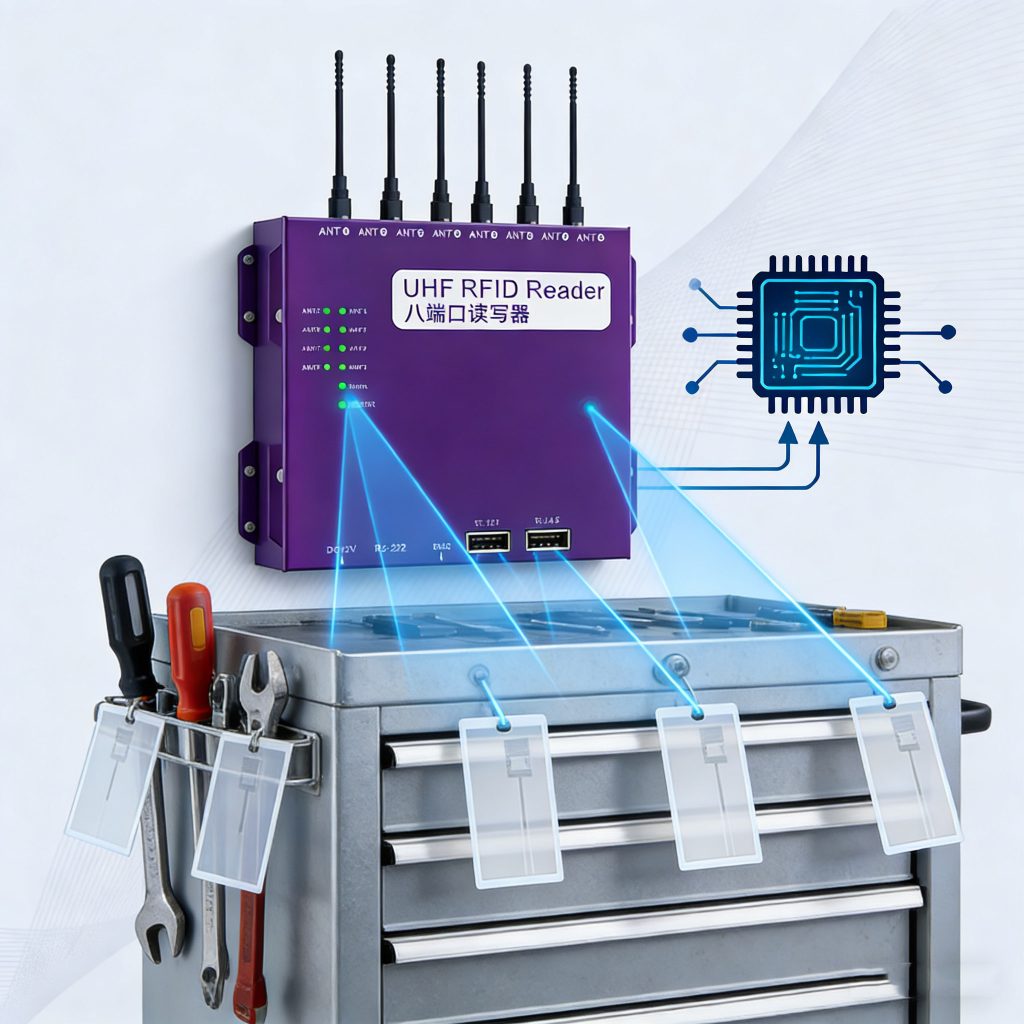
Dynamic tool cabinet inventory
Maintenance cycle tracking for equipment
Fixed readers integrated with antennas at key stations allow seamless management within centralized systems.
Access Control & Personnel Tracking
Fixed RFID readers at entrances or key zones can automatically log personnel movements and trigger authorization events when integrated with backend access systems.
4. Best Practices for Solution Providers & Integrators
For RFID solution providers / system integrators, understanding fixed reader specs is necessary—but practical integration skills are even more critical:
Define business goals & experience boundaries Clients care about “system usability” rather than “device specs.” For instance, vehicle throughput and accurate asset recognition matter more than theoretical read range.
Design the antenna system holistically Consider site structure, metal surfaces, and reflections. Visual modeling or on-site testing before deployment helps ensure reliability.
Integrate data flow with control systems Fixed readers act as edge collection nodes. Data must reliably and securely reach central systems while enabling event-based control, such as triggering gates or PLCs.
Conclusion
In building a high-reliability RFID management system, a rfid reader—especially a fixed RFID reader—is not just a tag reader. It’s a core node that integrates with RFID antennas, connects to backend management systems, and enables automated business triggers. Understanding frequency, read range, interface support, and operating modes is the foundation for solution providers and integrators to deliver robust, maintainable, and scalable RFID applications. For a detailed step-by-step guide on selection, see the fixed RFID reader buying guide.
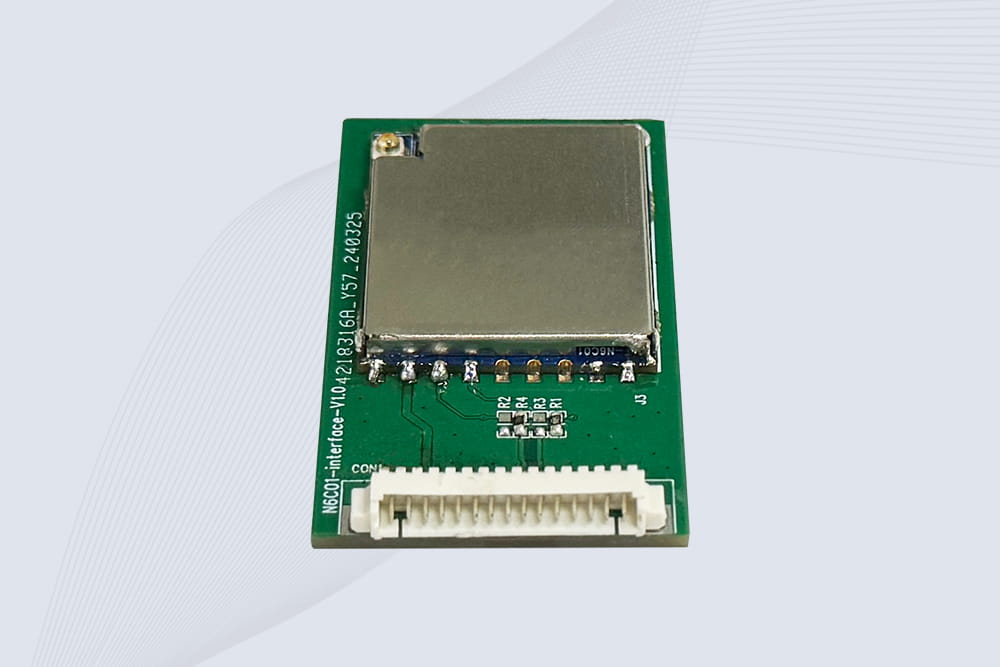
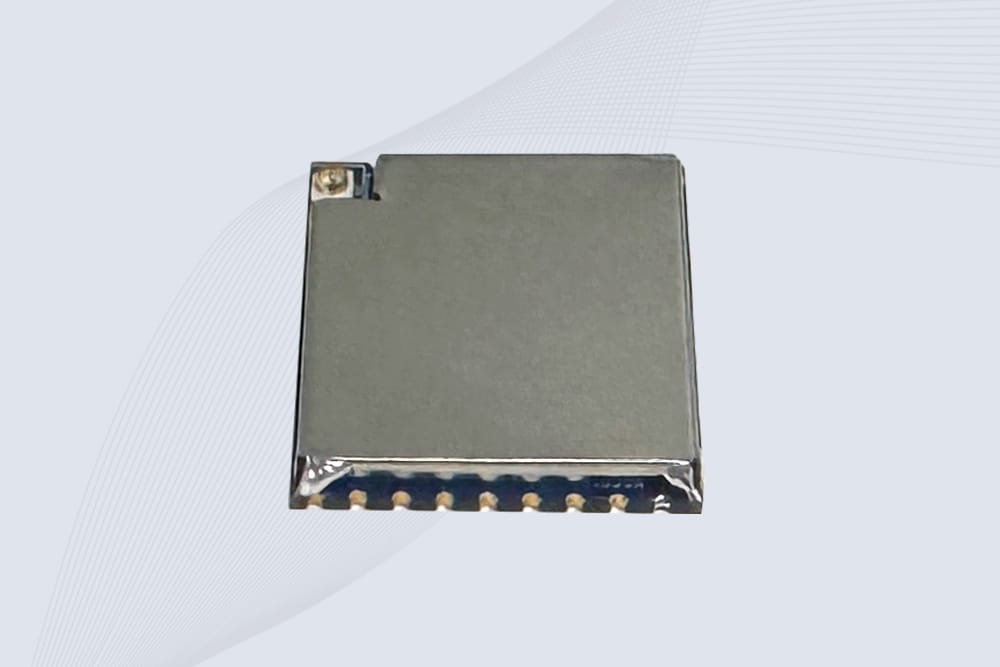
CYKEO Embedded RFID Modules are designed for compact industrial and IoT devices that require stable UHF performance. These UHF RFID Modules support global protocols, flexible power control, and reliable multi-tag reading for smart cabinets, production lines, and asset tracking systems.
CYKEO Embedded RFID Module is built for compact IoT and industrial devices that need stable UHF performance. This UHF module supports global protocols, low power operation, and reliable multi-tag reading for smart lockers, production lines, and always-on RFID systems.
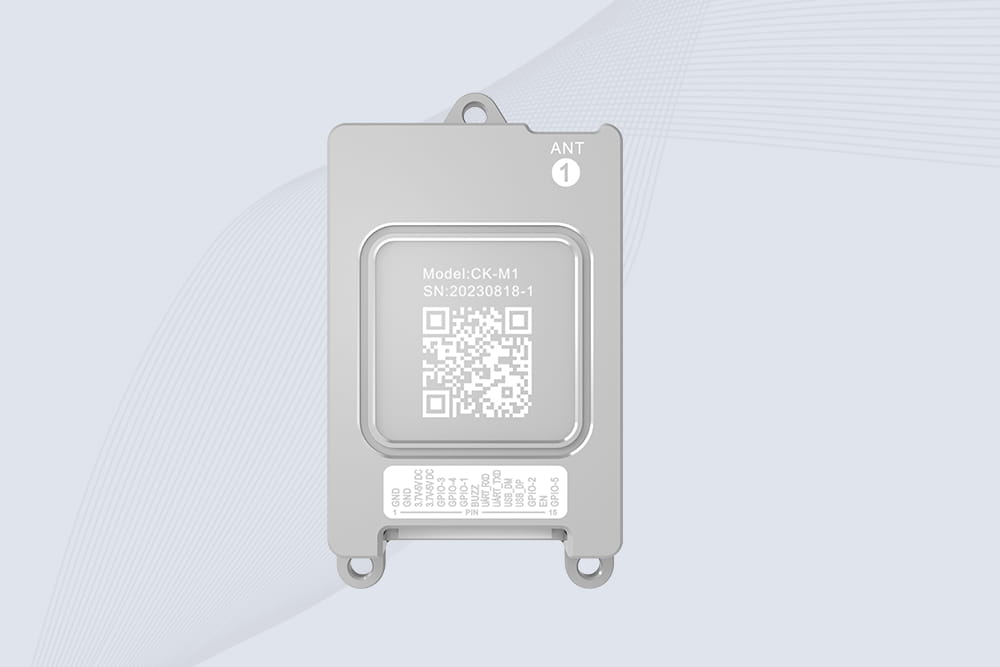
CYKEO CYKEO-M1 drone rfid module is a compact UHF RFID reader module designed for drones and UAV platforms. It supports long-range aerial scanning, fast multi-tag reading, and stable performance in wind, vibration, and outdoor environments.
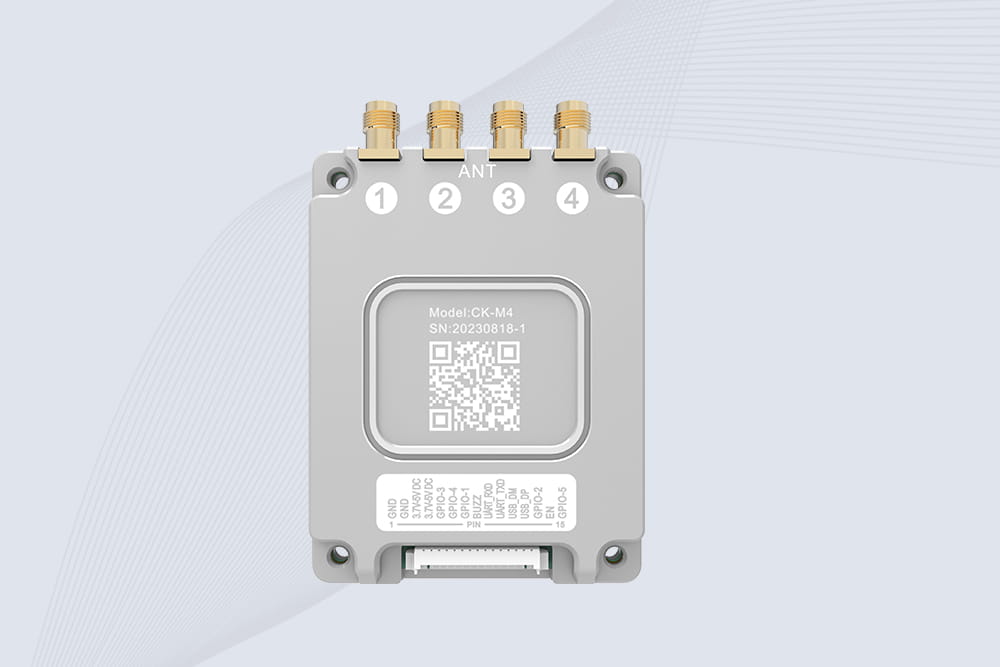
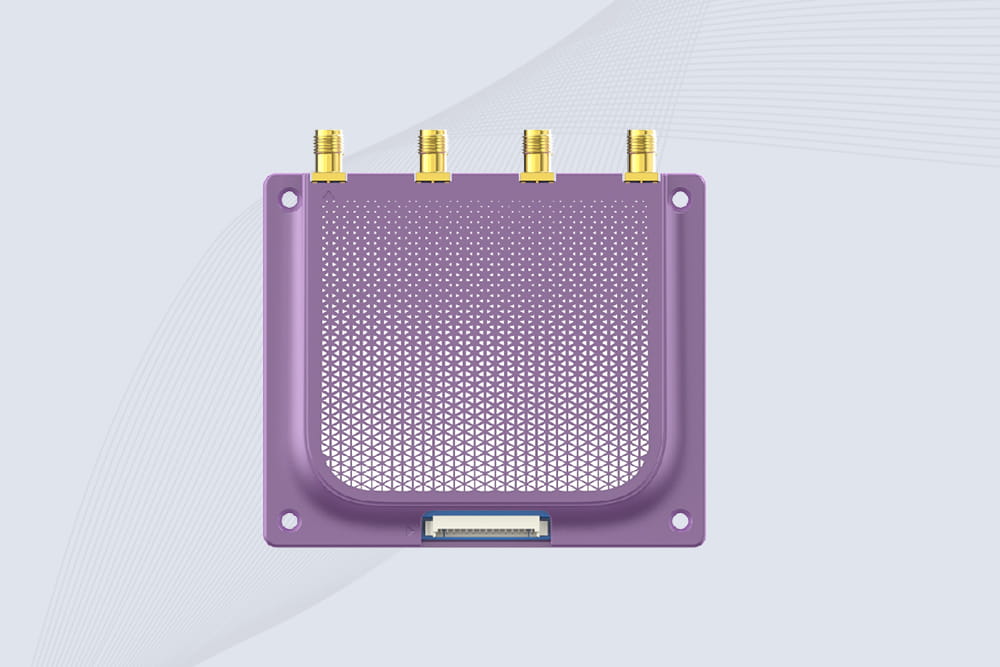
CYKEO CYKEO-M4 RC522 RFID Module is an industrial-grade UHF RFID reader with 4 ports, supporting ISO, EPC, and GB protocols. High-speed, accurate reading for IoT, automation, and warehouse applications.
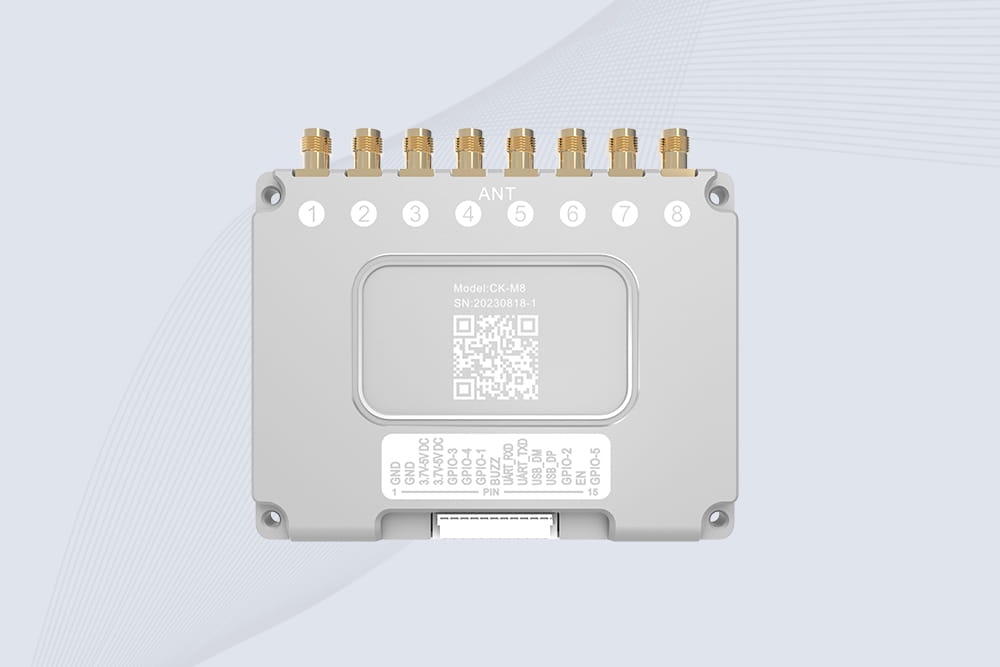
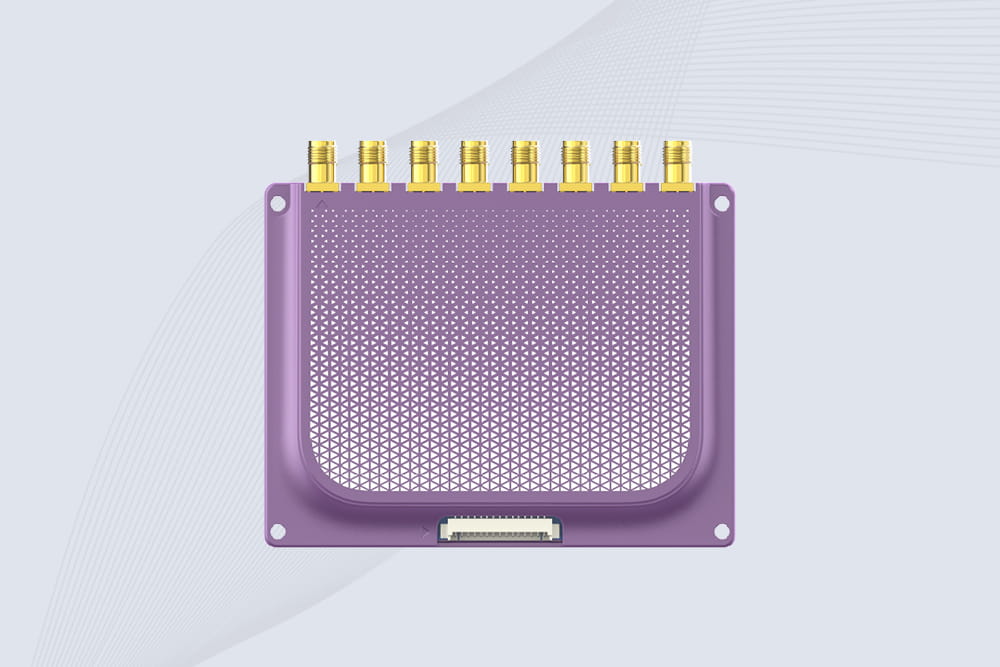
CYKEO CYKEO-M8 Module RFID is an 8-port UHF R2000 RFID Module designed for high-density, multi-tag environments. Stable 33dBm output, ISO & GB protocol support, ideal for warehouses, factories, and automated systems.
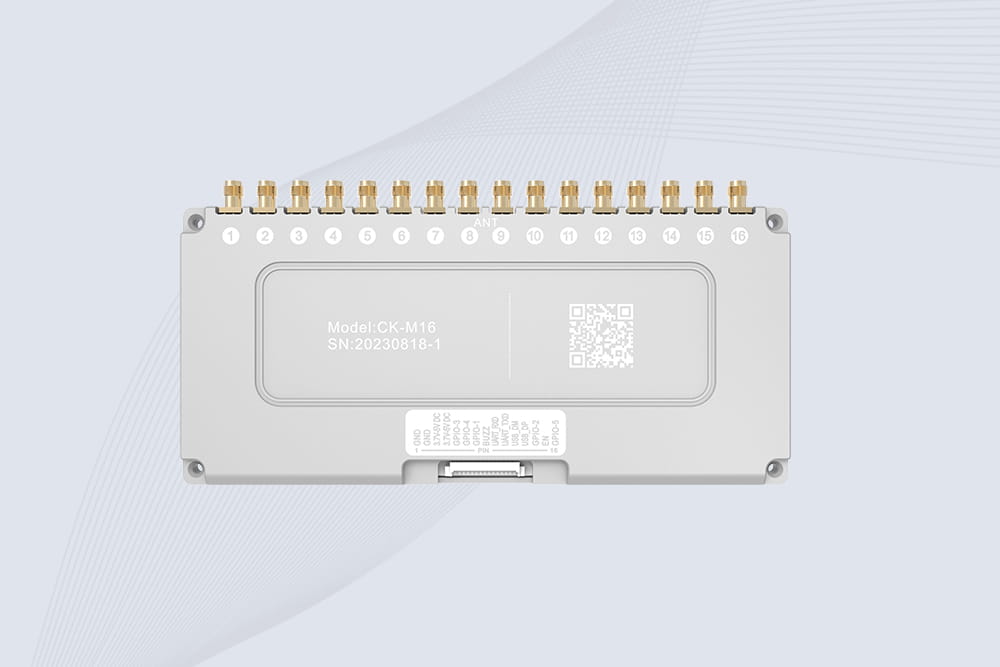
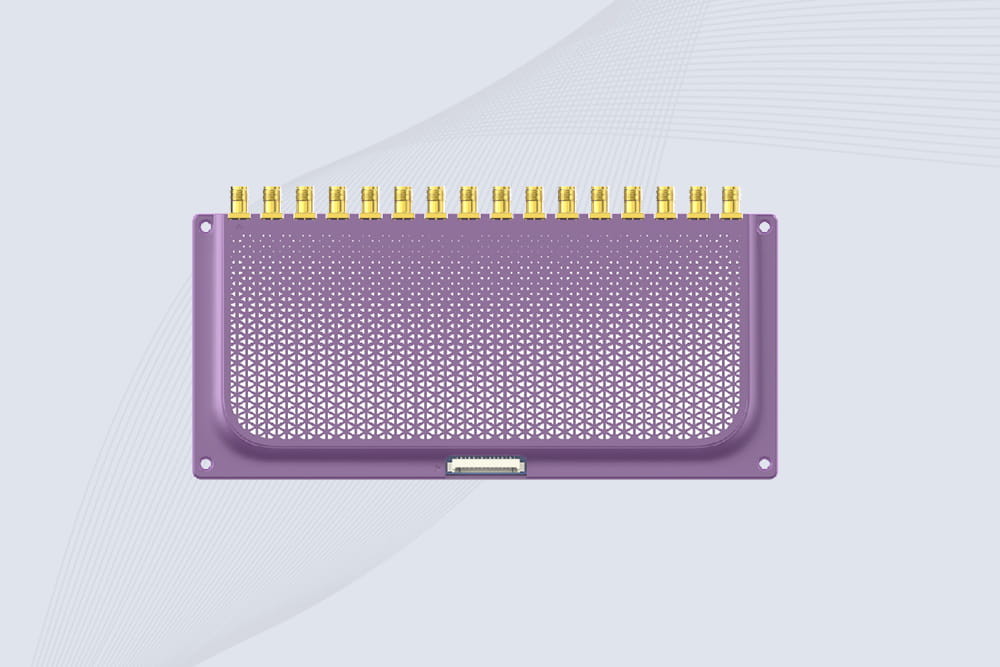
CYKEO CYKEO-M16 RFID Module is a 16-port UHF RFID reader module based on the R2000 chipset. Designed for dense tag environments, it supports ISO and GB standards and delivers stable multi-antenna control for industrial automation.
The CYKEO CYKEO-M16L RFID Reader Module is a 16-channel UHF RFID core designed for dense tag environments. With adjustable 33dBm output, multi-protocol support, and stable multi-antenna control, this RFID Tag Reader Module fits industrial automation, warehouse systems, and large-scale IoT deployments.
CYKEO CYKEO-M8L module RFID is a compact industrial UHF module built for dense tag and multi-antenna environments. With 8 RF ports, adjustable 33 dBm output, and ISO & GB protocol support, it is widely used in factories, warehouses, and automated tracking systems.
CYKEOCYKEO-M4L UHF RFID Module is a compact 4-channel RFID tag reader module designed for dense tag environments. Supporting ISO and GB protocols, it delivers stable reads up to 10 meters for industrial and IoT systems.
Cykeo CYKEO-C1 industrial Forklift RFID Reader features 20m read range, 600 tags/sec scanning, Impinj R2000 chipset, and IP67 rugged design. Ideal for warehouse logistics and manufacturing. Supports ISO 18000-6C/6B protocols.
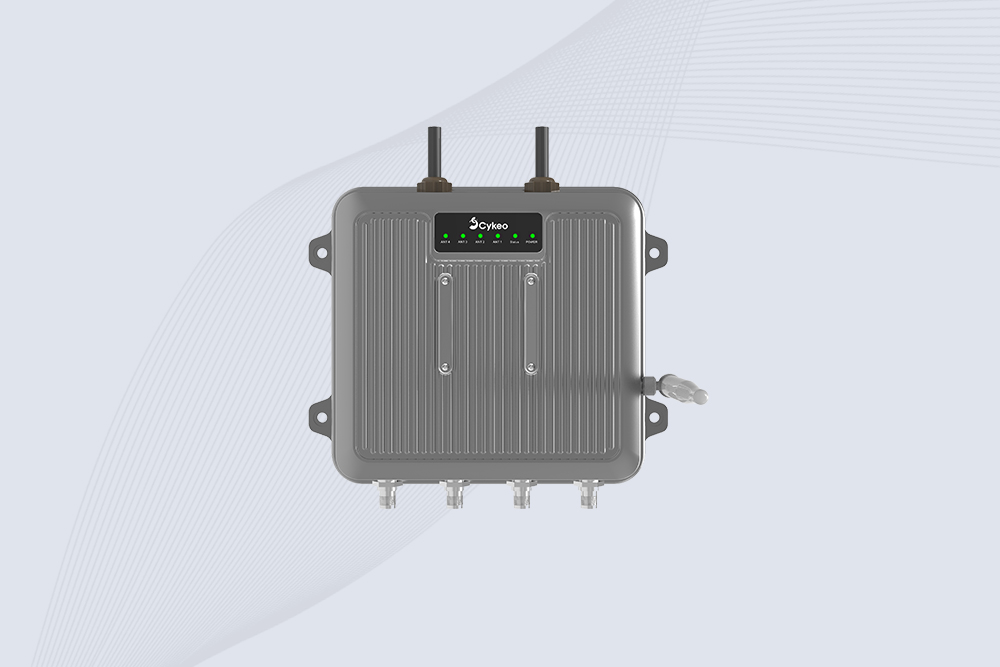
Cykeo CYKEO-R4 industrial UHF RFID Fixed Reader features 4 TNC ports, 400+ tags/sec speed, IP67 housing, and global frequency compliance for vehicle inspection, smart warehouse, and asset management systems.
CYKEO CYKEO-R8L Fixed RFID Reader with 8-port UHF design, Impinj-based RF core and up to 20m read range. An industrial Fixed RFID Reader for vehicle inspection, warehouse portals, smart manufacturing lines and secure access checkpoints.
RFID Fixed Reader from CYKEO – the CYKEO-R16L 16-port UHF fixed reader for warehouses, smart cabinets, and production lines. Long-range, multi-tag reading, stable performance for 24/7 industrial use.
Discover why the RFID 13.56 MHz reader is the best choice for modern access control and industrial tracking. Real-world insights, practical tips, and lessons learned from hands-on installations.
Learn what type of antenna passive RFID tags use. We clarify the difference between coil antennas for proximity and printed dipoles for UHF logistics tracking.
Learn how UHF RFID sled readers work, what to look for when selecting one, and how solution providers can choose the best model for logistics, warehousing, and asset management projects. A hands-on, experience-based guide — not marketing fluff.
A practical look at how integrators deploy networked RFID key cabinets across multiple sites, including connectivity, system monitoring, and lessons from real projects.
 Cykeo RFID IoT Solution Products R&D Manufacturer