 Cykeo RFID IoT Solution Products R&D Manufacturer





Understanding RFID Tags: How They Work and How to Check if They’re Really Broken
242Learn how RFID tags work, how to test them with phones or readers, and troubleshoot common issues. Practical tips for engineers and warehouse professionals.
MoreAll RFID Product
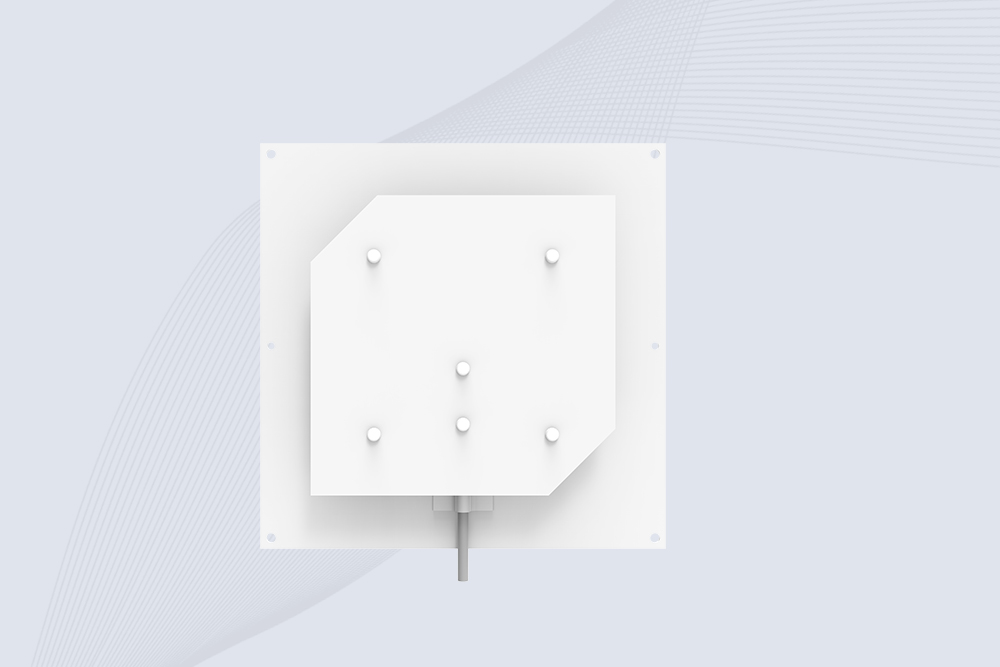
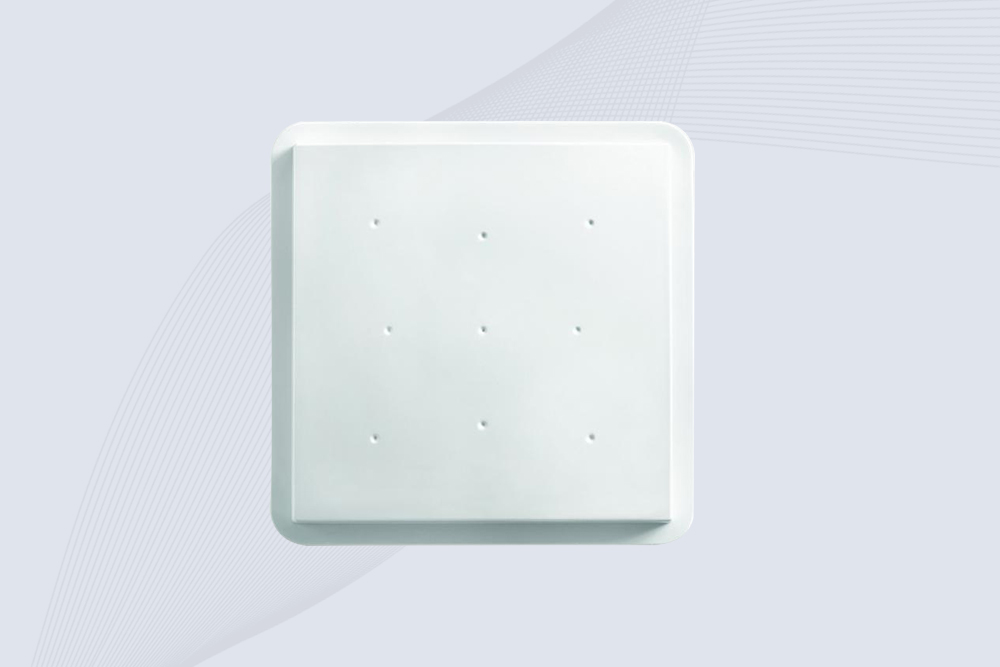
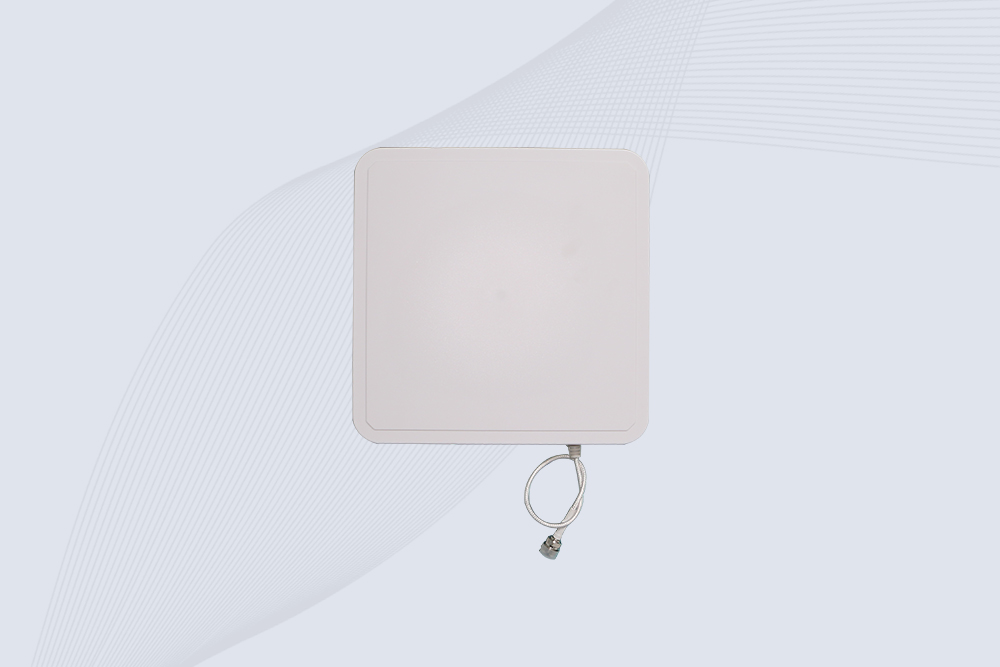
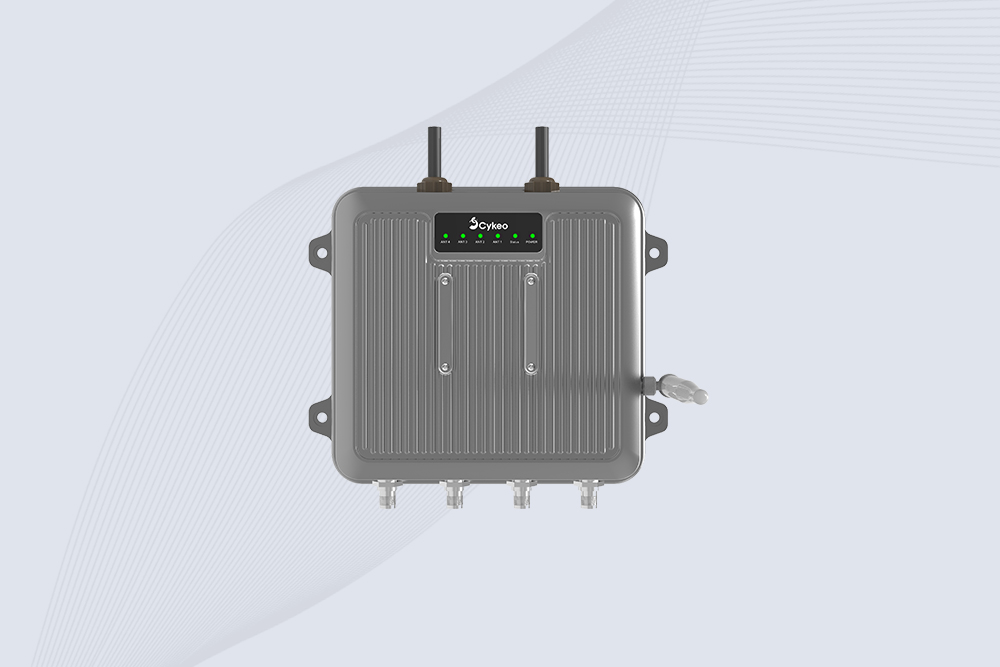
When you’re planning an RFID installation—maybe on a solar-powered gate or a mobile cart—the question of power comes up. Do RFID reader antennas take a lot of electricity? It’s a smart thing to ask, but it often mixes up two parts of the system. Let’s get this straight: the antenna itself, that plastic or metal panel on the wall, uses virtually zero electricity. It’s a passive component. The real power draw comes from the device it’s connected to: the RFID reader. And how much juice that reader needs depends entirely on what it’s doing.
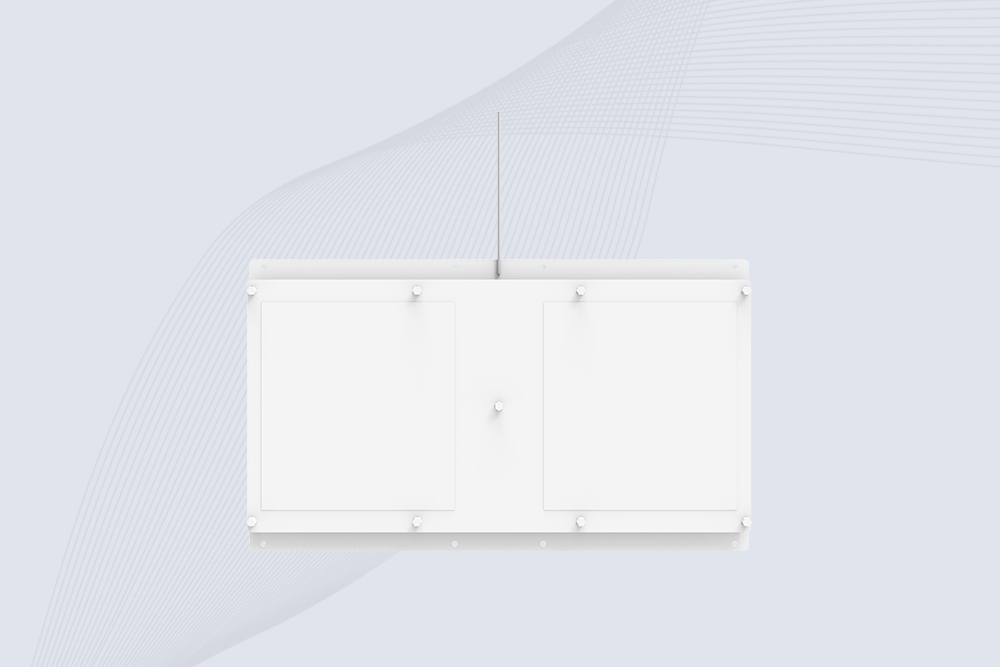
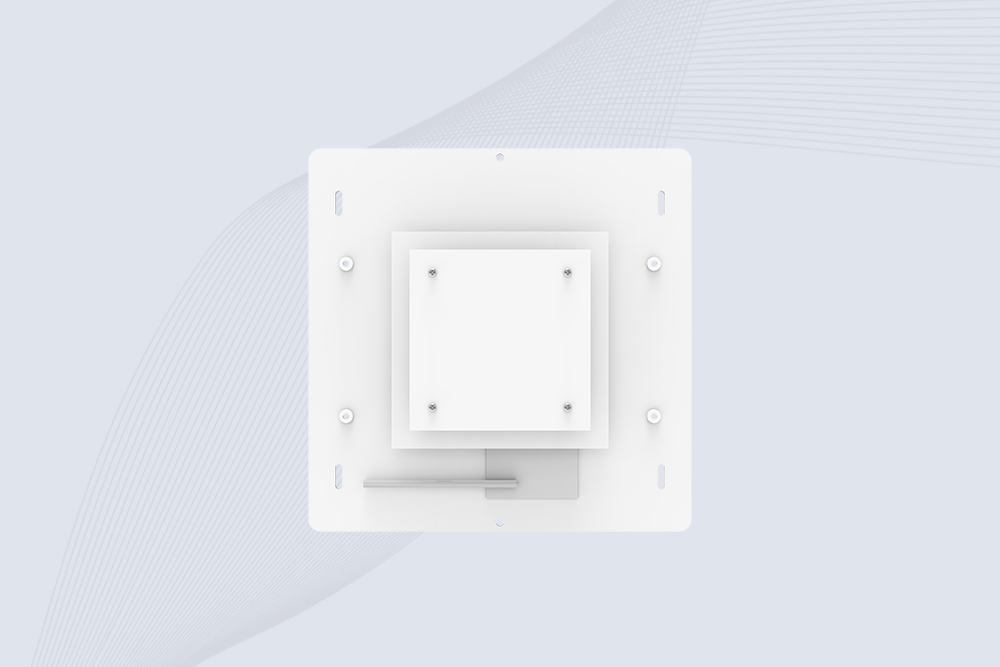
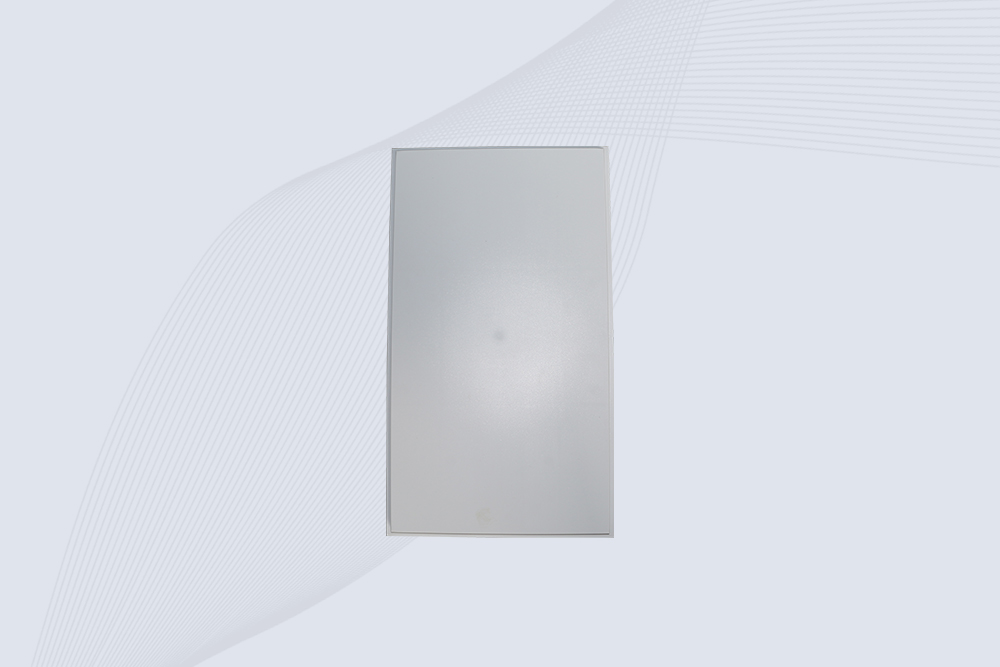
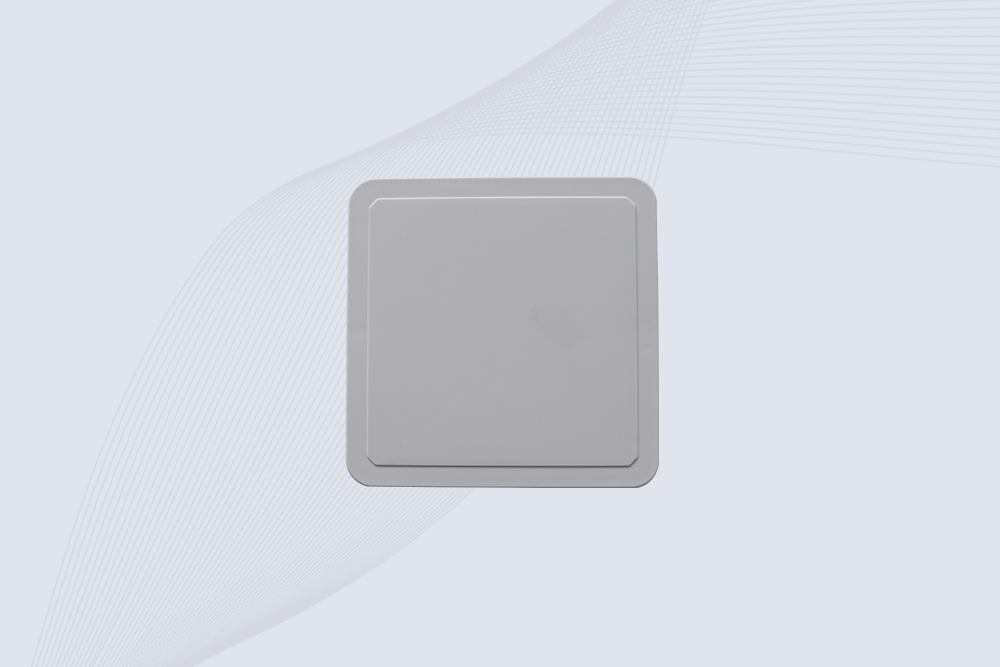
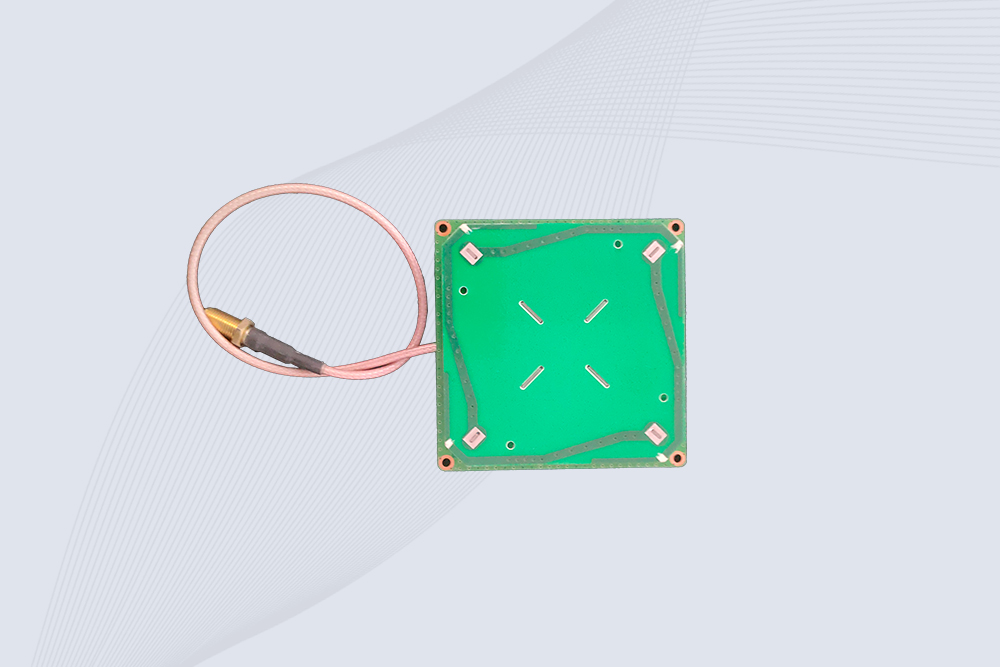
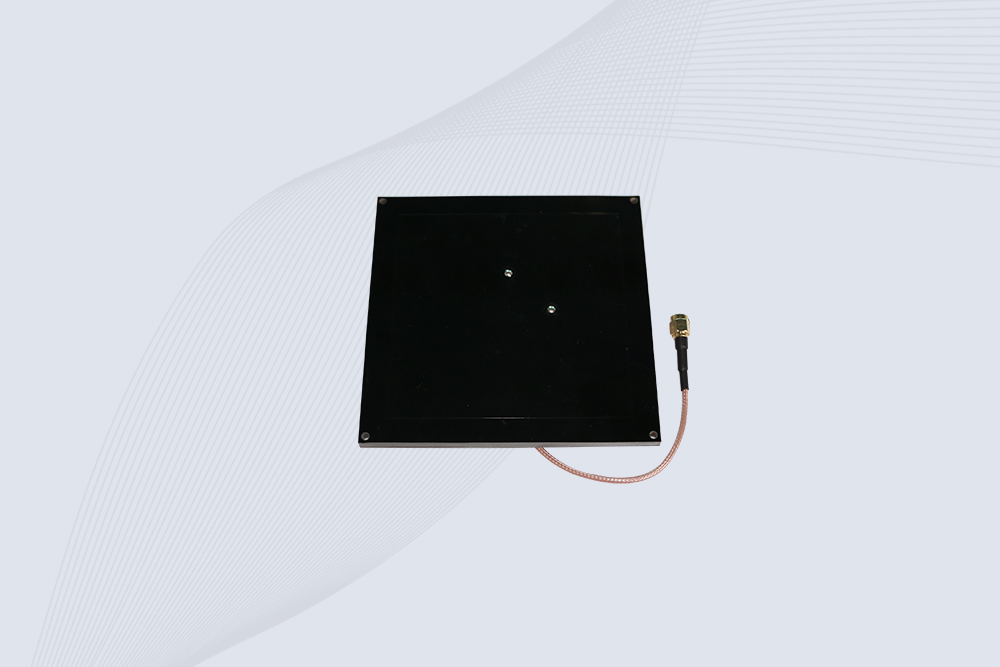
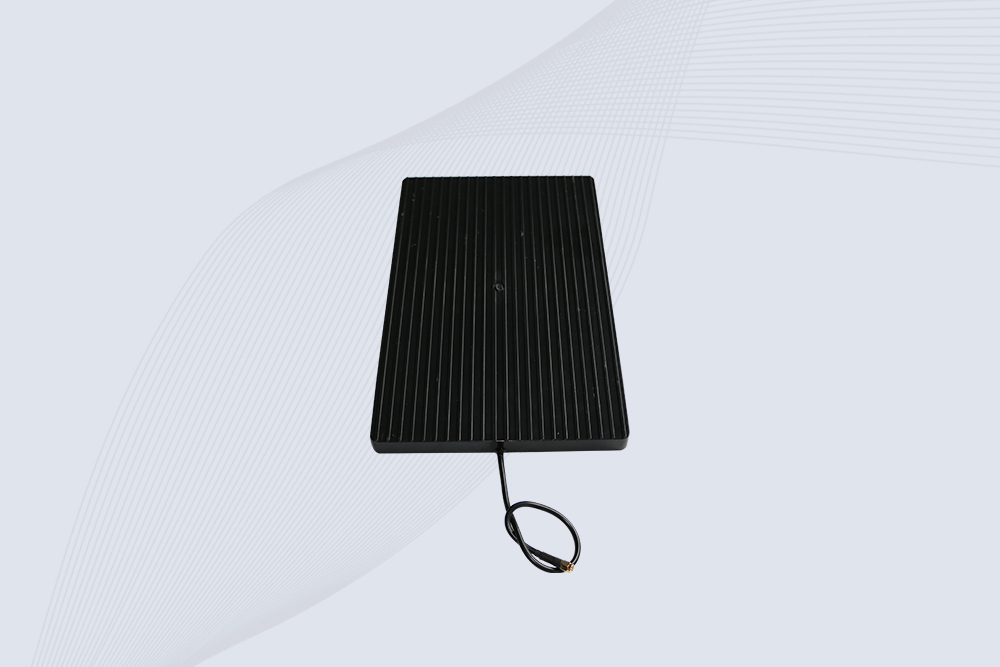
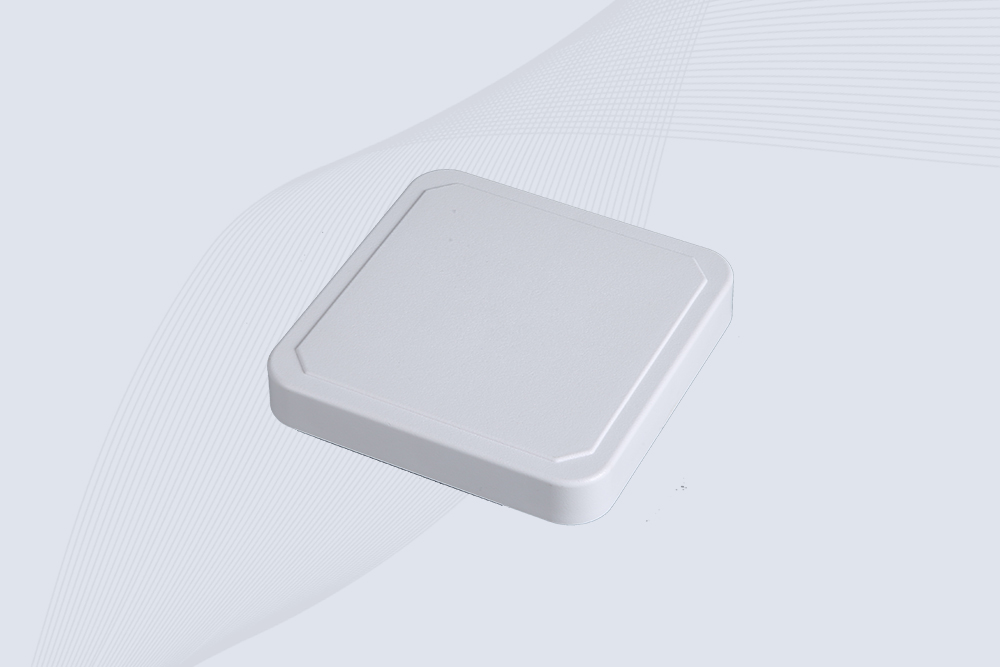
Think of the antenna like a loudspeaker for radio waves. A loudspeaker doesn’t create sound on its own; it just converts the electrical signal from the amplifier into sound waves. An RFID antenna works the same way. It takes the RF signal generated by the reader and radiates it into the air. It doesn’t have chips, processors, or active components that consume power. Its “job” requires no external electricity. So, for the component itself, the answer to do RFID reader antennas take a lot of electricity is a definitive no.
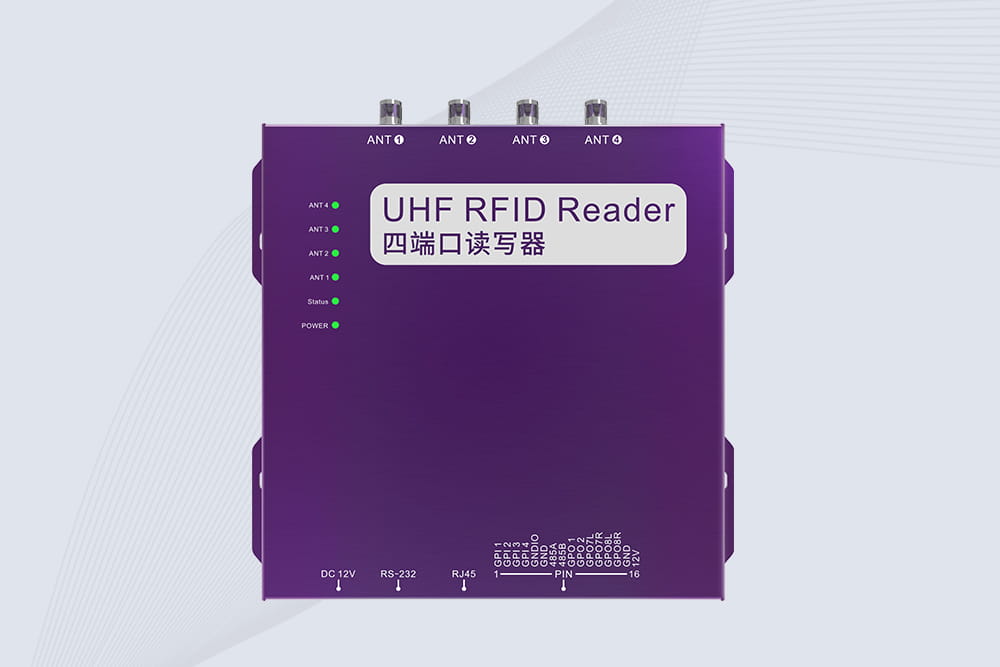
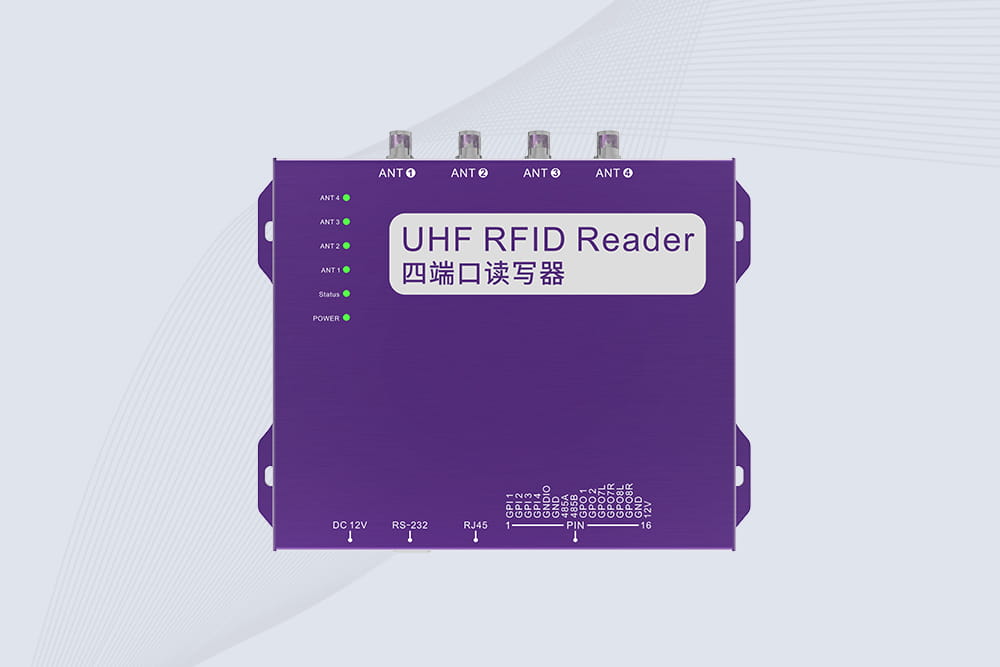
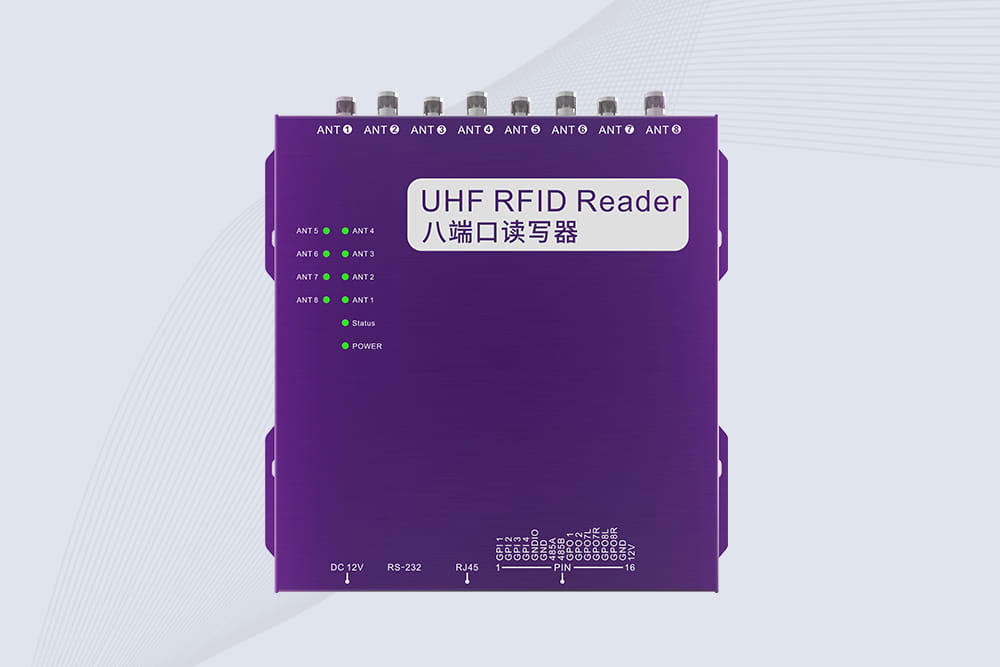
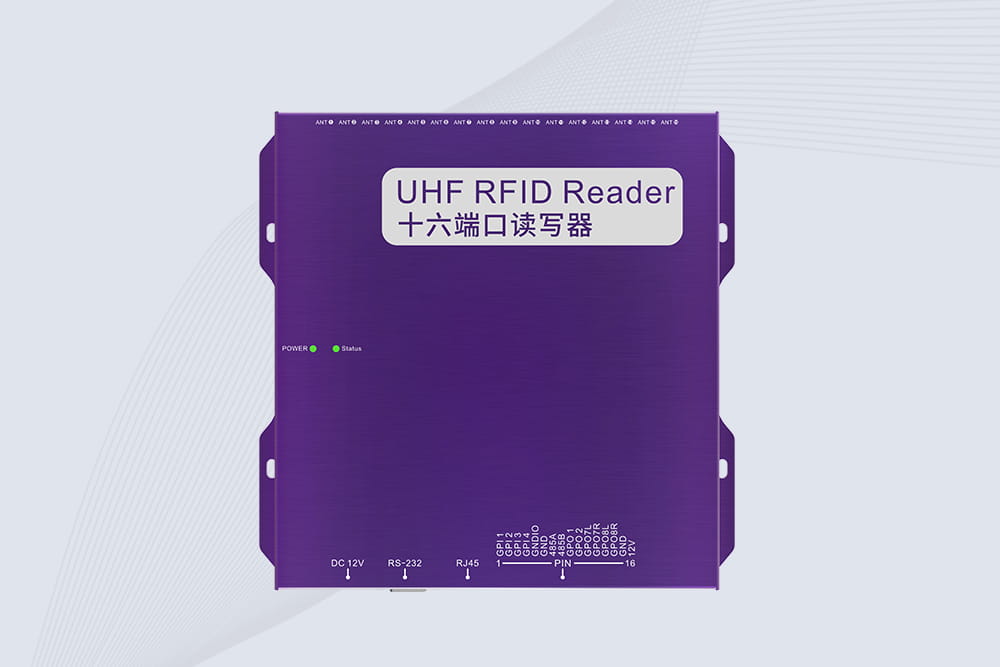
This is where your power budget matters. The reader is the computer and the radio transmitter. It generates the signal, listens for responses, processes data, and communicates with your network. Its power draw varies hugely:
So, the total RFID system power consumption is reader-centric. A single fixed reader with four antennas doesn’t use four times the power; it’s still just one radio spreading its energy across those ports.
If you’re worried about electricity or battery life, focus on the reader’s configuration and environment, not the antenna. Here’s what moves the needle:
For powering outdoor RFID antennas (really, the outdoor reader), you need to plan for the reader’s consumption plus a safety margin. Using energy efficient RFID readers CYKEO offers, which have smart power management features, can make a big difference in remote or solar applications.
When planning your system’s power needs for fixed vs handheld readers, keep it simple:
So, to circle back: Do RFID reader antennas take a lot of electricity? No. But the system’s brain—the reader—needs a reliable and appropriately sized power source. Understanding this distinction helps you plan better, avoid undersizing your power infrastructure, and choose the right hardware for efficient, reliable operation.
Learn how RFID tags work, how to test them with phones or readers, and troubleshoot common issues. Practical tips for engineers and warehouse professionals.
More
CYKEO forklift mounted RFID reader designed for software developers integrating real-time warehouse systems. High-speed RFID forklift reader with Ethernet, RS-232 and optional Wi-Fi, built for mobile forklift deployment and dense tag environments.
More
Discover the average battery life of handheld UHF RFID readers. Learn how to extend runtime, compare top models like Zebra RFD8500, and optimize scanning for warehouses.
More
Discover how handheld RFID scanners transform retail operations—reduce stockouts, speed up checkout, and enhance customer satisfaction.
More