 Cykeo RFID IoT Solution Products R&D Manufacturer
RFID High Temperature Tags: What Still Works After the Heat Hits
115rfid high temperature tags explained from real industrial use. See what survives heat, what fails early, and how CYKEO tests them.
MoreAll RFID Product
The term leitor rfid uhf simply refers to an RFID reader that works in the UHF (ultra-high frequency) band. In short, these devices use radio waves to activate and read tags (etiquetas). Compared to LF or HF readers, UHF usually covers much longer ranges.
Frequencies vary by region: in the US it’s usually 902–928 MHz, in Europe 865–868 MHz, and elsewhere it depends on local regulations.
Most everyday deployments use passive UHF tags — meaning no battery inside, they wake up when hit by the reader’s RF field and send their data back. Active and semi-active tags exist too, but they’re less common in retail or logistics.
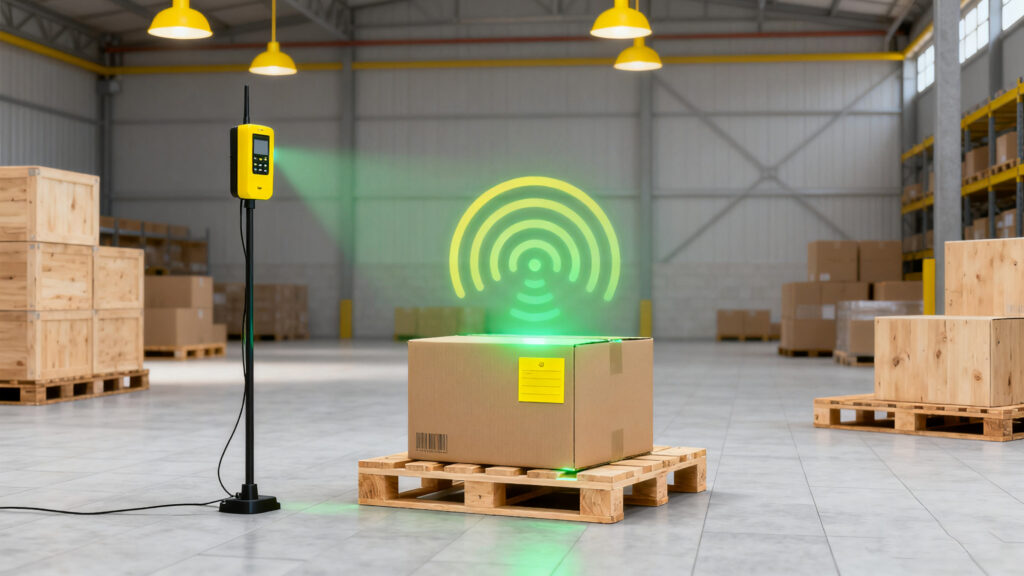
From my own deployments, a leitor rfid uhf basically follows this flow:
Some practical notes I’ve learned the hard way:
Here’s a mix of what articles say + my own notes:
| Spec | Why it matters | Practical advice |
|---|---|---|
| Frequency range | Each country enforces its own UHF band. Wrong band = illegal or won’t work. | Double-check local rules first. Choose a reader that supports that band or is adjustable. |
| RF output power | More watts = longer range, but also more interference risk. | Start low, increase gradually. Watch for false reads. |
| Interface / comms | Options like USB, Ethernet, Bluetooth, WiFi. Different setups need different links. | Fixed installs → Ethernet; mobile/handheld → wireless. |
| Antenna type & gain | Antennas define coverage shape. High-gain gives more distance but narrower angle. | In cluttered spaces, use adjustable or multiple antennas. |
| Speed / tag concurrency | Warehouses = tons of tags at once. Weak readers choke. | Stress test with a pile of tags before rollout. |
| Durability / IP rating | Heat, dust, moisture… readers don’t live in labs forever. | Check IP rating, shock resistance if it’s an industrial site. |
| Problem | Why it happens | Quick Fix |
|---|---|---|
| Tags not reading | Weak signal, wrong orientation, metal interference | Raise power, re-angle antennas, use better tags |
| Multiple wrong reads | Too many tags, reflections, protocol mismatch | Tune reader settings (Gen-2 etc.), reduce tag density, filter in software |
| Performance unstable | Changing environment, RF interference, old tags | Re-test regularly, calibrate, maybe upgrade hardware |
| Legal headaches | Wrong frequency band for your country | Buy region-compliant gear or adjustable readers |
Here’s roughly how I rolled one out in a warehouse (with some trial and error along the way):
A leitor rfid uhf is powerful tech for long-range and bulk tag reading. But it’s not plug-and-play magic. The success depends on details: frequency, power, antenna setup, tag quality, and the environment.
If you’re setting up a system, do small-scale testing first, log the real data (distance, read rates, errors), and only then scale up. It saves a lot of frustration.
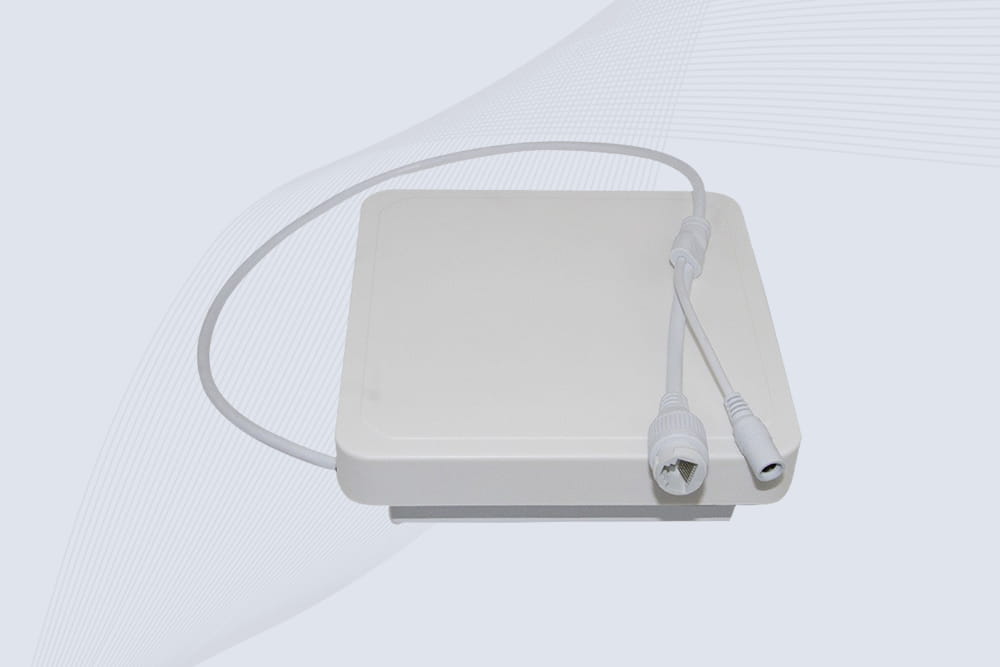
Cykeo’s industrial long range RFID reader delivers 20-meter scanning, 500+ tags/sec speed, and IP67 waterproof design for automated warehouses, logistics, and harsh environment applications.
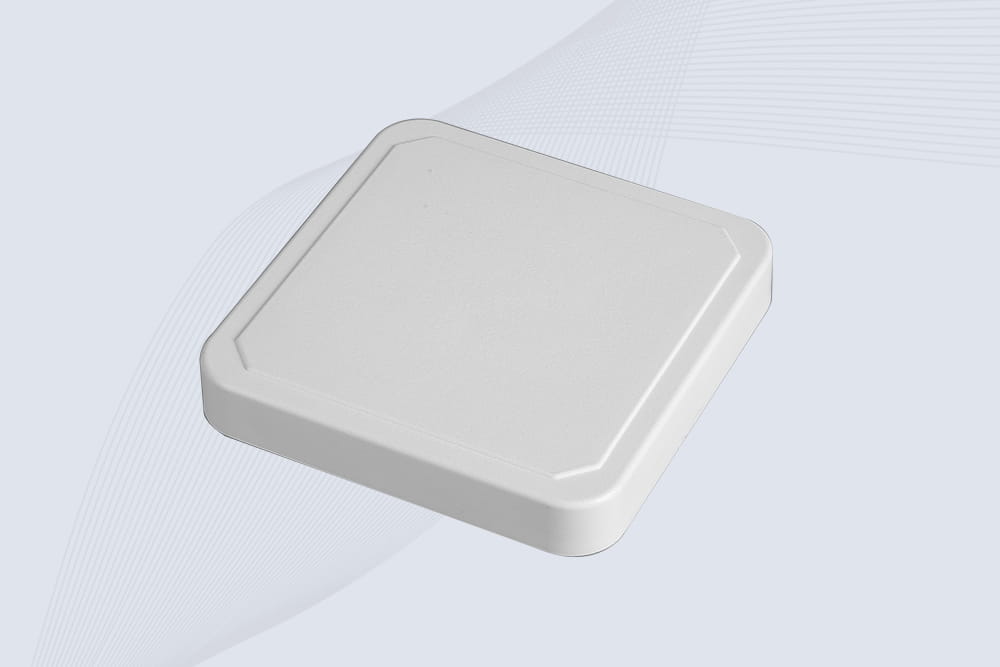
Cykeo’s CYKEO-RA6L industrial RFID long range reader features 20m read distance, 500 tags/sec speed, and IP67 protection. Ideal for warehouse automation, manufacturing WIP tracking, and smart logistics. Supports ISO 18000-6C/6B protocols.
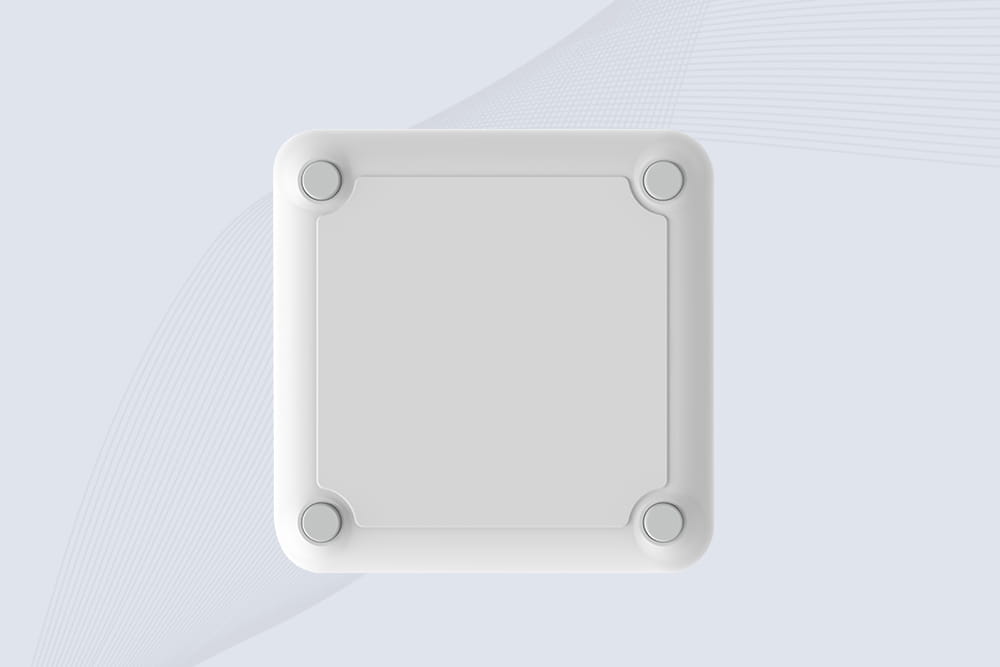
CYKEO Long Range RFID Tag Reader built for outdoor and industrial operations. This Outdoor RFID Reader delivers 20m read distance, fast tag processing, and IP67 durability for wide-area tracking.
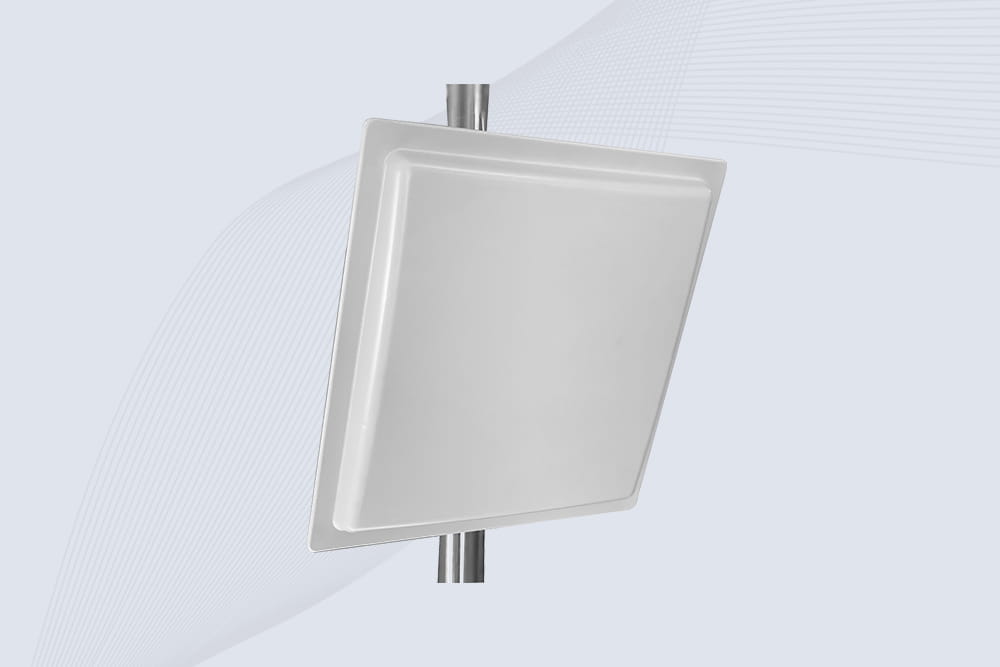
Cykeo CYKEO-RA12L industrial Long Range RFID Reader delivers 20m read range, 200+ tags/sec scanning, and IP67 protection for manufacturing/logistics applications. Supports ISO 18000-6C/GB protocols.

rfid high temperature tags explained from real industrial use. See what survives heat, what fails early, and how CYKEO tests them.
More
Explore essential security features in handheld RFID scanners, including encryption, user authentication, and anti-tampering. Learn how Cykeo’s devices safeguard sensitive data.
More
Cykeo hosted UAE industry leaders to demonstrate RFID solutions for supply chain optimization, smart retail, and sustainable cities. Explore how our partnership drives operational efficiency.
More
An RFID access control Gate system primarily consists of tags, RFID readers, antennas, and control software. When a person or object carrying an RFID tag passes through the access control gate, the RFID reader emits a radio frequency signal to ac...
More