 Cykeo RFID IoT Solution Products R&D Manufacturer

How to Troubleshoot Connectivity Issues with RFID Handheld Scanners?
1128Learn how to resolve RFID handheld scanner connectivity issues. Follow step-by-step fixes for Bluetooth, Wi-Fi, and hardware problems with Cykeo’s troubleshooting tips.
MoreAll RFID Product
When people talk about RFID handheld readers, they usually start with distance, antenna gain, or tag speed.
In real software projects, those are not the first problems.
The real problem usually shows up later, when the system goes online.
We have seen this in inventory platforms, logistics systems, and factory MES projects: the reader works fine during testing, but once it is used all day, every day, things start to break. Data becomes unstable. Bluetooth disconnects. Batteries don’t last. Tag reads are inconsistent.
The CK-B9 was designed after seeing these problems too many times.
CK-B9 is not meant to be a “smartphone accessory”.
It is a dedicated RFID bluetooth scanner built to sit between your software system and the physical world.
The device uses a built-in 9dBi circular polarized antenna and supports output power up to 33 dBm. In open environments, long-range reading beyond 12 meters is common. In dense areas, the focus is not distance, but stability.
This difference matters when your software depends on every scan.
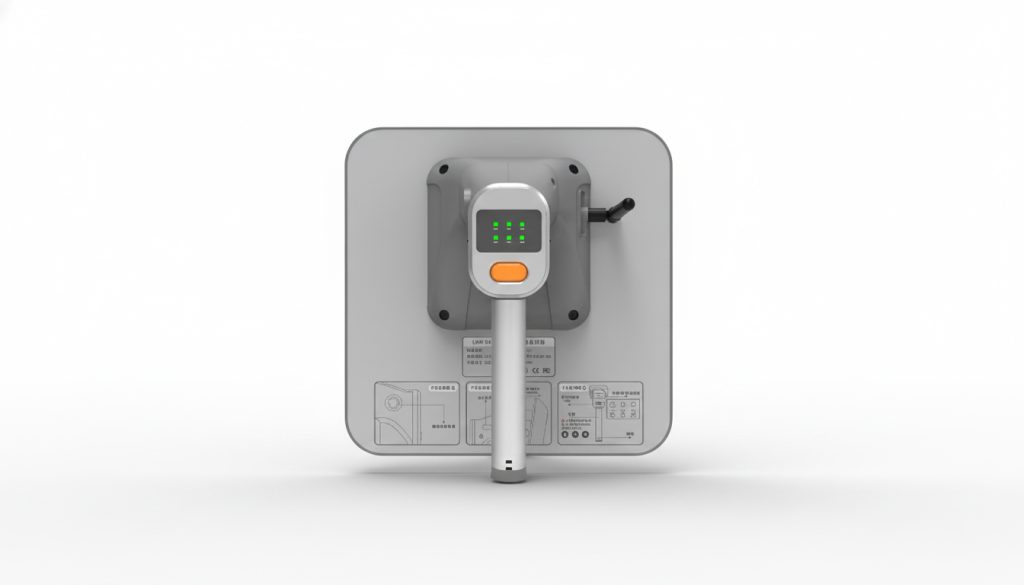
Most customers use CK-B9 through Bluetooth.
Tag data is uploaded in real time, and the reader behaves like a stable data source instead of a consumer device.
In some projects, especially fixed workstations or older control systems, Bluetooth is not ideal. For these cases, RS232 or RS485 can be selected. This flexibility avoids redesigning the entire system just to match the hardware.
From a developer’s point of view, this is often the difference between a quick integration and a delayed project.
On paper, CK-B9 supports more than 200 tags per second, and peak recognition can exceed 500 tags per second.
In practice, what matters more is that the device keeps reading at a similar pace throughout the day.
Carrier cancellation technology and an optimized anti-collision algorithm help CK-B9 stay reliable in environments with metal shelves, forklifts, and multiple readers operating at the same time.
Less noise in the data means less exception logic in your software.
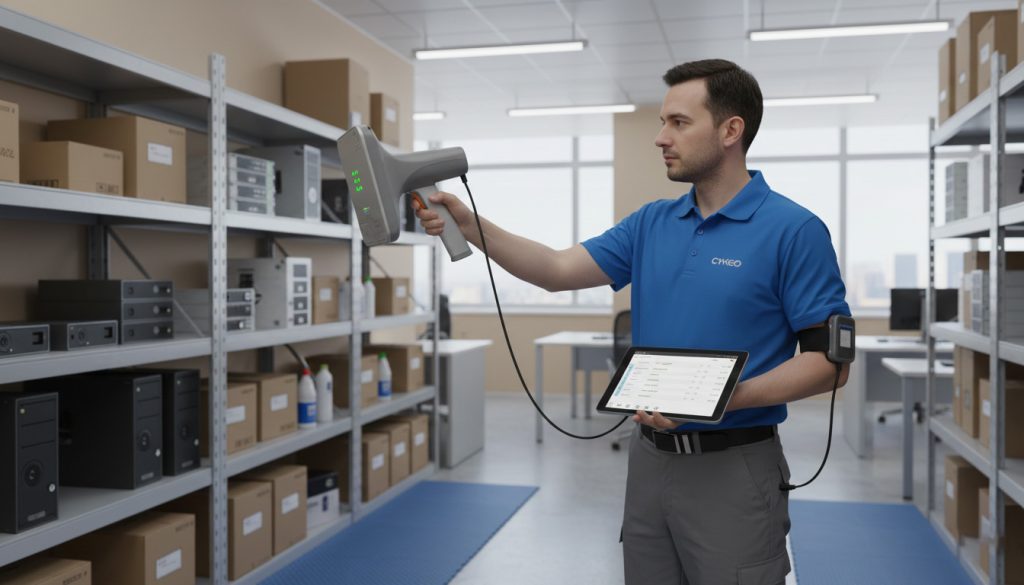
CK-B9 uses a 5600 mAh rechargeable battery.
This is not a marketing number. It is chosen so the reader can last a full working day without forcing users to change their workflow.
When a reader dies early, it is not just a hardware issue.
It becomes a system problem.
Stable power means predictable usage, and predictable usage makes system behavior easier to manage.
Some features sound minor but become important after deployment:
These features exist to reduce long-term maintenance cost, not to decorate the datasheet.
CK-B9 is often integrated into:
It is especially suitable when the system needs a bluetooth uhf handheld that behaves consistently, not creatively.
CK-B9 is not built to impress in a demo video.
It is built to work after months of daily use.
If your project needs a rfid bluetooth scanner that integrates cleanly into an existing software system and keeps behaving the same way tomorrow as it does today, CK-B9 is a solid choice.
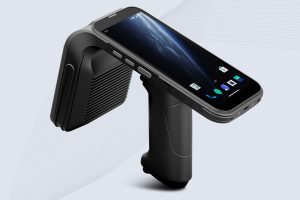
Cykeo CYKEO-B9 UHF Bluetooth handheld RFID scanner features 12m UHF range, 200+ tags/sec scanning, IP67 rugged design for retail/warehouse/pharma. Supports Android SDK & real-time Bluetooth 5.0 transmission.
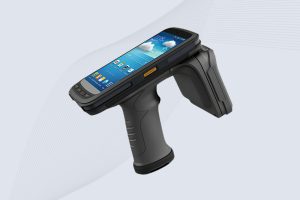
Cykeo CYKEO-B4 UHF Handheld RFID Reader scanner delivers 1300 tags/sec reading, 30m UHF range, and 12-hour battery life. IP65 rugged design with barcode/NFC/ID scanning for retail/manufacturing/logistics.
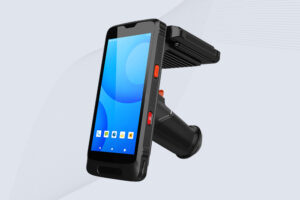
Cykeo CYKEO-B2 industrial UHF RFID handheld offers 10m range, 500 tags/sec scanning, Android 11 OS, and IP65 rugged design for retail/warehouse/manufacturing.
Cykeo CYKEO-B3 industrial RFID Reader Handheld, terminal offers 2m read range, multi-protocol scanning (NFC/barcode/ID), Android 10 OS, and IP65 ruggedness for logistics/retail/manufacturing.
Cykeo CYKEO-B3L industrial handheld UHF RFID Reader terminal features 20m read range, 500 tags/sec scanning, Android 13 OS, 12-hour battery for logistics/retail/manufacturing. Supports barcode/NFC/ID reading.
loading…
This is the last post!
Learn how to resolve RFID handheld scanner connectivity issues. Follow step-by-step fixes for Bluetooth, Wi-Fi, and hardware problems with Cykeo’s troubleshooting tips.
More
Many RFID asset tracking projects fail after deployment. This article explains the real reasons warehouses struggle with RFID systems and practical ways to fix them.
More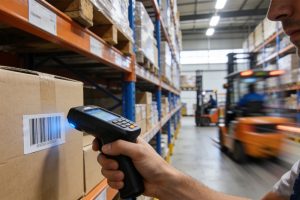
Learn how RF scanning in warehouse operations improves inventory accuracy, speeds up order fulfillment, and enables real-time stock visibility. Discover how RFID tunnel scanning automates high-volume warehouse workflows.
More
Cykeo discussed and exchanged the development prospects of RFID technology with the visiting customers, and had in-depth exchanges on the application direction of RFID technology We show our customers about the company, get to know ...
More