 Cykeo RFID IoT Solution Products R&D Manufacturer
Swipe to Enter? Complete Guide to Using and Choosing a Door RFID Reader
899Learn how door RFID readers work, common types, buying tips, and future trends to help you find the best access control solution.
MoreAll RFID Product
When choosing between RFID tags and barcodes, cost is often a deciding factor—especially for small and mid-sized businesses. While both technologies help track inventory and assets, their initial investment and long-term costs differ greatly. Let’s break down the expenses involved with each.
Ideal for: Businesses with static inventory or limited budget
Limitations: Slow data capture, requires direct visibility, prone to damage
Ideal for: Warehousing, asset tracking, high-volume inventory
Limitations: High initial investment, more complex setup
| Category | Barcodes | RFID |
|---|---|---|
| Per Unit Cost | $0.01–$0.05 | $0.10–$5+ |
| Scanner/Reader Cost | $50–$200 | $500–$2,000 |
| Labor Cost | High (manual) | Low (automated) |
| Maintenance | Low | Medium |
| Long-term Scalability | Limited | Excellent |
For operations handling large inventory volumes
When real-time tracking and automation are needed
In environments where labels are exposed to wear, heat, or moisture
If labor cost is a major concern
In such scenarios, RFID higher initial cost pays off with improved accuracy, speed, and reduced human error over time.
Use barcodes if your operation is small-scale, budget-limited, or doesn’t require fast scanning.
Invest in RFID if long-term automation, real-time tracking, and durability are crucial.
If you’re scaling your operation or want to explore hybrid systems, consult with a solution provider that can tailor the cost-performance balance to your goals.
Need help implementing an RFID or barcode solution?
Contact Cykeo to explore cost-effective RFID asset tracking cabinets and tag options tailored to your business scale.
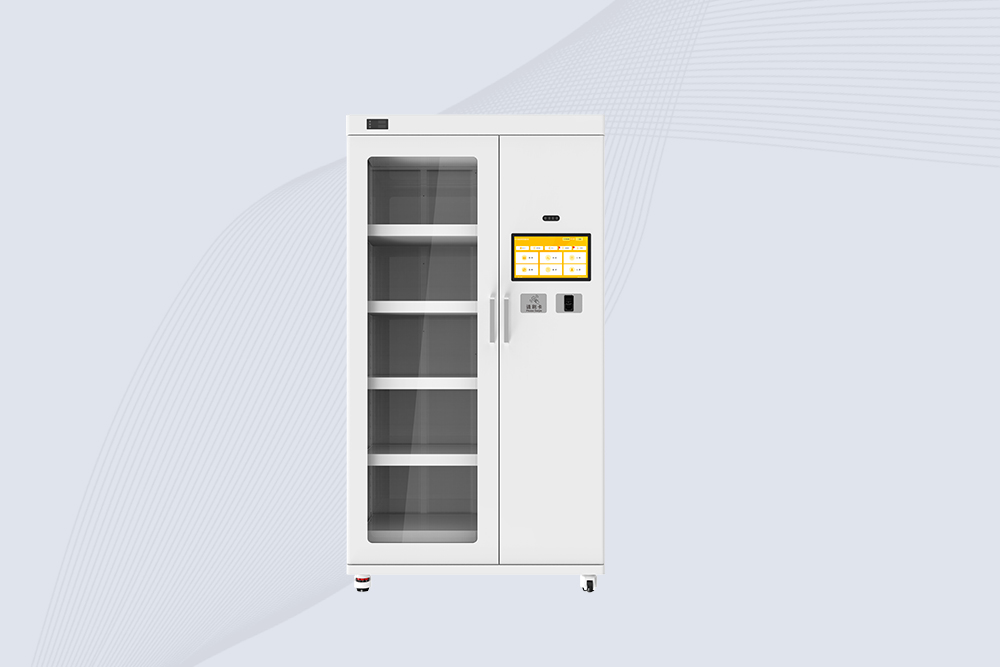
Cykeo’s RFID Smart Tool Cabinet enables 10-second tool audits, user access control & real-time alerts for construction/oil/gas. Features 21.5″ touchscreen, IP54 steel body & -30°C~60°C operation. Supports SAP/Oracle integration.
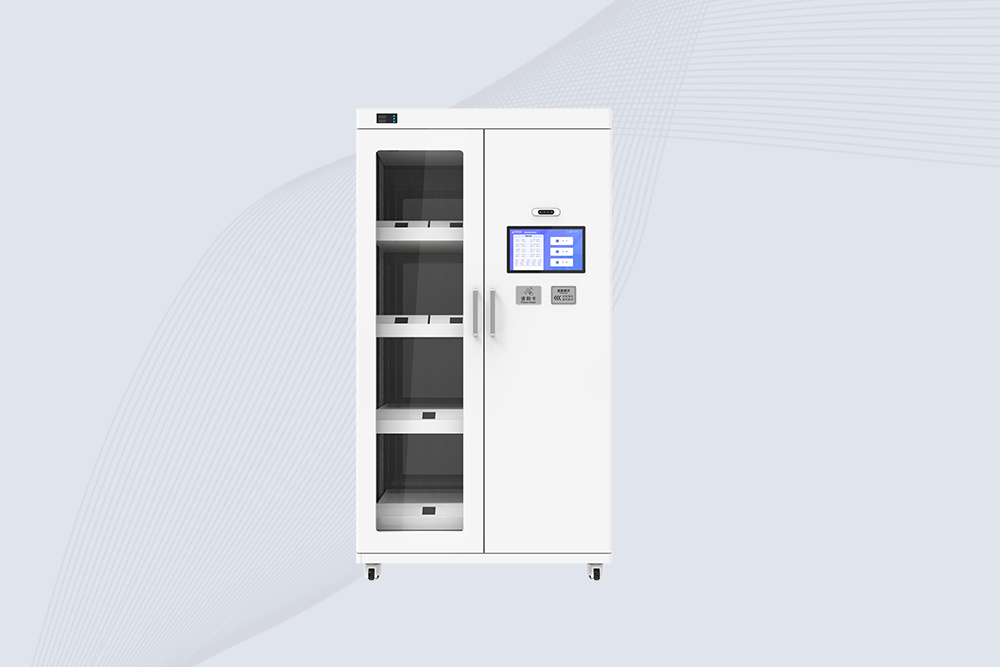
Cykeo’s Intelligent Weighing Tool Cabinet combines weight sensors & RFID for 100% tool accountability. Features solar/4G options, IP54 steel-glass body & nuclear/rail compliance. Supports SAP/Oracle integration.
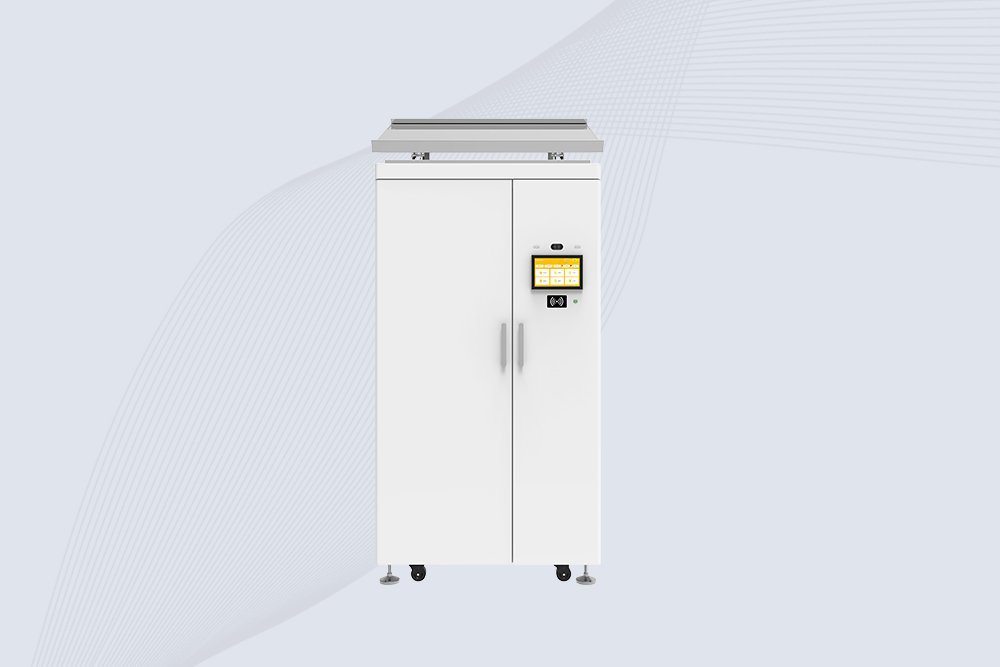
Cykeo’s solar-powered RFID Inventory Tool Cabinet enables 5-second audits for remote sites. Features 160W solar, Android 7.1, 4G & extreme temp operation for oil/energy/mining sectors.
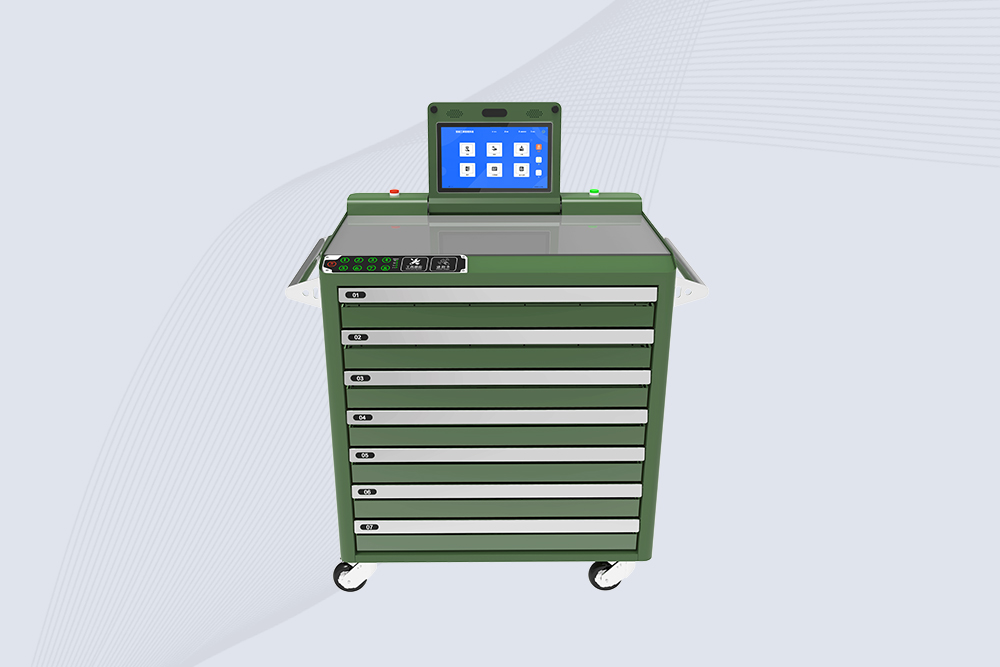
Cykeo’s industrial RFID Tool Cart features 14″ touchscreen, 400+ tool scanning, and carbon steel construction for aviation MRO, power plants and construction sites. 5-second inventory scans.
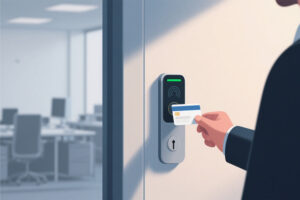
Learn how door RFID readers work, common types, buying tips, and future trends to help you find the best access control solution.
More
Learn how industrial-grade fixed RFID readers withstand extreme temperatures, dust, moisture, and vibrations in factories, mines, and outdoor settings.
More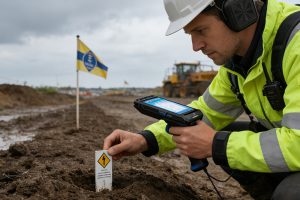
Wondering "can RFID tags be read when buried underground"? Discover how depth, soil conditions, and frequency affect readability, plus real-world applications for utility marking with CYKEO.
More
A system integrator’s practical view on deploying a hospital parking system using RFID, focusing on modular reader integration, antenna placement, on-site tuning, and system compatibility.
More