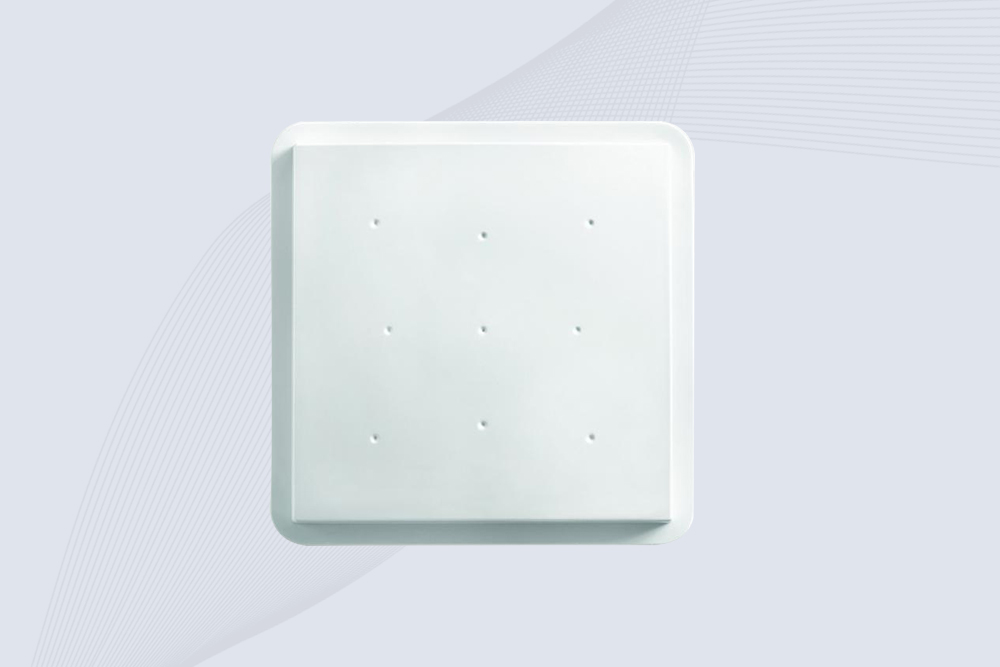
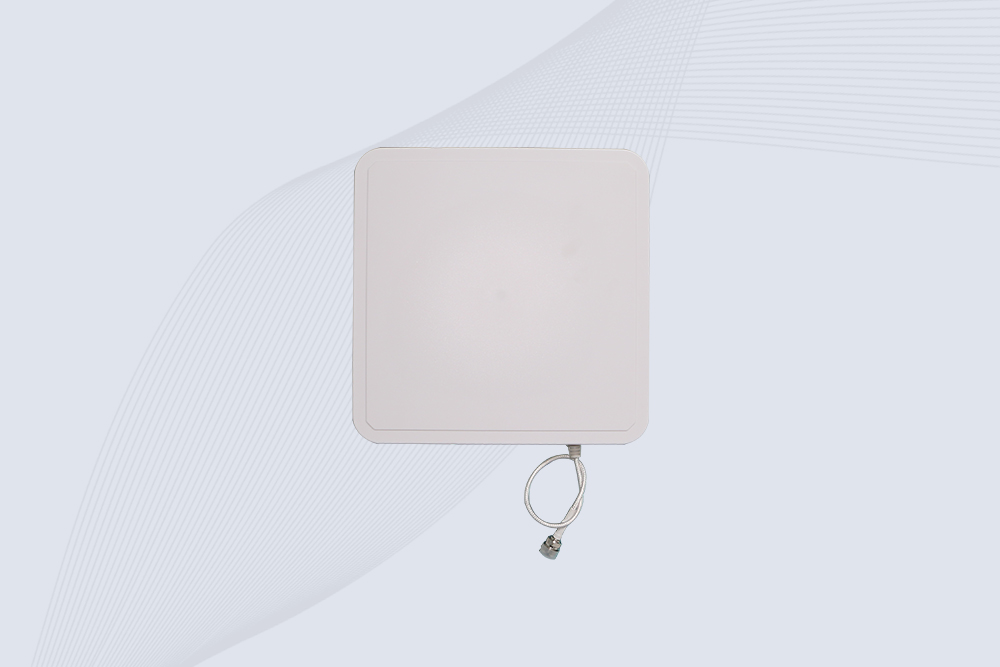
In warehouses, where every second counts, the wrong RFID antenna can turn a streamlined operation into a bottleneck of missed tags and frustrated staff. Antenna size and gain aren’t just technical specs—they’re the difference between seamless automation and manual chaos. Here’s how to match these critical factors to your warehouse’s unique demands.
Why Antenna Size and Gain Matter in Warehousing
RFID antennas act as the “eyes” of your tracking system. Their physical size and gain (signal strength) determine:
Coverage Area: How much floor space a single antenna can monitor.
Read Accuracy: Ability to detect tags through obstacles like pallet stacks.
Energy Efficiency: Balancing power consumption with performance.
Key Trade-Off: Larger antennas with higher gain offer longer reach but narrower beams. Smaller antennas cover less area but work better in tight spaces.
Step 1: Map Your Warehouse Layout
Antenna choices depend on your facility’s structure:
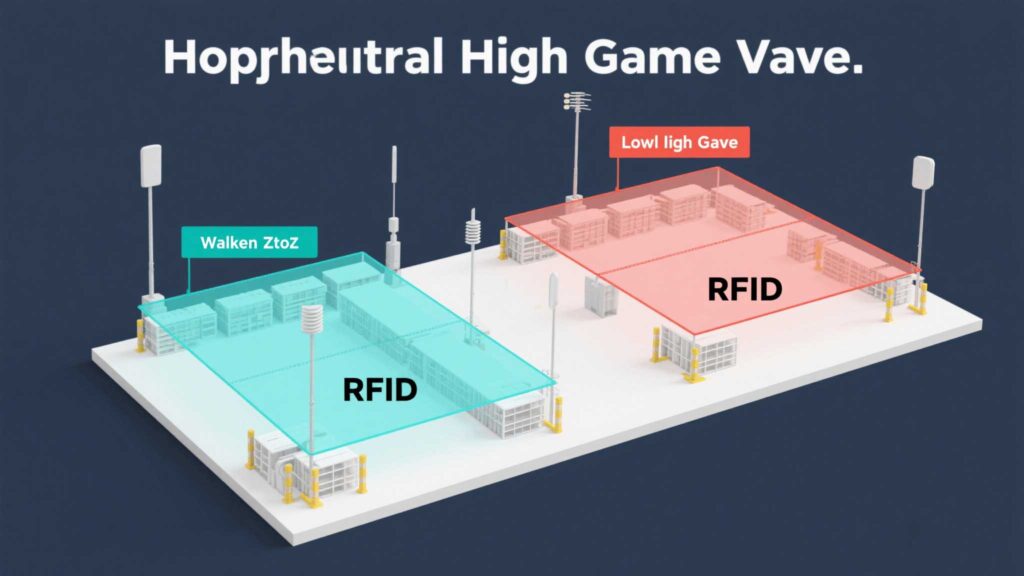
High-Ceiling Warehouses (10m+): Opt for high-gain antennas (8–12 dBi) to focus energy across long distances.
Low-Ceiling or Dense Storage: Use low-gain antennas (3–6 dBi) for wider, shorter coverage to avoid blind spots.
Hybrid Spaces: Combine antenna types. For example, high-gain antennas at dock doors and low-gain in narrow aisles.
Pro Tip: Use CAD software or RFID simulation tools to model signal spread based on rack heights and pathways.
Step 2: Match Antenna Size to Operational Needs
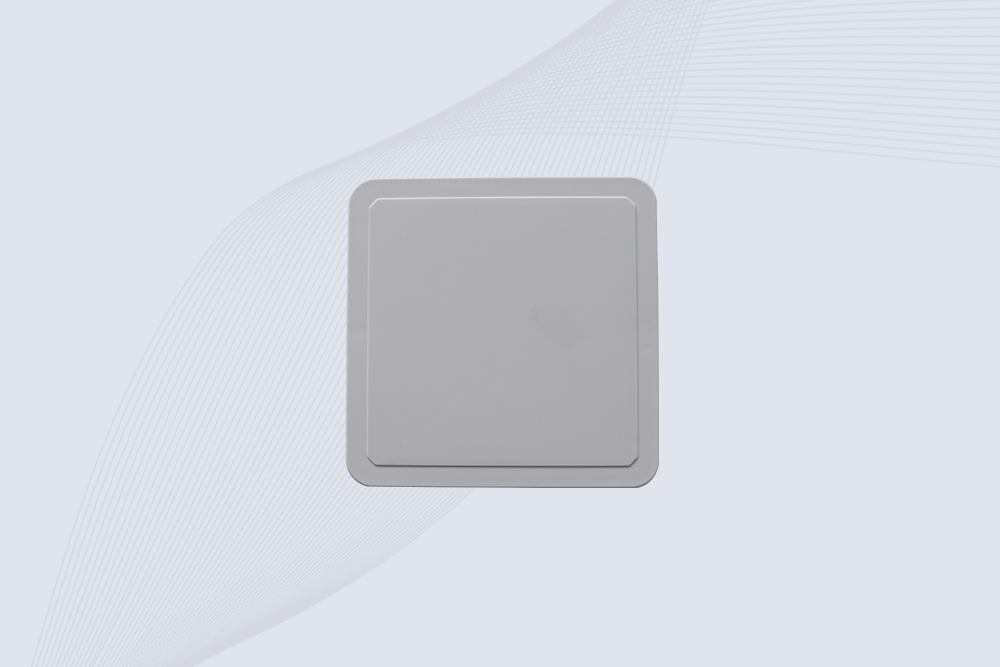
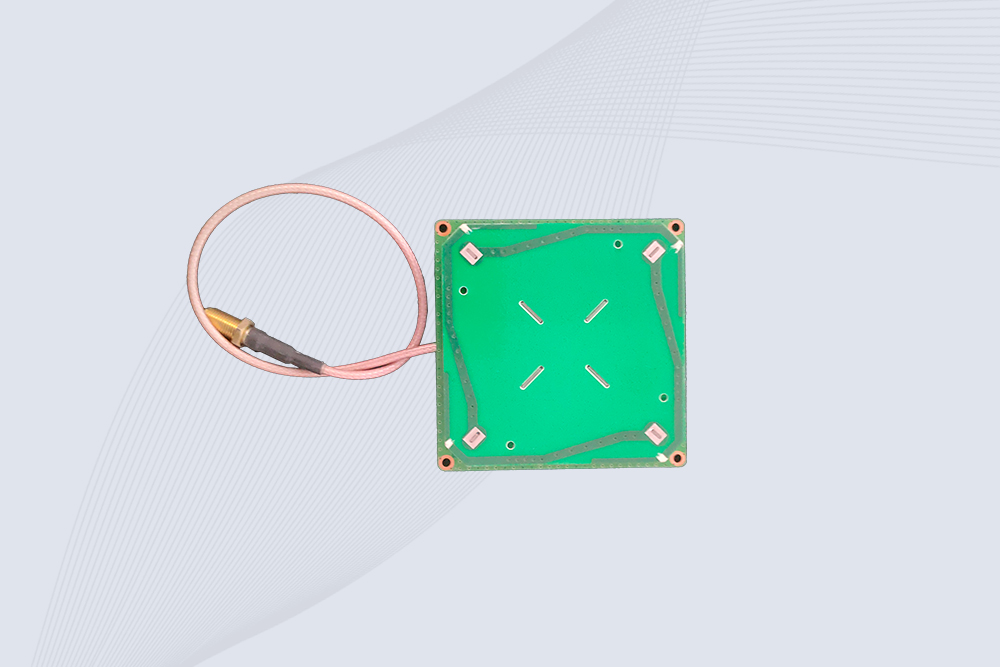
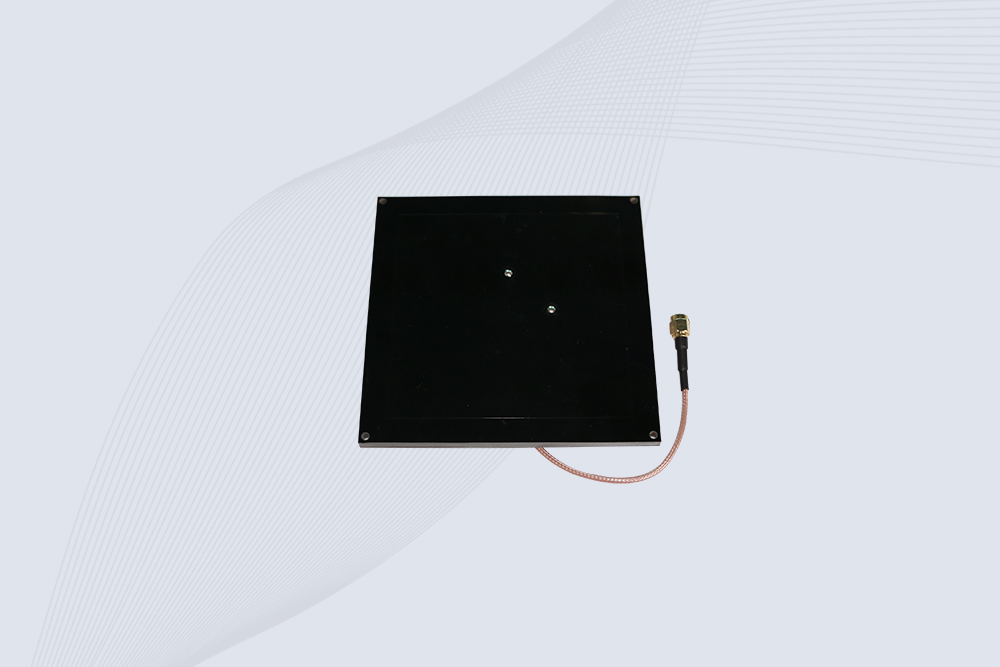
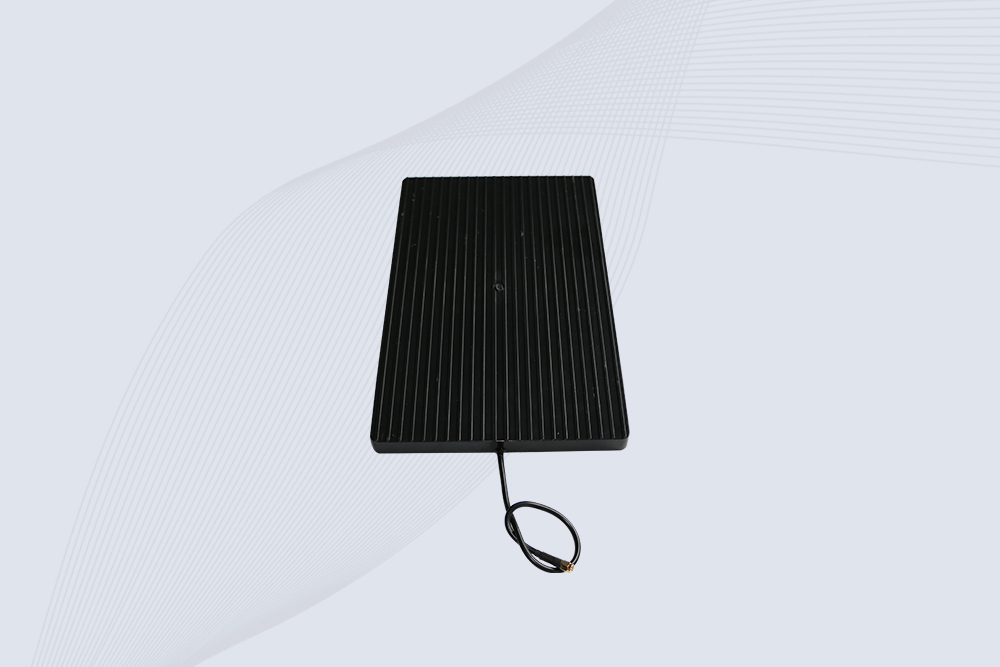
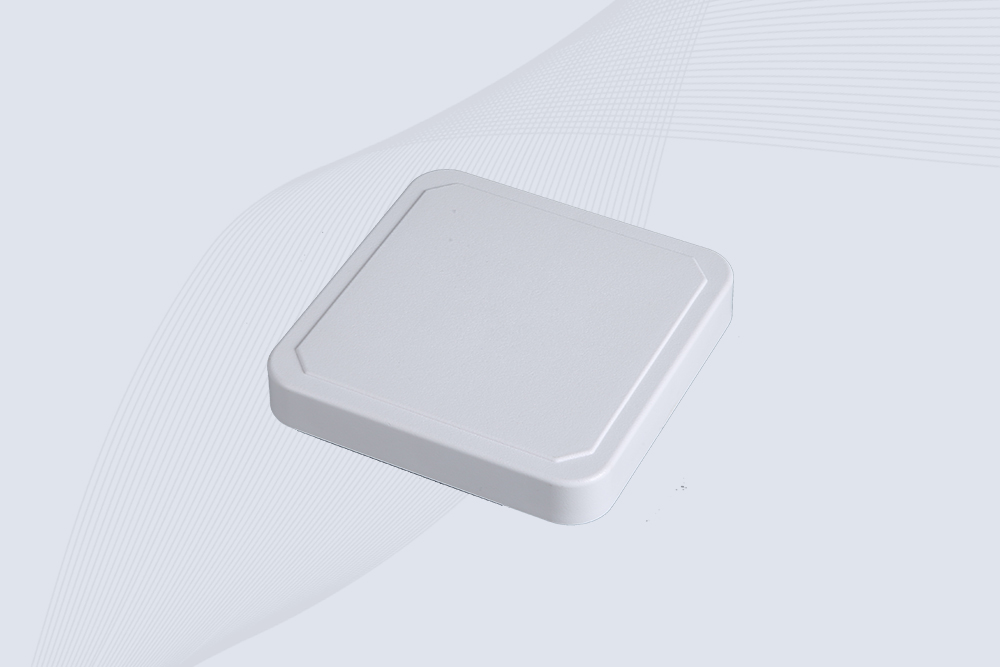
Compact Antennas (15–30cm): Fit confined spaces like conveyor belts or robotic picking stations.
Case Study: A Cykeo client reduced missed reads by 68% in a 20,000 sq. ft. warehouse by switching from 60cm to 30cm antennas in narrow aisles, improving picker efficiency.
Step 3: Balance Gain with Read Reliability
Gain (measured in dBi) determines how far signals travel—but higher isn’t always better.
High Gain (8–12 dBi):
Best for open areas with few obstructions.
Narrow beamwidth (30°–60°) minimizes interference from metal racks.
✅ Selected antenna size/gain based on coverage needs.
✅ Tested in real-world conditions with obstructions.
✅ Planned for future expansion with modular systems.
Takeaway: Choosing RFID antennas isn’t about specs—it’s about context. By aligning size and gain with your warehouse’s rhythm, you’ll turn tracking from a chore into a competitive edge.
Discover the essential features of industrial handheld RFID scanners for harsh environments. Compare durability, read range, battery life, and software compatibility.
Discover why RFID is the top choice for user identification. Compare RFID with BLE and QR codes for security, range, and durability in access control, logistics, and more.
Discover how RFID warehouse automation reduces labor costs, minimizes errors, and optimizes inventory. Learn actionable strategies for supply chain savings.
Explore how RFID vehicle tracking systems revolutionize logistics, fleet visibility, and operational control — beyond GPS tracking and manual management.
 Cykeo RFID IoT Solution Products R&D Manufacturer