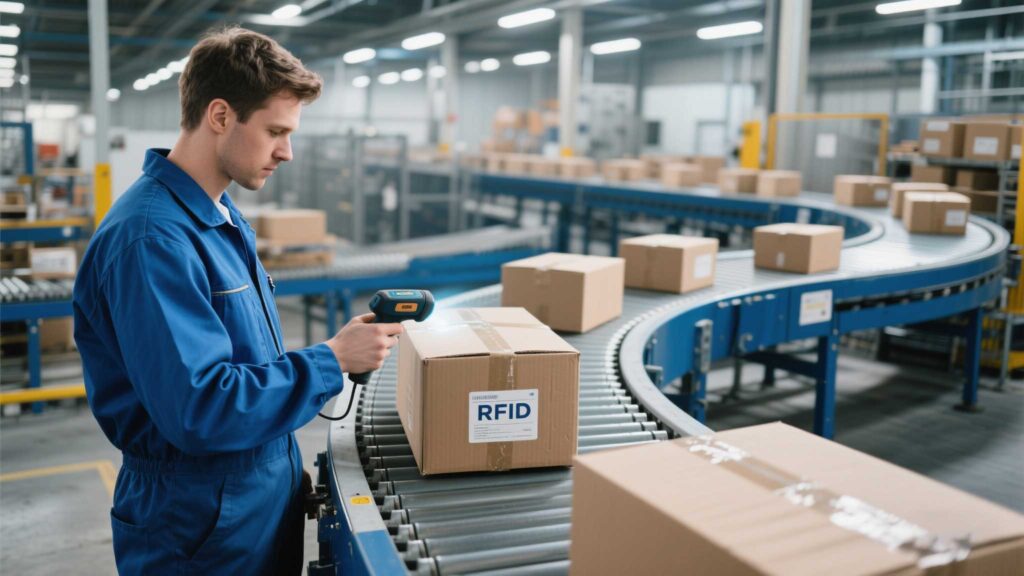
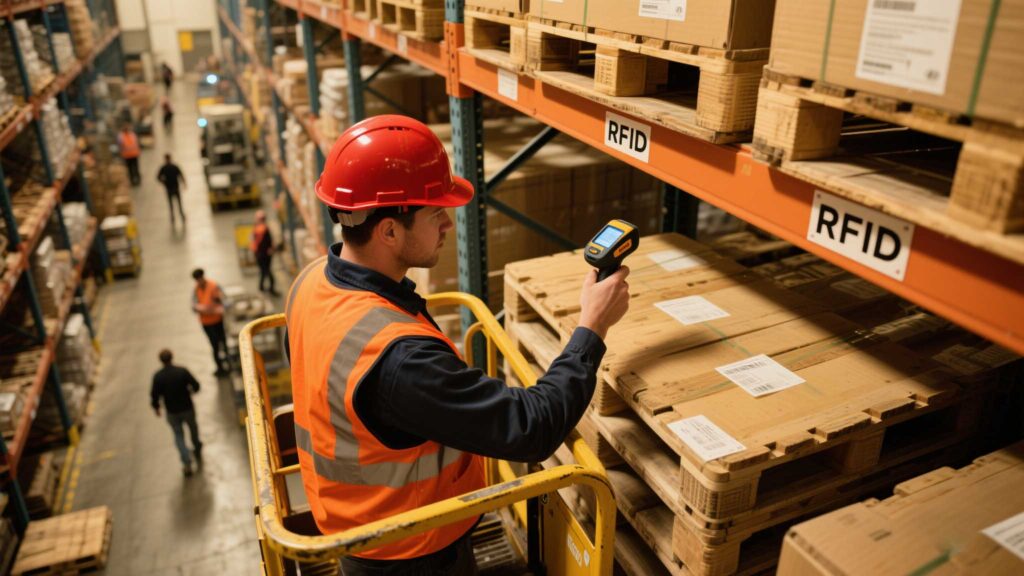
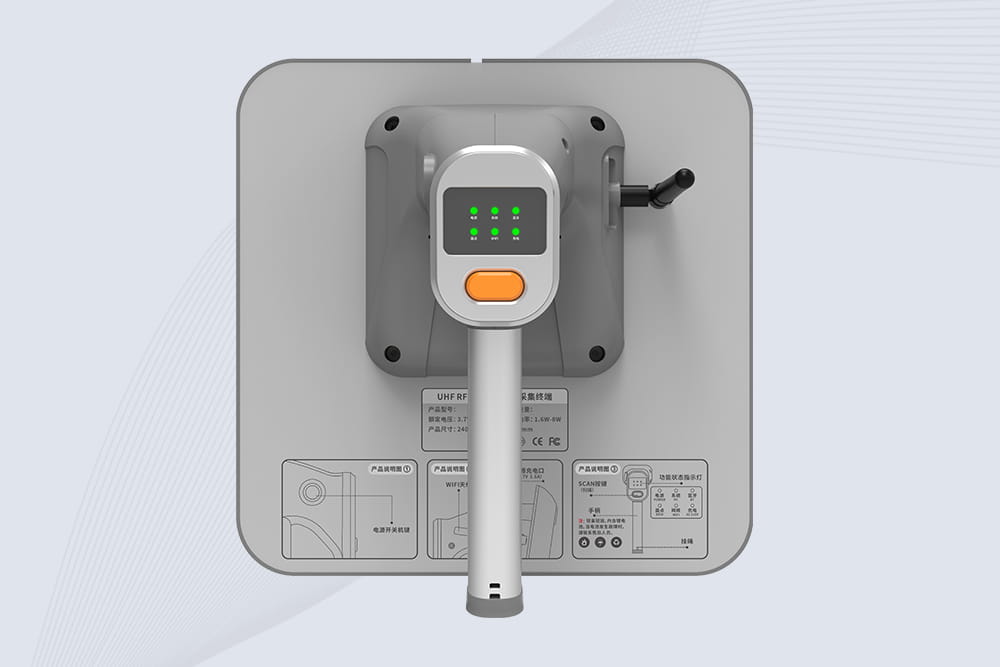
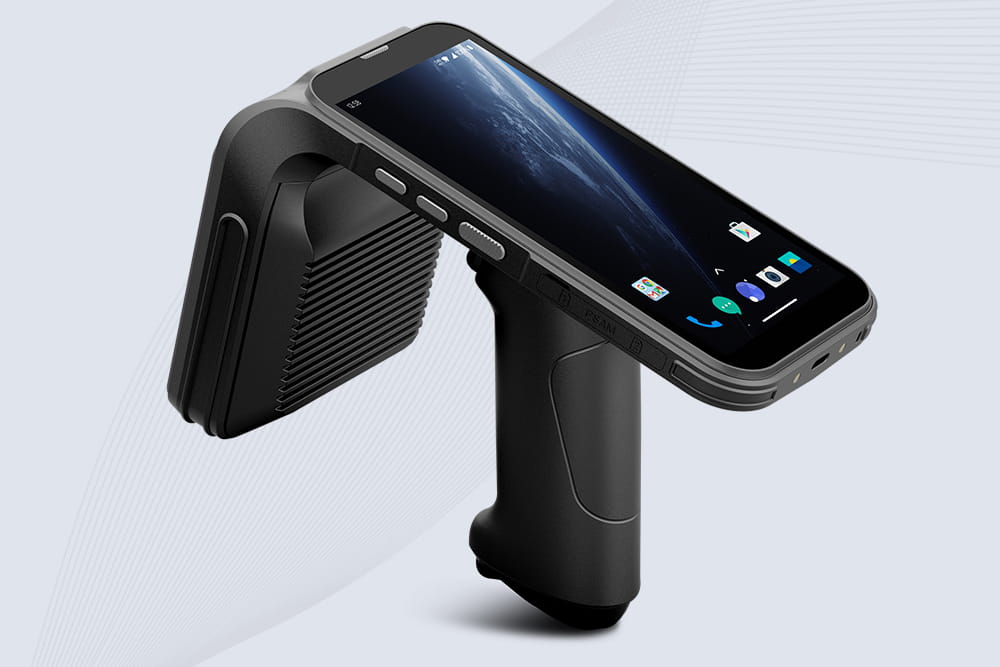
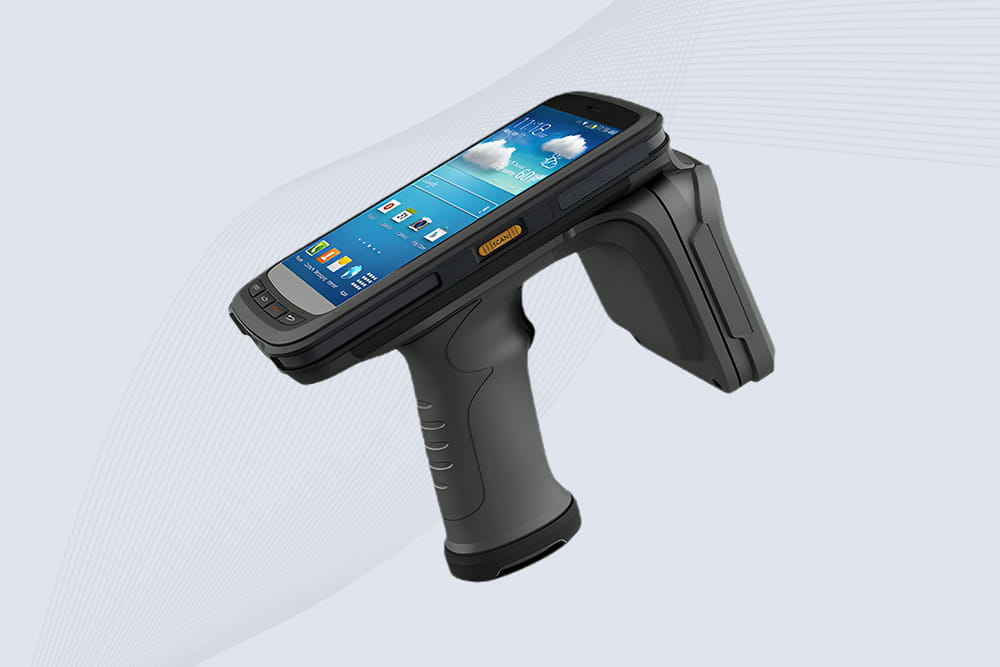
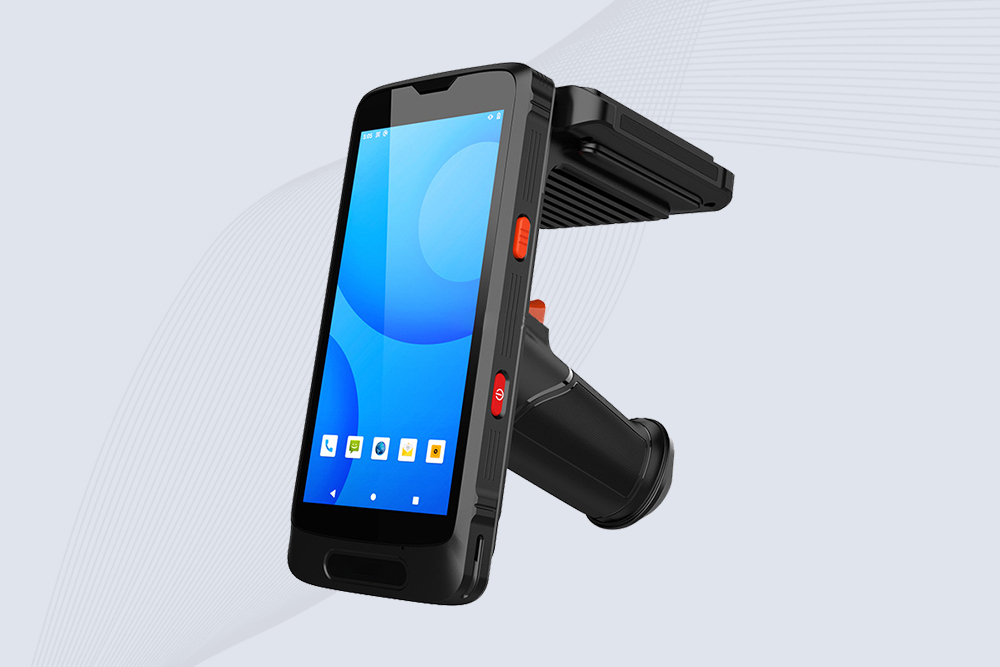
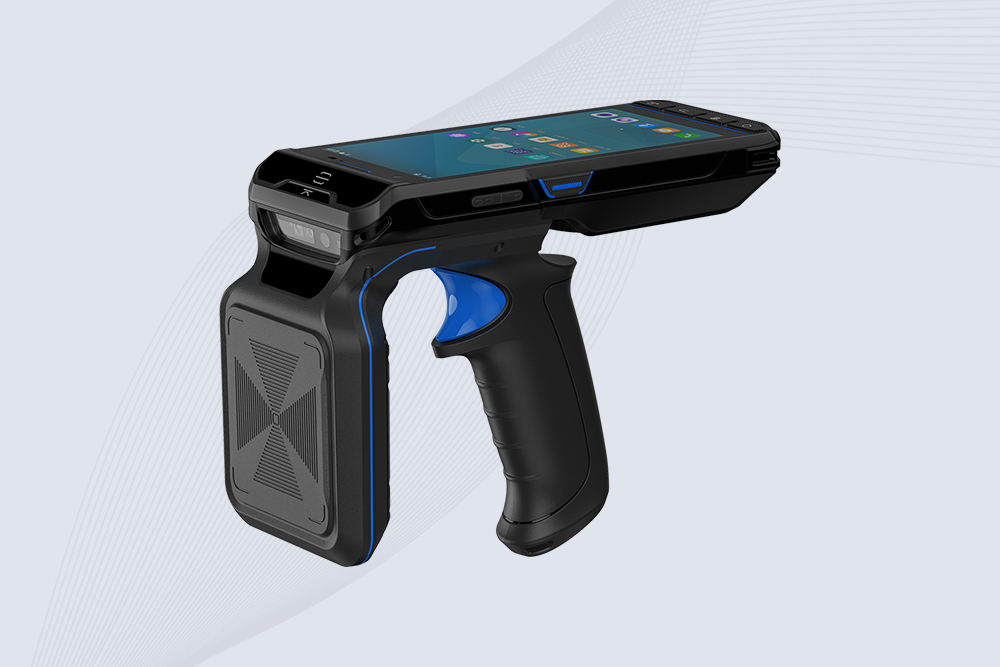
Warehouses are the backbone of supply chains, but inefficiencies—like misplaced inventory, manual errors, and delays—can cost thousands yearly. Handheld RFID scanners tackle these issues head-on, turning chaos into order. Here’s how to leverage them for maximum efficiency.
1. Optimize Layouts for Faster Scanning
Problem: Workers waste time navigating aisles or searching for items. Solution:
Zone Tagging: Assign RFID tags to specific zones (e.g., A1, B2) for quick location checks.
Hotspots: Place high-demand items near scanning points for rapid access.
Vertical Storage: Use RFID to track items on tall shelves without forklift delays.
Impact: A well-organized warehouse can cut picking times by 30–50%.
2. Bulk Scanning: Skip the One-by-One Grind
Problem: Manual barcode scans take hours for large shipments. RFID Advantage:
Scan 100+ items per second, even through boxes or shrink-wrap.
Example: Cykeo’s handheld scanners reduced pallet processing from 20 minutes to 90 seconds in a pilot.
Pro Tip: Schedule bulk scans during off-peak hours to avoid workflow disruptions.
3. Real-Time Inventory Updates
Problem: Outdated data leads to stockouts or overordering. Solution:
Sync Scans Instantly: Connect scanners to inventory software (e.g., SAP, Fishbowl) for live updates.
Automate Alerts: Flag low stock, expired items, or misplaced inventory automatically.
Problem: Unexpected forklift or conveyor breakdowns halt operations. RFID + IoT:
Track equipment usage via RFID tags to predict maintenance needs.
Schedule repairs during downtime to avoid delays.
8. Train Teams for Peak Performance
Even the best tools fail without proper training:
Demo Scanning Techniques: Teach optimal angles and distances for reads.
Troubleshooting 101: Fix common issues like interference or low battery alerts.
Data Literacy: Show staff how to interpret scan reports for actionable insights.
9. Audit Smarter, Not Harder
Problem: Manual audits take days and distract staff. RFID Audit Steps:
Scan entire warehouse zones in 1–2 hours.
Generate discrepancy reports automatically.
Reconcile mismatches in your inventory system.
Stat: Monthly RFID audits cut annual stock loss by up to 25%.
10. Scale with Confidence
Future-Proofing Tips:
Choose Scalable Software: Ensure your system can handle 10x more scans as you grow.
Multi-Site Sync: Use cloud-based RFID tools to manage inventory across warehouses.
Takeaway: Handheld RFID scanners aren’t just tools—they’re efficiency multipliers. By automating repetitive tasks, eliminating errors, and delivering real-time data, they help warehouses meet modern demands for speed and accuracy. Brands like Cykeo offer rugged, user-friendly models tailored for logistics, but success hinges on aligning technology with your workflows. Start with high-impact areas like receiving or returns, train relentlessly, and watch productivity soar.
Learn how to integrate handheld RFID readers with hospital equipment tracking systems. Ensure HIPAA compliance, real-time updates, and seamless EHR/CMMS compatibility.
Avoid common RFID implementation mistakes that waste time and money. Learn best practices for seamless integration in logistics, healthcare, and retail.
how the CK-T2 Industrial RFID Floor Gate streamlines automated warehouse management. With 0–3 m vertical read range, 500+ tags/sec processing, MQTT integration, and API support, it empowers solution providers and developers to optimize inventory, ...
Improve hospital linen control with the Cykeo CK-G2224 RFID smart cabinet — real-time tracking, automated inventory, reduced loss, and full workflow digitization.
 Cykeo RFID IoT Solution Products R&D Manufacturer