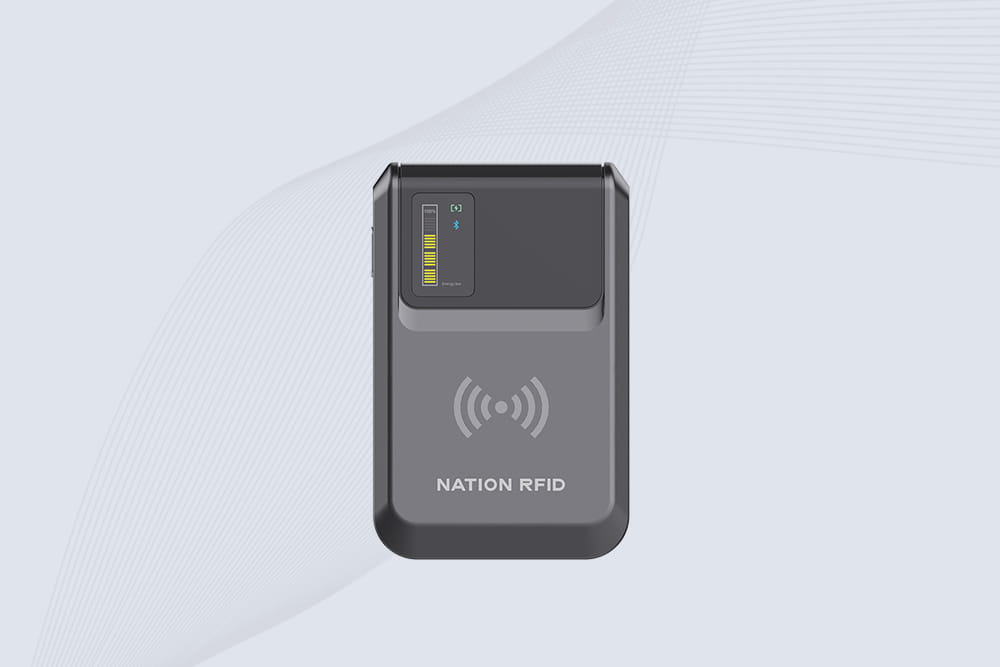
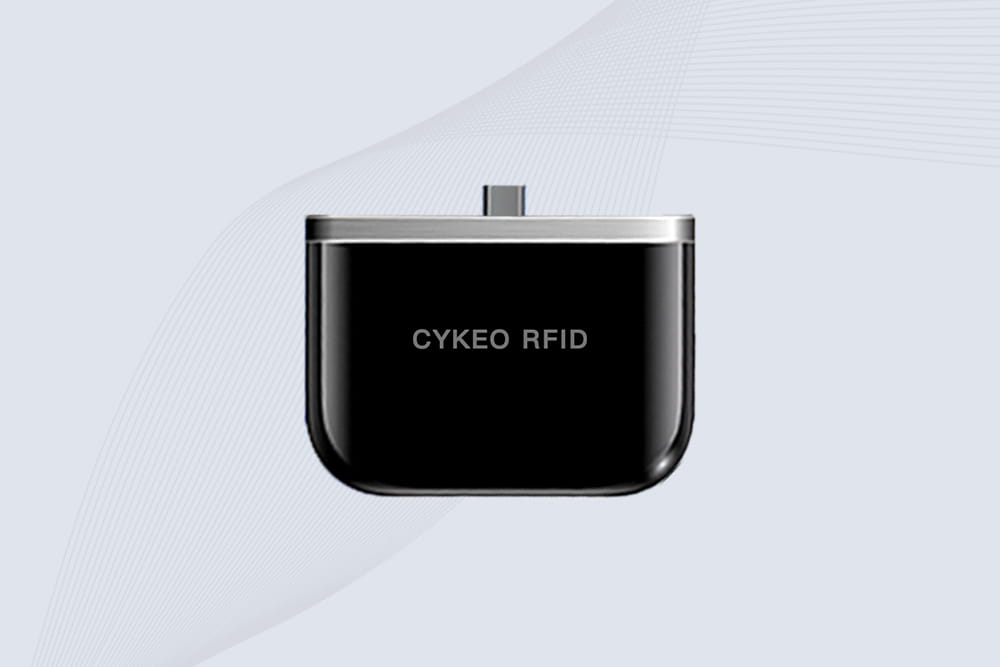
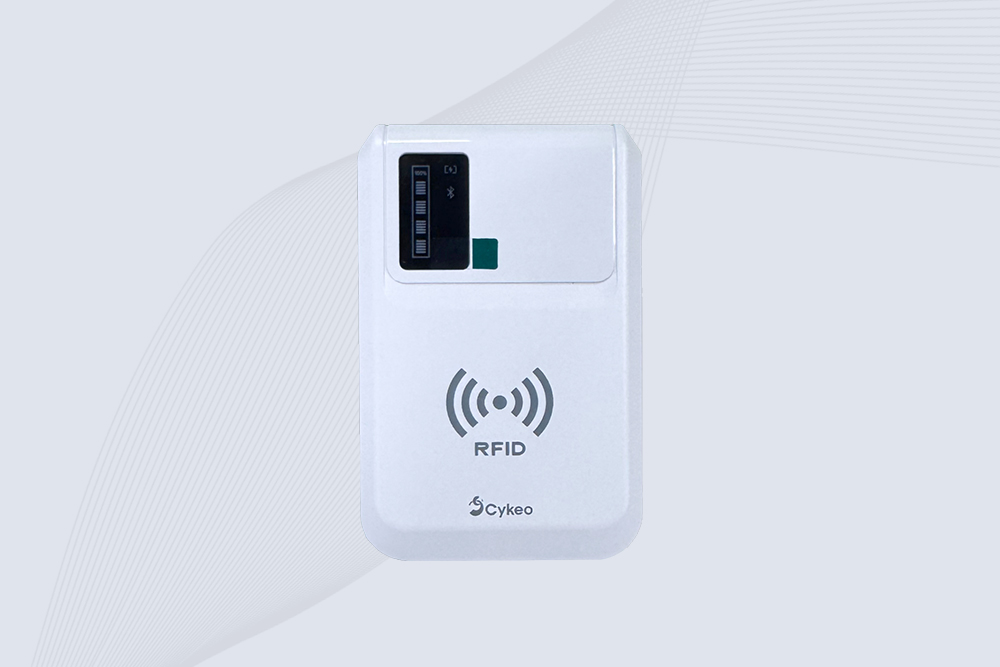
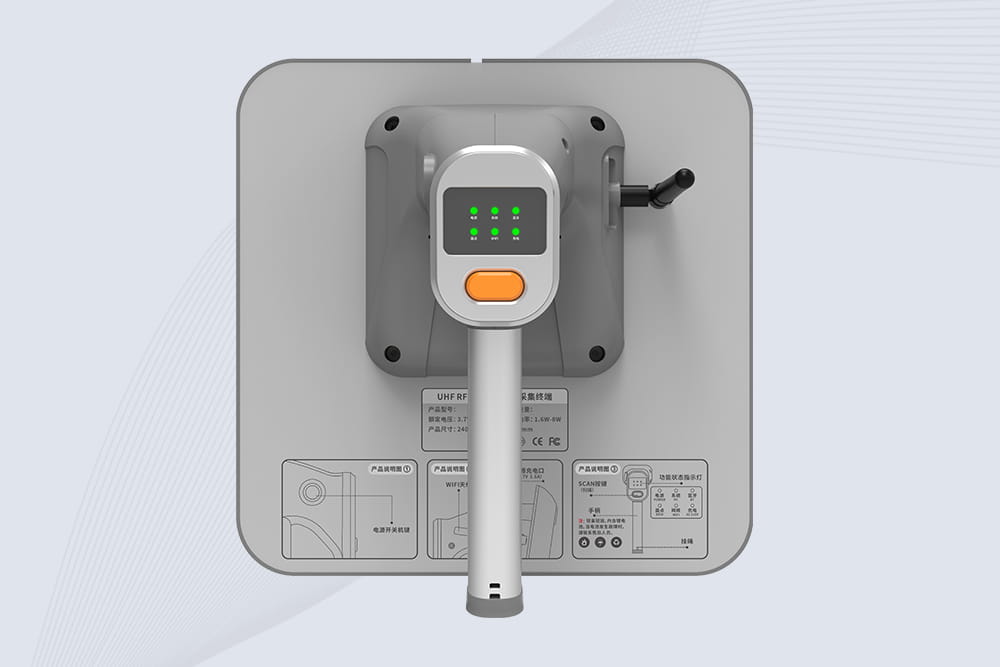
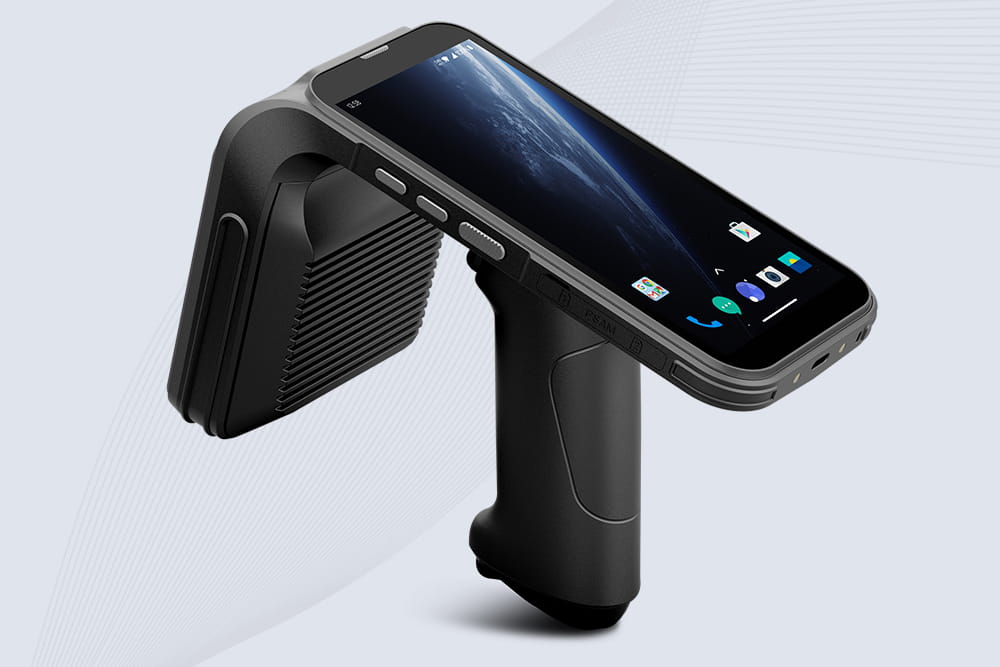
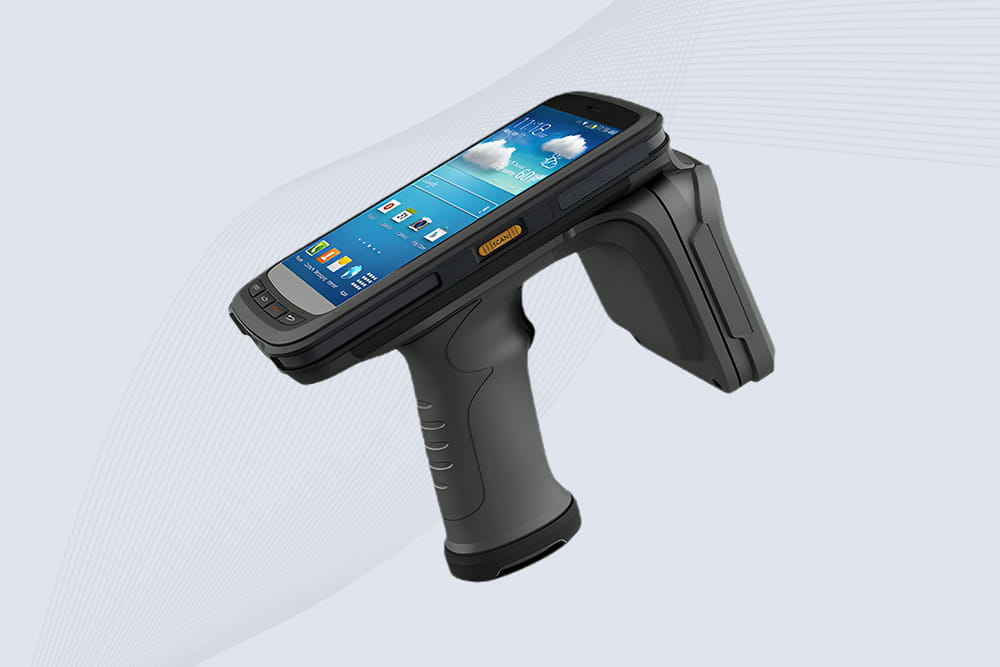
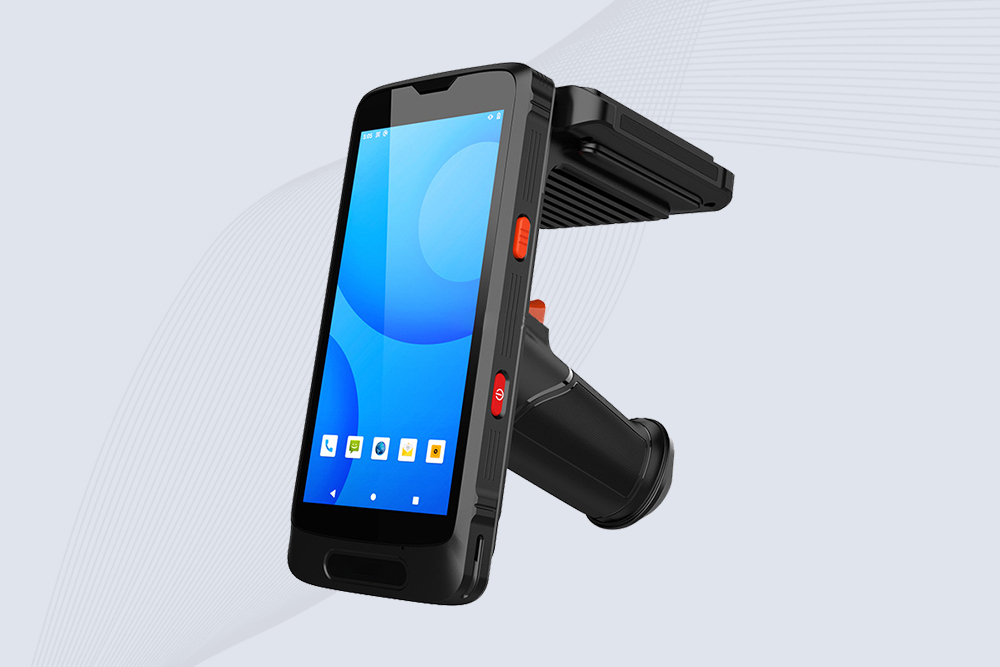
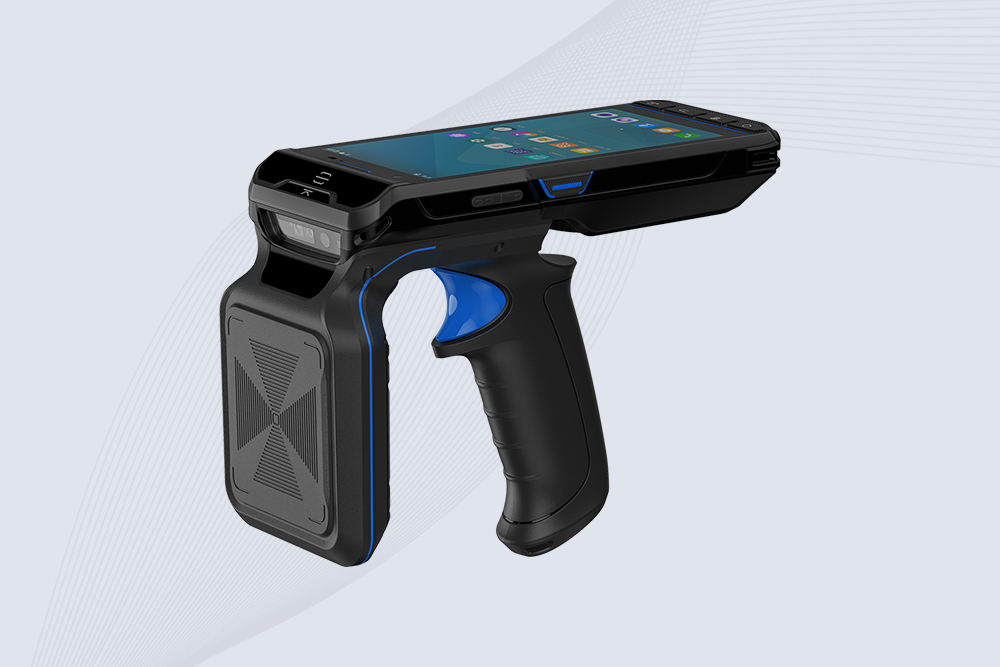
Selecting the right handheld RFID reader for warehouse inventory management requires balancing read range, durability, software compatibility, and cost. Below is a step-by-step guide to help you pick the ideal device for fast, accurate stock tracking in industrial environments.
1. Key Factors to Consider
1.1 Frequency & Read Range
UHF RFID (860–960 MHz):
Best For: Large warehouses with high-density pallets or stacked boxes.
Range: 5–15 meters (e.g., CK-B4 scans 700+ tags/minute at 10m).
HF RFID (13.56 MHz):
Avoid for warehouses—short range (10cm–1m) suits small-item tracking (e.g., jewelry).
1.2 Durability & Environmental Resistance
IP Rating:
IP54+: Resists dust and splashes .
IP67+: Survives drops and temporary submersion .
Temperature Range:
Opt for -20°C to 50°C operation if storing goods in unheated areas.
1.3 Battery Life
Minimum 8+ Hours: Ensure uninterrupted scans during shifts.
Hot-Swappable Batteries: Critical for 24/7 operations .
1.4 Software Integration
ERP/WMS Compatibility:
Verify support for SAP, Fishbowl, or Zebra Savanna.
Mobile Apps:
Bluetooth pairing with Android/iOS for real-time updates (e.g., TradeGecko).
Considering how to make an RFID reader antenna? We outline the complex design process and explain why commercial antennas are the practical choice for reliable systems.
Discover whether handheld RFID readers can scan through metal or liquid containers. Learn about anti-metal tags, UHF limitations, and best practices for reliable detection.
 Cykeo RFID IoT Solution Products R&D Manufacturer