 Cykeo RFID IoT Solution Products R&D Manufacturer
Best RFID Tags for Tool Tracking: What Bulk Buyers Should Look For
197Looking for RFID tags for tool tracking? Discover the best on-metal RFID tag solutions for industrial tools, with tips for durability, mounting, and bulk buying.
MoreAll RFID Product
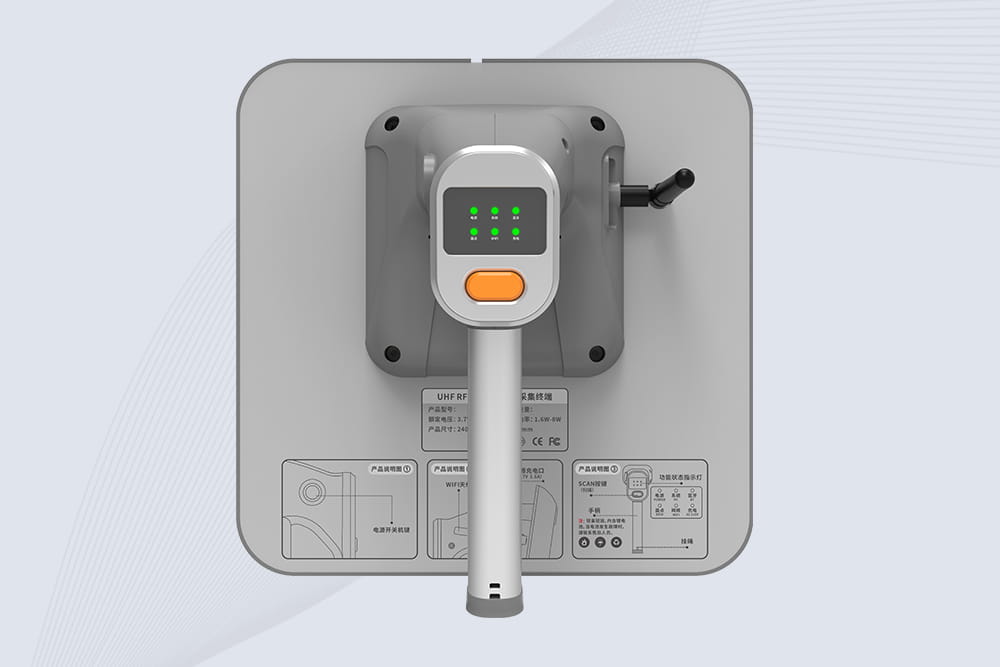
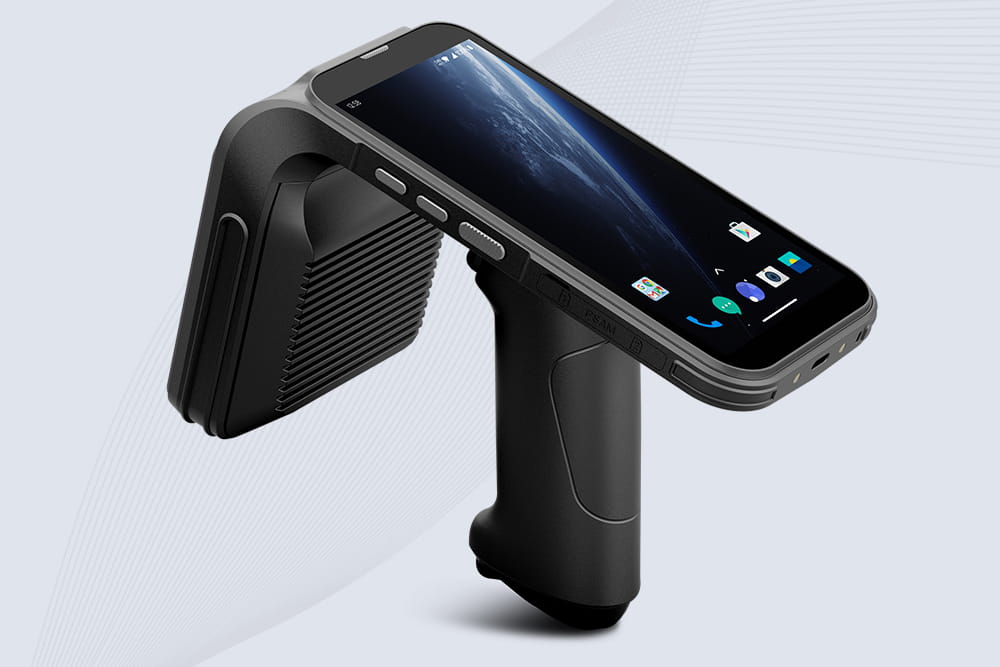
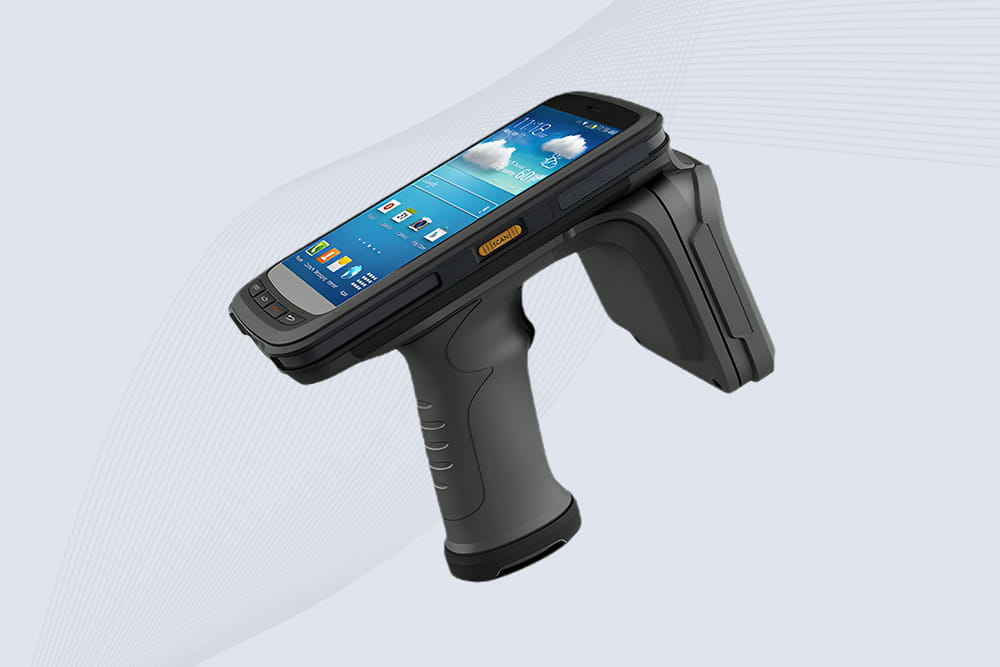
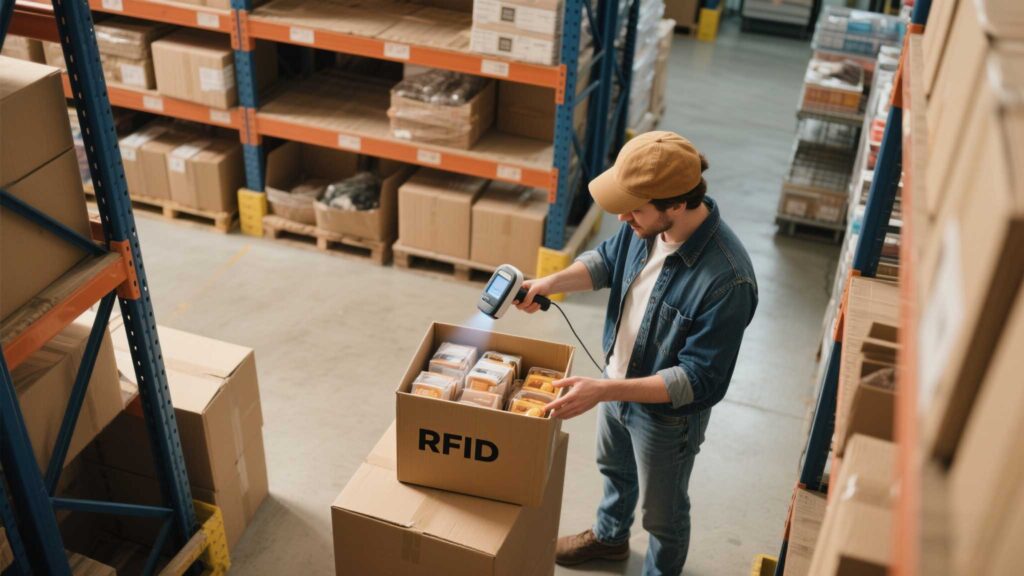
For small businesses, every dollar counts. While handheld RFID scanners require an upfront investment, they often pay for themselves within months by slashing labor costs, reducing errors, and improving inventory turnover. Here’s a detailed cost-benefit analysis to help you decide.
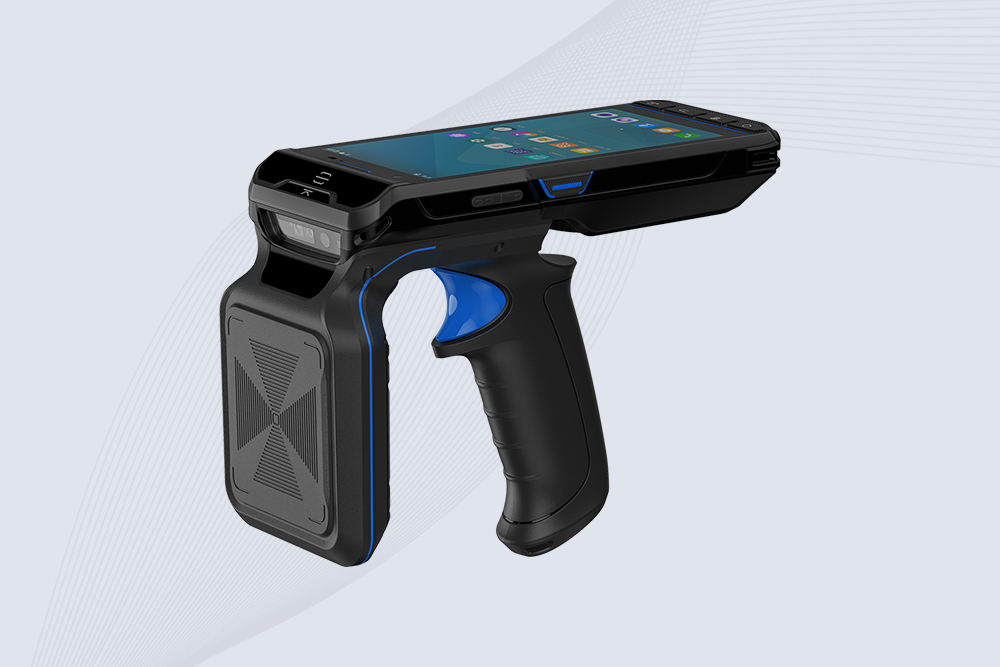
Cykeo offers entry-level scanners with:
Avoid RFID if:
A 10-employee brewery adopted Cykeo’s scanners to track kegs and raw materials. Despite a $2,200 initial investment, they recovered costs in 6 months via:
Looking for RFID tags for tool tracking? Discover the best on-metal RFID tag solutions for industrial tools, with tips for durability, mounting, and bulk buying.
More
Tired of missing stock and slow counts? Discover how RFID inventory tags can speed up your inventory process, improve accuracy, and give you real-time visibility—without the headaches of manual tracking.
More
Wondering what are barcodes and RFID tags? We explain how each works, their pros and cons, and when to use them. A clear comparison for inventory and asset tracking from CYKEO engineers.
More
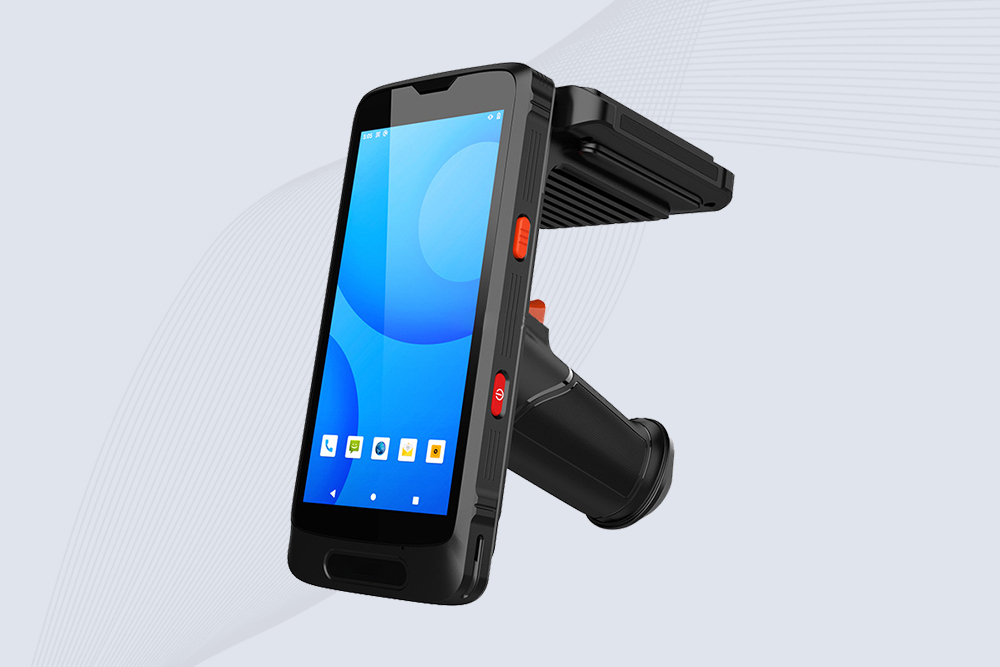
Looking for a portable scanner for RFID projects? Learn how RFID solution providers choose portable scanners based on battery life, scanning distance, integration, durability, and application requirements.
More