 Cykeo RFID IoT Solution Products R&D Manufacturer
What’s the Lifespan of an RFID Reader? Maintenance Tips to Prolong It
693What’s the average RFID reader lifespan? Learn key factors affecting durability and practical maintenance tips to extend its operational life.
MoreAll RFID Product
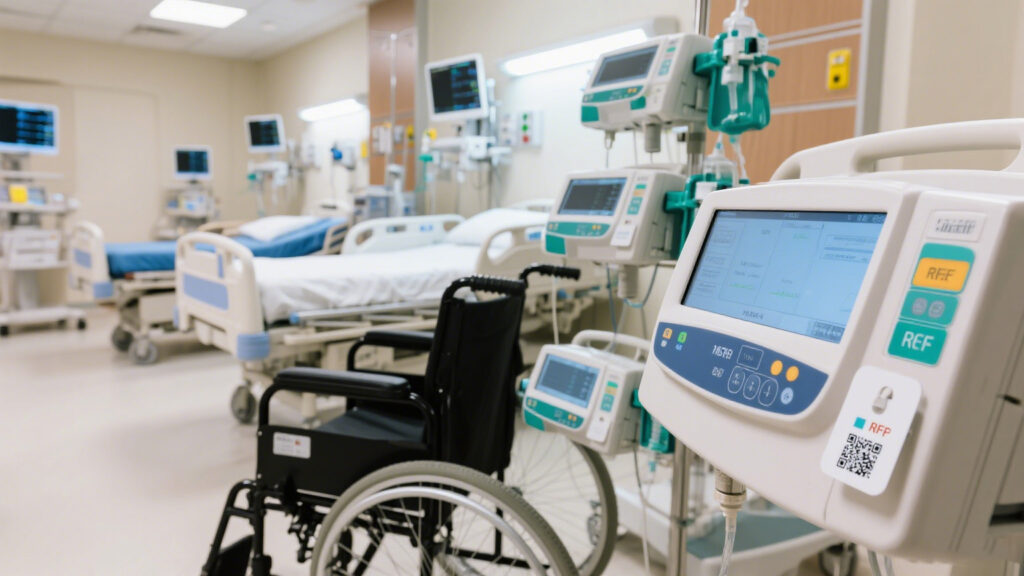
When it comes to medical asset management, relying solely on traditional spreadsheets and manual inventory is way behind the times. Once hospital equipment piles up — just the infusion pumps run into the hundreds — you gotta bring in some high-tech help or you’re not gonna keep up. RFID sounds fancy, but it’s no magic wand; you’ve gotta fit it to the actual on-site situation for it to work.
Real-time Asset Tracking — It’s Not Just “Slap a Tag On”
Anyone in the tech field knows just stickingRFID tag on equipment isn’t straightforward in practice. We once had tags stuck on stainless steel infusion pumps where the signals got completely “shielded” — the readers couldn’t pick them up at all. Later we switched to special “metal-resistant” tags and added more antennas strategically; only then did the reading distance stabilize at about 3 meters. Don’t get fooled by vendors claiming “10 meters no problem” — the magnetic environment and equipment density on site hugely affect performance.
Hospitals put RFID wristbands on patients intending to prevent identity mix-ups and reduce medication errors. But I visited a top-tier hospital where they still didn’t fully trust the system. The system sometimes missed reads, so nurses had to double-check multiple times, which ironically added to their workload.
Also, patients refusing to keep wristbands on, or accidentally swapping them, happens often, leading to inaccurate data. You can see there’s still a gap between “smart management” and reality. Patient safety still depends heavily on nurses’ experience, with RFID as just an assistant, not a savior.
Ideally, RFID systems run fully automatically. But during hospital pilots, we found interfaces weren’t flexible enough, integration with the hospital’s existing HIS (Hospital Information System) was tricky, and even a 1-minute delay in data sync caused complaints from nurses about sluggish devices. The “API flexibility” and “real-time capability” often become sticking points in medical applications. Without those, talk of “seamless integration” is just hot air.

Cost is the hospital’s biggest concern. One private hospital installed an RFID asset management system claiming to save 20% on procurement. But after six months, maintenance and training costs had doubled, and while equipment management became more systematic, the “savings” weren’t that obvious.
RFID systems are far more than just putting on tags. At a large medical device supplier site, we spent over two months from tag selection, reader layout, software customization, to staff training — every step full of pitfalls.
The biggest headache is people: the gap between tech staff’s understanding and nurses’ actual operations often caused project delays. Plus, hospitals’ old power and wireless infrastructure created interference issues. If tuning wasn’t done well, the blame would fall on tag performance — this finger-pointing is an industry-wide problem.
RFID for medical asset management is definitely the future, but don’t expect “install and forget.” Every hospital’s environment, staff, and equipment are different; a one-size-fits-all approach won’t cut it.
A truly effective system depends on the “on-site tuning + software customization + ongoing training” trinity. RFID projects are 90% debugging, 10% selling tags.
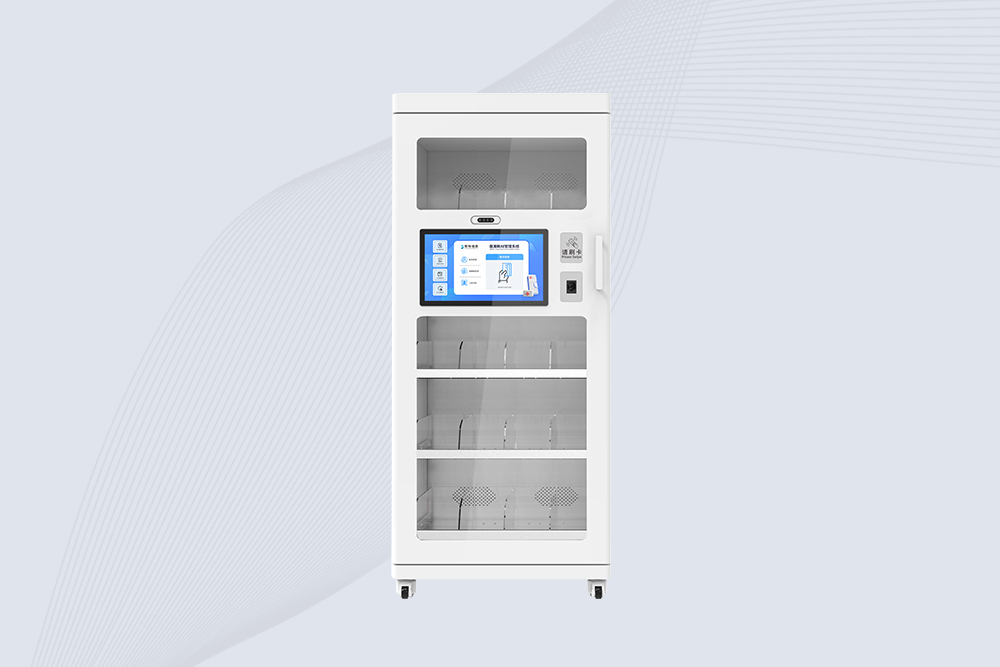
Cykeo’s medical RFID cabinet features 21.5″ touchscreen, dual-door security & HIPAA compliance for OR/pharmacy. Tracks implants, gauze & consumables. Request demo.
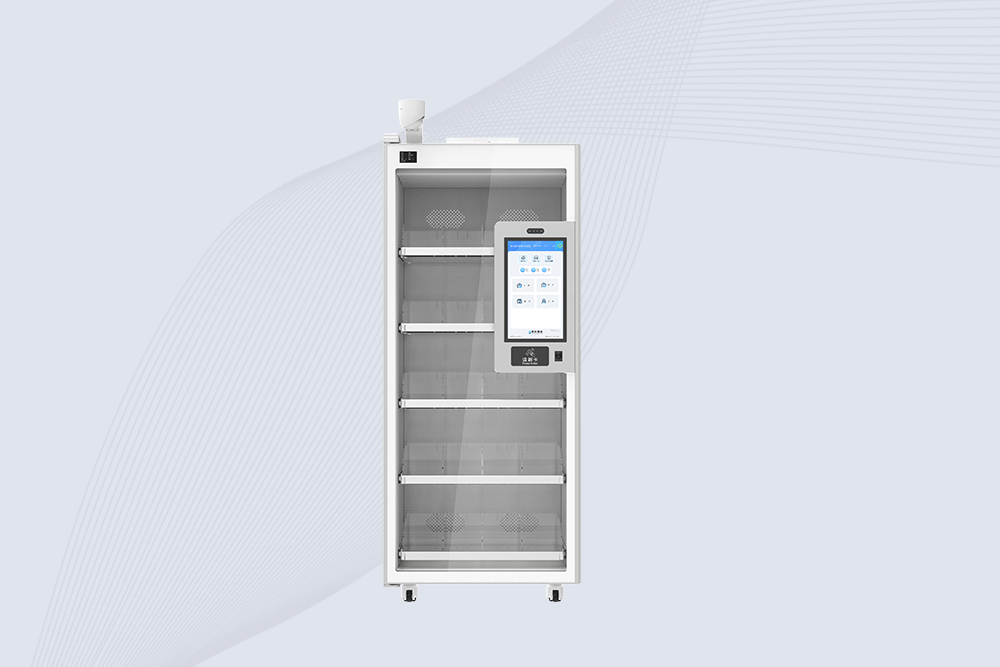
Cykeo’s smart medical cabinet RFID features 21.5″ touchscreen & 99.9% accuracy for OR instrument tracking. Modular shelves for 500+ items. HIPAA compliant. Request demo.
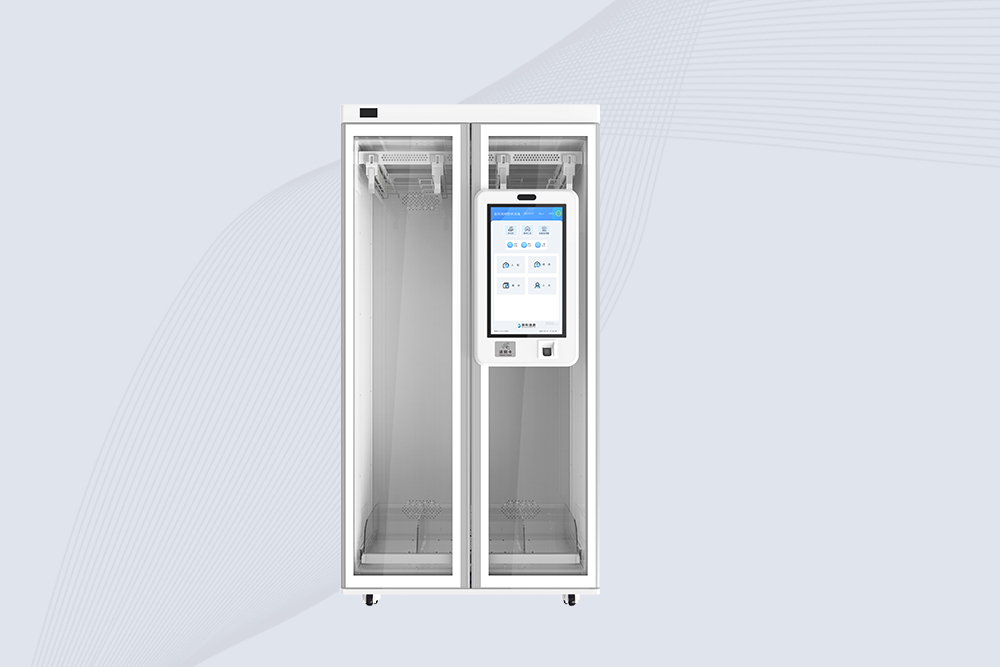
Cykeo’s UHF RFID hospital asset cabinet features dual-door security, antibacterial coating & 99.9% accuracy for OR implants. ISO 13485 compliant. Tracks 2000+ items.
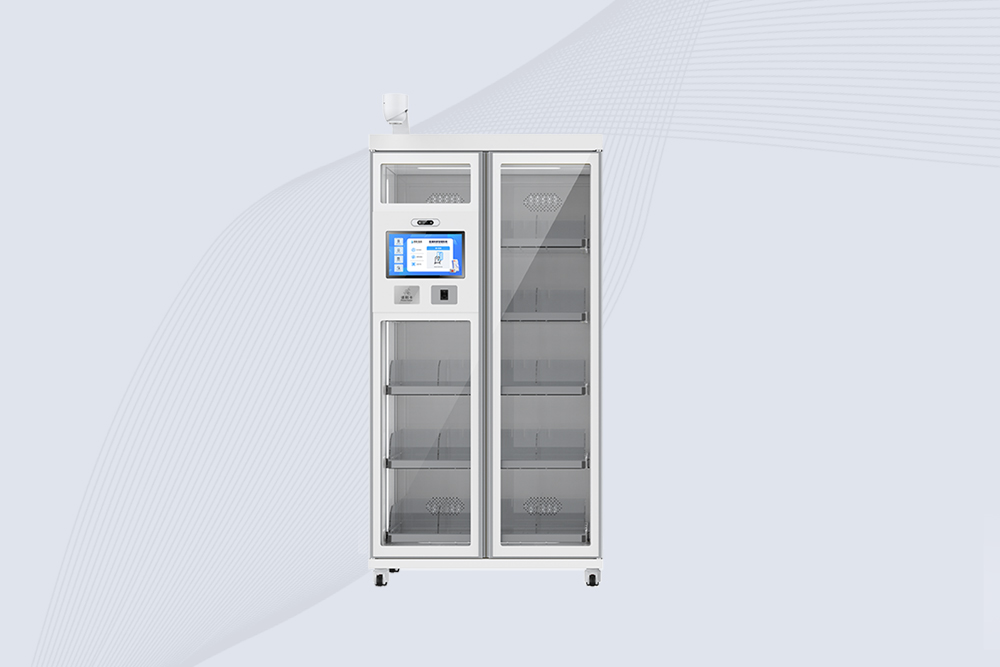
Cykeo’s medical RFID storage cabinet features 14″ touchscreen, 600 tags/sec scanning & 1.2mm steel security. Tracks 500+ surgical consumables. Reduces staff workload by 70%.
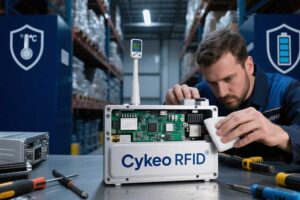
What’s the average RFID reader lifespan? Learn key factors affecting durability and practical maintenance tips to extend its operational life.
More
Learn how to safely update firmware on handheld RFID readers like Zebra or Impinj. Follow our detailed guide to avoid errors, improve performance, and enable new features.
More
RFID vs NFC tags: Understand key differences in range, cost & real-world use cases. Learn when NFC's phone compatibility beats RFID's bulk scanning.
More
Frustrated with short read distances? Learn how to increase RFID reader range with proven tips on antennas, tag placement, and software tuning from CYKEO engineers.
More