 Cykeo RFID IoT Solution Products R&D Manufacturer
How to Tune RFID Antenna: What We Fix in the Field
209Need to fix weak reads? Learn how to tune RFID antenna for better performance, when to adjust settings vs. hardware, and when to call a professional.
MoreAll RFID Product
If you’ve spent any time browsing electronics project sites or maker forums, you’ve definitely seen it: that small, rectangular, usually blue board. It’s one of the most ubiquitous RFID components in the hobbyist world. But if you’re looking at it from a commercial or industrial perspective, you might be scratching your head. So let’s cut through the noise: What is RC522 RFID module?
In the simplest terms, the RC522 RFID module is a cheap, accessible, and self-contained reader/writer board designed for the 13.56 MHz frequency. It’s built around the NXP MFRC522 chip. Its primary job is to communicate with ISO 14443A standard tags, most commonly Mifare Classic 1K cards and key fobs. You can buy one online for a few dollars, and it almost always comes bundled with a couple of blank white cards and a plastic key fob.
Here’s what it really is (and what it’s not).
First, let’s be clear about its context. At CYKEO, we engineer and deploy UHF RFID systems for warehouse logistics and industrial asset tracking. The RC522 module is not that. You won’t see it scanning pallets from 10 meters away on a busy dock door.
Instead, it belongs firmly in the world of prototyping, education, and small-scale access control. Think of it as the training wheels for RFID technology. It’s the go-to tool for students, electronics hobbyists, and developers who need to quickly integrate basic “tap-to-identify” functionality into a project. Its effective range is very short—a few centimeters at best. This isn’t a bug; for tasks like door access or identifying a specific object in hand, that short range is a security and precision feature.
How do you actually use it?
The module is essentially a component. By itself, it does nothing. It needs to be connected to a microcontroller brain. This is why you’ll see it permanently paired with platforms like Arduino, ESP8266, or Raspberry Pi. It communicates over SPI, I2C, or UART, making it flexible to wire up. There’s a massive open-source library ecosystem (like the famous MFRC522 library for Arduino) that handles the complex low-level communication, so a beginner can write a simple sketch that reads a tag’s UID in an afternoon.
Common places you’ll find the RC522 in action:
So, when someone asks “what is rc522 rfid module?”, the answer is: It’s the accessible gateway. It demystifies RFID, letting people learn, experiment, and build tangible prototypes with minimal cost and complexity. While our industrial solutions at CYKEO are built for scale and durability, we respect the RC522 for what it is: the on-ramp that gets future engineers and innovators excited about the potential of automatic identification.
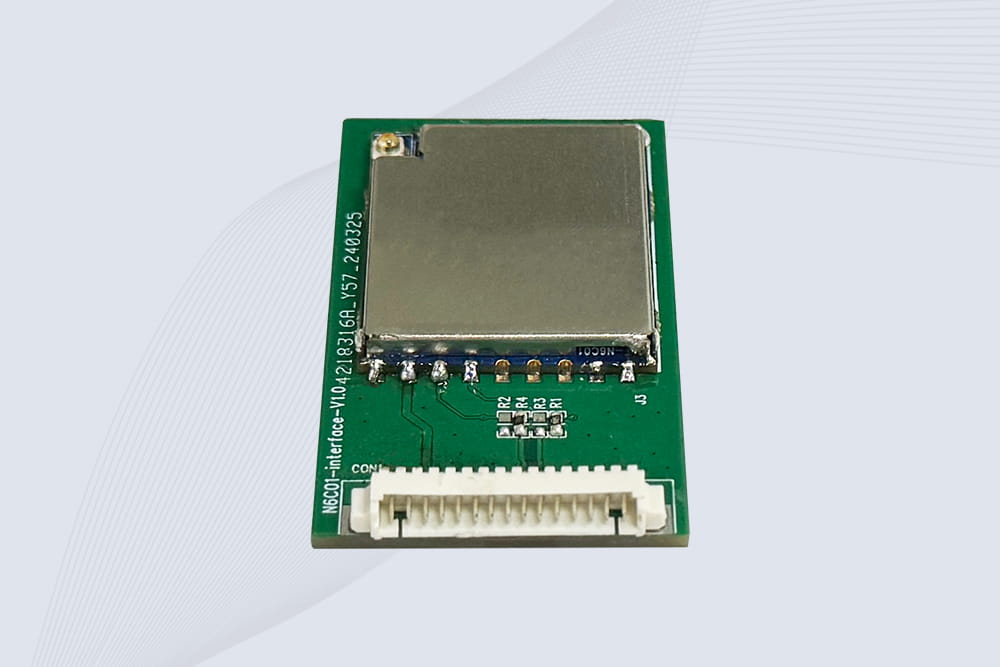
CYKEO Embedded RFID Modules are designed for compact industrial and IoT devices that require stable UHF performance. These UHF RFID Modules support global protocols, flexible power control, and reliable multi-tag reading for smart cabinets, production lines, and asset tracking systems.
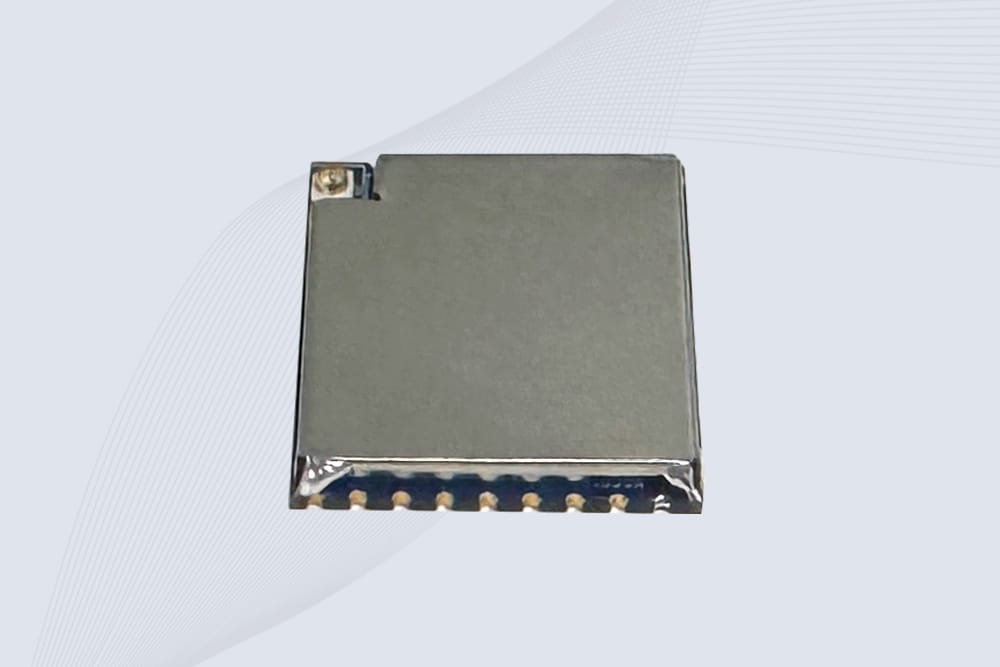
CYKEO Embedded RFID Module is built for compact IoT and industrial devices that need stable UHF performance. This UHF module supports global protocols, low power operation, and reliable multi-tag reading for smart lockers, production lines, and always-on RFID systems.
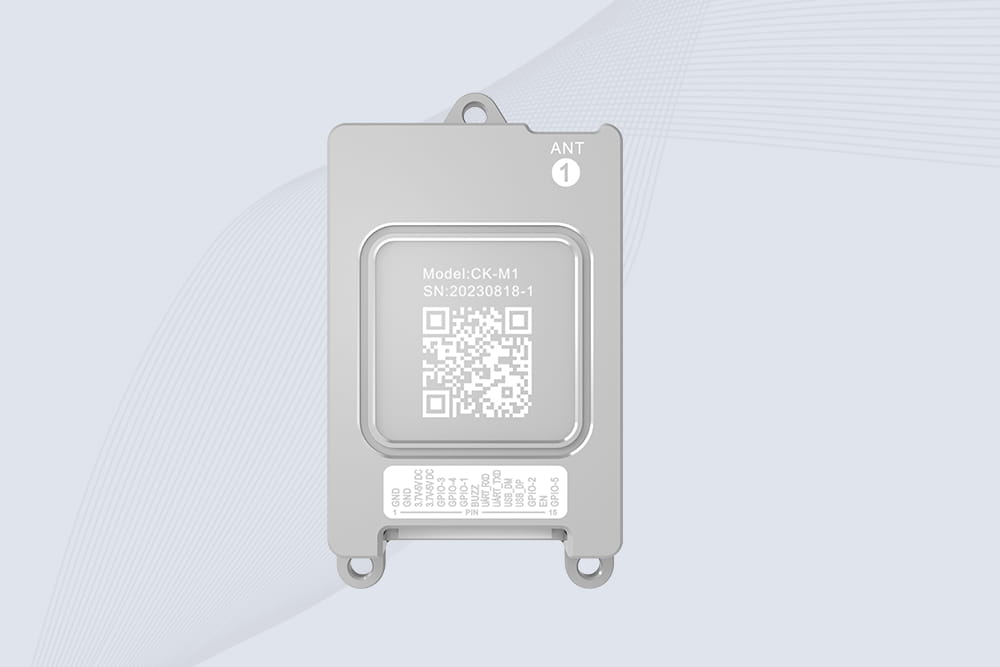
CYKEO CYKEO-M1 drone rfid module is a compact UHF RFID reader module designed for drones and UAV platforms. It supports long-range aerial scanning, fast multi-tag reading, and stable performance in wind, vibration, and outdoor environments.
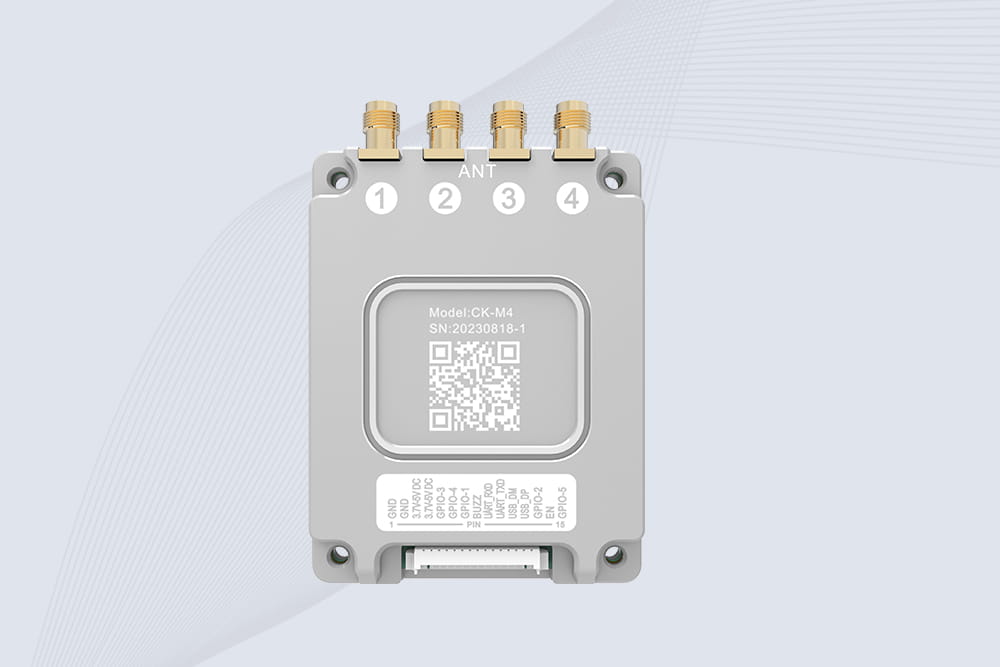
CYKEO CYKEO-M4 RC522 RFID Module is an industrial-grade UHF RFID reader with 4 ports, supporting ISO, EPC, and GB protocols. High-speed, accurate reading for IoT, automation, and warehouse applications.
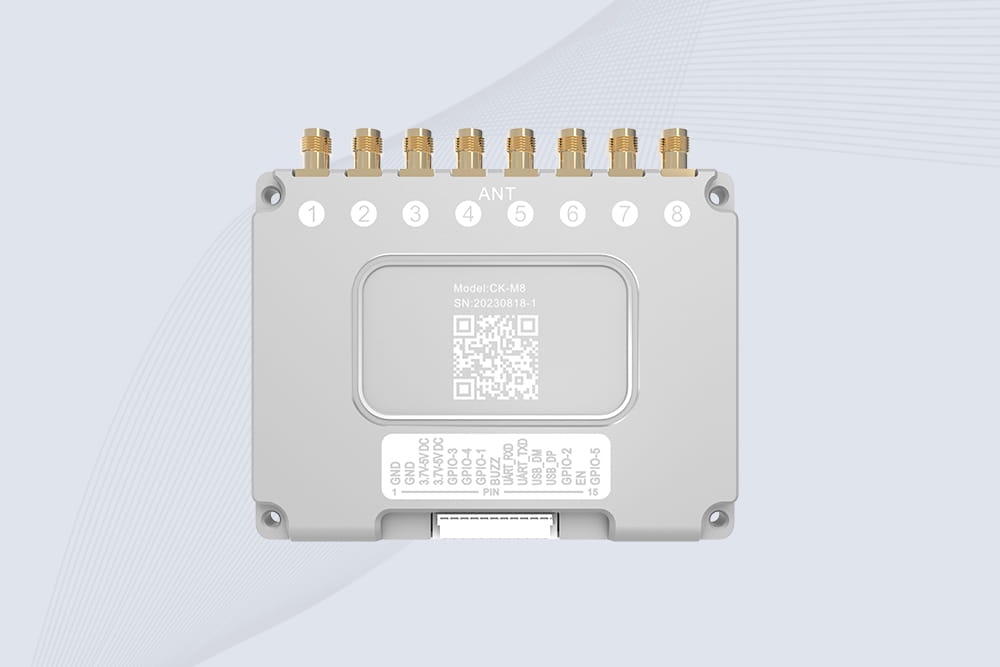
CYKEO CYKEO-M8 Module RFID is an 8-port UHF R2000 RFID Module designed for high-density, multi-tag environments. Stable 33dBm output, ISO & GB protocol support, ideal for warehouses, factories, and automated systems.
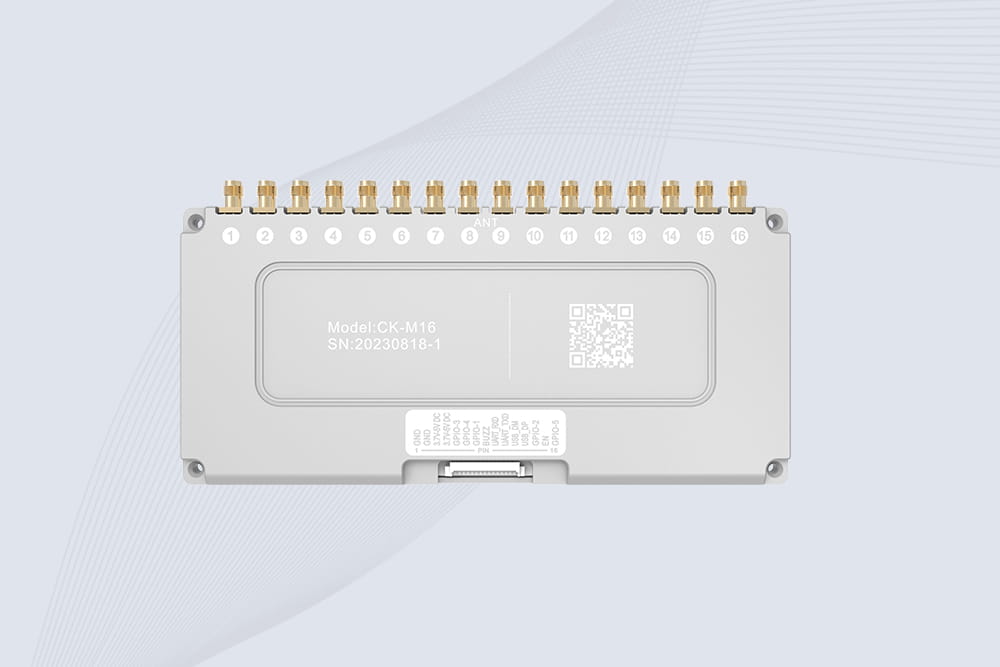
CYKEO CYKEO-M16 RFID Module is a 16-port UHF RFID reader module based on the R2000 chipset. Designed for dense tag environments, it supports ISO and GB standards and delivers stable multi-antenna control for industrial automation.
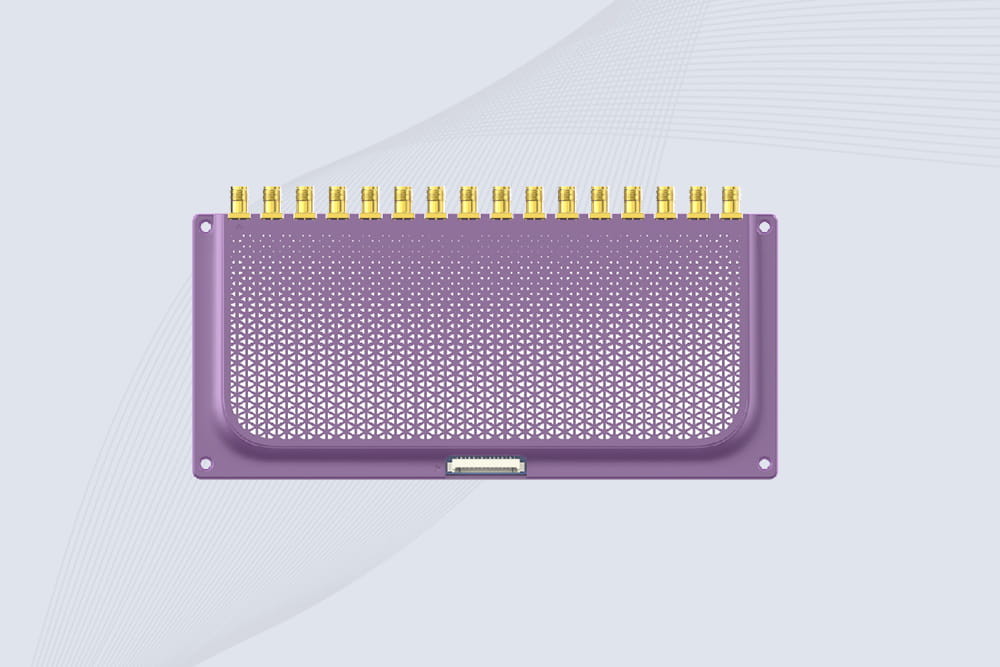
The CYKEO CYKEO-M16L RFID Reader Module is a 16-channel UHF RFID core designed for dense tag environments. With adjustable 33dBm output, multi-protocol support, and stable multi-antenna control, this RFID Tag Reader Module fits industrial automation, warehouse systems, and large-scale IoT deployments.
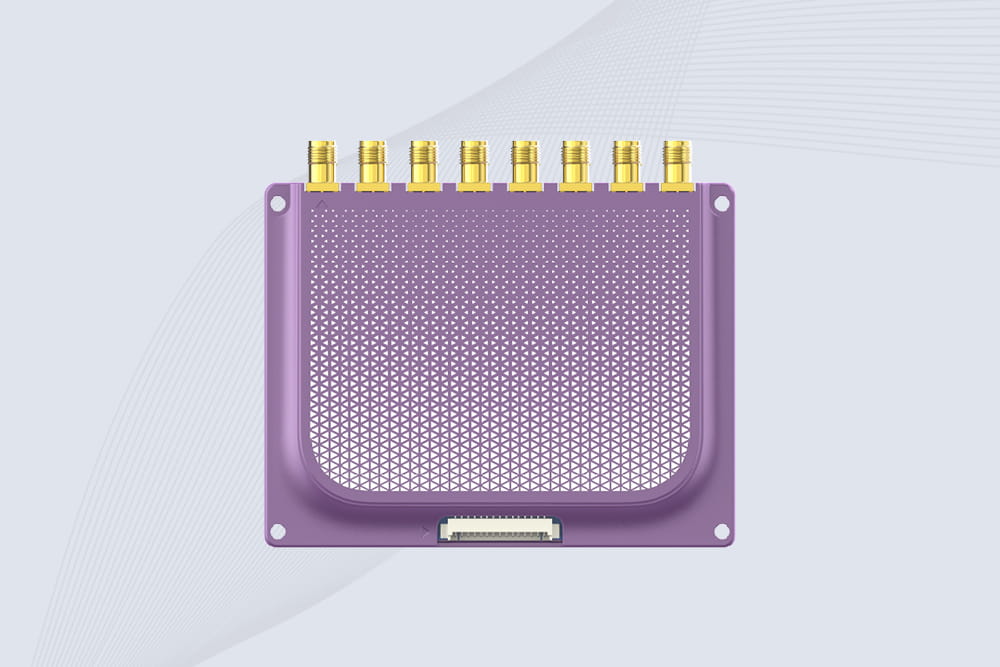
CYKEO CYKEO-M8L module RFID is a compact industrial UHF module built for dense tag and multi-antenna environments. With 8 RF ports, adjustable 33 dBm output, and ISO & GB protocol support, it is widely used in factories, warehouses, and automated tracking systems.
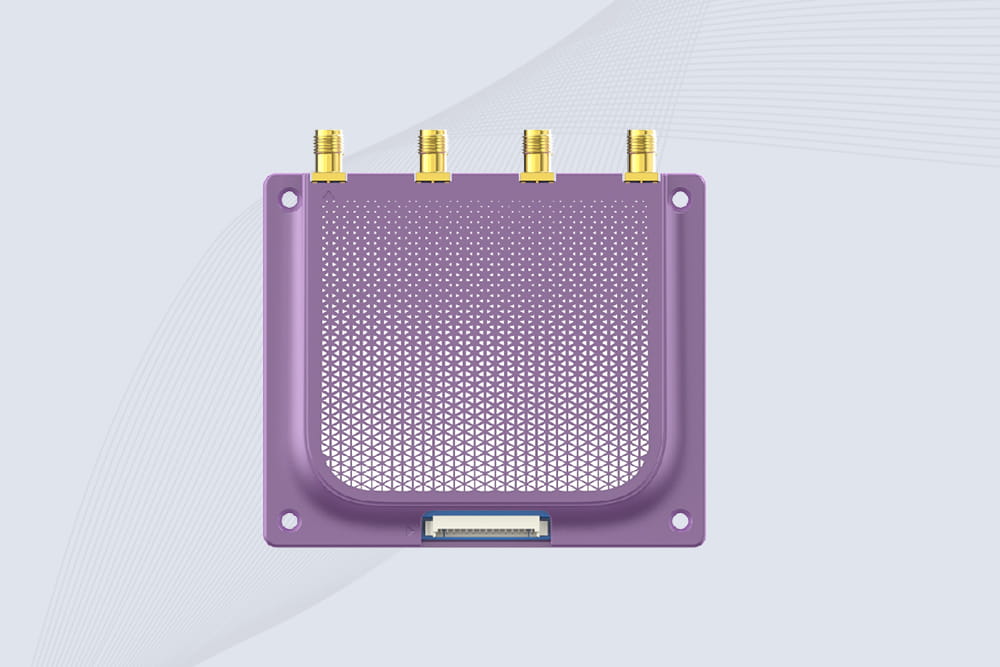
CYKEOCYKEO-M4L UHF RFID Module is a compact 4-channel RFID tag reader module designed for dense tag environments. Supporting ISO and GB protocols, it delivers stable reads up to 10 meters for industrial and IoT systems.
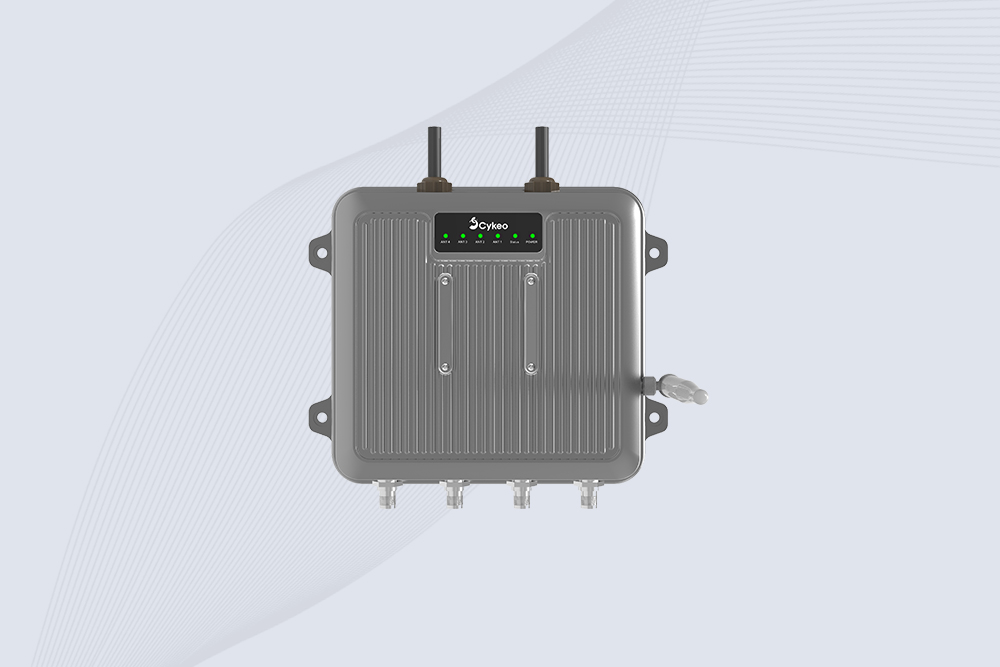
Cykeo CYKEO-C1 industrial Forklift RFID Reader features 20m read range, 600 tags/sec scanning, Impinj R2000 chipset, and IP67 rugged design. Ideal for warehouse logistics and manufacturing. Supports ISO 18000-6C/6B protocols.
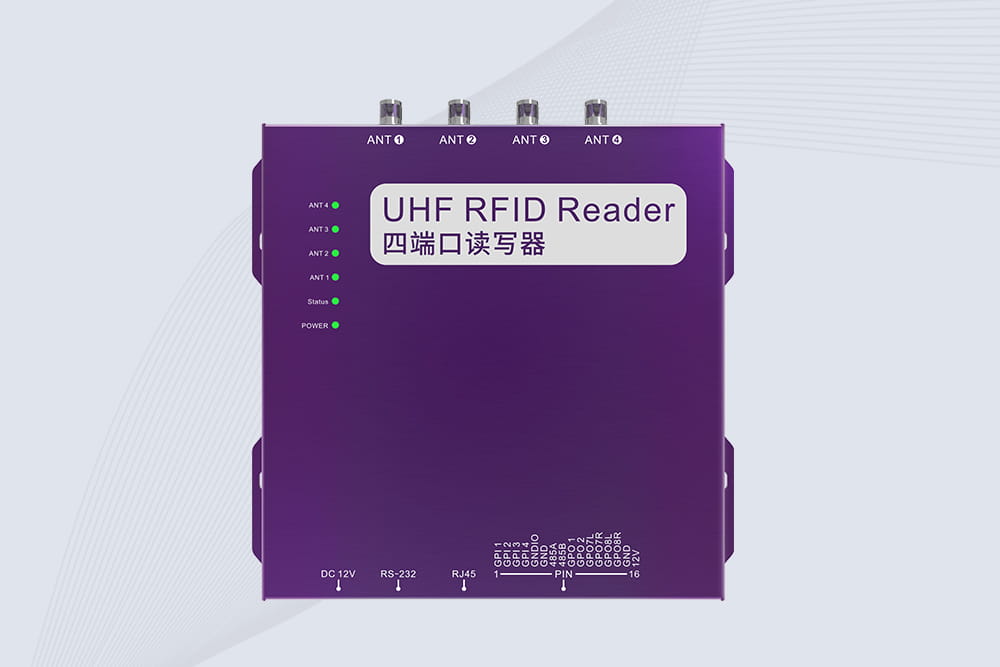
Cykeo CYKEO-R4 industrial UHF RFID Fixed Reader features 4 TNC ports, 400+ tags/sec speed, IP67 housing, and global frequency compliance for vehicle inspection, smart warehouse, and asset management systems.
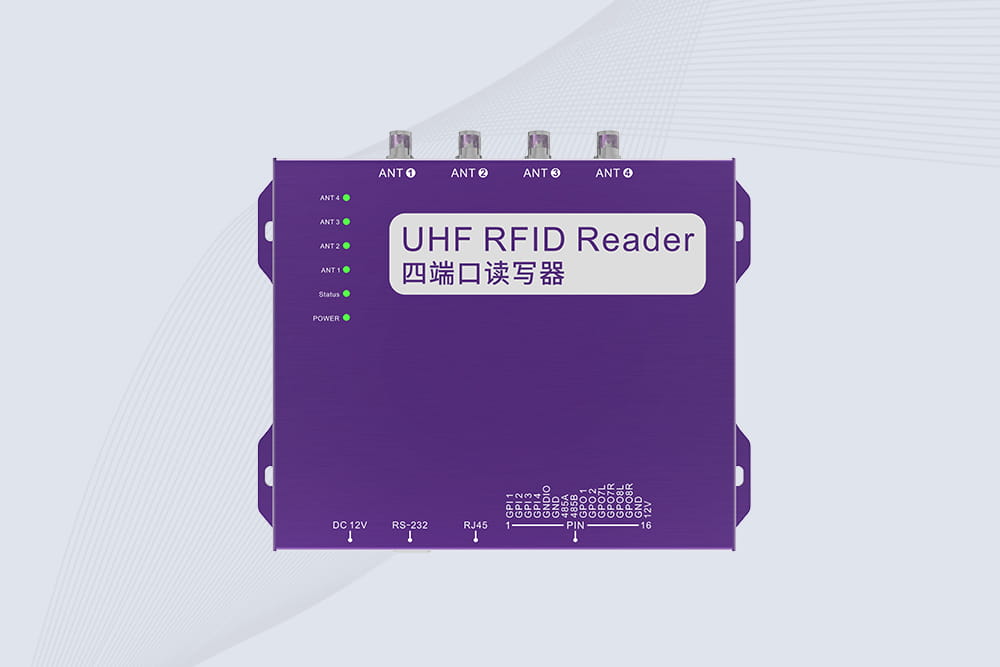
Cykeo’s CYKEO-R4L 4-port Fixed UHF RFID Reader delivers 400 tags/sec scanning, ISO 18000-6C compliance, and IP65 protection. Ideal for warehouse automation, manufacturing WIP tracking, and logistics management.
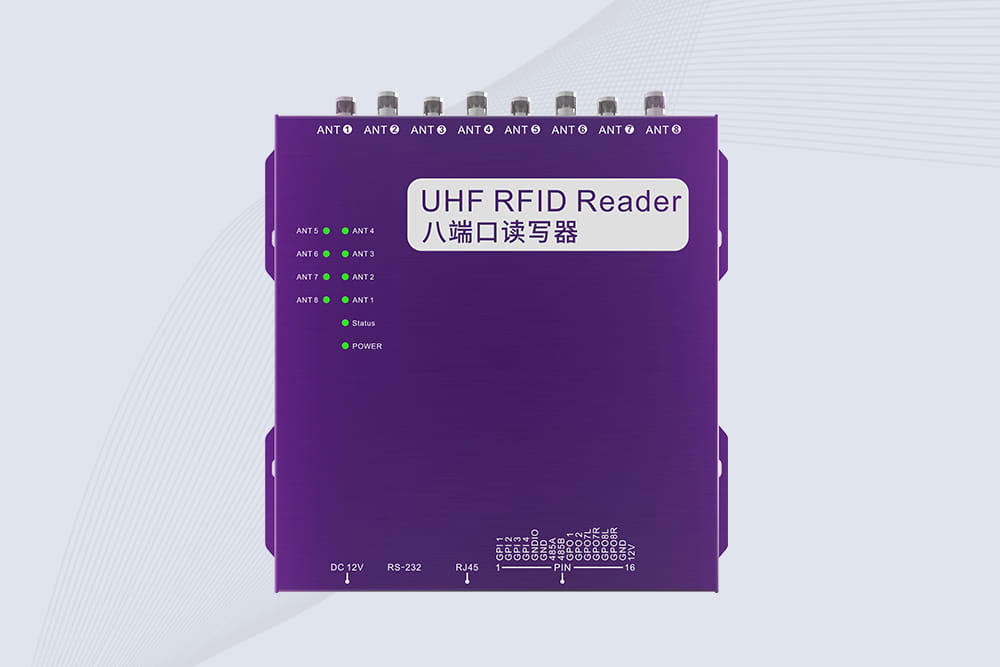
CYKEO CYKEO-R8L Fixed RFID Reader with 8-port UHF design, Impinj-based RF core and up to 20m read range. An industrial Fixed RFID Reader for vehicle inspection, warehouse portals, smart manufacturing lines and secure access checkpoints.
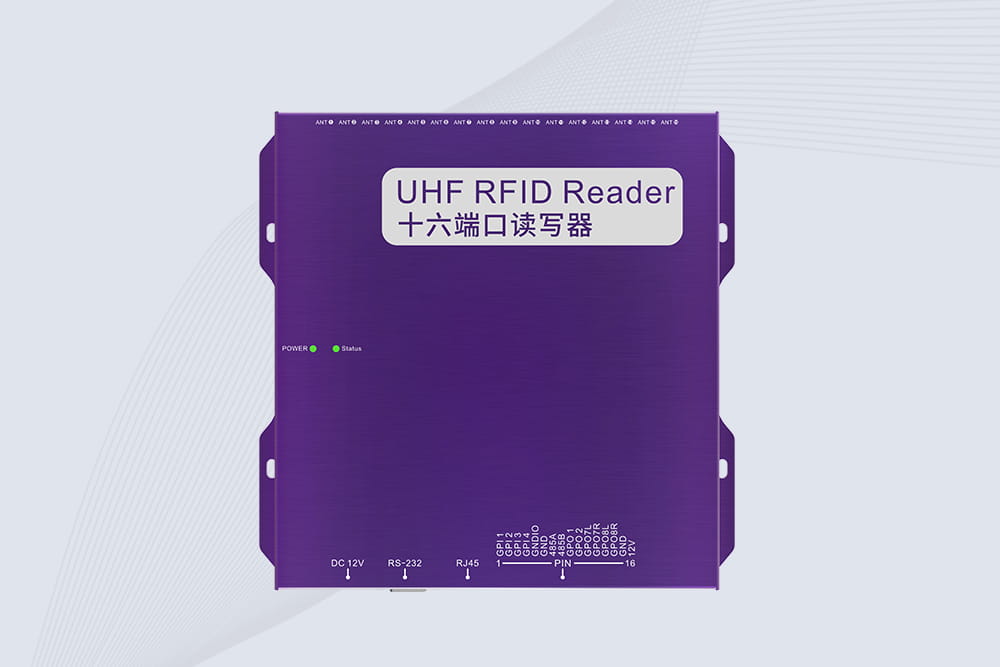
RFID Fixed Reader from CYKEO – the CYKEO-R16L 16-port UHF fixed reader for warehouses, smart cabinets, and production lines. Long-range, multi-tag reading, stable performance for 24/7 industrial use.

Need to fix weak reads? Learn how to tune RFID antenna for better performance, when to adjust settings vs. hardware, and when to call a professional.
More
Got a single RC522 module? Learn what to do with RC522 RFID module 1pc. We cover real first-step projects like a simple lock or logger to get you started.
More
Learn how to select the best handheld RFID reader for warehouse inventory management. Compare UHF range, durability, software integration, and budget-friendly options.
More
Chipless RFID tags support customization in shape, material, and printing, suitable for packaging, anti-counterfeiting, and traceability. This article details OEM customization options including printed patterns, inkjet codes, embossing, and color...
More