 Cykeo RFID IoT Solution Products R&D Manufacturer

How to Program an RFID Reader: It’s Not What You Think
127Learn what it truly means to program an RFID reader. Our guide covers configuration, software integration, and the realities of custom firmware development.
MoreAll RFID Product
An RFID (Radio-Frequency Identification) card for electric car charging is a secure, contactless tool that authenticates users, grants access to charging stations, and automates billing. These cards simplify the charging process while ensuring data privacy and system integrity. Here’s how they work and why they’re essential for EV infrastructure.
| Feature | RFID Card | Mobile App |
|---|---|---|
| Ease of Use | Tap-and-go, no connectivity | Requires smartphone and signal |
| Accessibility | Ideal for all age groups | Tech-savvy users only |
| Failure Risk | Waterproof, durable | App crashes, dead batteries |
A European charging network reduced authentication times by 50% using Cykeo’s RFID Tags cards, serving 10,000+ EV drivers monthly with 99.9% uptime.
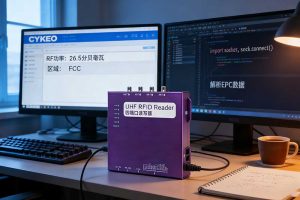
Learn what it truly means to program an RFID reader. Our guide covers configuration, software integration, and the realities of custom firmware development.
More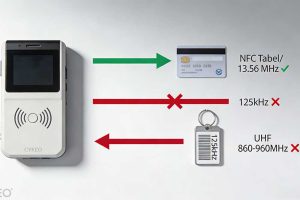
Need to know if an NFC reader can read RFID tags? We explain the technical relationship, what actually works, and when you need different hardware.
More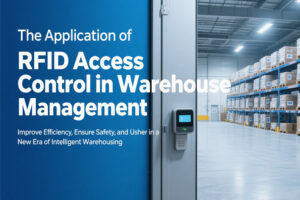
This article deeply explores how RFID gate access technology is revolutionizing warehouse management by significantly improving goods throughput efficiency, inventory accuracy, and warehouse security. Combining real-world cases and technical insig...
More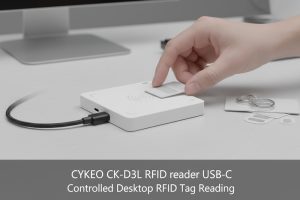
CYKEO RFID reader USB-C designed for developers and system integrators. This USB-C RFID reader supports tag reading, writing, and conversion, connects directly to PC software, and integrates easily with custom RFID management systems.
More