 Cykeo RFID IoT Solution Products R&D Manufacturer
Fixed RFID Readers: What I Didn’t Expect and What I Learned
334Understand fixed RFID readers in asset tracking, production,warehouse management,how to select the best RFID readers,RFID signal issues .
MoreAll RFID Product
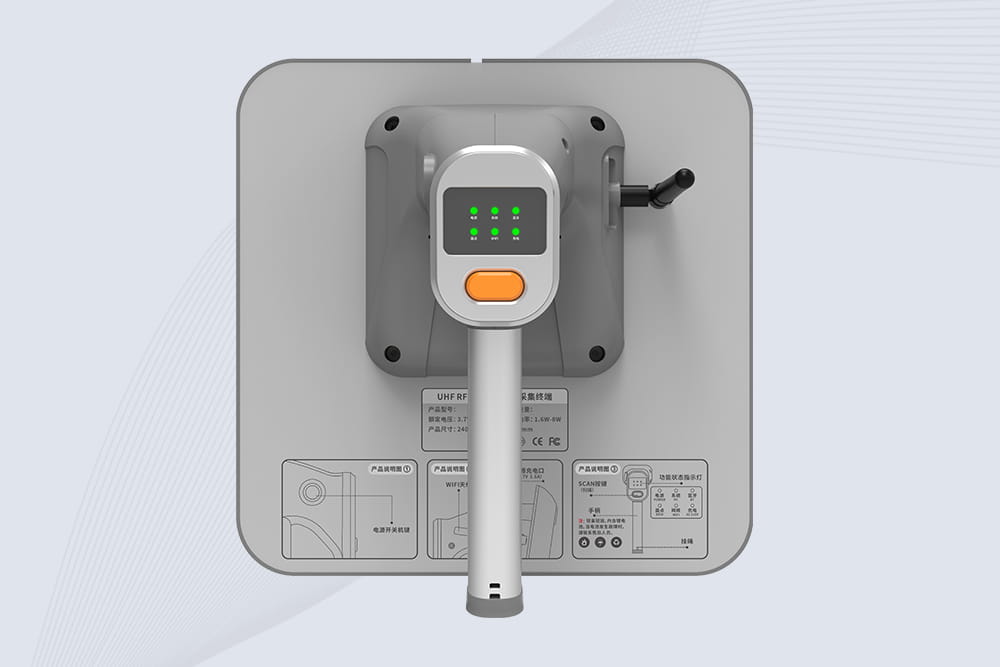
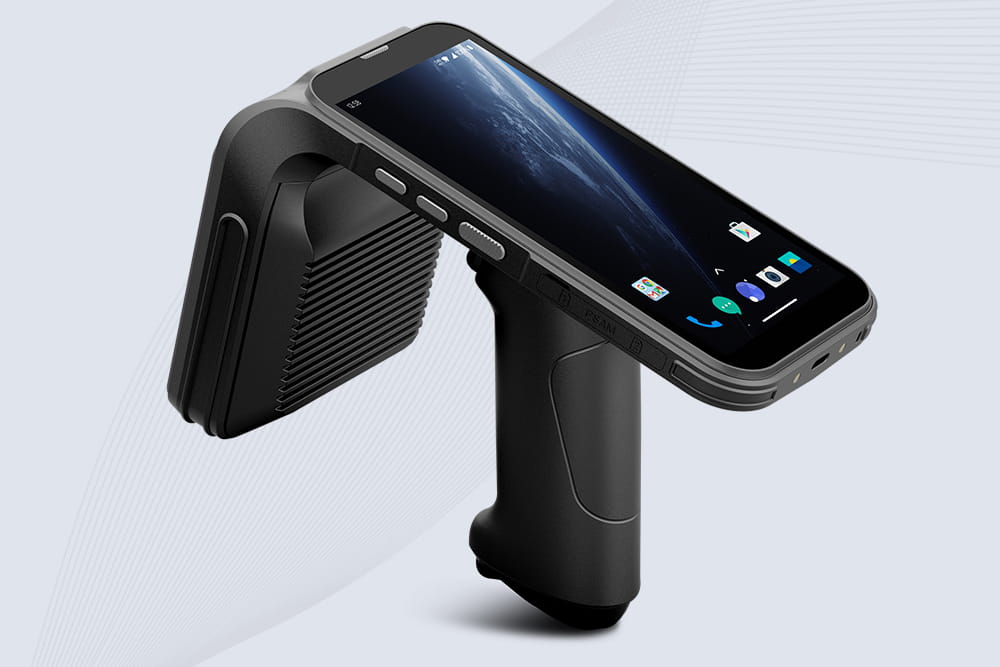
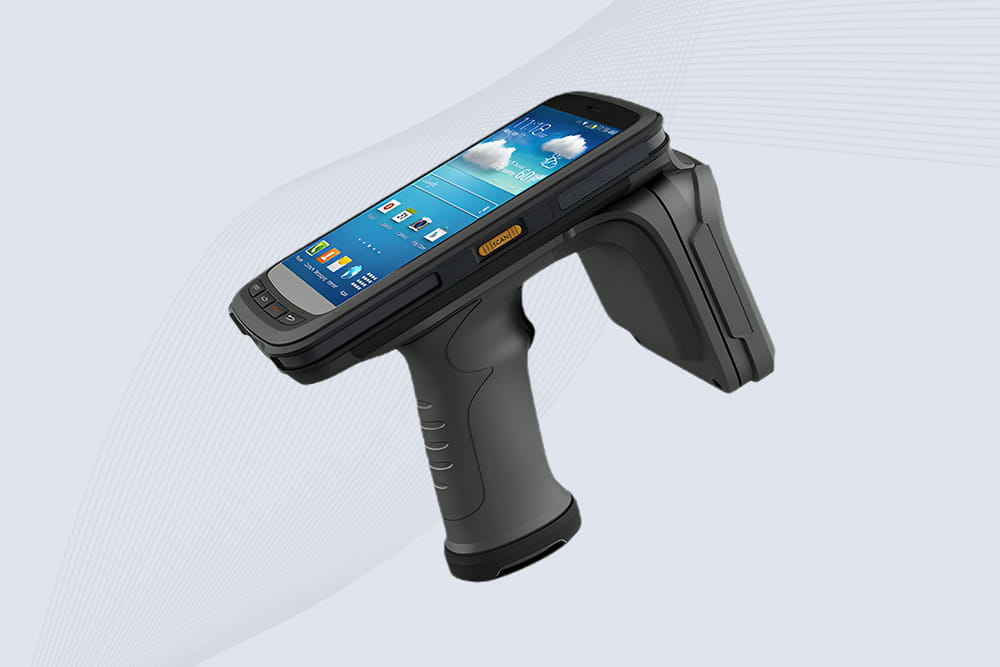
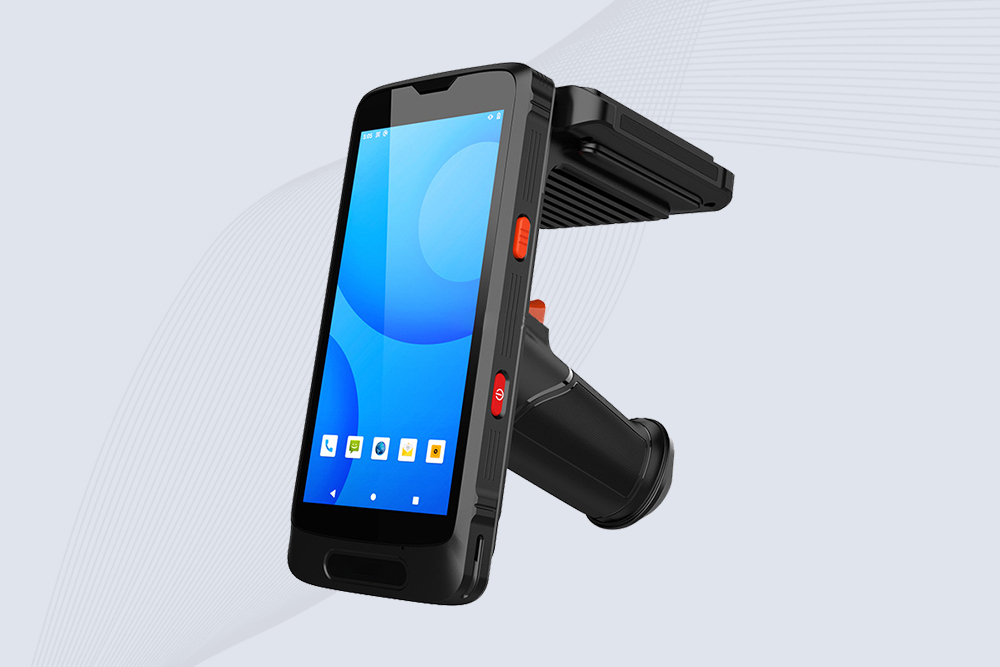
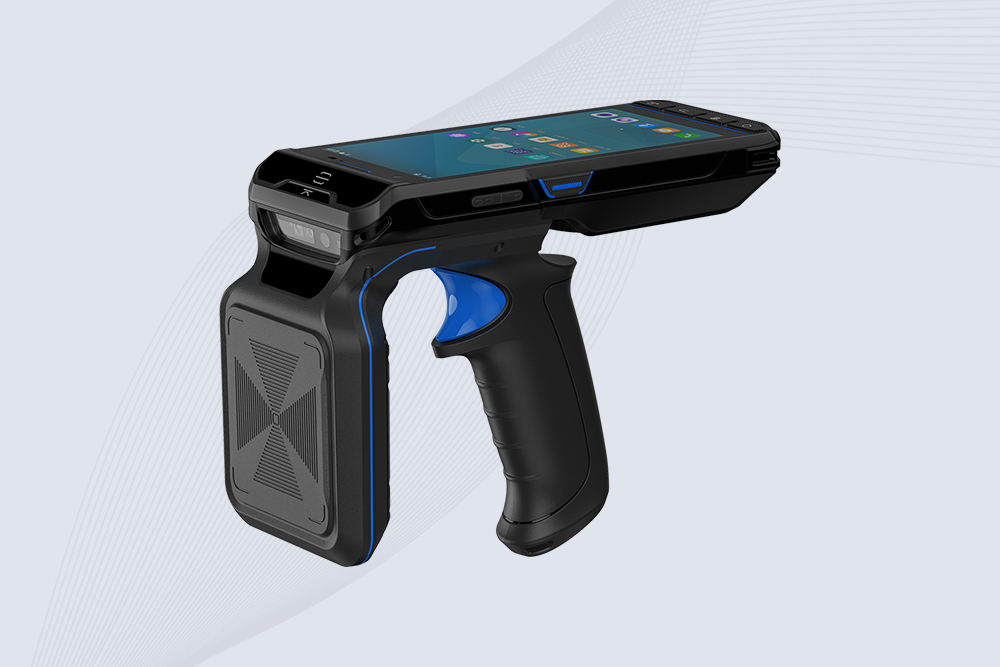
If you’ve used a clunky, front-heavy UHF handheld reader for a full shift, you know the wrist fatigue is real. Often, the culprit isn’t the battery or the casing—it’s the antenna hidden inside. Most are adapted from fixed reader designs, leading to a poor balance of size, weight, and performance. That’s the problem our team set out to solve with a novel CP antenna for UHF RFID handheld reader. This isn’t just about making a smaller part; it’s about rethinking the core component to make the entire tool better for the person using it.
The handheld UHF reader antenna design challenges are specific. You need Circular Polarization (CP) to read tags at any orientation, which typically requires a larger antenna structure. You need wide bandwidth to cover global frequencies (865-928 MHz). And critically, you need it all to fit into a slim, balanced housing that won’t cause fatigue. Traditional patch antennas are often too thick and heavy, forcing compromises that hurt either ergonomics or read range.
Our approach was to stop adapting and start designing for the hand from the ground up. The “novel” in our CP antenna refers to its internal geometry—we moved beyond the standard square patch. By employing a carefully engineered, asymmetric feeding network and a uniquely shaped radiating element, we managed to create a stable, wideband circular polarization field within a significantly slimmer and lighter profile.
The result of this integrated design is an antenna that feels different in use. The primary benefit is ergonomic handheld reader antenna design. By reducing weight and bulk at the front end, the reader’s center of gravity shifts back toward the grip. This might sound minor, but for a worker scanning thousands of items a day, it reduces strain dramatically, leading to fewer errors and less fatigue.
Performance doesn’t suffer for this comfort. The wideband CP antenna for handheld design ensures consistent read rates whether you’re in Europe or North America, and whether the tag is lying flat, standing on its edge, or at a random angle in a bin. This reliability translates directly to improving handheld reader performance CYKEO users report—fewer missed scans, less rework, and faster inventory cycles.
This innovation isn’t for every application, but it excels where the tool is an extension of the worker:
When evaluating handhelds, ask about the antenna. Is it a proprietary design built for the form factor, or an off-the-shelf component crammed inside? Request a demo unit and actually walk your facility with it. Feel the balance. Test it on your hardest-to-read tags—those on metal assets or buried in mixed cartons.
The development of a novel CP antenna for UHF RFID handheld reader was driven by a simple observation: the best technology fails if the human interface is poor. By starting with the antenna, we built performance into a design that respects the user, proving that the most critical component is often the one you never see, but always feel.

Understand fixed RFID readers in asset tracking, production,warehouse management,how to select the best RFID readers,RFID signal issues .
More
Discover the essential features of a warehouse-ready RFID reader—durability, long-range scanning, and anti-interference. Learn how Cykeo’s solutions optimize inventory accuracy.
More
Discover how RFID technology improves patient safety, asset tracking, and medication management in healthcare. Learn about Cykeo’s compliant RFID solutions for hospitals.
More
Explore the latest trends in RFID technology for retail, including smart inventory, contactless checkout, and sustainability. Learn how Cykeo drives retail innovation.
More