 Cykeo RFID IoT Solution Products R&D Manufacturer
Can NFC/UHF Enabled RFID Work with Your iPhone?
823Discover if iPhones support NFC/UHF enabled RFID. See how Bluetooth readers like Cykeo's solution unlock warehouse scanning and access control.
MoreAll RFID Product
Honestly, this question pops up everywhere now — offices, training centers, schools, even gyms:
“Is it time to move to an RFID attendance system?”
Let me give you the short version first:
If all you want is a simple, reliable way to stop dealing with messy sign-in sheets — without diving into complicated face recognition setups — RFID is probably the easiest win you’ll ever get.
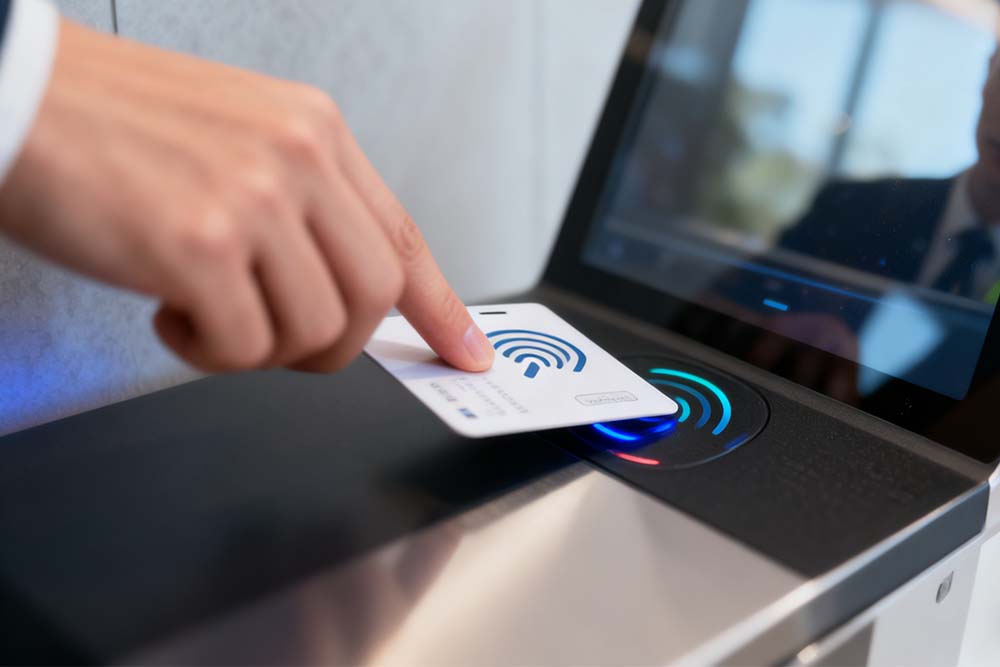
Think of it as a “tap-and-done” check-in system.
Everyone gets an RFID card or key fob. Inside it is a tiny chip with a unique ID.
When someone walks past or taps the reader, the system grabs that ID instantly and logs the timestamp. No buttons, no QR codes, no staring awkwardly into a camera.
It works just like a door access card — but with an attendance backend that automatically calculates working hours, presence records, reports, all that boring stuff nobody wants to do manually.
After dealing with real use cases, the reasons are pretty down-to-earth:
If you’ve ever seen the classic DIY builds (ESP8266 or ESP32 + MFRC522 + Google Sheets), you know how easy it is to create your own workflow: card UID + timestamp → database → done.
This part matters, because sugar-coating tech is how people get burned later.
The biggest problem? People can “buddy punch.”
You give someone your card, they tap it for you, and the system thinks you’re there.
If your environment already has a “who’s gonna help me clock in today” culture… RFID alone won’t fix it.
Other real-world issues:
RFID works great in places where people simply want a clean, efficient system — not a forensic identity check.
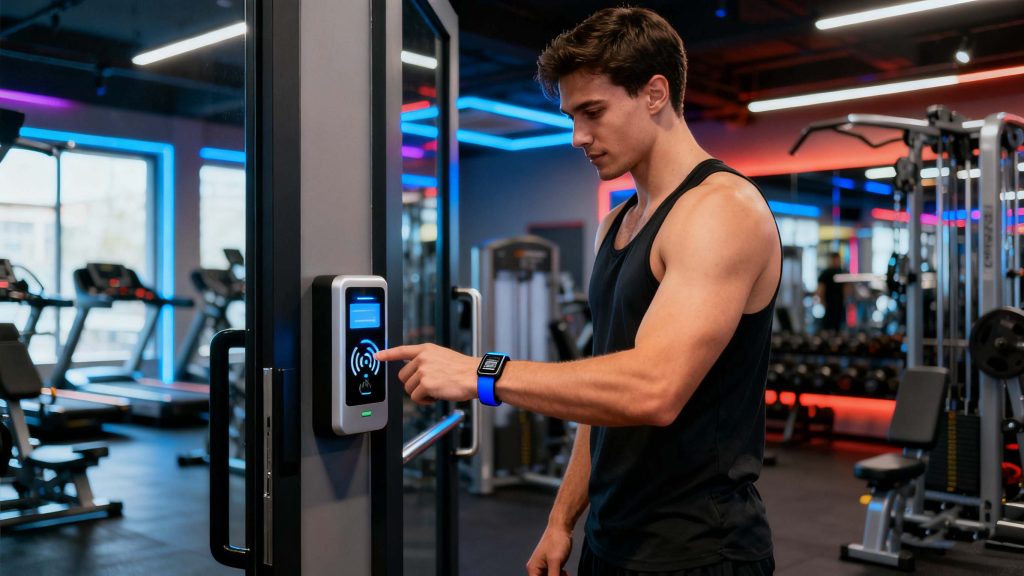
From everything I’ve seen, the perfect fits are:
Not the best choice for:
DIY is fun — but don’t ignore the boring parts.
Reader stability, network drops, UID reading errors… they all matter.
For commercial systems, always check:
Hardware is never the real value — the software is what makes or breaks an attendance system.
RFID attendance is like a good, simple lock.
If your priority is efficiency, low cost, and “I just want attendance handled without stress,” then RFID hits the sweet spot.
If you absolutely must verify someone’s identity with high accuracy — you’ll either need an extra verification step or a different system altogether.
But for everyday attendance tracking?
It’s honestly one of the best, most practical solutions out there.

Cykeo’s CYKEO-T1D industrial RFID ceiling reader features 500 tags/sec scanning, IP54 protection, and -20℃~60℃ operation for retail/warehouse security. Supports ISO18000-6C and GB/T29768 protocols.
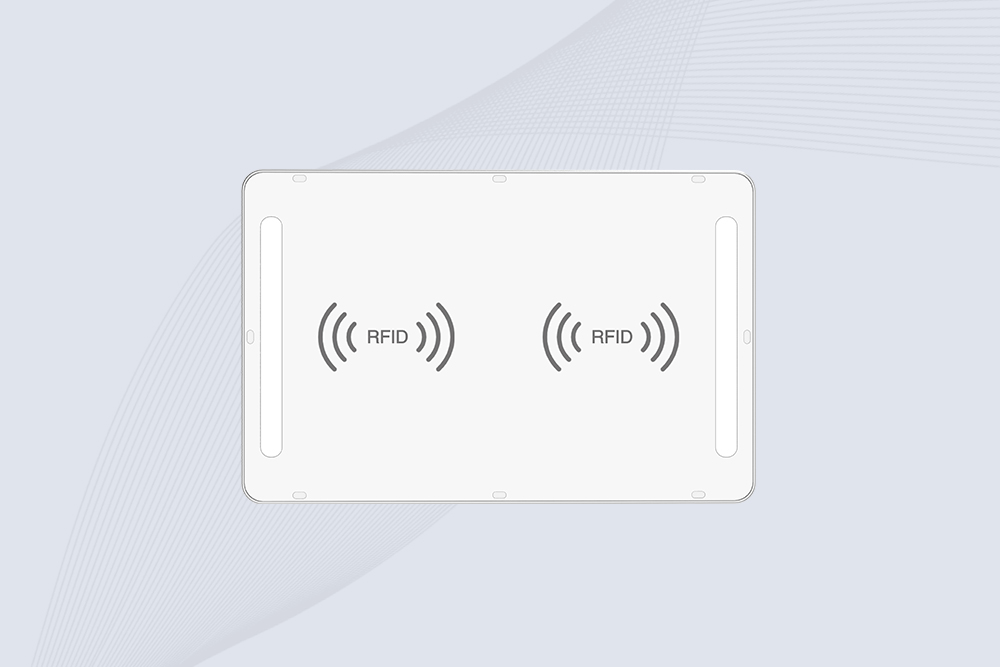
Cykeo’s ceiling-mounted RFID reader enables hands-free 5m inventory tracking with 500 tags/min speed. Features dual alerts, ERP integration, and IP54 rating for warehouse security.
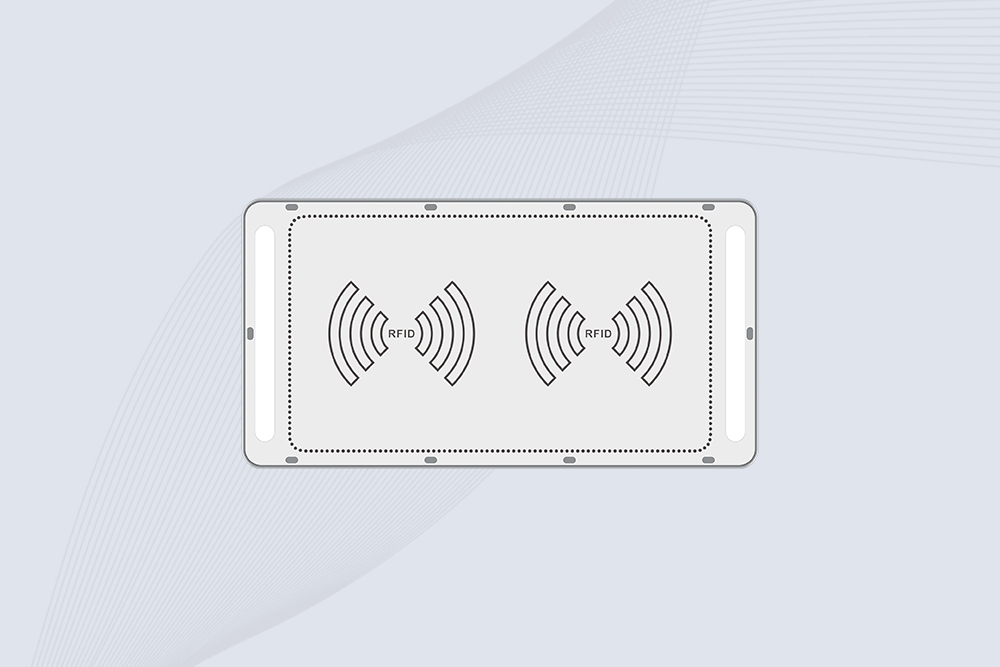
Cykeo CK-T1E RFID gate system features 120° coverage, AI motion filtering, and 5m detection for retail/warehouse security. IP67 rugged design with ERP integration.
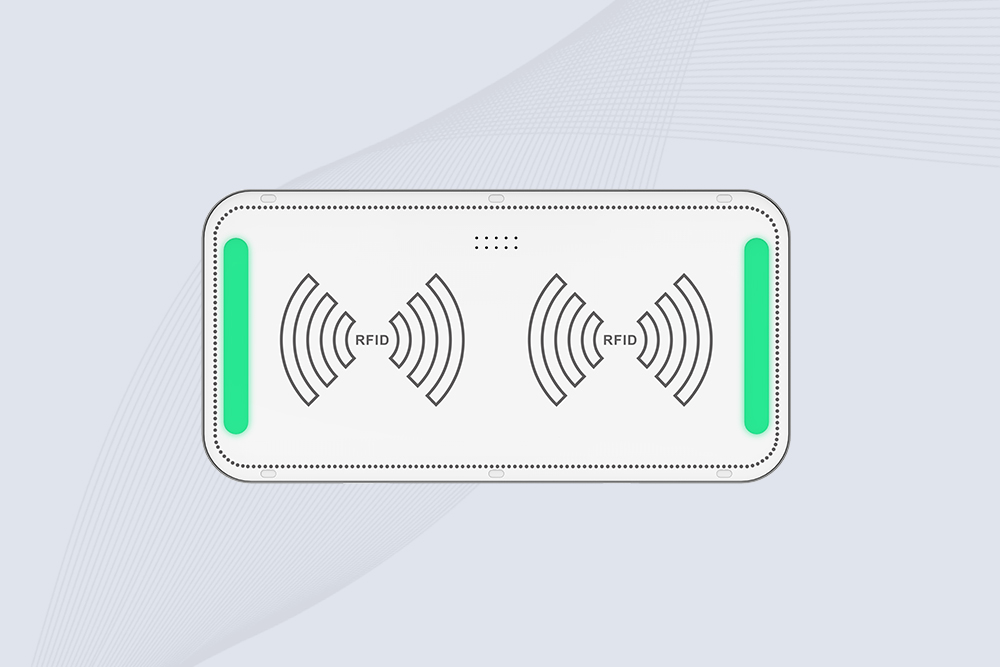
Cykeo CYKEO-T1A industrial ceiling RFID system offers 10-20m read range, 500+ tags/sec speed, and IP65 protection for smart warehousing. Supports multi-protocol integration and real-time inventory alerts.
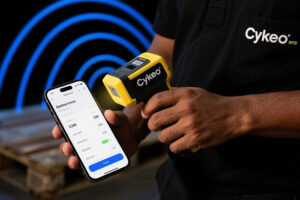
Discover if iPhones support NFC/UHF enabled RFID. See how Bluetooth readers like Cykeo's solution unlock warehouse scanning and access control.
More
Discover the average battery life of handheld RFID scanners and factors that impact longevity. Learn how Cykeo’s solutions optimize power for all-day use.
More
Master RFID antenna installation in industrial settings with expert tips on placement, interference mitigation, and durability. Ensure optimal performance for warehouses and factories.
More
Learn proven methods to achieve 30+ meter read ranges with UHF RFID readers. Discover Cykeo’s solutions for long-range tracking in logistics, mining, and large-scale facilities.
More