 Cykeo RFID IoT Solution Products R&D Manufacturer

Can Handheld RFID Scanners Read Tags Through Walls or Metal?
1017Discover whether handheld RFID scanners can read tags through walls or metal barriers. Learn how Cykeo’s technology tackles signal challenges.
MoreAll RFID Product
In many RFID projects, the hardest part is not the tag or the reader itself.
It’s the software connection in between.
If you are building a warehouse system, a library checkout platform, a tool tracking application, or any kind of internal management software, you probably don’t want a bulky reader or a complicated industrial device sitting on a desk. You want something small, predictable, and easy to talk to from your own code. That is exactly where the CYKEO CK-D1L RFID USB scanner fits in.
This device was designed from day one for software developers, not just end users.
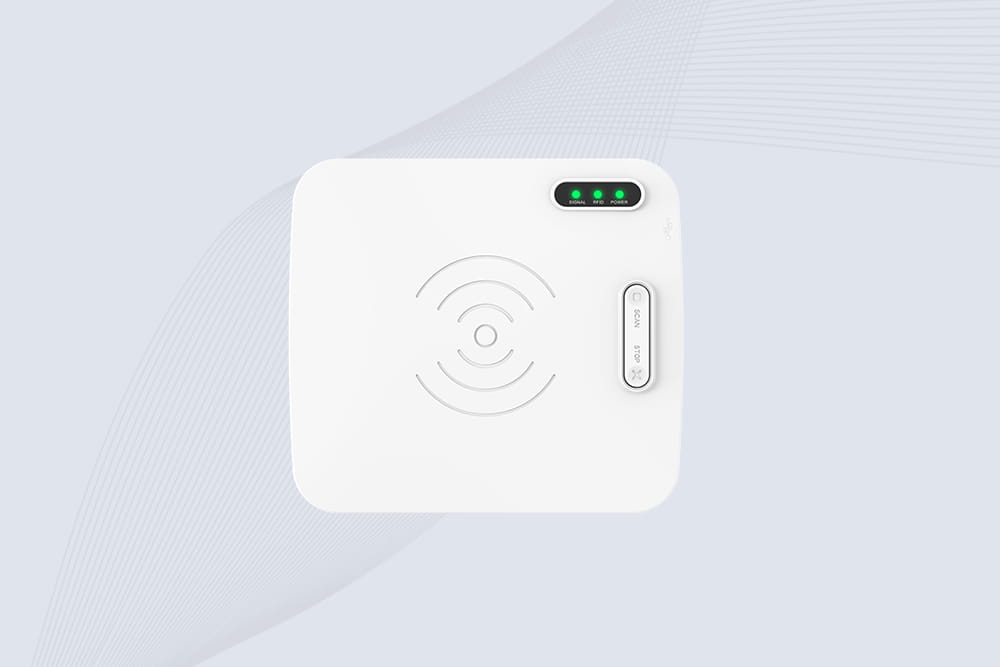
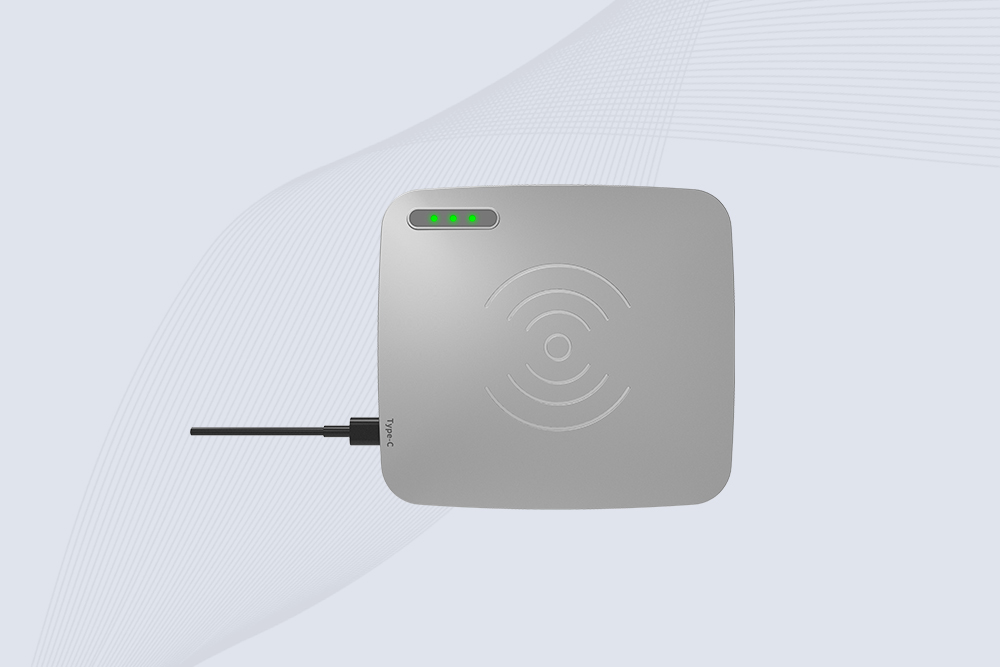
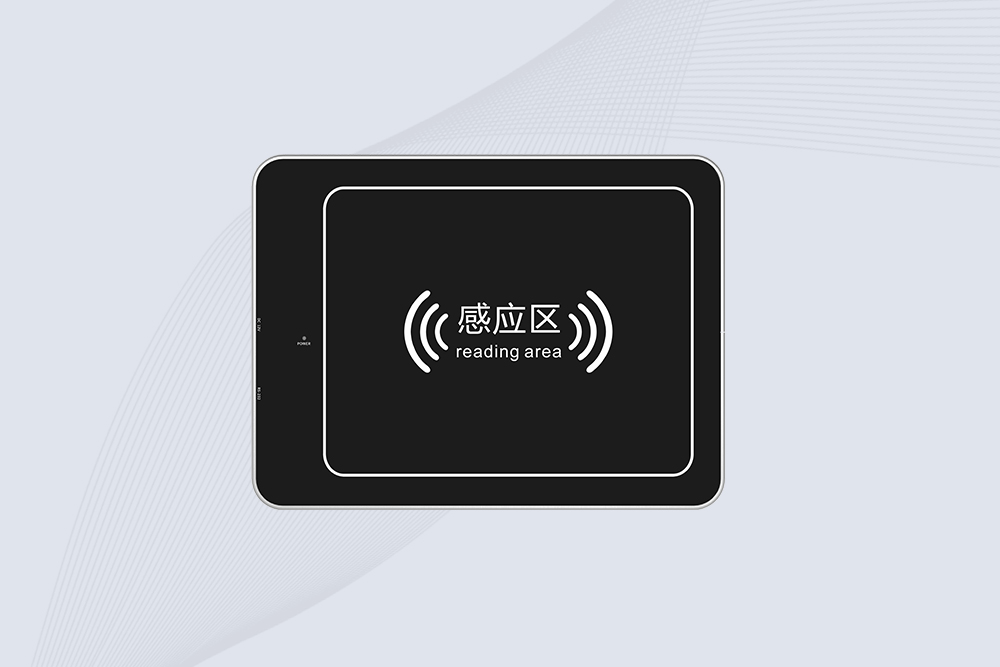
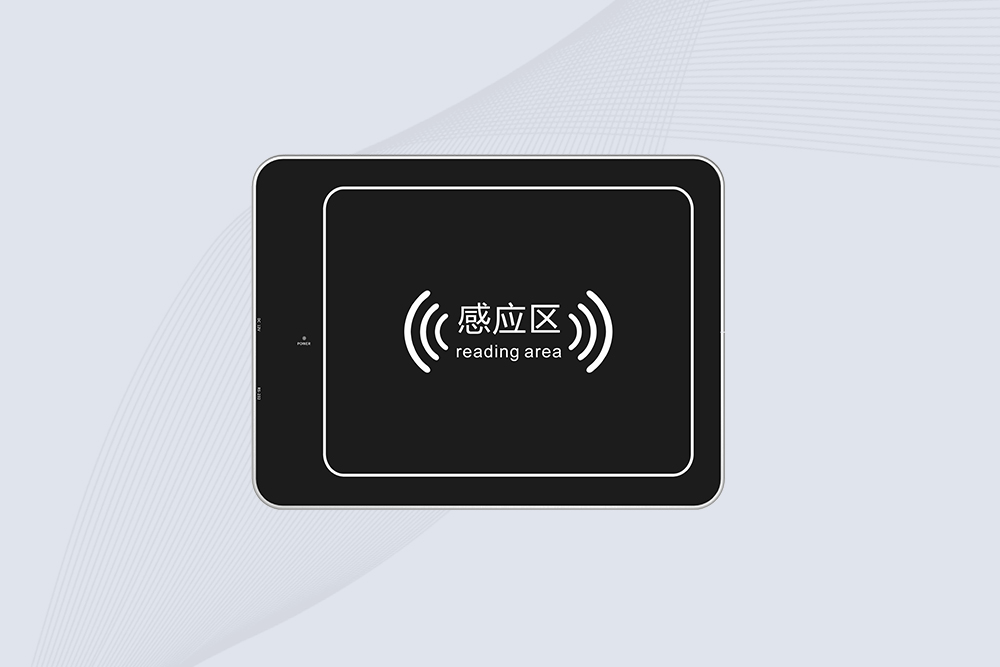
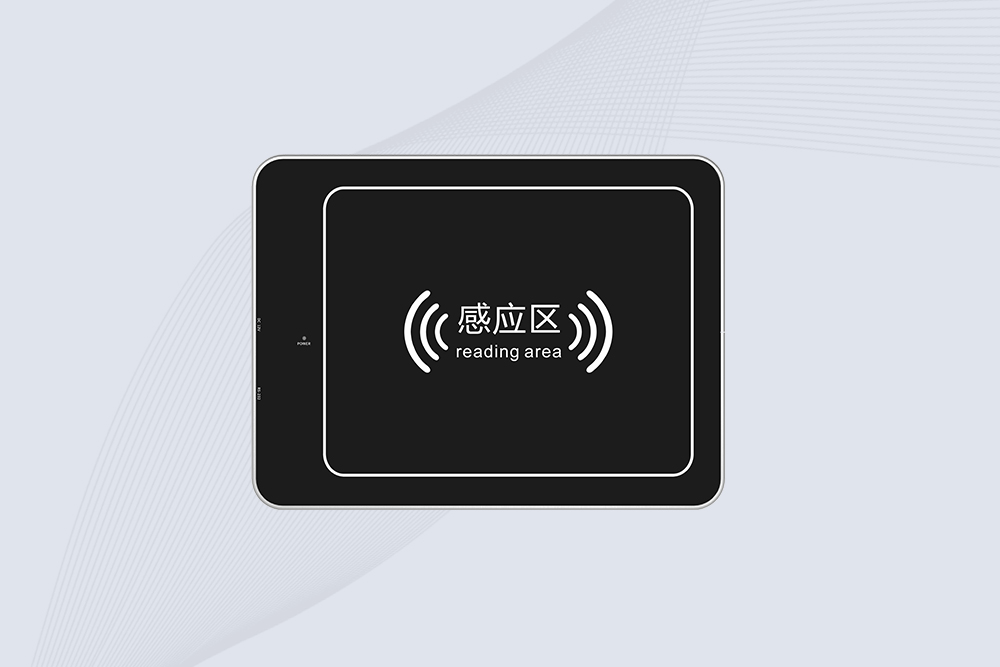
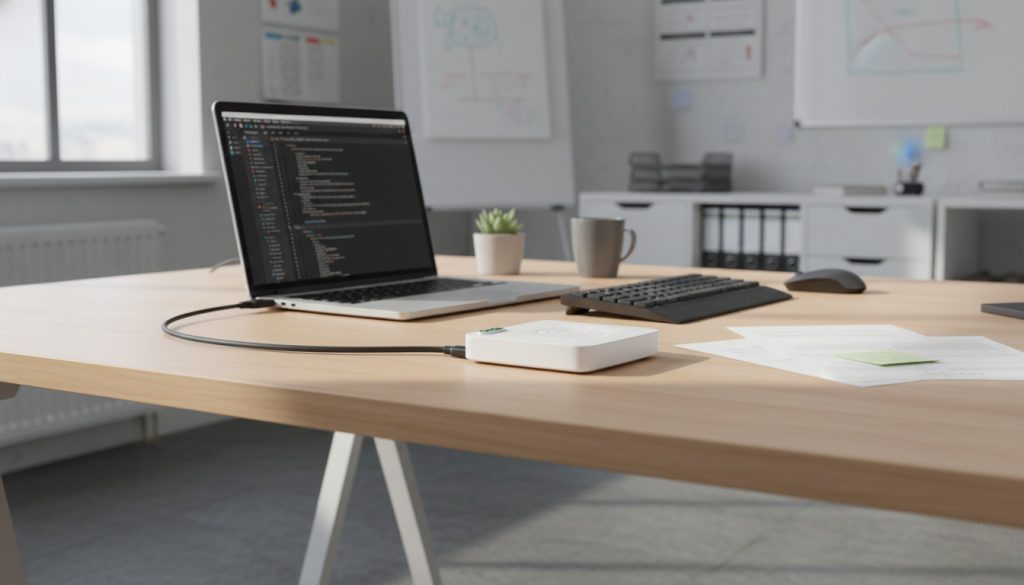
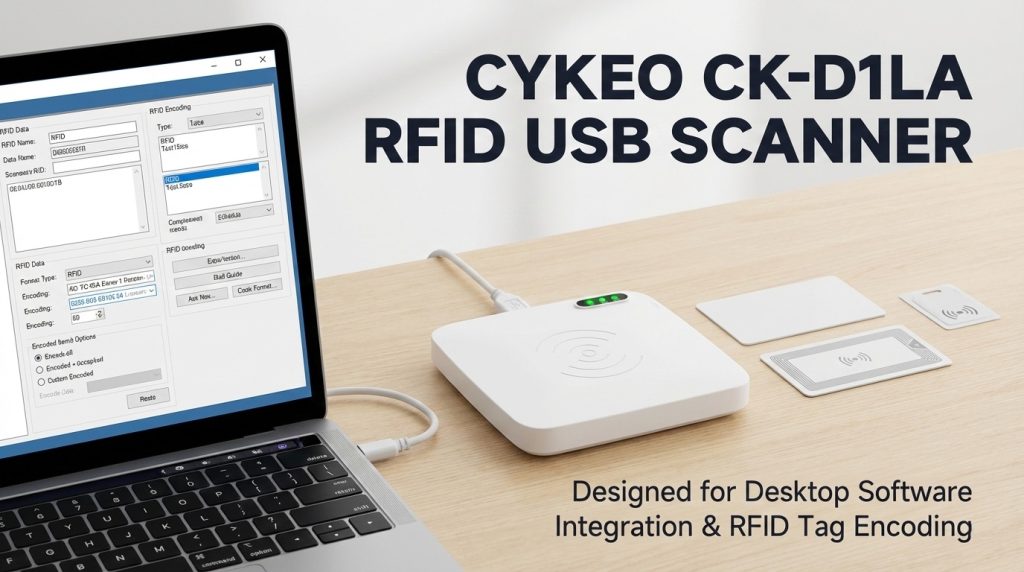
The CK-D1L is a compact USB RFID scanner that connects directly to a computer through a USB Type-C cable. No network setup. No power adapter. No background services you have to fight with.
Plug it in, launch the demo software, and it’s ready.
Because it uses a near-field antenna, the read and write range stays tightly controlled. In real use, this matters more than people think. You don’t want the reader grabbing the wrong tag when you’re issuing cards or initializing labels. With the CK-D1L, reading stays within about 30 cm, and writing stays within 10 cm, which keeps operations clean and predictable.
From a software point of view, RFID errors usually don’t come from the code. They come from unexpected tag reads.
The CK-D1L avoids that by design. The near-field antenna keeps things local. When your application sends a write command, the reader doesn’t guess. It writes to the tag placed in front of it. That’s it.
This makes the device especially useful for:
We’ve seen many RFID devices ship with demo tools that are either too simple or too locked down. CK-D1L is different.
CYKEO provides ready-to-use demo software for reading and writing RFID tags, as well as C# and Java development resources. The demo is not just for testing hardware. It shows how tag data is structured, filtered, and returned to your system.
Most customers use the demo as a bridge. First, they test workflows. Then they integrate the same logic into their own software system.
Software teams working with RFID often face the same problems:
The CK-D1L solves these in very practical ways:
This is why many teams keep one on every developer’s desk.
Despite its size, the CK-D1L supports:
It weighs only 200 grams, which makes it easy to move between desks, offices, or demo rooms.
The real value of an RFID USB scanner is not how fast it reads tags, but how easily your system can use the data.
Once integrated, your application can:
This makes the CK-D1L a natural fit for custom software platforms, not just off-the-shelf tools.

The CK-D1L is built for people who write code, test systems, and deploy software:
If your software needs reliable RFID input without complexity, this device fits naturally into your workflow.
CYKEO doesn’t design hardware to impress on paper. The focus is on how the device behaves in daily use. The CK-D1L is quiet, stable, and predictable — exactly what developers want.
You plug it in.
You read a tag.
You write data.
Your software gets what it expects.
No surprises.

Discover whether handheld RFID scanners can read tags through walls or metal barriers. Learn how Cykeo’s technology tackles signal challenges.
More
Learn how to select the best handheld RFID reader for warehouse inventory management. Compare UHF range, durability, software integration, and budget-friendly options.
More
New to RFID? Our practical guide on how to use an RFID reader covers setup, scanning, configuration, and integrating tag data into your workflows with CYKEO systems.
More
RFID systems are rapidly replacing traditional barcode-based inventory control. This article explores five key applications of RFID in warehouse and logistics management, helping wholesalers and enterprises achieve efficient, low-error operations.
More