 Cykeo RFID IoT Solution Products R&D Manufacturer
RFID Tags in Industrial Applications:Beyond the Buzz
656Learn how RFID tags are reshaping industrial applications — from warehouse tracking to quality control. Practical insights, challenges, and lessons from real-world use cases.
MoreAll RFID Product
In apparel retail and garment management projects, rfid tags for garments are not just small identifiers attached to clothing. For RFID solution providers and system integrators, they are the physical foundation of inventory accuracy, process automation, and system reliability.
Choosing the wrong tag often leads to unstable reads, high replacement rates, or poor customer acceptance. That’s why successful apparel RFID projects usually start with a clear understanding of tag structure, materials, and attachment methods, rather than jumping straight into reader or software selection.
A practical reference for this stage is this guide on how to choose the right RFID tag for clothing, including materials, packaging, and attachment considerations. It outlines many of the real-world constraints integrators face during deployment.
Garment RFID tagging comes with challenges that are rarely seen in logistics or asset tracking projects:
Because of this, solution providers usually begin by reviewing a full portfolio of RFID tags for garments and apparel applications, then narrowing down options based on fabric type, lifecycle requirements, and system-level performance expectations.
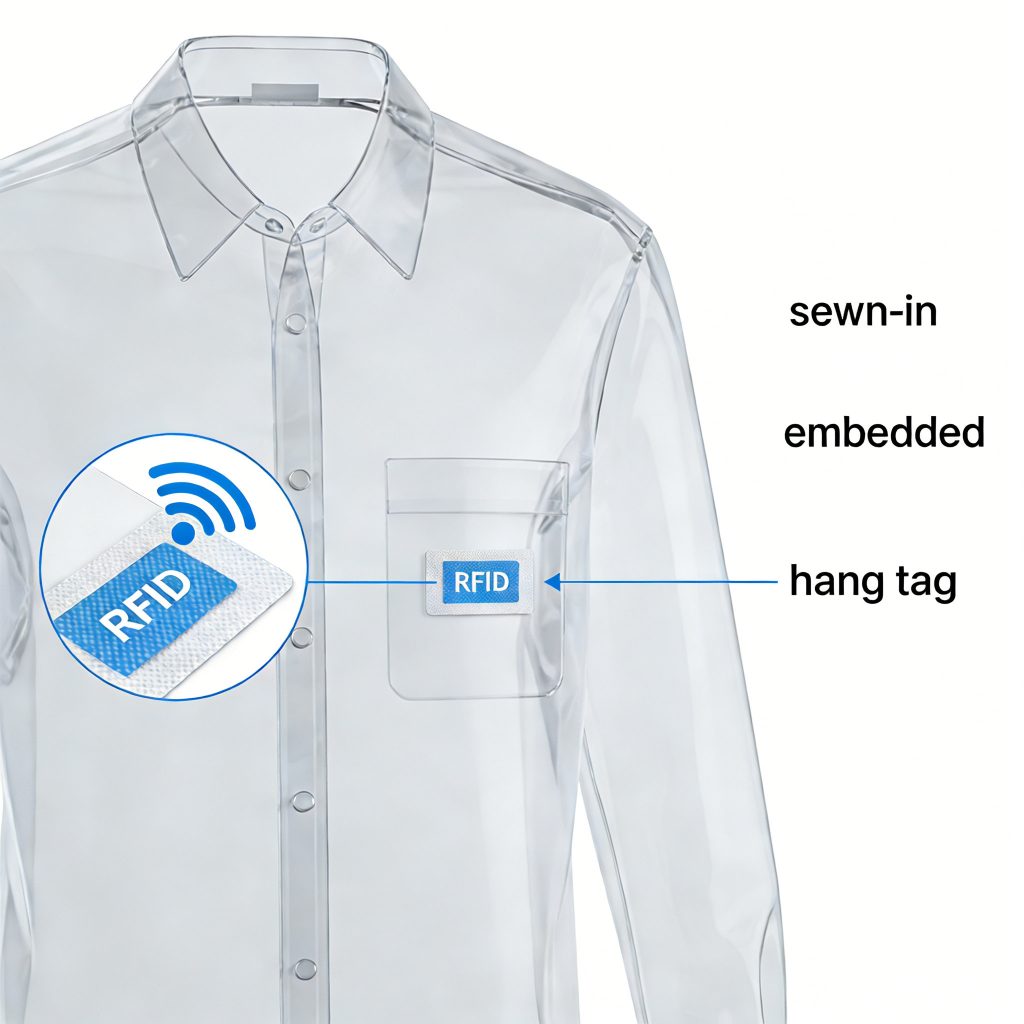
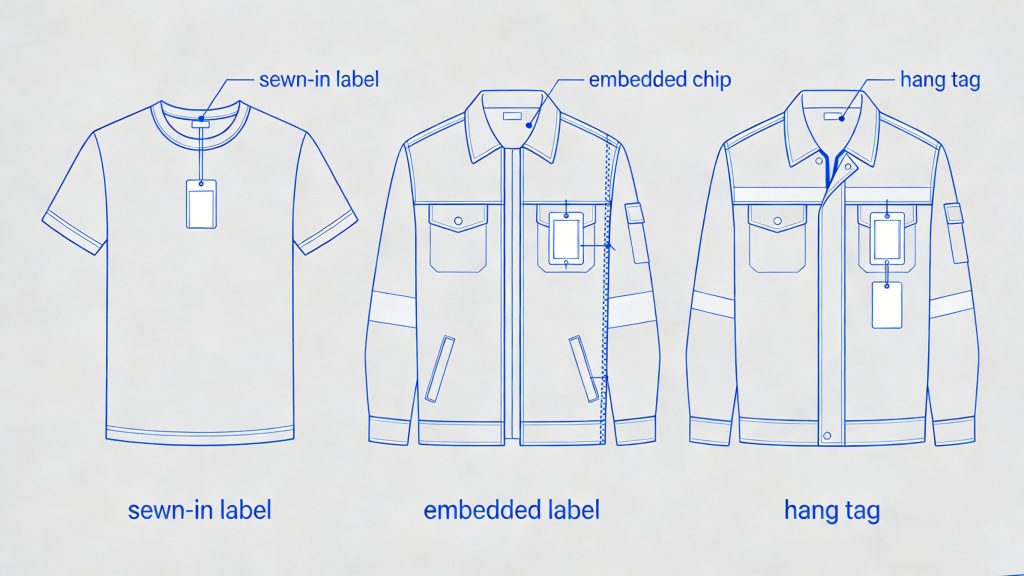
These tags are flexible and designed to be sewn into care labels or seams. They are widely used when:
This type is common in uniforms, workwear, rental clothing, and reusable textiles.
In some manufacturing workflows, RFID inlays are embedded directly between fabric layers. This provides excellent concealment and tamper resistance but requires early coordination with garment production lines.
Embedded tags are often used in premium apparel or specialized garment programs where lifecycle tracking is critical.
Hang tags with integrated RFID inlays are popular in retail environments. They are easy to deploy, cost-efficient, and effective for:
They are typically removed at checkout, so durability requirements are lower compared to sewn-in tags.
From an integration perspective, RFID tag selection must align with the entire system design.
Garments are rarely presented flat or consistently oriented. Tags must perform reliably when:
This makes real-world testing with actual readers and antennas essential before finalizing a tag model.
Whether tags are sewn, heat-sealed, or attached as hang tags directly affects:
A clear lifecycle strategy—single-use vs. reusable—should be defined early in the project.
RFID tags alone do not solve apparel management problems. Their value is realized only when integrated with:
This is why experienced solution providers treat RFID tags as system components, not consumables.
A strong foundation starts with understanding how to choose the right RFID tag for clothing, then mapping those choices to the broader apparel RFID architecture.
For system integrators, rfid tags for garments represent the intersection of hardware performance, garment design, and operational workflows. The most successful projects are those where tag selection, attachment method, and system configuration are planned together from the start.
Choosing from a well-structured range of RFID tags designed for apparel and garment management helps ensure long-term stability, predictable performance, and scalable deployment across retail and supply chain environments.
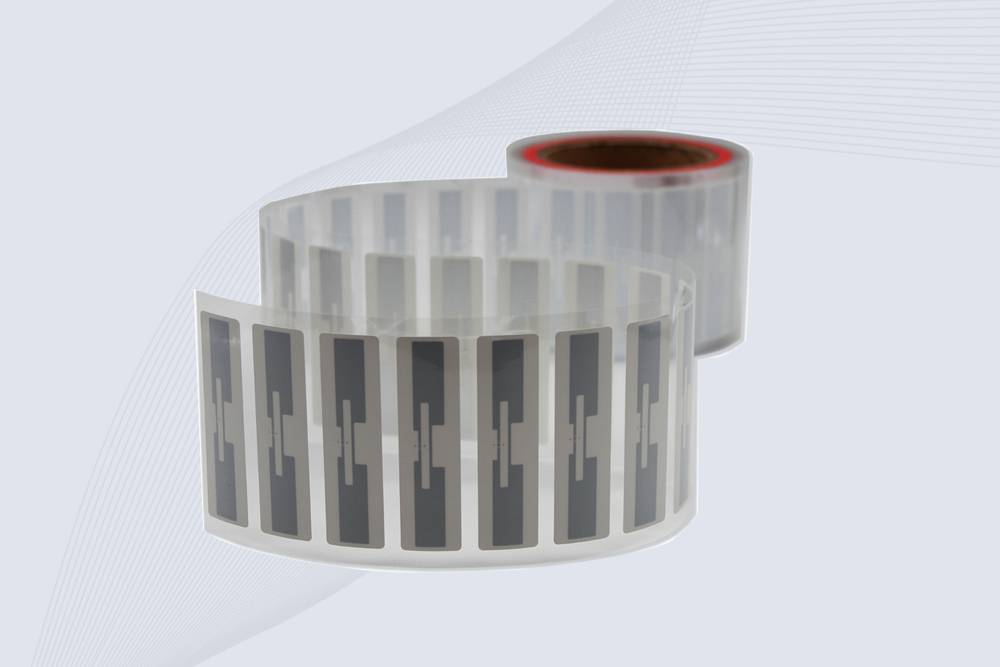
CYKEO Passive RFID Tags are made for wet and high-humidity environments where standard labels do not last. This rfid passive tag is often used around liquids, chemicals and temperature changes, providing stable reading distance and long data life for industrial tracking.
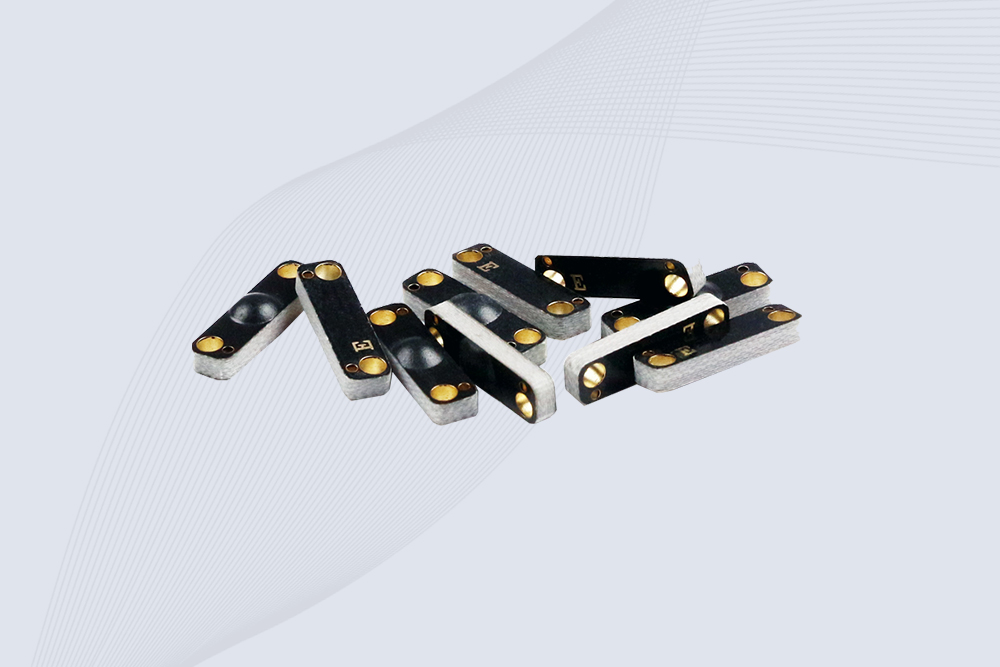
CYKEO CYKEO-PCB1504 Metal RFID Tags is a compact anti-metal UHF RFID solution built for direct mounting on metal surfaces. With stable 8-meter read range, Ucode-8 chip, and long data retention, this rfid metal tag fits tools, containers, automotive parts, and industrial asset tracking.
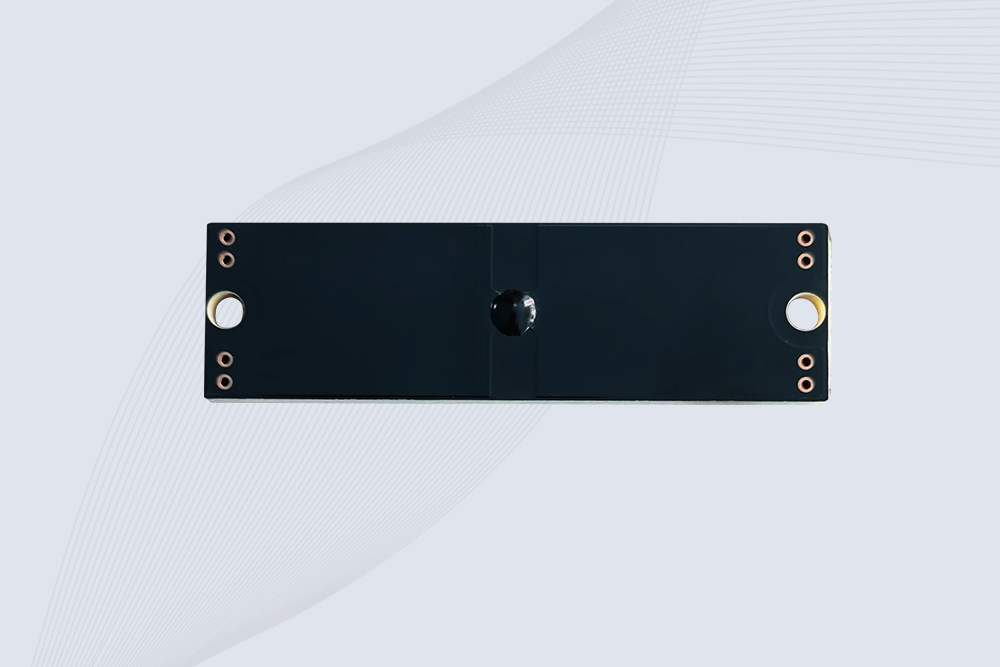
CYKEO CYKEO-PCB7020 On-Metal RFID Tags are designed for reliable tracking on steel and metal surfaces. Built with an FR4 epoxy body and industrial-grade chips, these On-Metal RFID Tags deliver stable performance, long data life, and chemical resistance, making them a dependable RFID anti-metal tag for harsh environments.
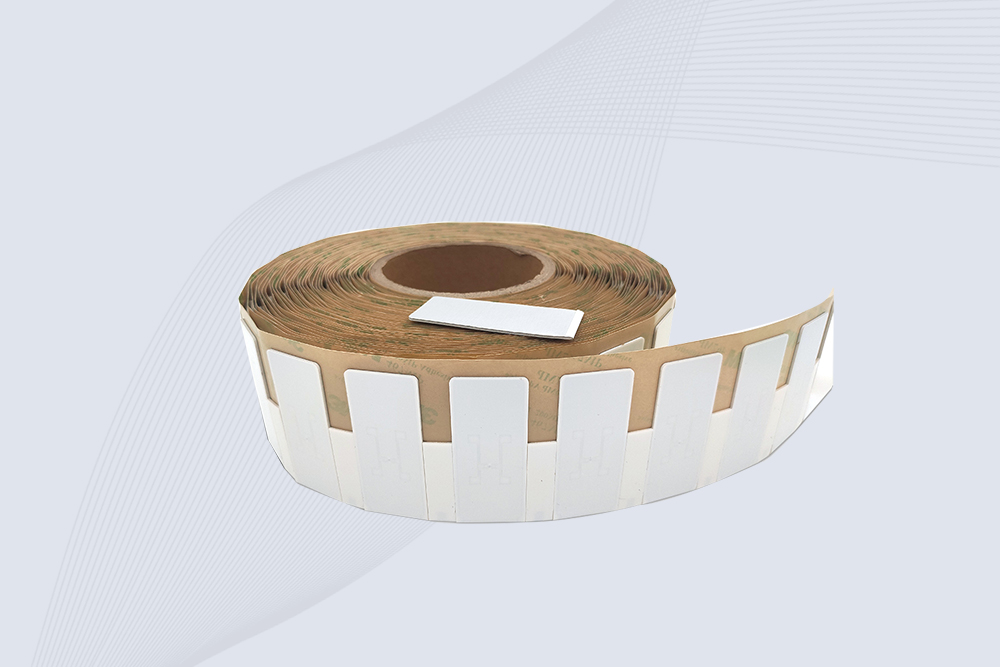
The CYKEO CYKEO-60-25 Anti-Metal RFID Tag is built for metal surfaces where standard tags fail. Designed for long-range performance, harsh environments, and stable data retention, this Anti-Metal RFID Tag is ideal for industrial assets, containers, and equipment tracking using on metal RFID tags.
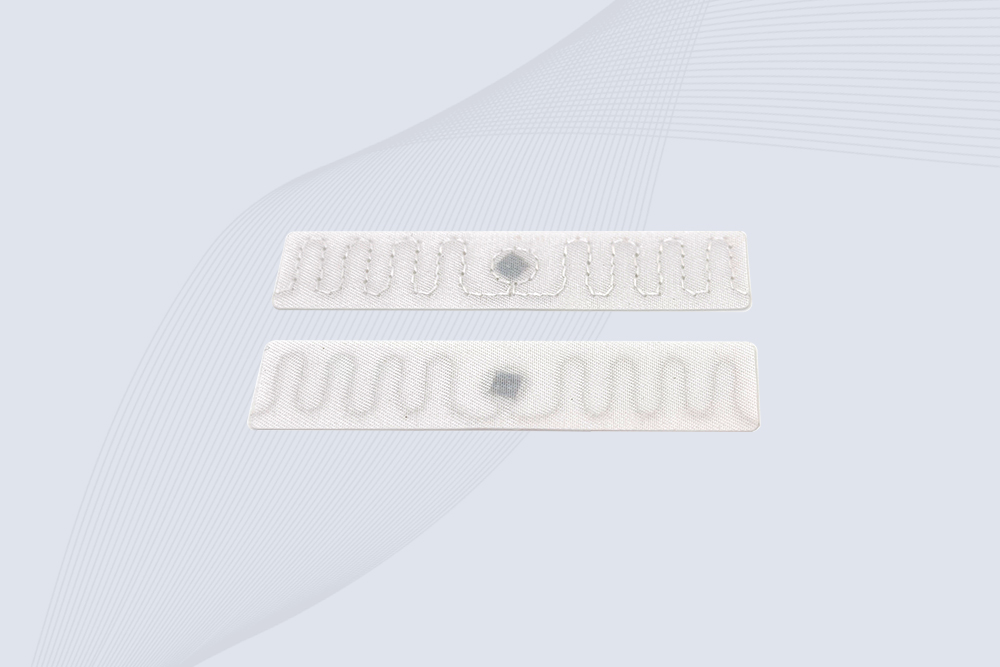
The CYKEO RFID Laundry Tag is designed for long-term textile identification in harsh laundry environments. Built to withstand high heat, chemicals, and repeated washing, this RFID Laundry Tag delivers stable performance for hotels, hospitals, and industrial laundry operations using laundry rfid tags at scale.
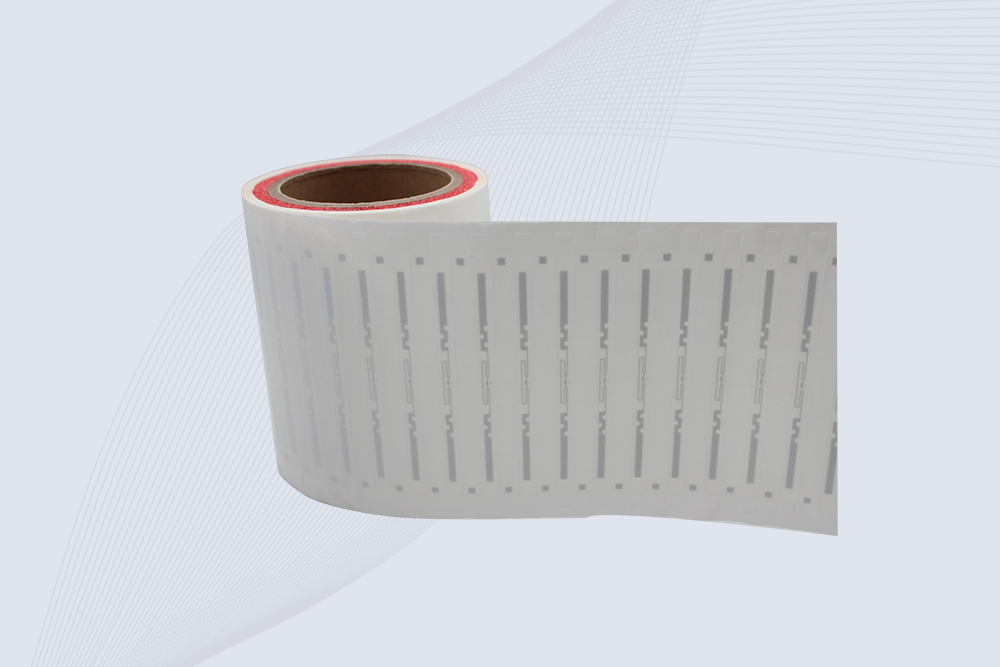
The CYKEO CYKEO-125-7 RFID Book Tag is designed for reliable book and document tracking in libraries and archives. This RFID Book Tag delivers long read range, dense placement support, and stable performance on shelves, making it a practical rfid tag on books for library automation, file management, and archival systems.
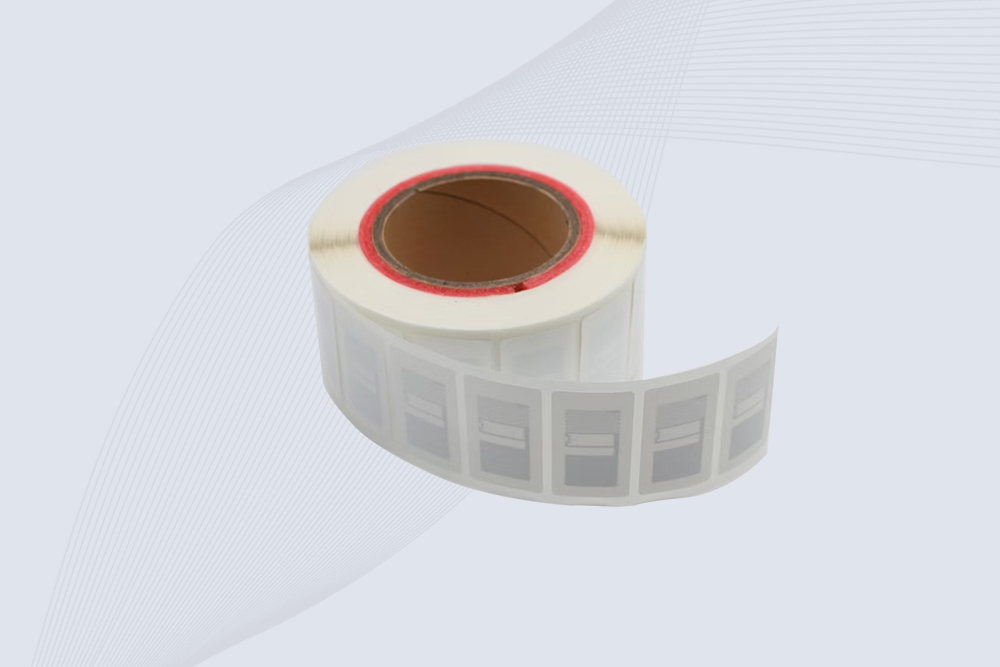
CYKEO RFID tags in hospitals are designed for sterile environments where accuracy matters. These autoclavable RFID tags support long-term tracking of surgical tools, implants, and medications, helping hospitals improve visibility, compliance, and patient safety.

CYKEO RFID Cable Tie Tag is built for reliable identification on metal surfaces. This UHF RFID Cable Tie Tag is widely used in rfid tags for inventory systems, industrial asset management and Hospital RFID Tags, offering stable read performance, long service life and global EPC Gen2 compatibility.
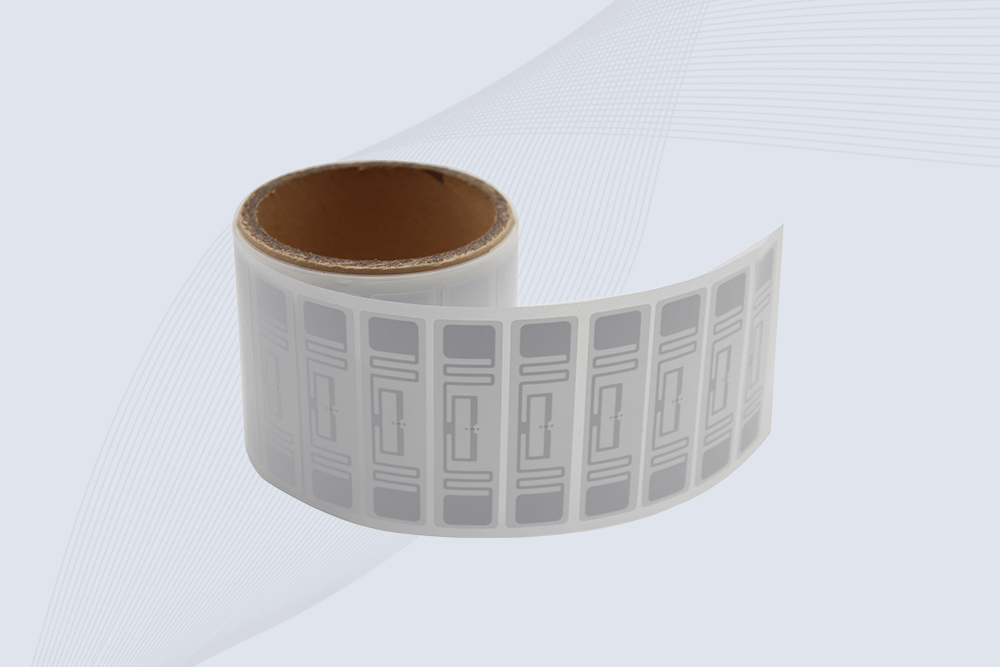
CYKEO RFID Asset Tag is designed for stable identification of metal assets in industrial environments. This UHF RFID Asset Tag is commonly used for rfid tag asset tracking on equipment, tools and containers, providing reliable reads, long service life and ISO/IEC 18000-6C support.

CYKEO UHF RFID Card is designed for fast identification and long-term use in industrial and commercial systems. Supporting ISO 18000-6C, this UHF RFID Card works at 860–960 MHz and is suitable for custom RFID cards used in asset tracking, access control and inventory management.
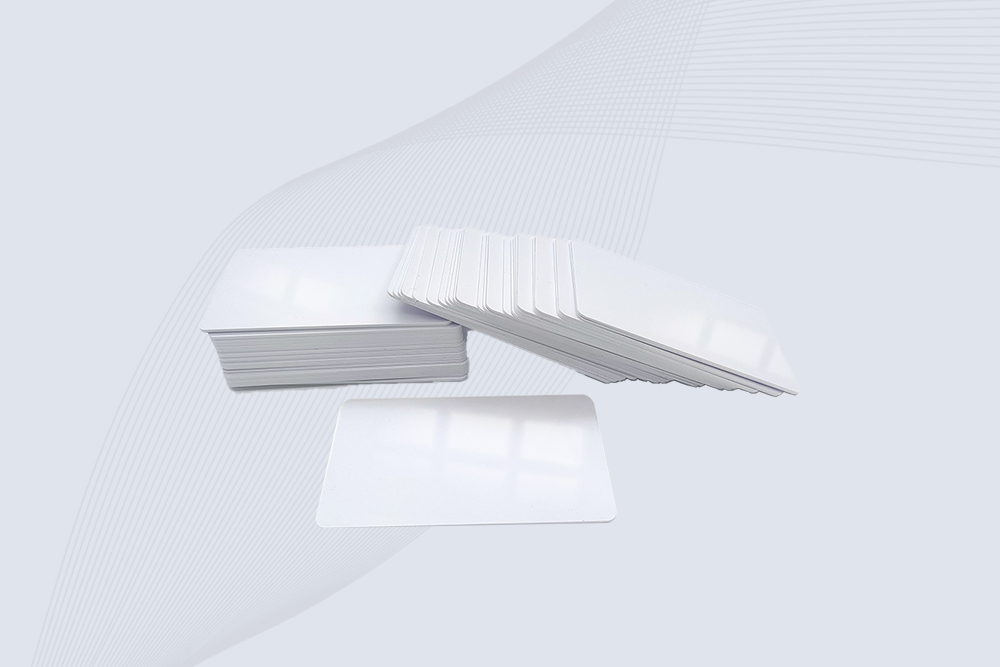
CYKEO HF RFID Cards are designed for secure and stable access control systems. These 13.56 MHz RFID key cards support ISO 14443-A, reliable rewriting and long service life, making HF RFID Cards suitable for offices, campuses, events and membership management.
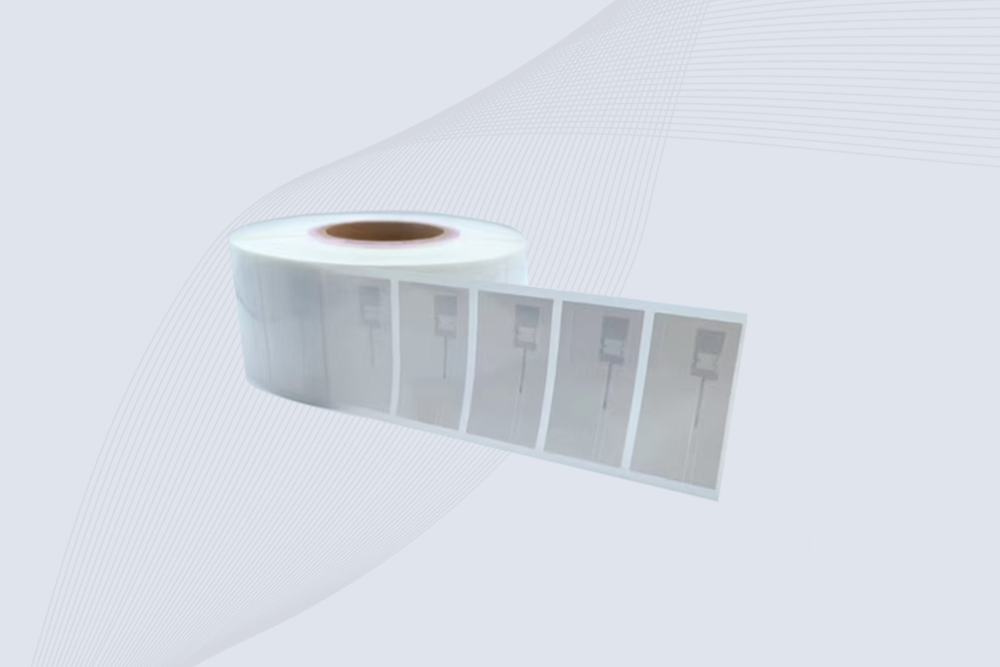
CYKEO UHF RFID Tag is designed for reliable tracking of metal jewelry and high-value items. This Jewelry RFID Tag supports long-range reading up to 8 meters, anti-counterfeit protection and stable performance on metal, making it suitable for retail, inventory control and asset management.
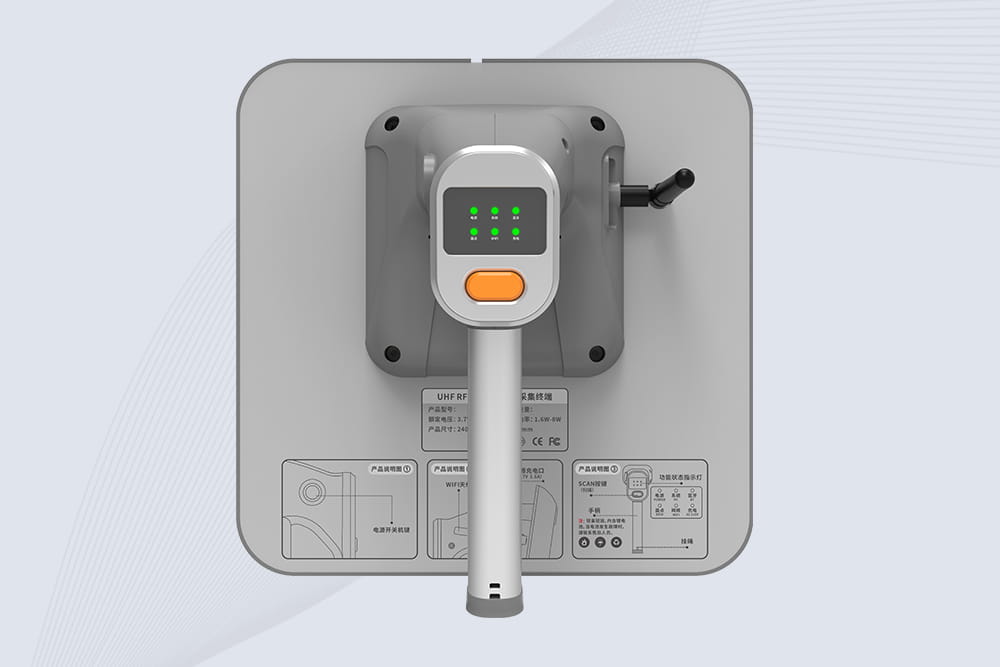
Cykeo CYKEO-B9 UHF Bluetooth handheld RFID scanner features 12m UHF range, 200+ tags/sec scanning, IP67 rugged design for retail/warehouse/pharma. Supports Android SDK & real-time Bluetooth 5.0 transmission.
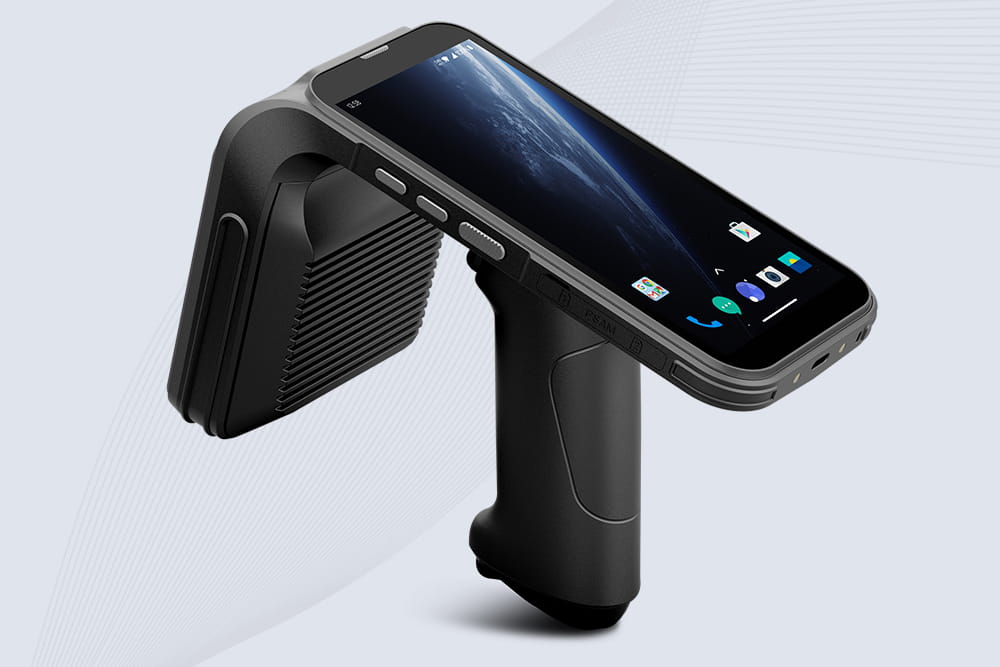
Cykeo CYKEO-B4 UHF Handheld RFID Reader scanner delivers 1300 tags/sec reading, 30m UHF range, and 12-hour battery life. IP65 rugged design with barcode/NFC/ID scanning for retail/manufacturing/logistics.
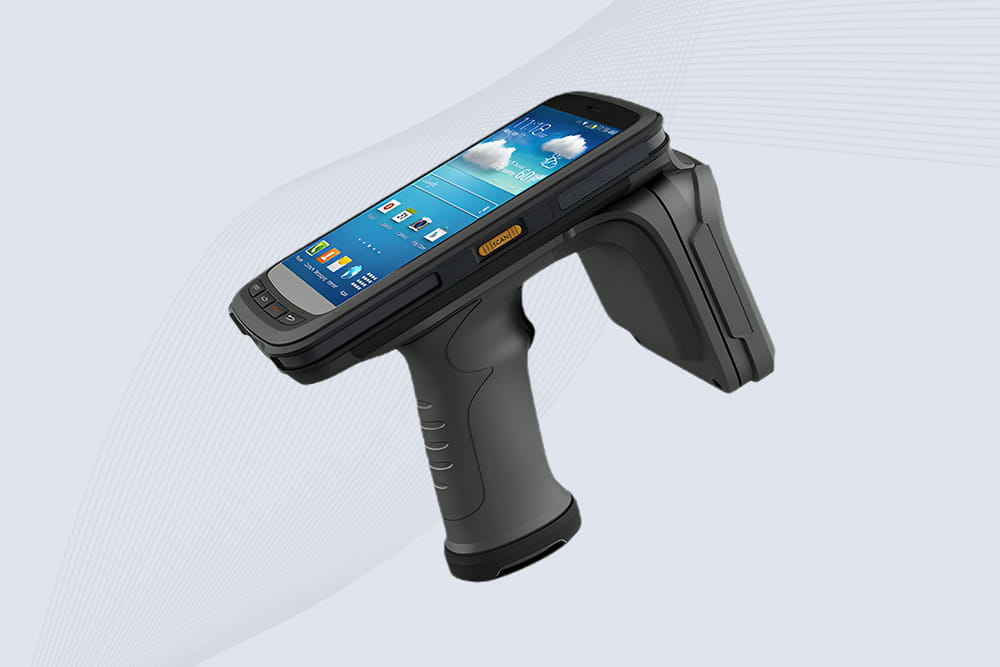
Cykeo CYKEO-B2 industrial UHF RFID handheld offers 10m range, 500 tags/sec scanning, Android 11 OS, and IP65 rugged design for retail/warehouse/manufacturing.
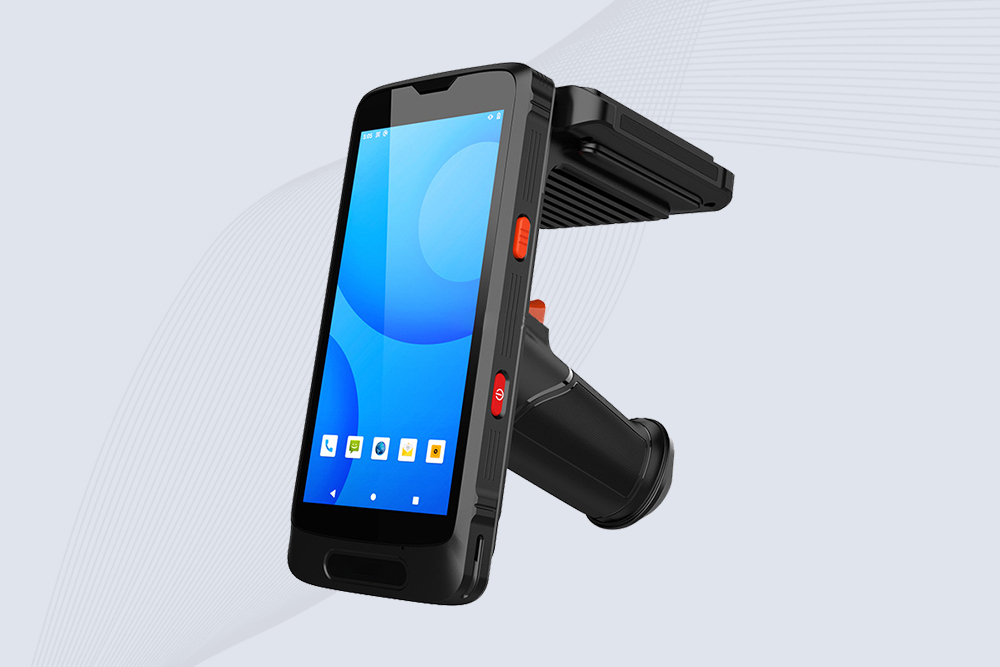
Cykeo CYKEO-B3 industrial RFID Reader Handheld, terminal offers 2m read range, multi-protocol scanning (NFC/barcode/ID), Android 10 OS, and IP65 ruggedness for logistics/retail/manufacturing.
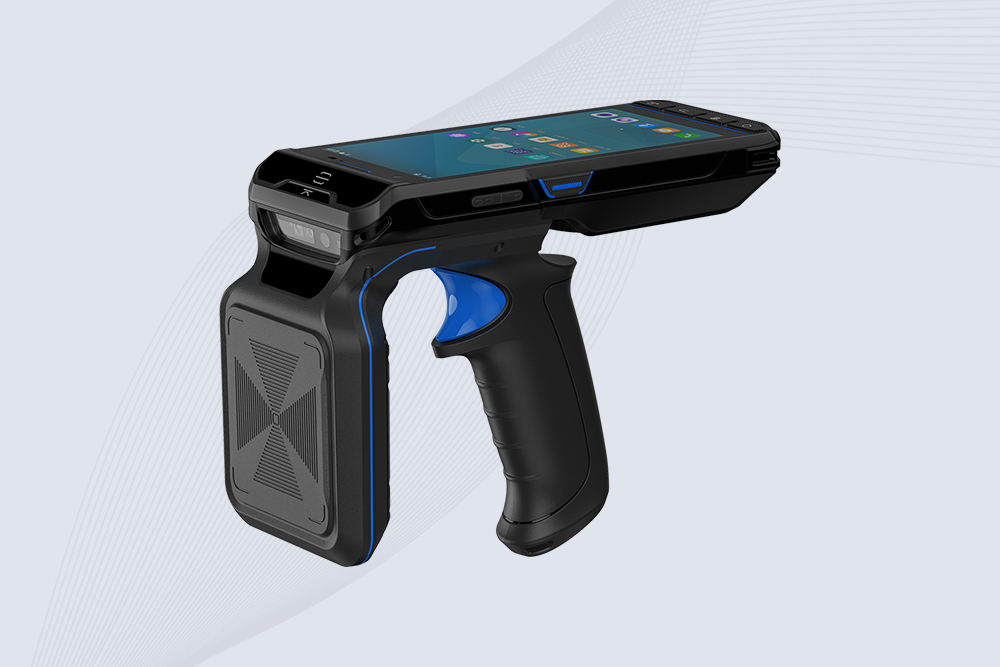
Cykeo CYKEO-B3L industrial handheld UHF RFID Reader terminal features 20m read range, 500 tags/sec scanning, Android 13 OS, 12-hour battery for logistics/retail/manufacturing. Supports barcode/NFC/ID reading.

Learn how RFID tags are reshaping industrial applications — from warehouse tracking to quality control. Practical insights, challenges, and lessons from real-world use cases.
More
Wondering if your smartphone works with NFC RFID readers? Follow our step-by-step test to check compatibility, fix pairing issues, and start scanning tags in minutes.
More
How kiosk RFID is used in self-checkout, smart vending, hospitals, and events. Real hands-on experience with its benefits, challenges, and lessons learned.
More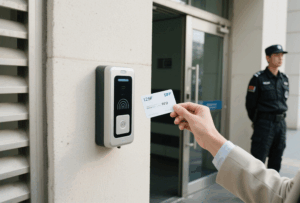
125kHz RFID reader, with its unique performance characteristics, plays an irreplaceable role in many use cases.
More