How can I improve RFID tag read accuracy with high-performance antennas?
Achieving consistent RFID tag read accuracy in industrial, retail, or logistics settings relies heavily on antenna performance and deployment. Here are six proven strategies using high-performance RFID antennas:
1. Select the Right Antenna Type for Your Environment
- RFID Circular-Polarized Antennas excel in environments with metal obstructions or moving tags (e.g., conveyor belts) by capturing signals from multiple angles.
- Linear-Polarized Antennas provide longer read ranges in open spaces like warehouses but require precise tag alignment.
2. Optimize Antenna Placement & Height
Mount antennas 3–6 meters (10–20 feet) above ground to cover maximum tag populations. For example, position antennas above dock doors or assembly lines to scan pallets or tools seamlessly.
3. Leverage Antenna Gain & Beamwidth
- High-Gain Antennas (8–10 dBi) focus energy into narrow beams for targeted coverage of high-traffic zones (e.g., checkout counters).
- Wider Beamwidth Antennas (e.g., 70–80 degrees) ensure broader coverage for sprawling storage areas.
4. Mitigate Interference with Frequency Tuning
Adjust UHF antennas (860–960 MHz) to avoid clashing with nearby wireless devices like Wi-Fi routers. Use programmable RFID reader modules to fine-tune frequencies.
5. Deploy Multi-Antenna Arrays
Combine 4–8 antennas with a fixed RFID reader to eliminate blind spots in large facilities. Use RFID multiplexers to stagger antenna activation and reduce signal collision.
6. Test and Adjust with Real-World Scenarios
Conduct field tests using portable RFID readers to validate coverage. For example, test tag readability on metal crates or liquid containers before finalizing antenna positions.
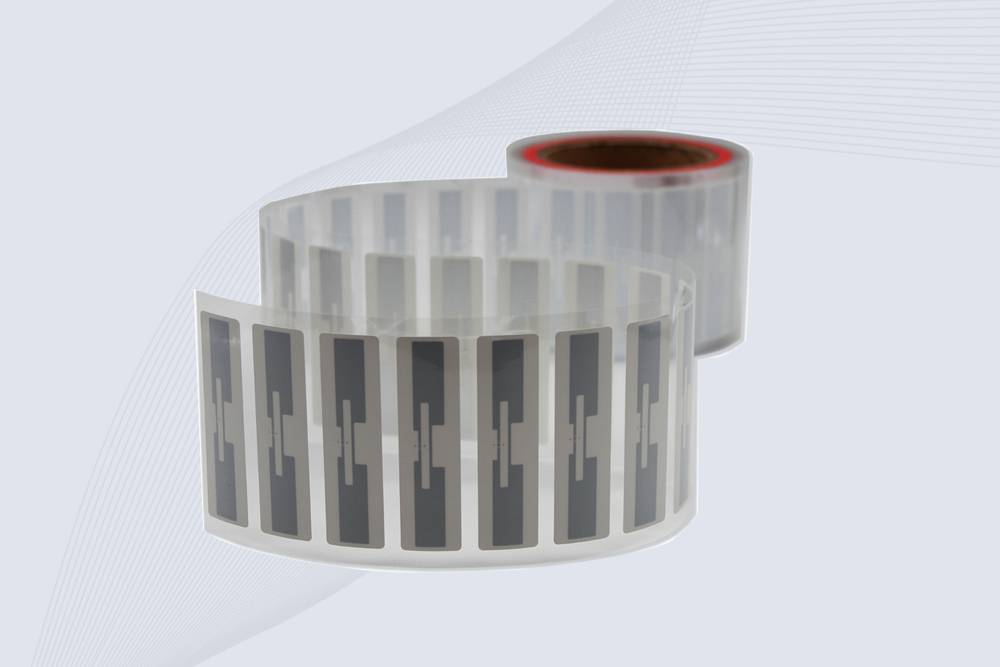
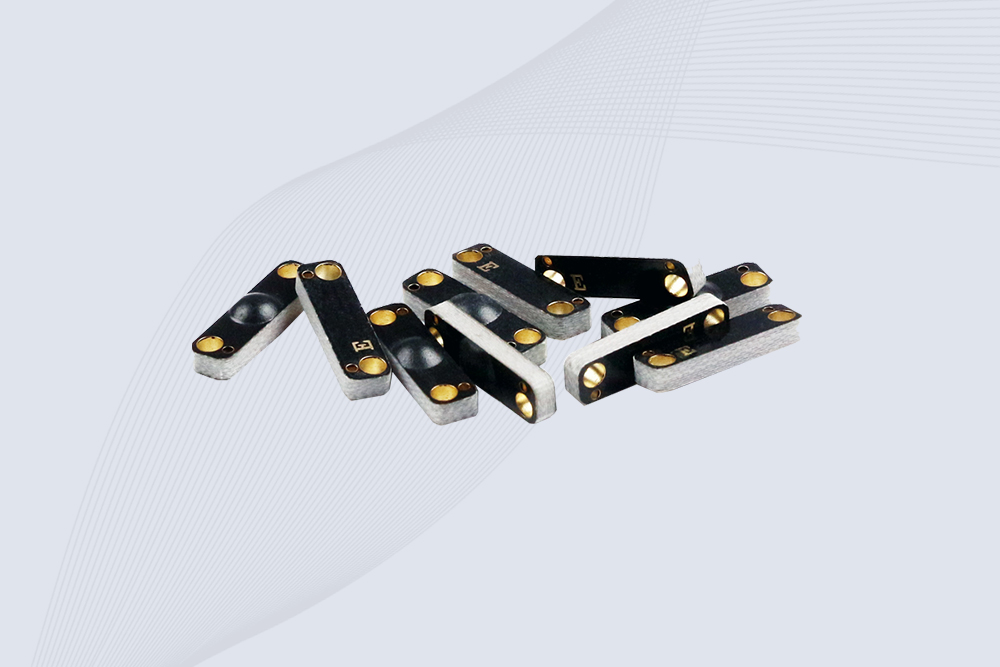
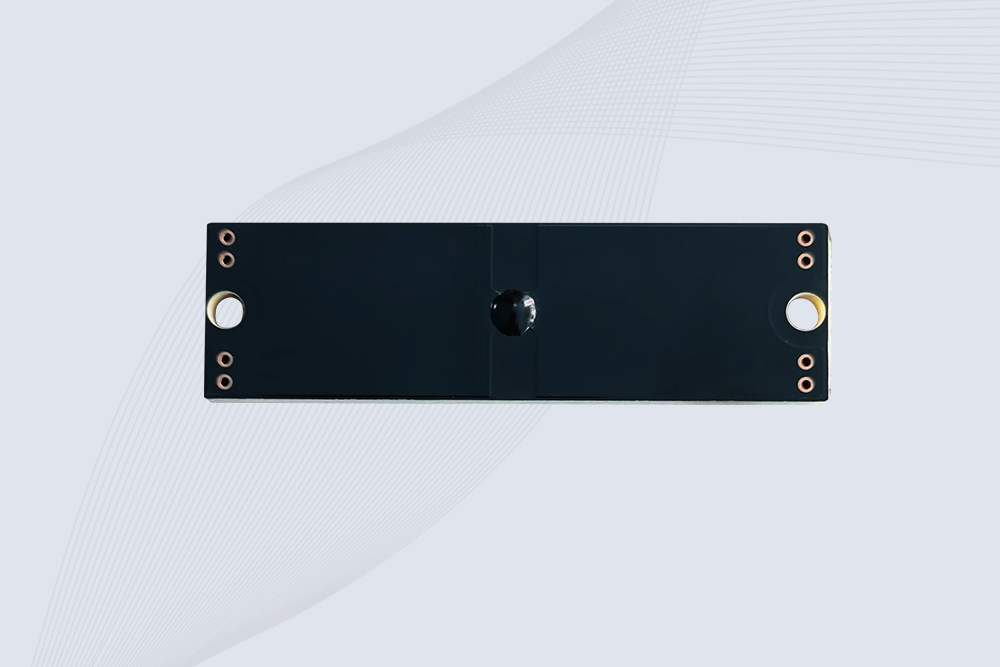
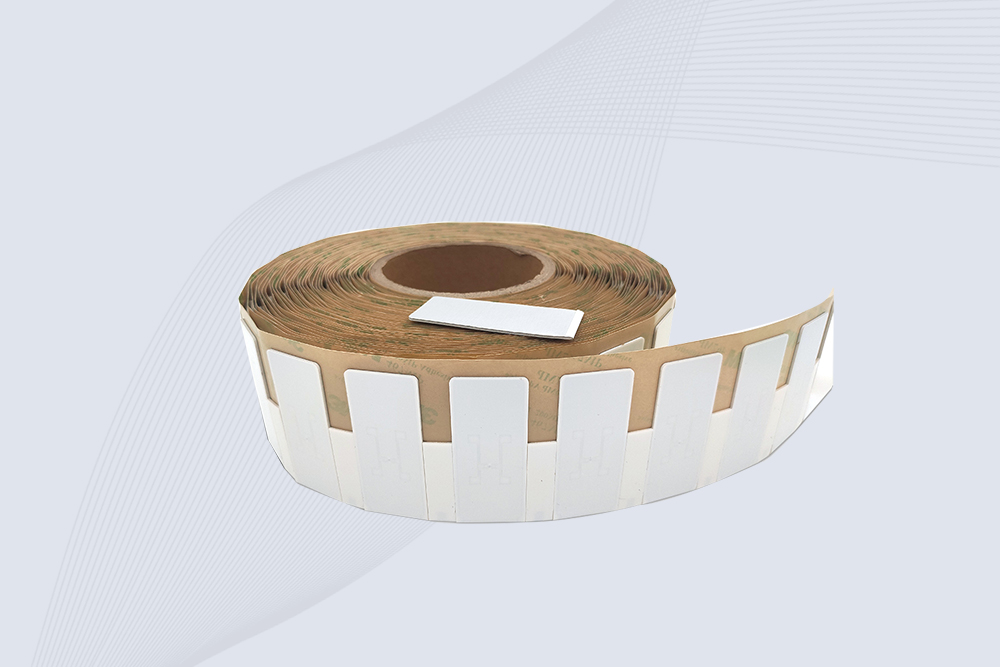
Pro Tip: Pair high-performance antennas with anti-metal RFID tags or on-metal tags to maintain accuracy in challenging environments.
 Cykeo RFID IoT Solution Products R&D Manufacturer