If you’ve ever worked on a busy assembly line—especially in automotive, electronics, or machinery—you know how chaotic it can get. Parts moving everywhere, tools disappearing, mistakes creeping in… that’s where RFID comes in. It’s not just a fancy tech—it actually makes life on the production floor way easier.
Tracking parts in real-time Think of it like giving every part, sub-assembly, pallet, or container a little digital ID. You slap an RFID tag on it, and readers at different stations automatically log when and where it moves. No need for anyone to scan it by hand or line it up with a barcode. On fast-moving lines, this saves a ton of time and headaches. You always know where everything is, down to the workstation and the exact time it arrived or left.
Stopping mistakes and improving quality RFID can check parts automatically at each assembly step. Wrong model? Wrong batch? Out-of-sequence part? The system flags it instantly. That’s huge for products where safety and quality really matter—like cars or electronics. It basically makes sure you don’t assemble something wrong or skip a step.
Managing inventory, tools, and assets And it’s not just parts. Tools, fixtures, measuring instruments, pallets, bins—everything can have an RFID tag. That means you always know what’s out, who’s using it, when it’s due back, and whether it’s due for maintenance. No more lost tools, no more guessing where things went, and fewer errors from using the wrong equipment.
Faster stock checks and smoother replenishment RFID lets you scan hundreds or thousands of items in seconds. Compare that to counting by hand or scanning barcodes one by one—it’s a game-changer. On high-mix, fast-changing lines, this instant visibility helps make sure the right parts are always at the right place at the right time. You can even link it to Lean or JIT workflows so replenishment happens automatically.
Data everywhere, all connected Everything RFID records—part movements, work-in-progress status, inventory levels, tool usage—can feed straight into your ERP, MES, or warehouse system. That gives managers a live view of production, stock, bottlenecks, and quality issues. You get insights, not just data.
So basically, RFID in a production line isn’t just an “auto-counting tool.” It’s the backbone for assembly, inventory, asset management, quality control, and process optimization.
How Cykeo Smart Cabinets and Inventory Systems Make RFID Work on the Floor
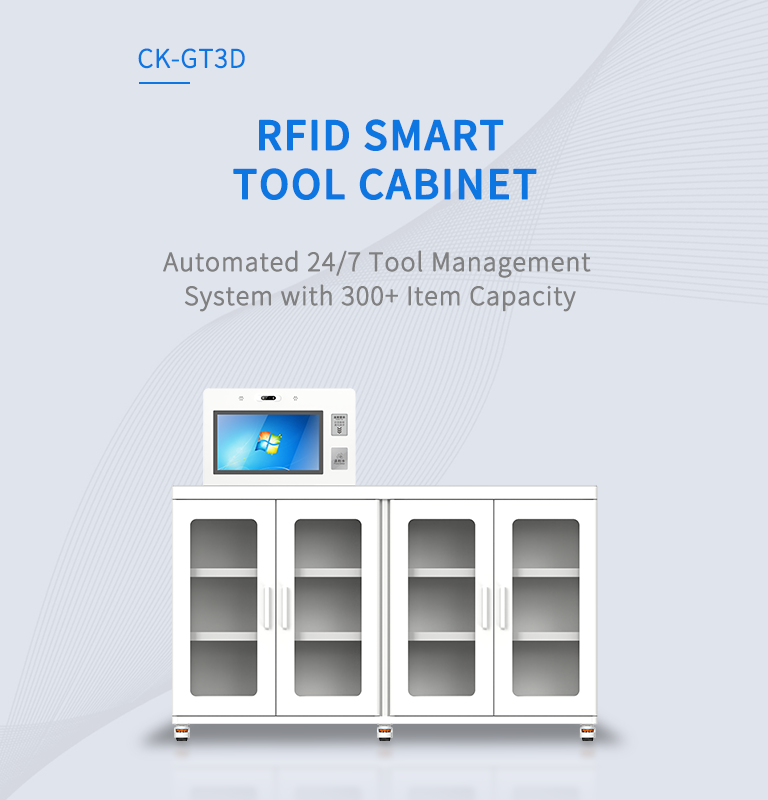
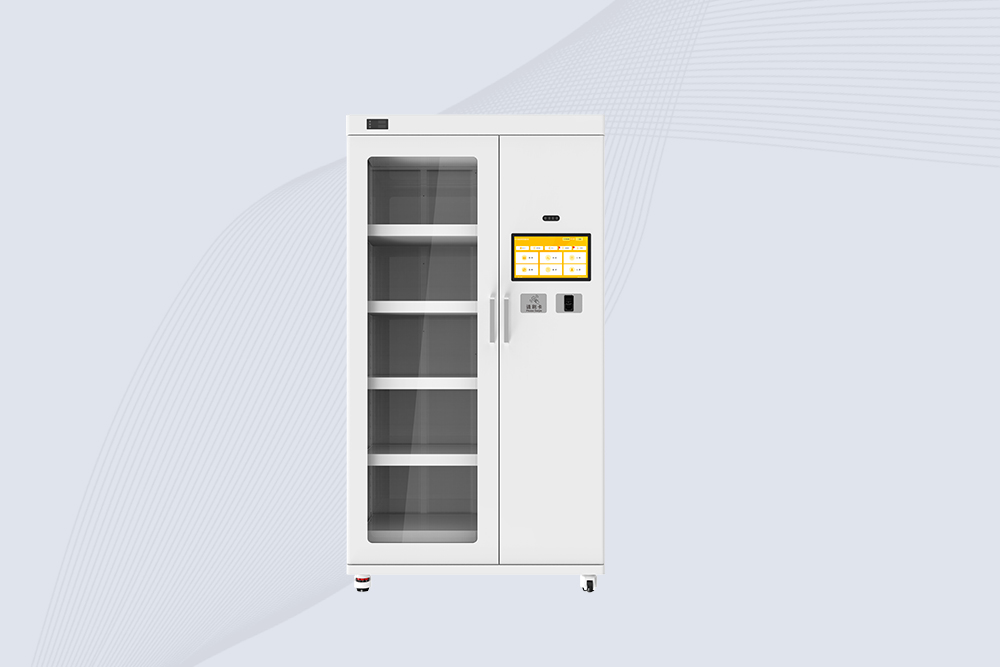
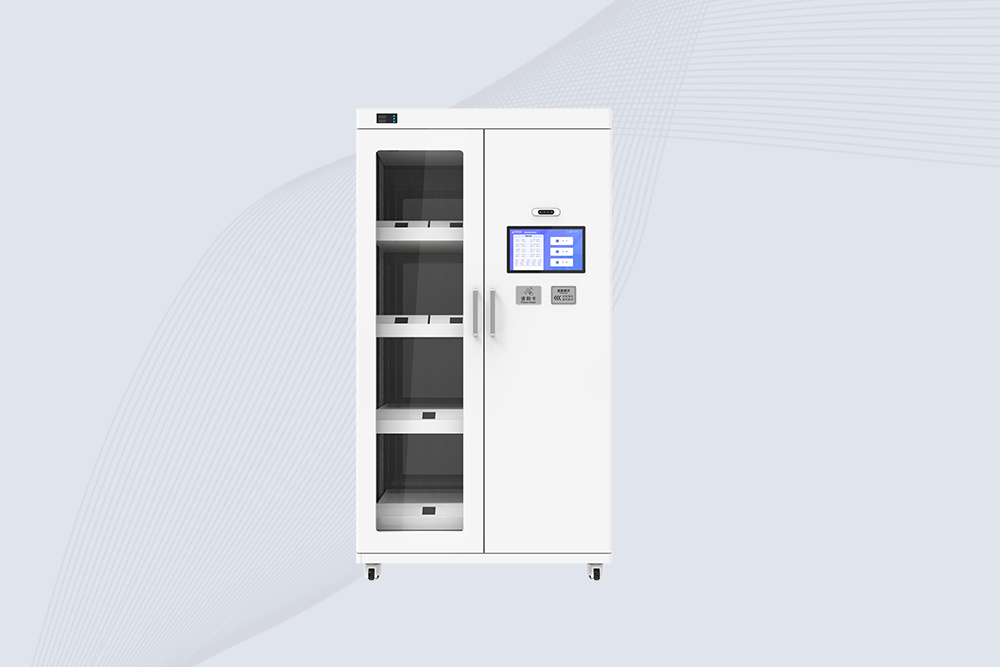
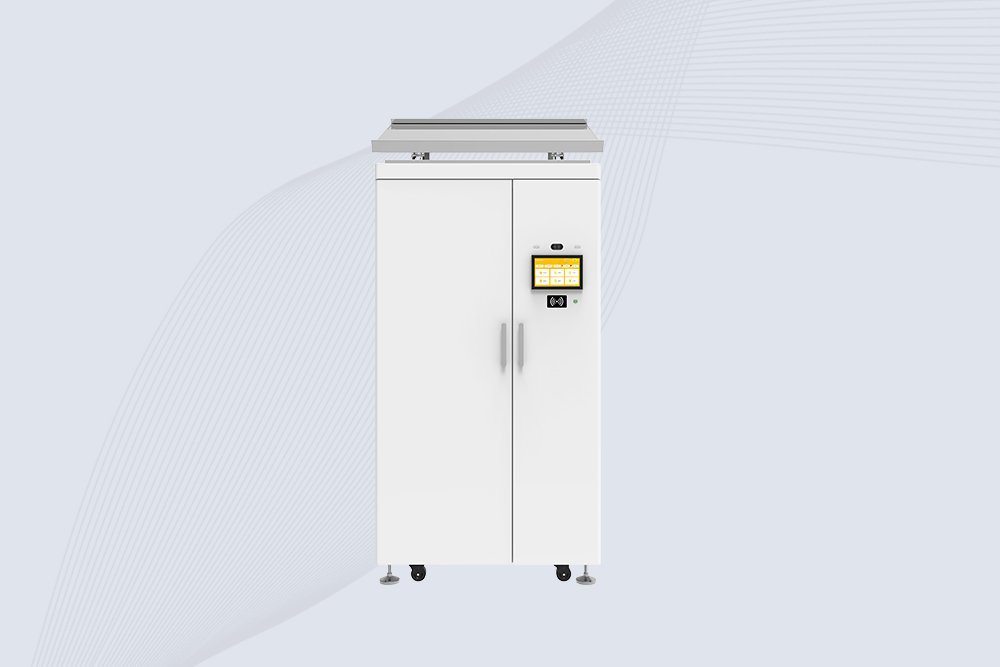
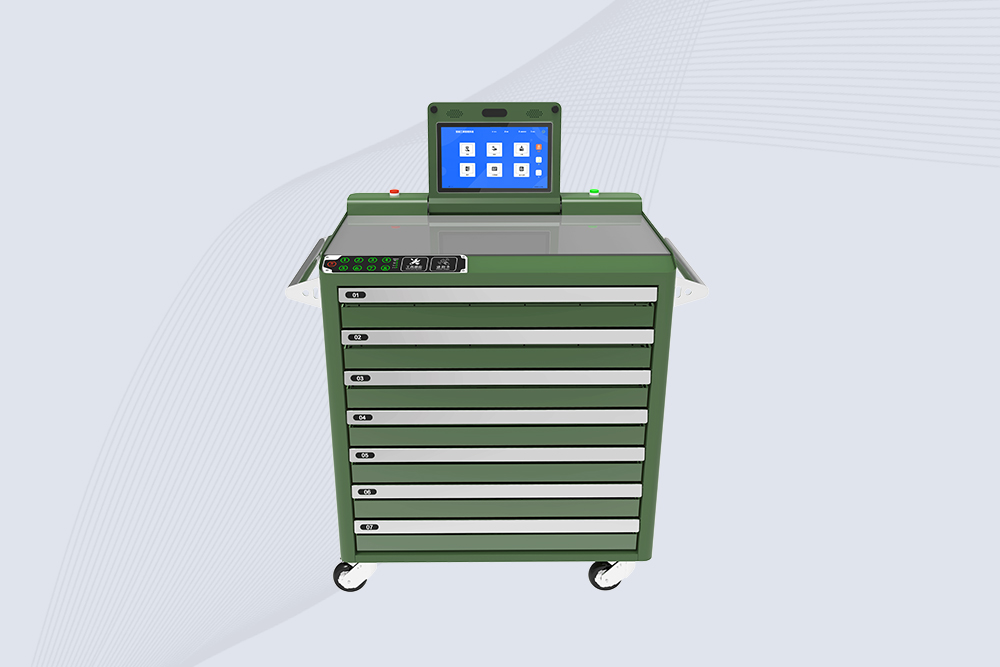
Take a Cykeo Smart Cabinet, for example. It can scan 300+ tools or small parts in about five seconds. You put something in, it’s logged. You take it out, it’s logged. That’s it—no human scanning needed.
It’s secure too. Dual authentication—RFID card plus face recognition—means only authorized people can access what’s inside. Perfect for sensitive tools, high-value fixtures, or safety-critical gear.
The cabinets are modular, so you can scale up easily if you’ve got a lot of tools or materials. They also talk to your ERP or MES, so inventory, loans, returns—all of it updates automatically. And they’re built for factories: metal bodies, dust- and water-resistant, can take a bit of rough handling.
With something like this, you can:
Keep tools and fixtures in one place with automatic tracking. No more lost or forgotten tools.
Count inventory in seconds instead of hours.
Stop mistakes and prevent misuse of high-value or safety-critical tools.
Link directly to your production system for end-to-end visibility.
Keep everything safe, traceable, and auditable.
For a factory or assembly line that mixes warehouses, tool rooms, and production floors, RFID + smart cabinets turn “manual, paper, memory-driven” management into “automatic, real-time, traceable, and auditable.”
Bulk Inventory Scanning with RFID
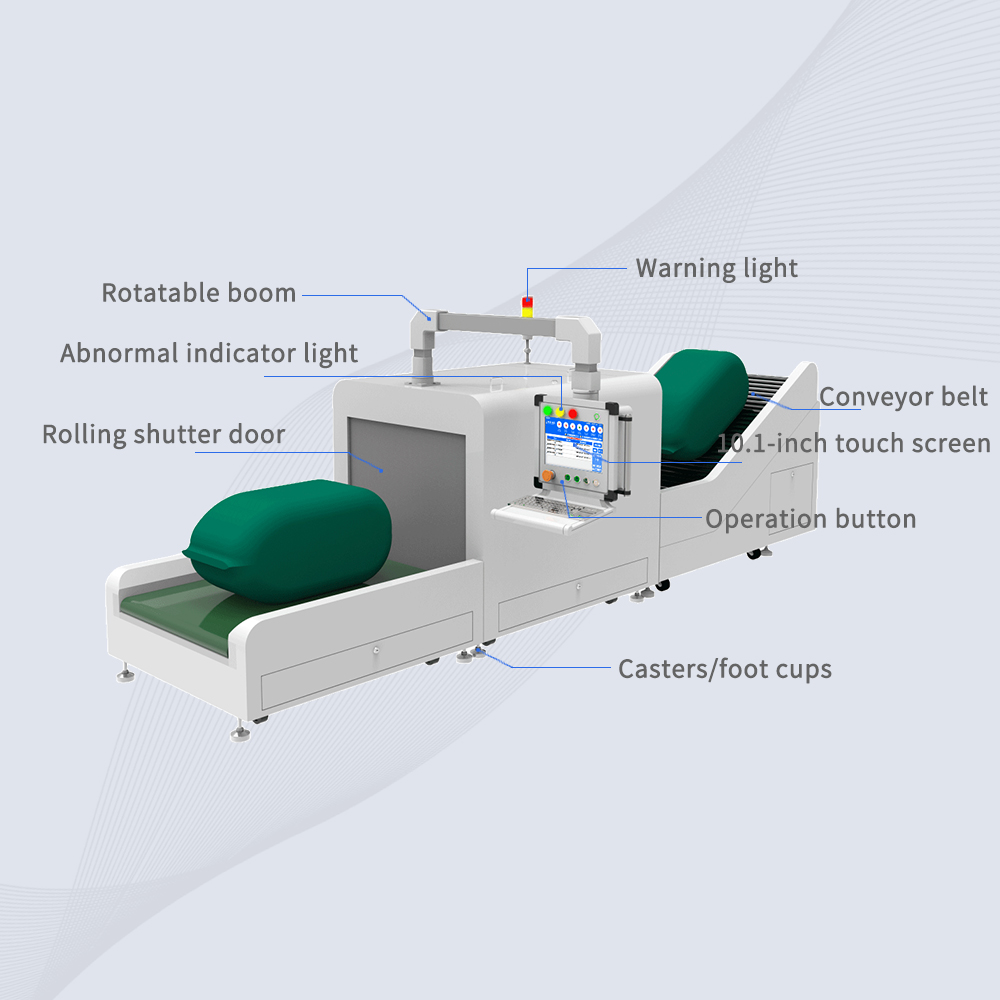
Cykeo’s RFID Inventory System is another piece of the puzzle. It shines in:
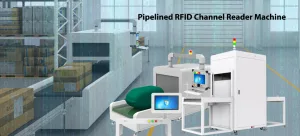
Warehouse and stock management: Scan raw materials, parts, semi-finished goods, and finished products in bulk. One pass, no line-of-sight needed, multiple tags at once. Way faster and more accurate than barcodes or manual counts. You can do cycle counts, real-time stock updates, alerts, and automatic replenishment.
Assembly line material supply: When a line needs parts, the system can automatically trigger replenishment based on inventory and consumption. That reduces manual picking and the risk of running out. Especially useful on high-mix or fast-changing lines.
Unified view across multiple warehouses and assets: All materials, parts, semi-finished and finished goods, and returnable containers are tracked. Inventory, assets, material flow, and replenishment become visible and digital. Helps optimize supply chain, reduce stock costs, and avoid shortages or excess.
Faster audits, fewer errors: In big warehouses with lots of SKUs or frequent changes, RFID cycle counts beat manual audits every time.
The key takeaway? Inventory and material management stop being manual and error-prone. It’s automatic, real-time, and fully visible.
What a Fully RFID-Enabled Factory Looks Like
Imagine a car parts assembly line with a warehouse, tools, and daily production. With RFID + Cykeo:
Parts get tagged as soon as they arrive. Metal parts get metal-compatible tags.
Warehouses and material stations use the inventory system for batch scanning and real-time updates → no more stock errors.
Parts moving to the assembly line are tracked by RFID. Every workstation logs arrivals → correct parts, correct order, no mistakes.
WIP items, subassemblies, tools, pallets, containers—all tagged → production stage, status, timestamp automatically recorded → managers see everything in real time.
Tools and fixtures in smart cabinets → borrowing/returning logged → maintenance cycles tracked, lost or misused tools prevented.
ERP/MES integration → all data syncs automatically → managers see live production, inventory, tool usage, replenishment needs, bottlenecks, and alerts.
Full traceability → every part, process, and tool logged → quality issues, recalls, or audits are easy to trace.
In short, you move from manual, paper-based, barcode-dependent, memory-driven operations to fully automated, visible, traceable, and data-driven processes. This is huge for large, complex, high-mix production environments.
Things to Keep in Mind When Deploying RFID
Tag and reader setup: Metals, liquids, dense parts, and tools can interfere with RFID. Choose rugged or metal-compatible tags and plan reader placement carefully.
System integration: RFID data is only useful if your backend system uses it. Integration with ERP/MES/WMS is key.
Training and process change: People need to learn the new workflow—tag + cabinet + reader + backend system.
Cost vs. benefit: Small or simple lines might not see ROI. Large, complex, multi-asset environments benefit most.
Maintenance: Tags wear, fall off, or fail. Readers and cabinets can have issues. Have a plan for maintenance, checks, and backups.
Conclusion
RFID + smart cabinets or inventory systems take your factory from “manual, paper-based, memory-driven” chaos to “automatic, real-time, visible, data-driven, traceable” efficiency.
For complex, high-mix, high-value, safety-critical, or large-scale assembly lines, it reduces errors, speeds up processes, ensures inventory accuracy, optimizes assets, and keeps quality and compliance in check.
If your goal is digitalization, smart manufacturing, lean production, or modern asset management, RFID + smart cabinets is absolutely worth it.
Cykeo’s RFID Smart Tool Cabinet enables 10-second tool audits, user access control & real-time alerts for construction/oil/gas. Features 21.5″ touchscreen, IP54 steel body & -30°C~60°C operation. Supports SAP/Oracle integration.
Cykeo’s industrial RFID Tool Cart features 14″ touchscreen, 400+ tool scanning, and carbon steel construction for aviation MRO, power plants and construction sites. 5-second inventory scans.
Traditional barcodes and standard RFID tags struggle in metal surface applications due to the shielding and reflective properties of metal, which cause signal attenuation and reading errors.
Learn if RFID handheld readers can scan tags through metal or liquid containers. Discover solutions for interference and Cykeo’s industrial-grade scanning technology.
RFID inventory tunnel machines are becoming essential tools in modern inventory management, leading a new revolution in stock control with their high efficiency and accuracy. By integrating RFID technology, these machines enable rapid ide...
Cykeo offers global RFID Card EV charging solutions with complete hardware, software, and integration support—ideal for commercial fleets, public charging stations, and smart parking systems.
 Cykeo RFID IoT Solution Products R&D Manufacturer