Walk into any hospital pharmacy and you’ll feel it immediately — pressure. Controlled substances, tight compliance requirements, inventory accuracy, audit trails. There’s very little room for error.
That’s exactly why more healthcare facilities are moving toward RFID cabinet pharmacy storage systems. Not because it sounds advanced. But because manual logs, barcode scans, and traditional lock-and-key cabinets simply don’t scale anymore.
And when implemented correctly, RFID doesn’t just “track inventory.” It changes how a pharmacy operates.
The Real Problem with Traditional Pharmacy Storage
Let’s be honest. Most pharmacies still deal with:
Manual counting of controlled drugs
Time-consuming audits
Gaps between physical stock and system data
Limited visibility into who accessed what — and when
Even with barcode systems, you still rely on line-of-sight scanning. That means more labor, more friction, and more opportunity for human error.
RFID cabinet pharmacy storage systems remove that friction.
Instead of scanning items one by one, RFID tags are read automatically — instantly — as medications enter or leave the cabinet. No guesswork. No forgotten entries.
What Makes an RFID Pharmacy Security Cabinet Different?
A true RFID pharmacy security cabinet isn’t just a metal box with a reader inside. It’s an integrated control system.
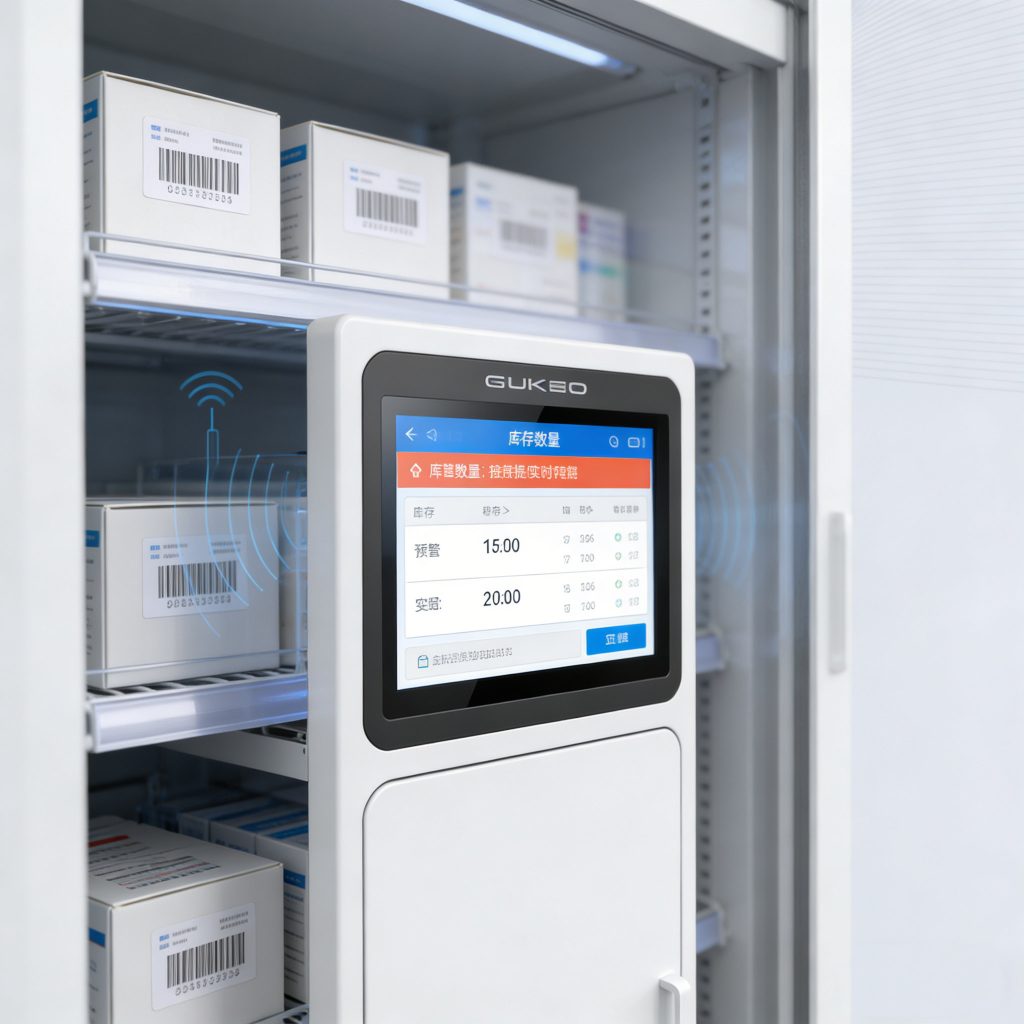
Every tagged medication is automatically identified inside the cabinet. Inventory updates happen immediately.
You know:
What’s inside
What was removed
Who accessed it
Whether stock levels are reaching critical thresholds
No end-of-day surprises.
Strict Access Control
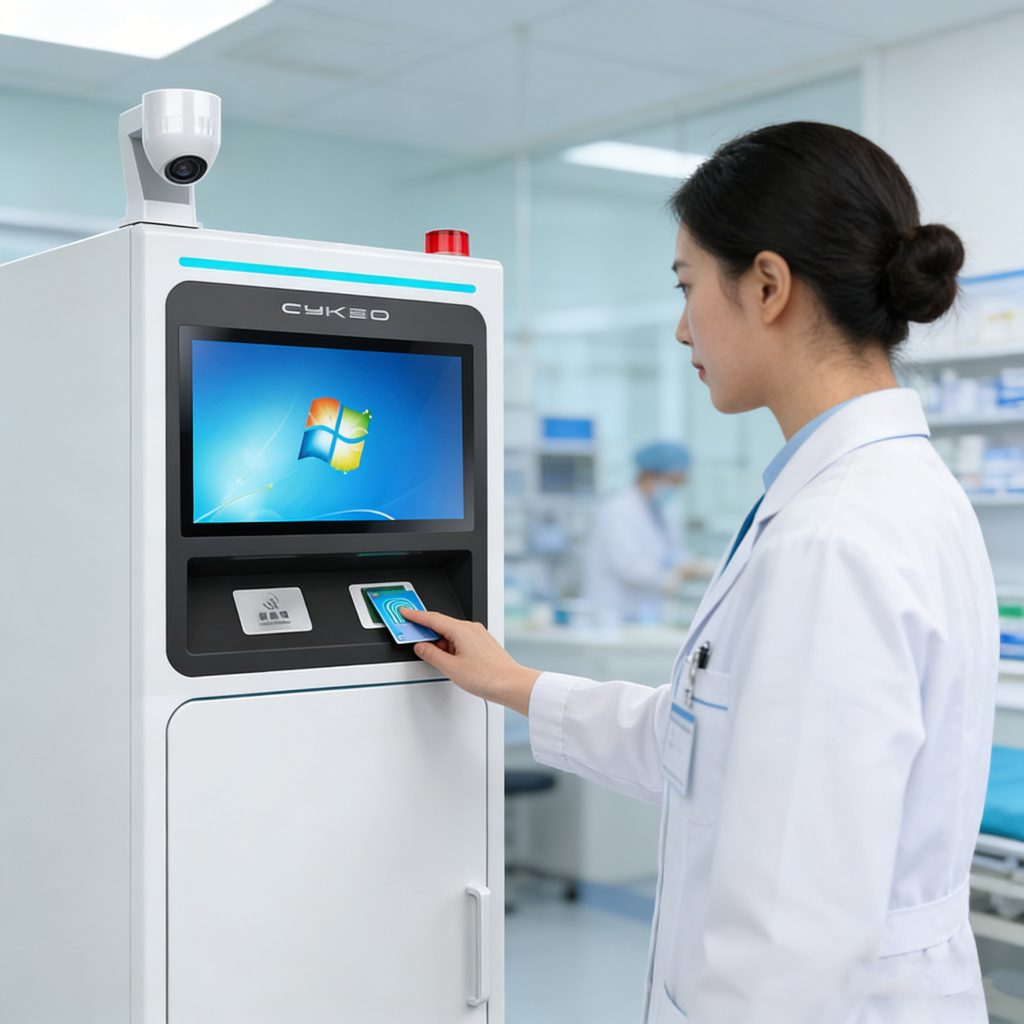
Modern RFID cabinets integrate multi-layer authentication — such as staff ID cards combined with biometric verification.
That means:
Only authorized personnel can access specific medications
Access can be permission-based by role
All activity is logged automatically
This level of accountability is essential for controlled substances and regulatory compliance.
Automatic Audit Trail
Audits stop being a stressful event. Every transaction is digitally recorded and time-stamped.
Instead of reconstructing records manually, pharmacies can generate reports instantly. That’s a massive difference when preparing for regulatory inspections.
Integration Is Where Many Systems Fail — But It Doesn’t Have To
Technology sounds great until it clashes with your existing systems.
One of the biggest concerns pharmacies have is integration complexity. Will it work with our pharmacy management software? Will IT need to rebuild everything?
If you’re evaluating RFID cabinet pharmacy storage systems, pay attention to:
Cabinet antenna design and read accuracy
Tag compatibility with medication packaging
Software flexibility
Scalability for future expansion
Staff training support
The goal isn’t just installing a cabinet. It’s building a controlled, intelligent medication storage ecosystem.
The Bigger Picture
RFID cabinet pharmacy storage systems represent a shift.
From reactive management to proactive control.
From manual documentation to automated accountability.
From periodic inventory checks to real-time visibility.
For hospitals, research facilities, and advanced pharmacies, RFID isn’t a futuristic experiment anymore. It’s becoming a foundational infrastructure decision.
And the facilities that implement it well aren’t just improving compliance — they’re redesigning how pharmacy storage works.
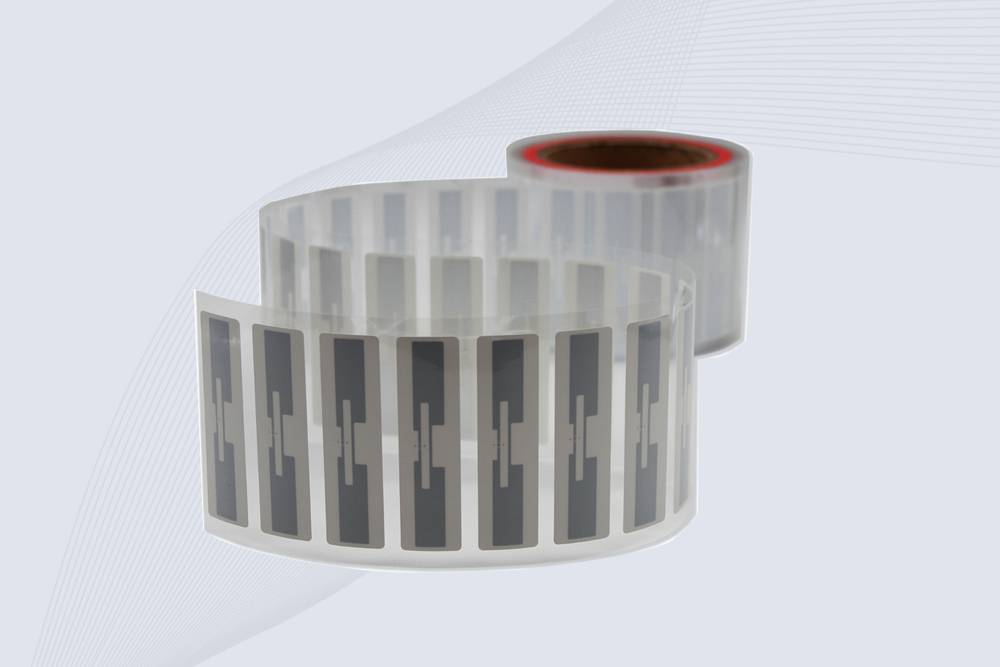
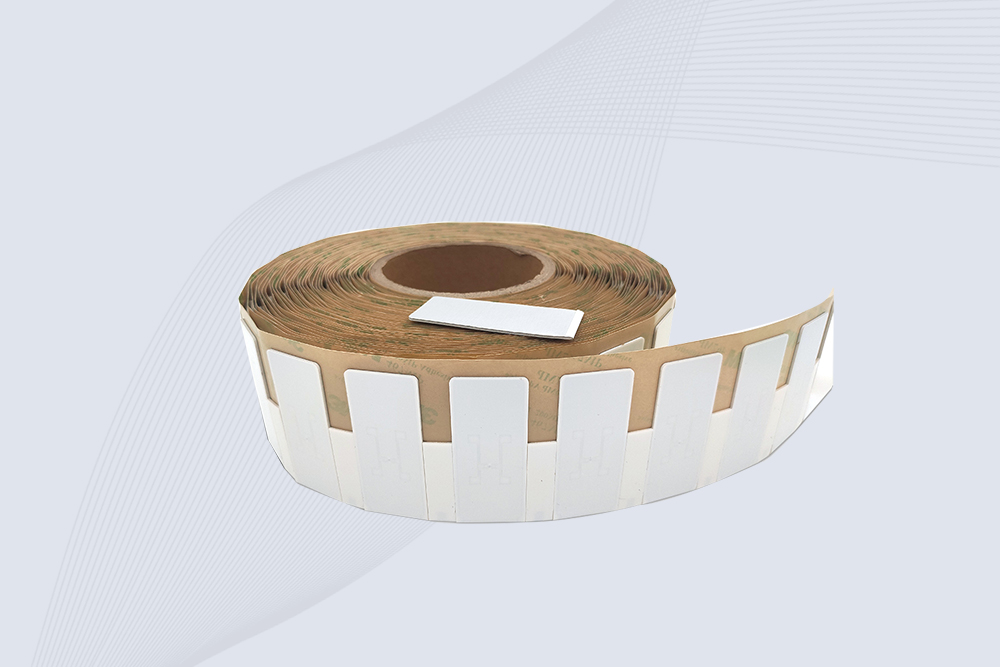
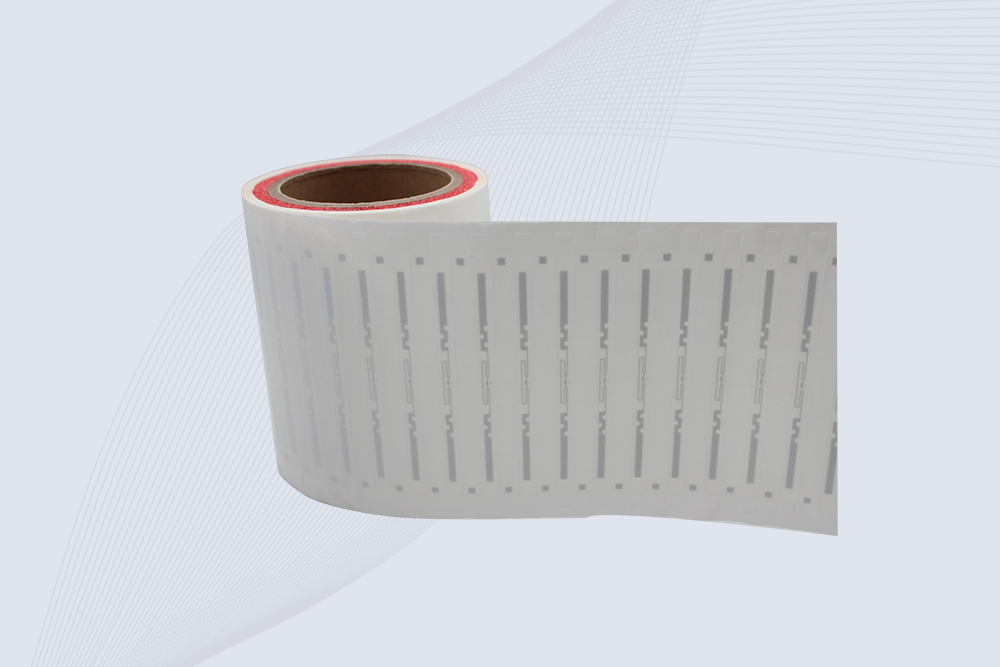
CYKEO Passive RFID Tags are made for wet and high-humidity environments where standard labels do not last. This rfid passive tag is often used around liquids, chemicals and temperature changes, providing stable reading distance and long data life for industrial tracking.
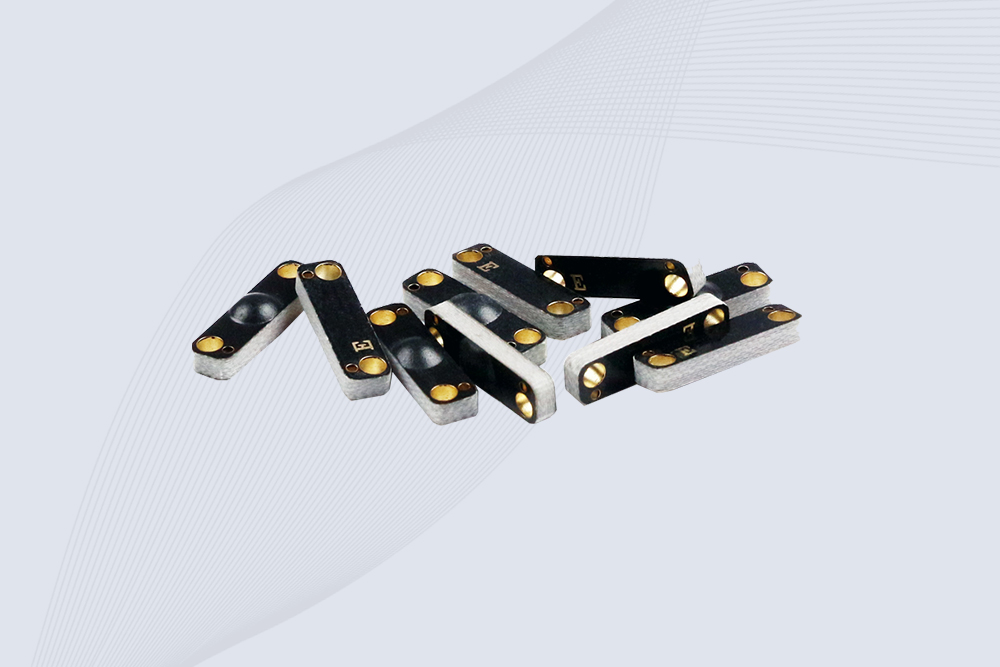
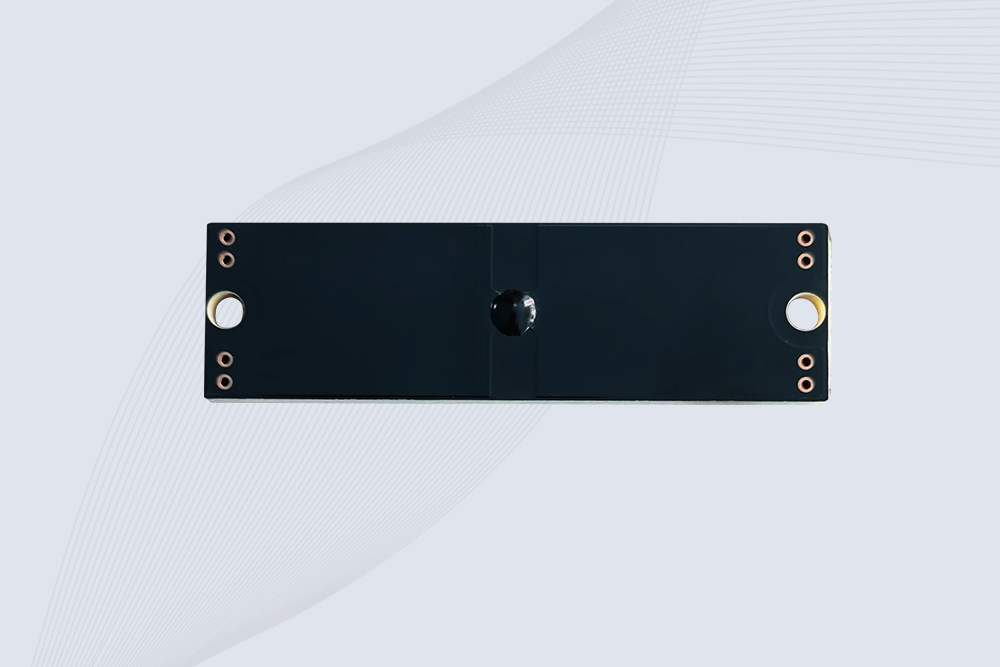
CYKEO CYKEO-PCB1504 Metal RFID Tags is a compact anti-metal UHF RFID solution built for direct mounting on metal surfaces. With stable 8-meter read range, Ucode-8 chip, and long data retention, this rfid metal tag fits tools, containers, automotive parts, and industrial asset tracking.
CYKEO CYKEO-PCB7020 On-Metal RFID Tags are designed for reliable tracking on steel and metal surfaces. Built with an FR4 epoxy body and industrial-grade chips, these On-Metal RFID Tags deliver stable performance, long data life, and chemical resistance, making them a dependable RFID anti-metal tag for harsh environments.
The CYKEO CYKEO-60-25 Anti-Metal RFID Tag is built for metal surfaces where standard tags fail. Designed for long-range performance, harsh environments, and stable data retention, this Anti-Metal RFID Tag is ideal for industrial assets, containers, and equipment tracking using on metal RFID tags.
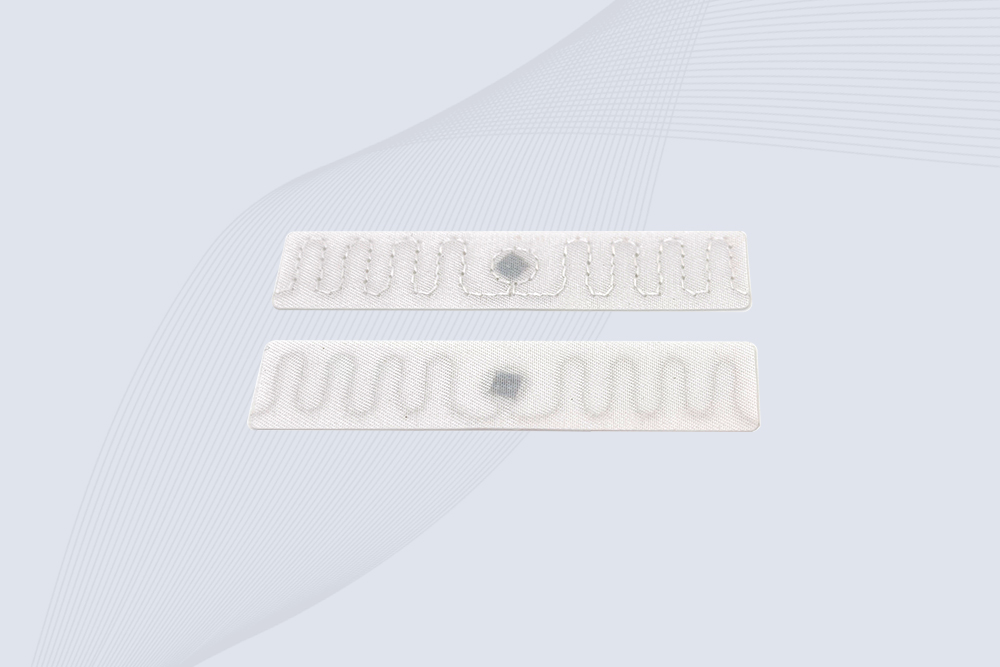
The CYKEO RFID Laundry Tag is designed for long-term textile identification in harsh laundry environments. Built to withstand high heat, chemicals, and repeated washing, this RFID Laundry Tag delivers stable performance for hotels, hospitals, and industrial laundry operations using laundry rfid tags at scale.
The CYKEO CYKEO-125-7 RFID Book Tag is designed for reliable book and document tracking in libraries and archives. This RFID Book Tag delivers long read range, dense placement support, and stable performance on shelves, making it a practical rfid tag on books for library automation, file management, and archival systems.
CYKEO RFID tags in hospitals are designed for sterile environments where accuracy matters. These autoclavable RFID tags support long-term tracking of surgical tools, implants, and medications, helping hospitals improve visibility, compliance, and patient safety.
CYKEO RFID Cable Tie Tag is built for reliable identification on metal surfaces. This UHF RFID Cable Tie Tag is widely used in rfid tags for inventory systems, industrial asset management and Hospital RFID Tags, offering stable read performance, long service life and global EPC Gen2 compatibility.
CYKEO RFID Asset Tag is designed for stable identification of metal assets in industrial environments. This UHF RFID Asset Tag is commonly used for rfid tag asset tracking on equipment, tools and containers, providing reliable reads, long service life and ISO/IEC 18000-6C support.
CYKEO UHF RFID Card is designed for fast identification and long-term use in industrial and commercial systems. Supporting ISO 18000-6C, this UHF RFID Card works at 860–960 MHz and is suitable for custom RFID cards used in asset tracking, access control and inventory management.
CYKEO HF RFID Cards are designed for secure and stable access control systems. These 13.56 MHz RFID key cards support ISO 14443-A, reliable rewriting and long service life, making HF RFID Cards suitable for offices, campuses, events and membership management.
CYKEO UHF RFID Tag is designed for reliable tracking of metal jewelry and high-value items. This Jewelry RFID Tag supports long-range reading up to 8 meters, anti-counterfeit protection and stable performance on metal, making it suitable for retail, inventory control and asset management.
Learn what radio frequency ID tags are, how they work, the different types (LF, HF, UHF), and their applications in supply chain, retail, and access control. Expert guidance from CYKEO engineers.
Learn about UHF RFID technology—how it works, key advantages over LF/HF, real-world applications in warehousing and retail, and how to choose the right UHF RFID reader. Expert guidance from CYKEO engineers.
 Cykeo RFID IoT Solution Products R&D Manufacturer