A bus company in Macau with over 600 buses has long faced pressure in managing fuel and urea refueling. Traditional refueling methods rely on submersible pumps, tonnes, and manual nozzles, which are complex to operate and lack precise measurement. At the end of the month, managers need to reconcile accounts item by item, which is prone to omissions or errors, makes it difficult to track fuel consumption, and increases costs invisibly.
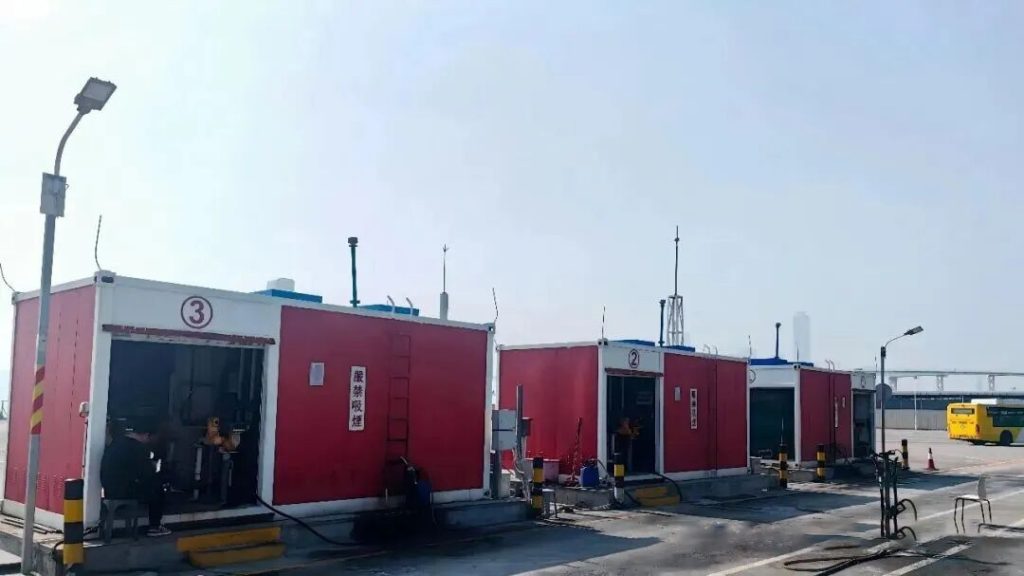
Bus Refueling Station Before RFID Upgrade
To address the pressure of managing vehicle refueling, the bus company recently introduced RFID identification devices at some refueling stations to automatically verify vehicle identity and record each refueling session.
As the fleet continues to expand, relying on manual recording and post-refueling reconciliation is no longer sufficient to meet daily management needs. The new technology makes the process more controllable and the data more complete.
一、Vehicle information is automatically matched before refueling.
In the new refueling process, vehicles must first be identified via RFID. The reader at the fuel nozzle reads the vehicle information, and only after verification can refueling proceed.
On-site staff explained that this step is primarily used to distinguish vehicle identities and avoid situations where the refueling recipient is unclear. The driver’s operating procedures remain unchanged, but the refueling action is automatically linked to the vehicle information.
二、Data additions no longer rely on manual processing
Previously, refueling records were mostly filled out manually or entered retroactively. Now, data generated during the refueling process is simultaneously uploaded to the backend system for subsequent statistical analysis.
Even in cases of network instability, the refueling data is saved and uploaded uniformly when conditions permit. Relevant personnel can view vehicle refueling information directly in the backend, eliminating the need to verify each paper record individually.
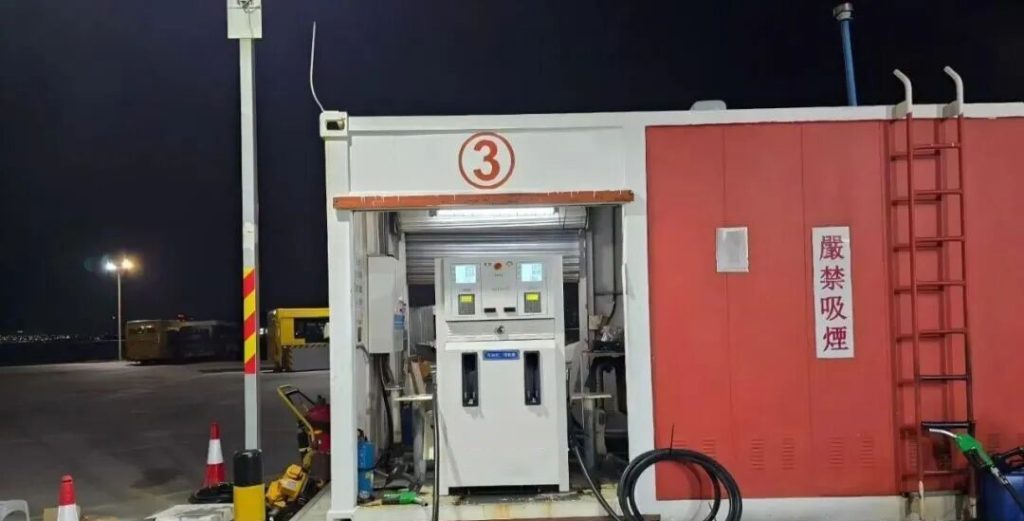
IoT Fuel Dispenser with RFID Vehicle Identification
三、Comparison of management effectiveness
1. Before renovation
× Refueling relies on manual operation, making the process cumbersome.
× Fuel consumption is difficult to reconcile with accounts.
× Abnormal losses are difficult to detect in a timely manner.
× Month-end reconciliation is time-consuming and labor-intensive.
2. After renovation
√ Each vehicle is bound to a unique identification code, and refueling records are automatically linked.
√ Refueling data is transparent; daily, monthly, and yearly fuel consumption are clearly displayed, and reports are automatically generated.
√ Drivers can refuel independently, and back-end administrators can view inventory and refueling details at any time.
√ The system allows remote control of refueling permissions, fuel prices, top-ups, and locking/unlocking, making operation more convenient.
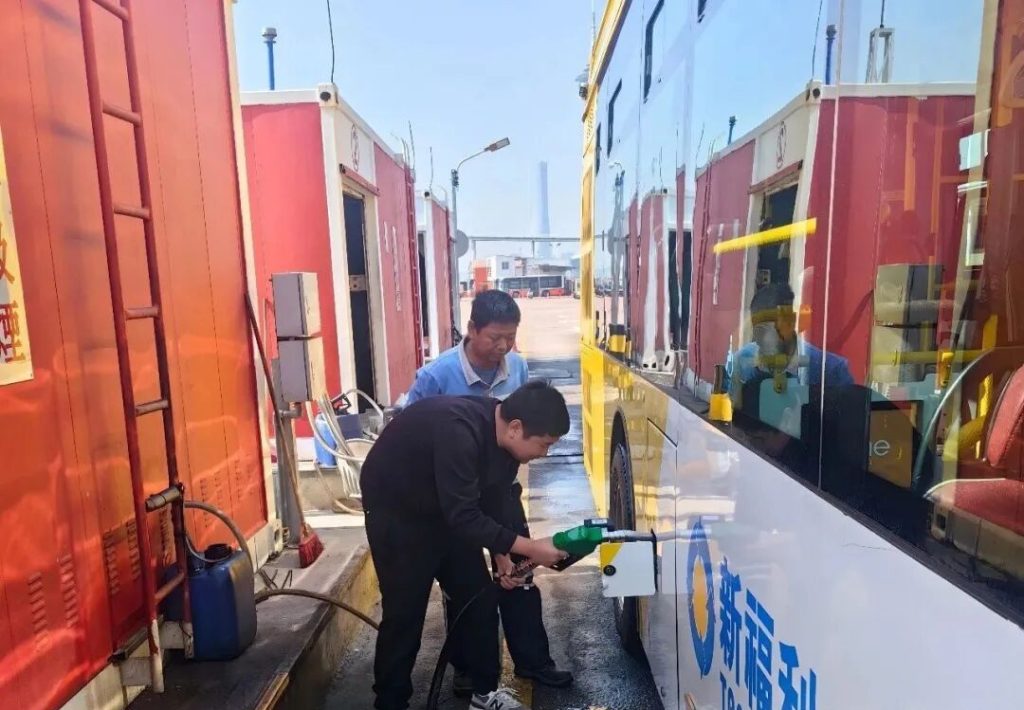
RFID Vehicle Card Identification During Refueling
四、The management style is more inclined towards process control.
Several managers stated that the introduction of RFID identification has shifted the management focus. Instead of repeatedly verifying data at the end of the month, it’s more efficient to clearly define the rules during the refueling process.
The system will constrain which vehicles can refuel, when they can refuel, and how much. This makes it easier to detect anomalies and facilitates subsequent handling.
五、The application of RFID devices in public transportation operations continues to increase.
Currently, the application of RFID readers in public transportation systems is no longer limited to fuel management. Similar practices are also beginning to emerge in areas such as vehicle maintenance and material handling.
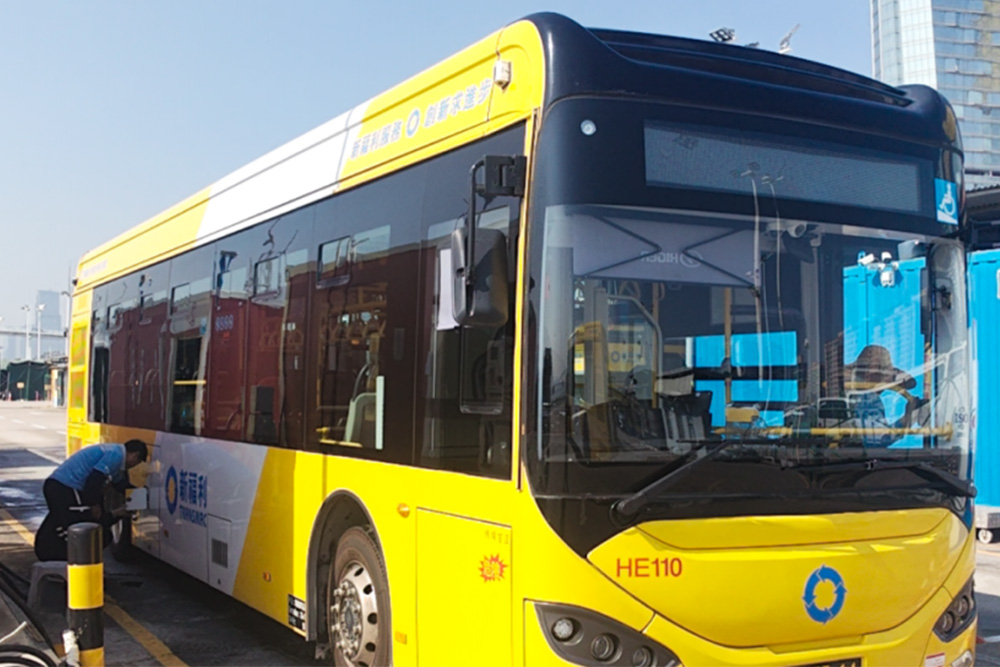
Driver Using Self-Service RFID Refueling System
Industry insiders believe that this type of technology does not change the operational logic, but rather provides a more stable way to record processes that originally relied on experience and human judgment.
In the field of RFID technology, Cykeo focuses on the research and development and manufacturing of RFID smart terminal equipment. Its RFID reader devices can support high-frequency identification and data collection, and have been applied in industries such as logistics, warehousing, industry and transportation.
Ghana introduces RFID identification across highways while tightening cybercrime enforcement and overloading penalties, signaling a broader push for smarter national regulation.
Vietnam has launched a national durian traceability pilot, introducing RFID and NFC technologies to build a standardized, compliant, and scalable digital foundation for agricultural products across production, processing, warehousing, and logistics.
RFID signage system market insights on how robotics, AMRs, and physical AI are reshaping automation strategies, ecosystem competition, and industry dynamics worldwide.
RFID smart laundry project launches in Changyang Cold Chain Logistics Park, bringing medical textile traceability, automated washing control, and smarter logistics services.
 Cykeo RFID IoT Solution Products R&D Manufacturer