 Cykeo RFID IoT Solution Products R&D Manufacturer
How to Read Write RFID Tags: Complete Guide for UHF and HF
15Learning how to read write RFID tags? Step-by-step guide for UHF RAIN and HF Mifare tags. Access EPC, user memory, authentication, and SDK examples. Real advice from CYKEO engineers.
MoreAll RFID Product
Honestly, when I first heard about kiosk rfid, I thought it was just a self-service machine with a card reader slapped on. Maybe a little fancier, but nothing special. Once I actually worked on a project with it… yeah, not that simple at all.
RFID kiosk is a self-service terminal that integrates an RFID reader kiosk system to automatically identify, track, or process tagged items without manual scanning. Today, RFID kiosks are widely used in different scenarios. For example, an RFID vending kiosk can automatically detect tagged products and complete purchases instantly, while an RFID supermarket checkout allows customers to place multiple tagged items on the counter and finish payment in seconds. In event management, RFID kiosks for festivals help with fast check-in, ticket validation, and merchandise distribution. A good example is the Quick-Tag kiosk—many people wonder “quick-tag kiosk how it works”: the system simply reads the RFID tags embedded in products or tickets, processes the data through the kiosk software, and completes identification, checkout, or registration within seconds. This combination of kiosk RFID technology and automation greatly improves efficiency, reduces labor costs, and enhances the overall user experience.
In simple terms, it’s just RFID built into a kiosk. You walk up with something that’s tagged, and the machine automatically recognizes it—for checkout, for access control, or even for inventory updates. Compared to scanning a barcode (you know, pull out your phone, open the app, align the code, scan, wait…), RFID is like—walk up, beep, done.
But let me tell you, those “instant recognition” claims don’t always hold up in the real world. Wrong tag angle? Metal shelves nearby? The signal starts acting up. One time I was testing a vending unit and spent half an hour trying to figure out why it kept missing items. Turned out the antenna placement was all wrong. Frustrating doesn’t even begin to describe it.

You’ve probably already seen it without noticing:

It’s not all sunshine.
My personal biggest headache was with a refrigerated vending fridge. Customers would grab stuff, close the door, and the system lagged—backend still hadn’t updated the sale. Looked like “free drinks.” We had to move antennas, tweak the power, and only then it behaved.

Here’s my take:
Kiosk rfid isn’t just a buzzword. It really can solve some old problems in self-service—especially with speed, accuracy, and customer flow. But it’s all in the details. If you skimp on tags or hardware, or skip the testing, it’ll come back to bite you.

In short: it works, it’s powerful, but only if you’re willing to spend the money, the time, and the patience. Otherwise, don’t even bother.
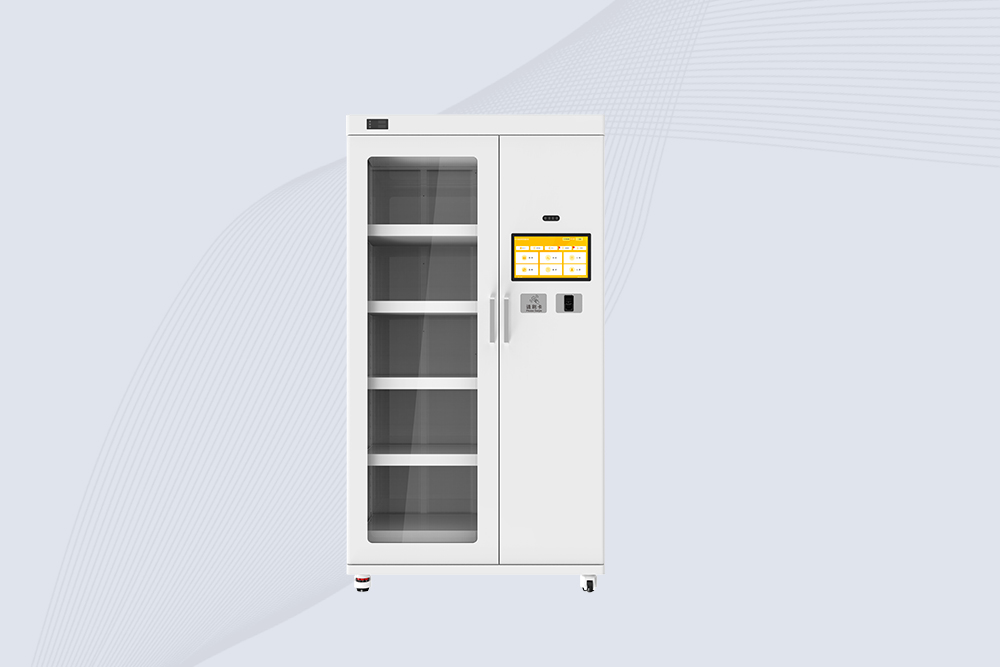
Cykeo’s RFID Smart Tool Cabinet enables 10-second tool audits, user access control & real-time alerts for construction/oil/gas. Features 21.5″ touchscreen, IP54 steel body & -30°C~60°C operation. Supports SAP/Oracle integration.
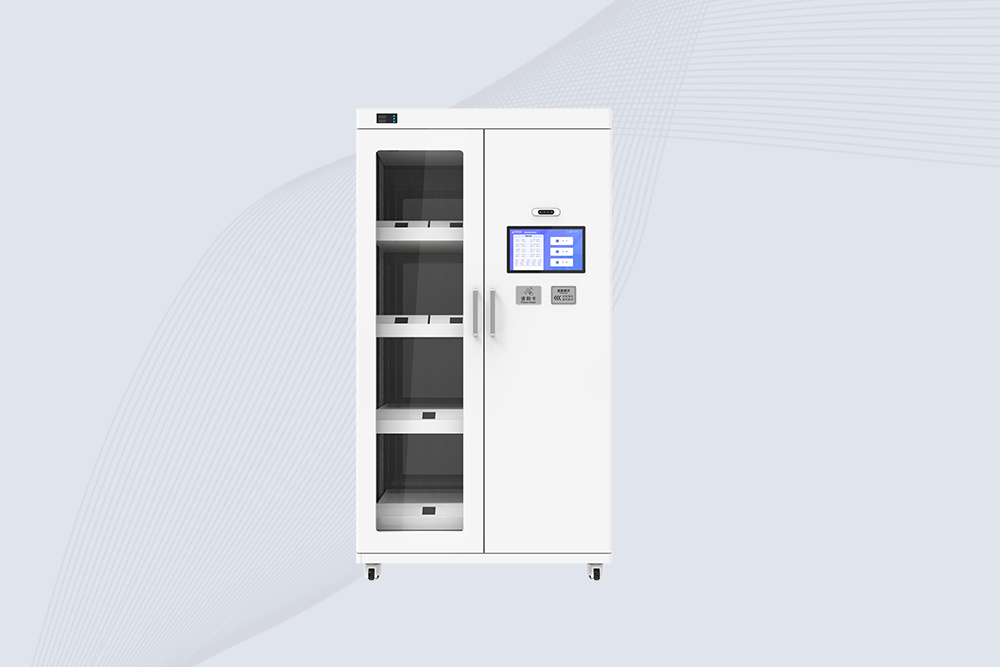
Cykeo’s Intelligent Weighing Tool Cabinet combines weight sensors & RFID for 100% tool accountability. Features solar/4G options, IP54 steel-glass body & nuclear/rail compliance. Supports SAP/Oracle integration.
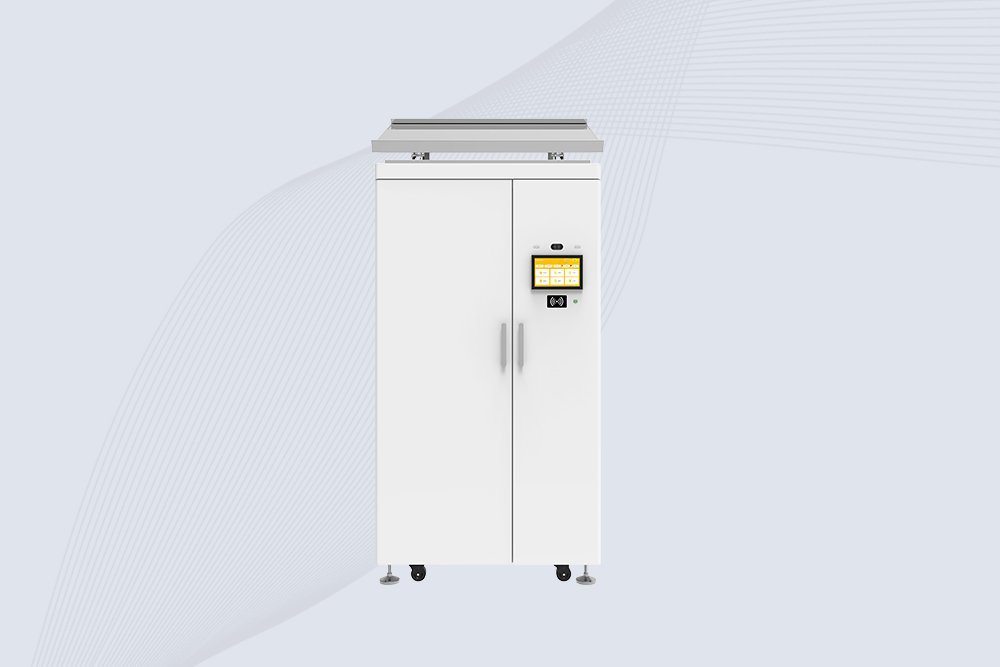
Cykeo’s solar-powered RFID Inventory Tool Cabinet enables 5-second audits for remote sites. Features 160W solar, Android 7.1, 4G & extreme temp operation for oil/energy/mining sectors.
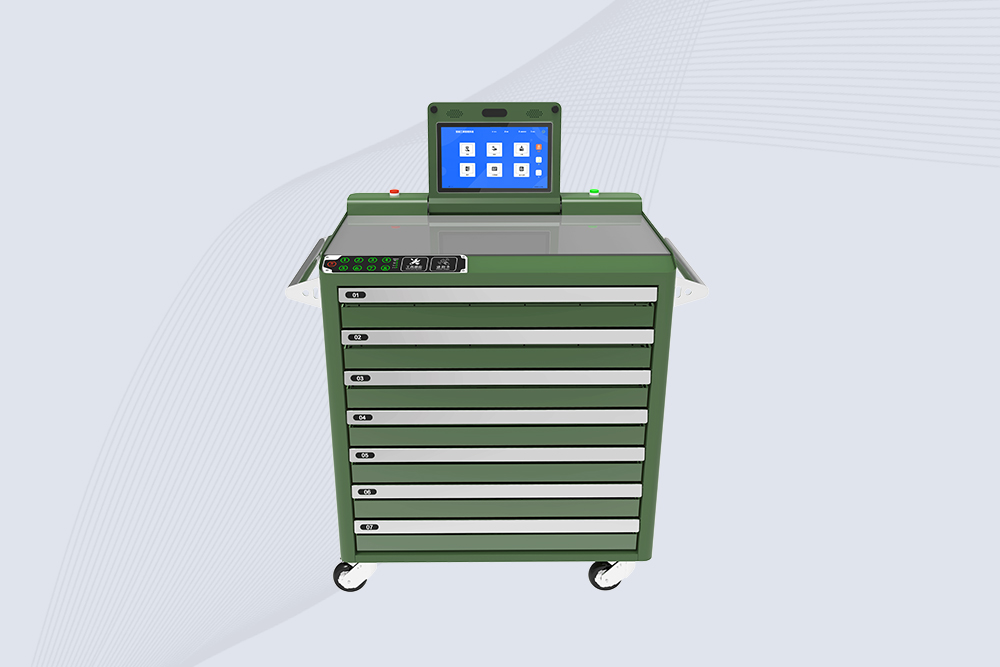
Cykeo’s industrial RFID Tool Cart features 14″ touchscreen, 400+ tool scanning, and carbon steel construction for aviation MRO, power plants and construction sites. 5-second inventory scans.
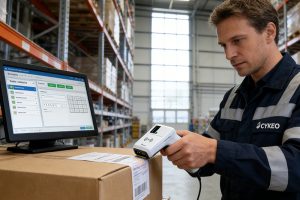
Learning how to read write RFID tags? Step-by-step guide for UHF RAIN and HF Mifare tags. Access EPC, user memory, authentication, and SDK examples. Real advice from CYKEO engineers.
More
Curious about what is RFID antenna and how it works? This definitive guide explains RFID antenna technology, its types, and key industrial applications.
More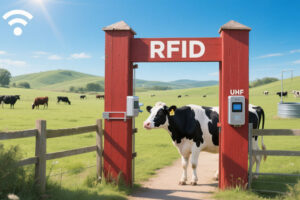
Learn how to optimize long-range RFID readers for livestock tracking. Discover Cykeo’s tips to enhance range and accuracy in rugged farm and ranch environments.
More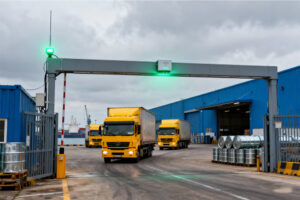
A Fixed RFID Reader isn’t just hardware—it’s becoming essential in warehouses, retail, healthcare, and manufacturing. This article shares practical insights, compares fixed vs handheld readers, and explores its value in inventory and asset managem...
More