 Cykeo RFID IoT Solution Products R&D Manufacturer
How Fast Can RFID Tags Be Read? This Is the Real Game-Changer.
7How fast can RFID tags be read? Discover why RFID's speed—reading hundreds of tags per second—is a game-changer for inventory and logistics efficiency.
MoreAll RFID Product
In day-to-day operations, this type of RFID is used pretty much anywhere you need to identify or track assets without slowing people down:
The driving factor is always the same: automate the boring stuff and leave humans to do actual work.
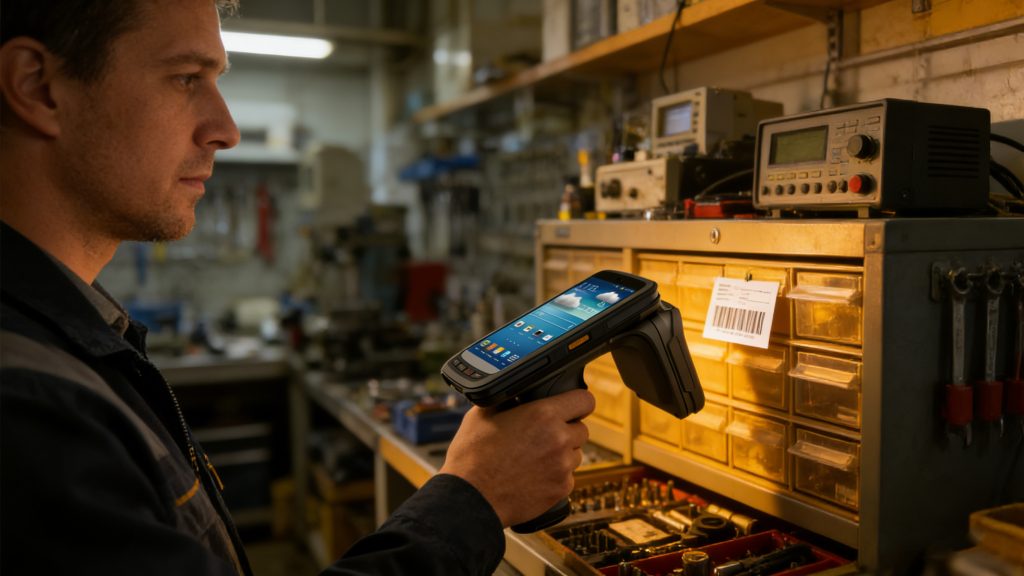
Fixed readers and RFID gates are great when traffic flows through a controlled path. But real sites are rarely that predictable. You still have corners, storage racks, vehicles, or field locations where a person has to walk over and scan.
That’s where handheld readers matter — especially mobile ones running Android like the Android UHF RFID handheld device from CYKEO.
It’s basically your portable all-in-one tool for UHF RFID operations. You take the same 860–960 MHz capabilities used in big industrial systems, shrink them down into a device you can carry around, and suddenly the entire workflow becomes more flexible.
Here’s how this type of device fits into the real workflow:
The short version: it turns your staff into mobile data collectors who can scan, identify, update, and verify assets anywhere without waiting for fixed hardware to do the job.

Imagine a distribution center:
The handheld fills in all the spots where fixed RFID can’t see, while keeping everything tied together in the same 860–960 MHz ecosystem.
UHF RFID in the 860–960 MHz range has become one of the most practical tools for modern operations, not because it’s “high-tech,” but because it solves real, annoying, everyday problems. And the Android UHF RFID handheld device simply makes the whole system more flexible — letting people move freely, scan anywhere, and close the information gaps that fixed readers can’t reach.
If your job involves tracking, counting, locating, or verifying anything with a tag on it, this kind of handheld becomes one of those devices you end up using nonstop without even thinking about it.
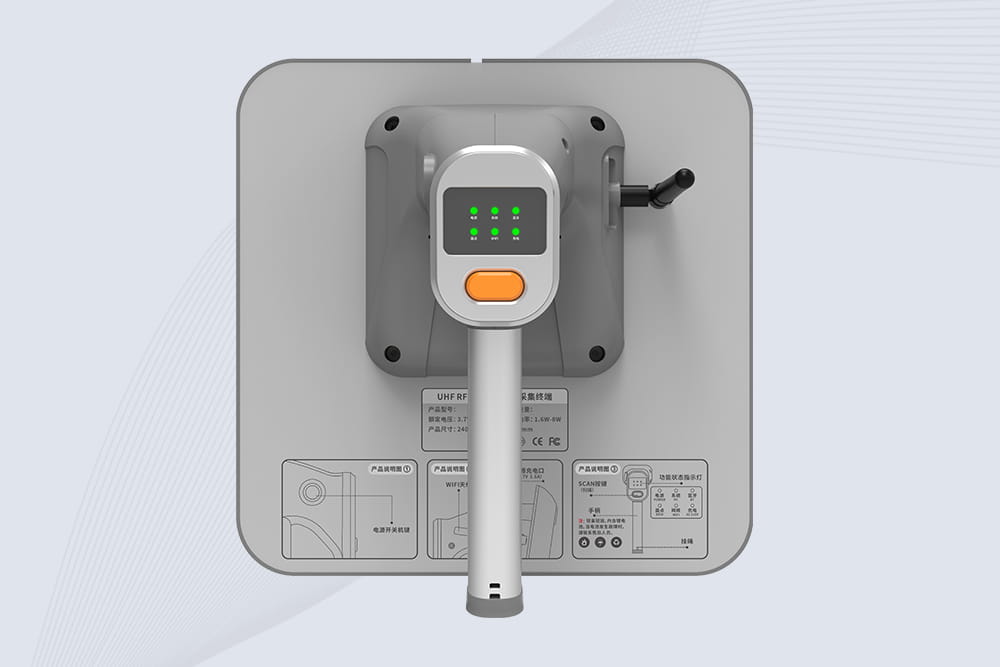
Cykeo CYKEO-B9 UHF Bluetooth handheld RFID scanner features 12m UHF range, 200+ tags/sec scanning, IP67 rugged design for retail/warehouse/pharma. Supports Android SDK & real-time Bluetooth 5.0 transmission.
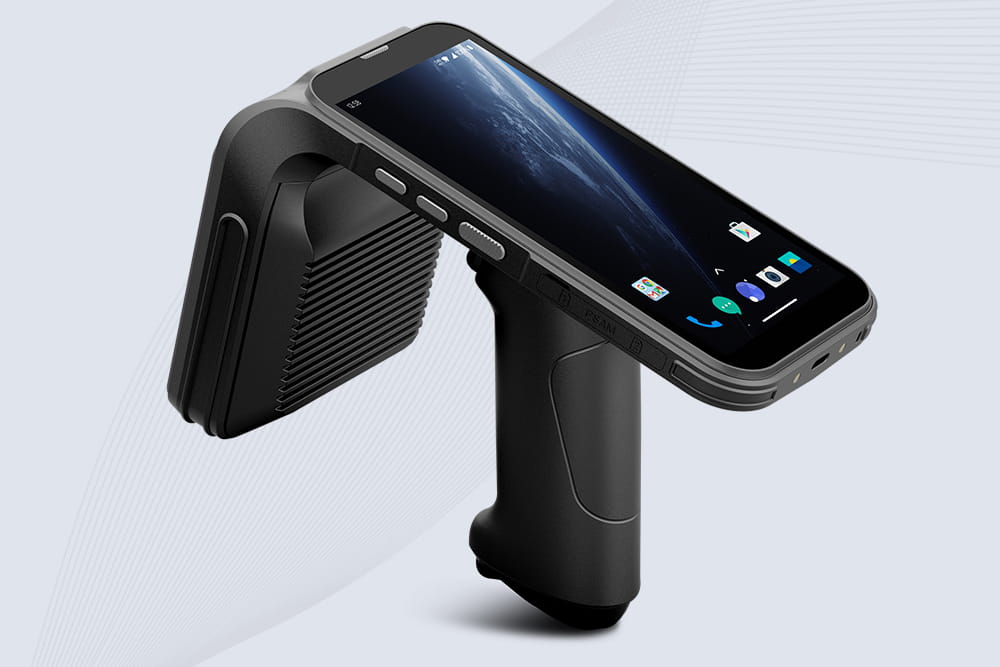
Cykeo CYKEO-B4 UHF Handheld RFID Reader scanner delivers 1300 tags/sec reading, 30m UHF range, and 12-hour battery life. IP65 rugged design with barcode/NFC/ID scanning for retail/manufacturing/logistics.
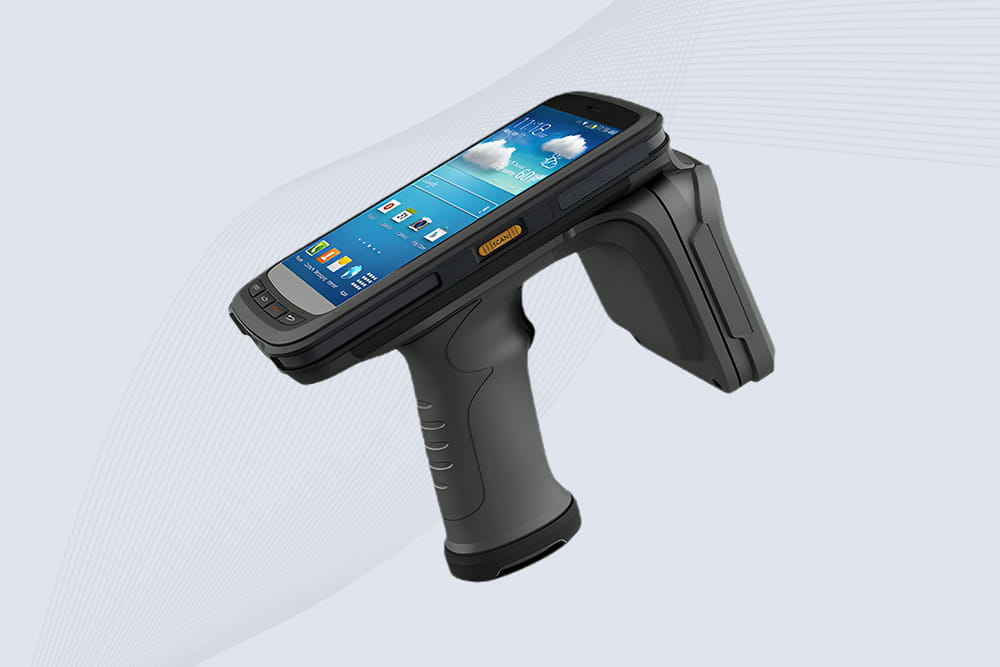
Cykeo CYKEO-B2 industrial UHF RFID handheld offers 10m range, 500 tags/sec scanning, Android 11 OS, and IP65 rugged design for retail/warehouse/manufacturing.
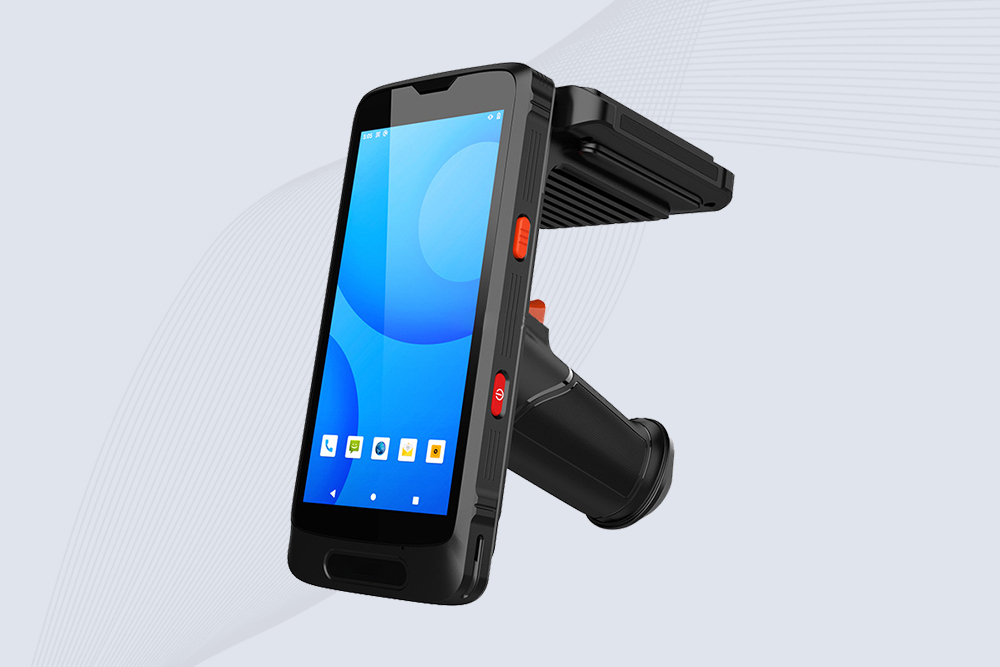
Cykeo CYKEO-B3 industrial RFID Reader Handheld, terminal offers 2m read range, multi-protocol scanning (NFC/barcode/ID), Android 10 OS, and IP65 ruggedness for logistics/retail/manufacturing.

How fast can RFID tags be read? Discover why RFID's speed—reading hundreds of tags per second—is a game-changer for inventory and logistics efficiency.
More
Wondering "can my phone read RFID tags"? Here’s a realistic look at what your smartphone can and cannot do, and when you need a professional RFID system.
More
Discover the top 5 handheld RFID readers for tracking medical equipment in hospitals. Compare features like accuracy, hygiene, and integration with healthcare systems.
More
Step-by-step guide to installing and configuring industrial RFID readers for maximum efficiency. Learn best practices and avoid common pitfalls with Cykeo’s expertise.
More