 Cykeo RFID IoT Solution Products R&D Manufacturer
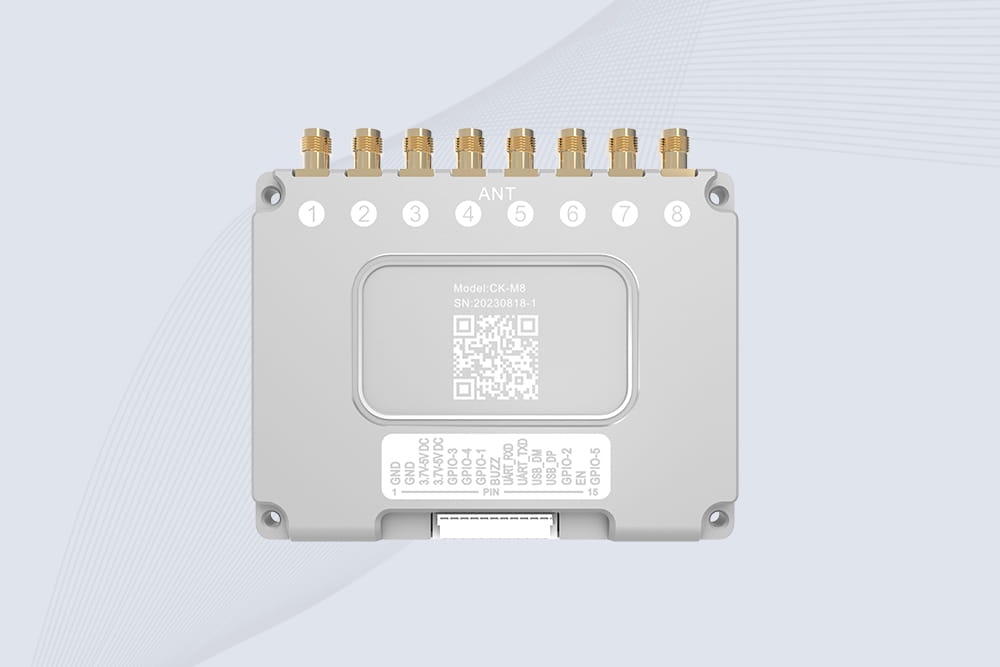
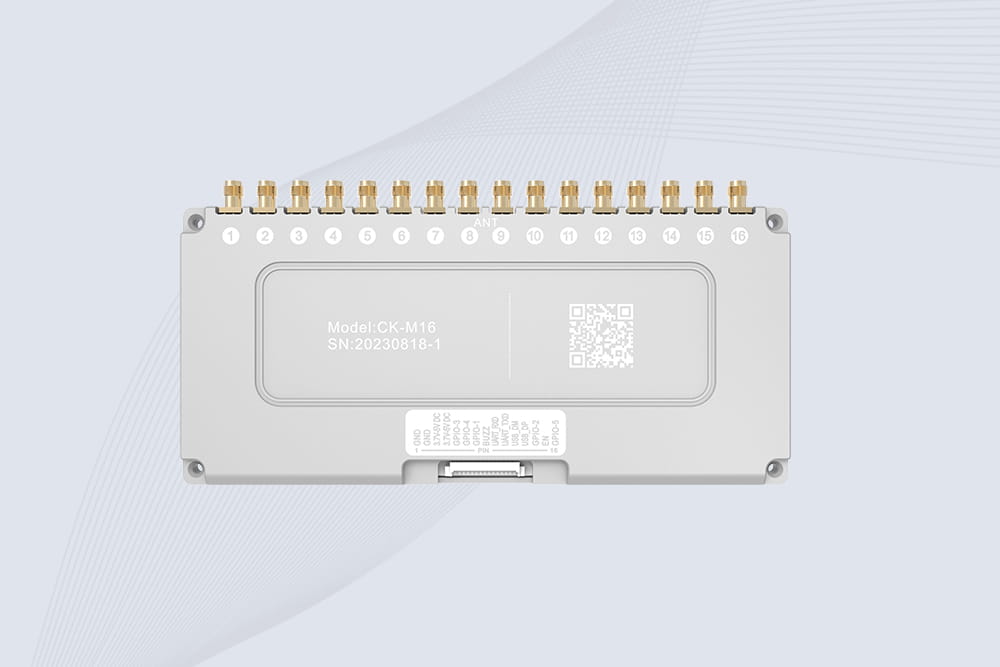
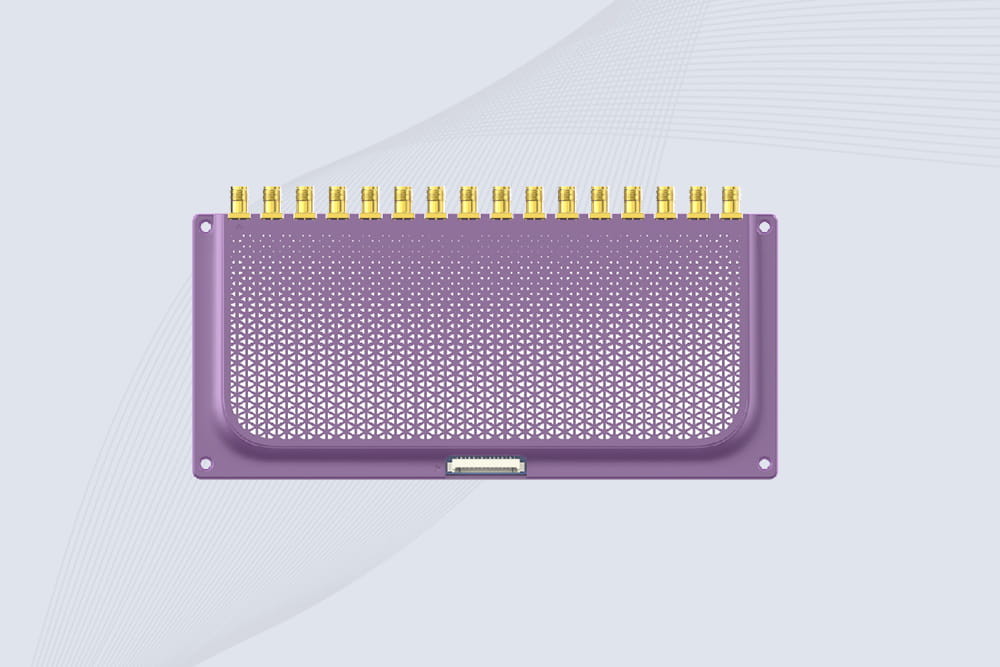
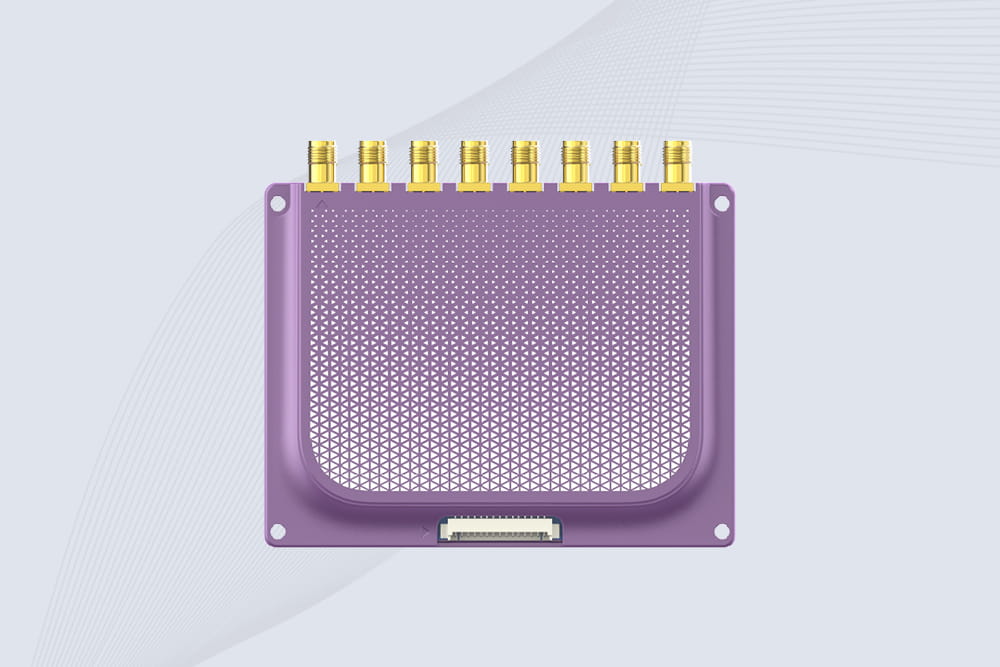
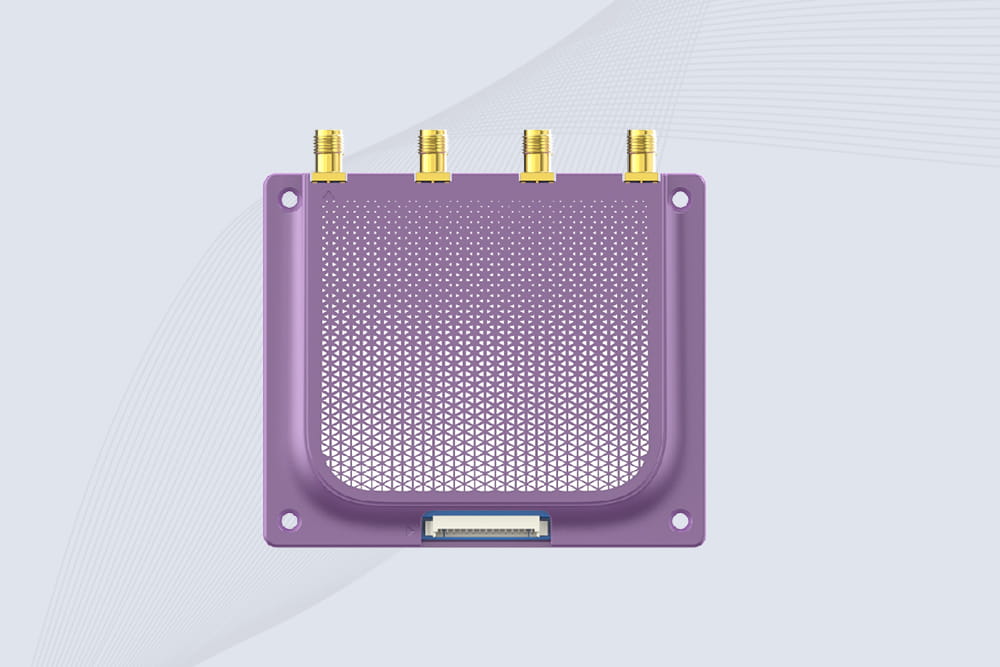
What is Antenna in RFID? (It’s Not What You Think)
239Stop getting lost in theory. Learn what is antenna in RFID systems practically, why its placement matters more than specs, and how it impacts your project's success.
MoreAll RFID Product
Introduction
If you’ve ever wanted to create secure access systems, inventory trackers, or smart devices, learning how to use RFID module with Arduino is a great starting point. Radio-frequency identification (RFID) technology lets you read and write data wirelessly using rfid tags and rfid readers. In this guide, we’ll walk through setting up a common RFID-RC522 module with an Arduino Uno. Even if you’re new to electronics, you’ll find the process straightforward with a bit of patience.
What You’ll Need
To follow along, gather these components:
Wiring the RFID Module to Arduino
The RFID-RC522 uses SPI communication, so connections must be precise. Here’s a typical wiring setup:
| RFID-RC522 Pin | Arduino Uno Pin |
|---|---|
| SDA (SS) | D10 |
| SCK | D13 |
| MOSI | D11 |
| MISO | D12 |
| GND | GND |
| RST | D9 |
| 3.3V | 3.3V (never 5V) |
Note: Always power the RC522 with 3.3V, as higher voltage can damage it. Double-check connections before powering up.
Installing the Required Library
In the Arduino IDE, go to Sketch > Include Library > Manage Libraries. Search for “MFRC522” by Miguel Balboa and install it. This library simplifies reading and writing RFID tags.
Uploading a Test Sketch
After wiring, open the example sketch: File > Examples > MFRC522 > ReadUidMulti. This code scans for nearby tags and outputs their UIDs (unique identifiers) to the Serial Monitor. Upload it to your Arduino, then open Serial Monitor (Tools > Serial Monitor) at 9600 baud rate. When you bring an RFID tag close to the module, you should see its ID displayed.
Troubleshooting Common Issues
Project Idea: Simple RFID Door Lock
Once you can read tags, try controlling outputs. For example, use the RFID to trigger a relay or servo. Modify the example code to check if a scanned UID matches a stored value, then activate a digital pin to simulate a lock mechanism. This is a popular Arduino RFID door lock project that adds practical security skills.
Why This Matters
Mastering how to connect RFID to Arduino Uno opens doors to automation, attendance systems, and personalized devices. The RC522 is affordable and widely supported, making it ideal for hobbyists and prototypes.
Final Tips
Need help? Check CYKEO’s project hub for more tutorials and community support.

Stop getting lost in theory. Learn what is antenna in RFID systems practically, why its placement matters more than specs, and how it impacts your project's success.
More
Learn how to connect RFID reader to SQL database. Our guide covers data flow architecture, deduplication strategies, and reliable integration using CYKEO tools.
More
Secure and HIPAA-compliant fentanyl storage with the FTNG‑L‑CK‑02 RFID Anesthesia Medication Cabinet. Features real-time drug tracking, blockchain audit logs, rugged MIL-STD-810G design, and developer support with RESTful/native APIs and SDK. Perf...
More
Learning how to get data from an RFID reader? Stop fighting raw bytes. We cover serial capture, SDK callbacks, cloud MQTT, and tag filtering. Real code examples for CYKEO readers.
More