 Cykeo RFID IoT Solution Products R&D Manufacturer
Is RFID or barcode scanning more cost-effective for inventory control?
1095Compare RFID and barcode scanning costs for inventory management. Learn which system offers better ROI for warehouses, retail, and manufacturing.
MoreAll RFID Product
At the beginning, sourcing an RFID handheld reader looks straightforward.
Compare specs. Check price. Place an order.
But in real projects, issues usually don’t come from the product itself.
They come from:
That’s why choosing the right supplier matters just as much as choosing the right device.
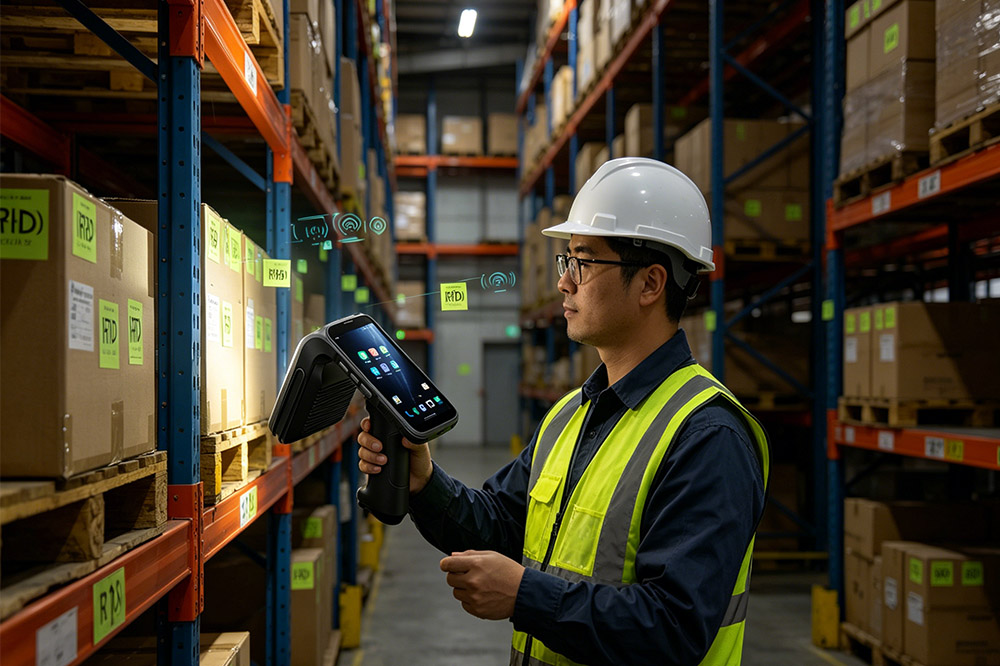
If you’re still comparing options, it helps to review a broader range of RFID handheld reader solutions before narrowing down suppliers.
Price is important, but it shouldn’t be the first filter.
What matters more:
A slightly cheaper device can become expensive if it causes problems later.
This is one step you shouldn’t skip.
Before placing a bulk order:
If a supplier can’t provide a proper test unit, that’s already a signal.
For most projects, especially integration-based ones, this is critical.
You should confirm:
A good product without support can slow down your entire project.
Not all suppliers are the same.
Some focus on:
Others are built for:
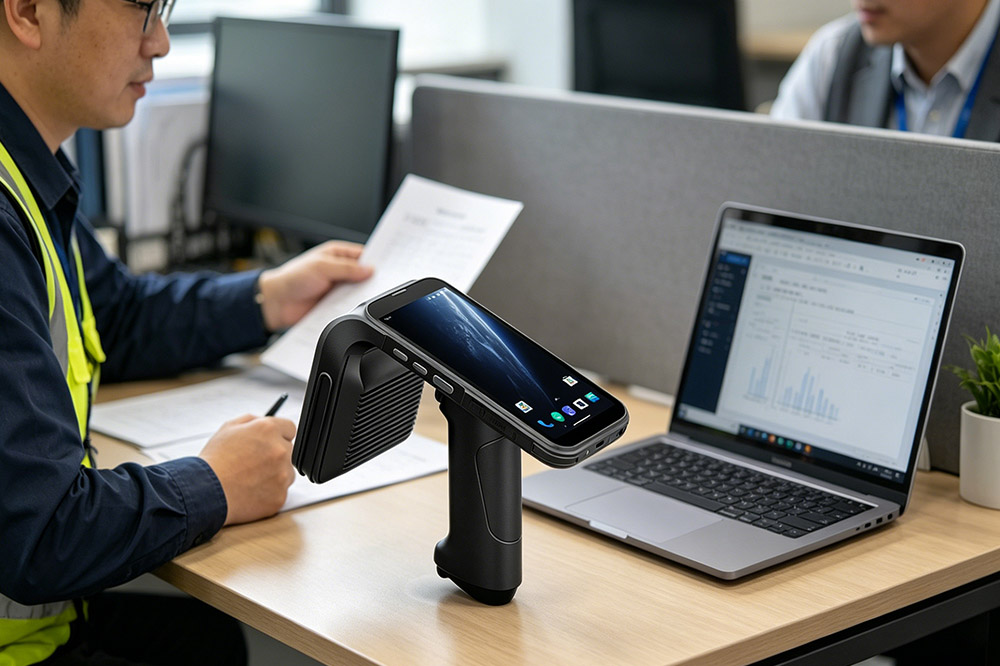
If your project involves warehouses, factories, or field use, make sure the supplier offers devices like a rugged RFID handheld reader writer designed for long-term operation.
This is something many buyers only realize after scaling.
Ask:
Inconsistent batches can create integration issues and extra support work.
In B2B sourcing, communication often determines how smooth a project will be.
Look for suppliers who:
This becomes even more important during customization or scaling.
If your project requires:
You’ll need a supplier that supports OEM/ODM.
It’s better to confirm this early rather than switching suppliers later.
Most experienced buyers follow a similar path:
This process may take more time upfront, but it avoids bigger issues later.
A few patterns show up repeatedly:
Most of these don’t show up until after the first order.
Before placing an order, make sure you can answer:
If the answer is yes to all four, you’re in a good position.
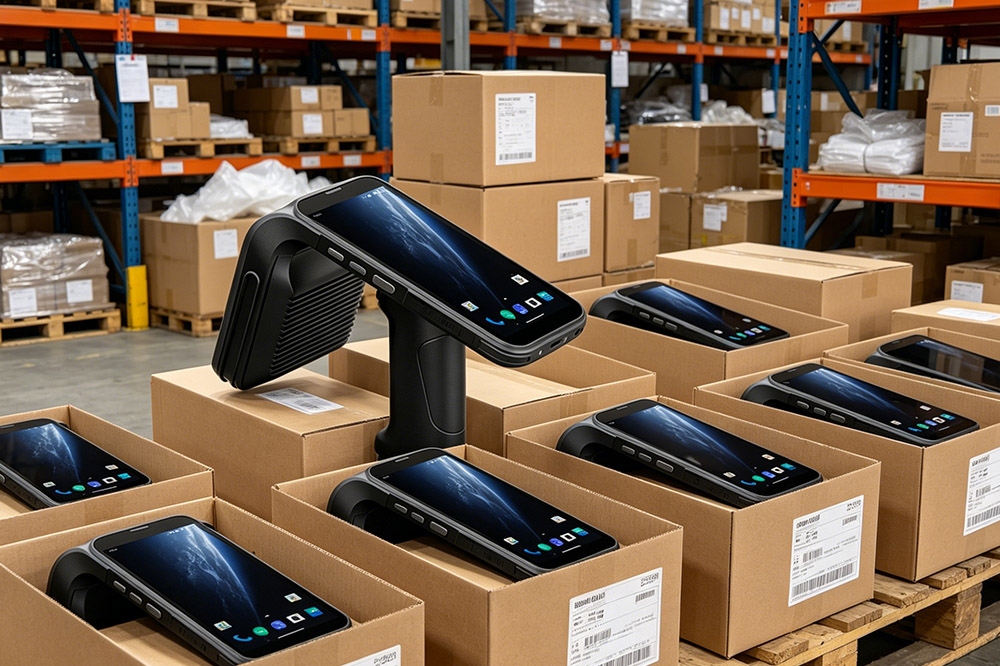
If you’re sourcing RFID handheld readers for a project, it’s worth reviewing multiple options before deciding.
You can explore different industrial RFID handheld reader models based on your application.
For demanding environments, consider testing a rugged handheld RFID scanner to evaluate durability and performance.
For bulk orders, OEM customization, or technical discussions, starting with a sample is usually the fastest way forward.
Sourcing an RFID handheld reader isn’t just about finding a product.
It’s about finding a partner who can support your project from testing to scaling.
The right supplier won’t just sell you a device — they’ll help you avoid problems before they happen.
And in most cases, that’s what really makes the difference.
Related products
CYKEO-B9 UHF Bluetooth Handheld RFID Scanner
CYKEO-B4 Professional UHF Handheld RFID Reader
CYKEO-B2 RFID Handheld Scanner
CYKEO-B3 Pro Rugged RFID Reader Handheld
CYKEO-B3L Industrial UHF RFID Handheld Reader
Guide Recommendations
What Are the Best Handheld RFID Readers for Small Business Inventory?
How to Choose the Best RFID Handheld Reader for Warehouse Inventory?
Handheld RFID Readers: Working Principle, Product Types, and Selection Guide
What are the best handheld RFID readers for tracking tools on construction sites?
What Is RFID Handheld Reader? Mobile Scanning for Inventory and Assets
What Are the Most Durable Handheld RFID Readers for Construction Sites?
Compare RFID and barcode scanning costs for inventory management. Learn which system offers better ROI for warehouses, retail, and manufacturing.
More
Discover the best antenna types for fixed RFID readers. Learn how Cykeo’s directional, omnidirectional, and circular-polarized antennas optimize performance in warehouses, factories, and more.
More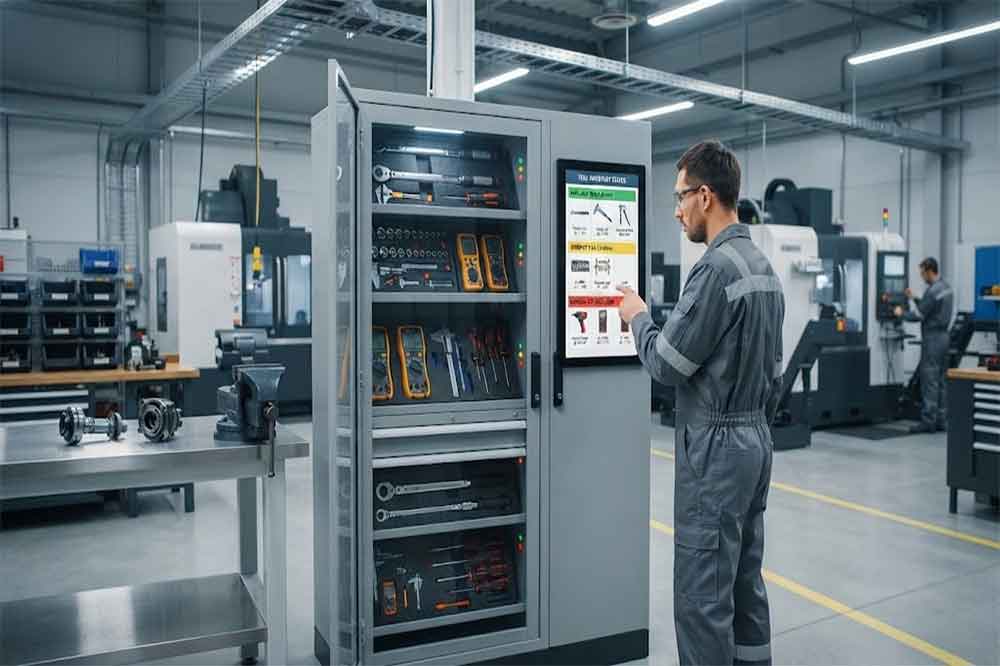
RFID tool cabinet can help employees see tool availability, current location, user assignment, and status before starting a job. Adding a reservation workflo...
More
Want to learn how to make an RFID reader? We break down the real engineering choices: build a simple HF cloner, integrate a UHF module, or embark on a multi-year RF design journey.
More